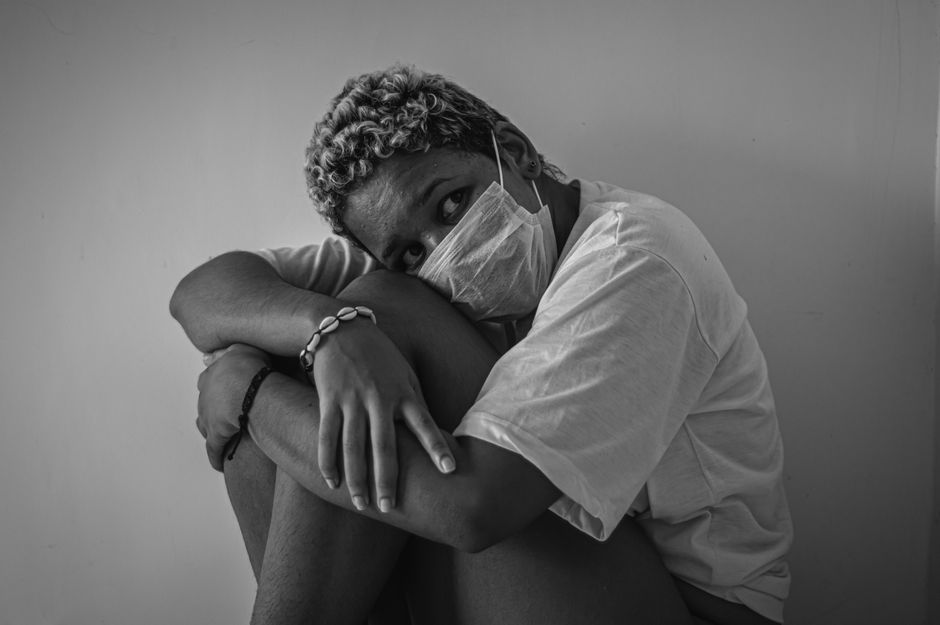
In this article, we’ll explore: BcozSheMatters: WHO Health Ministry roll out campaign on women and girls health and well-being and why it matters today.
Related:
👉 BcozSheMatters: Why the WHO and Health Ministry’s New Campaign is a Game-Changer for Women’s Well-being
👉 Why Estrogen Might Be Your Brain’s Secret Weapon Against Stress
👉 The Silent Struggle: Why Period Poverty Is a Global Menstrual Health Crisis We Can’t Ignore
Think about the women in your life for a moment. Your mother, who probably remembers everyone’s doctor appointments but her own. Your sister, who balances a high-pressure job with a million household tasks. Or perhaps the young girl next door, dreaming of a future that’s only possible if she stays healthy and supported. For too long, women’s health has been treated as a “side issue” or something that only matters during pregnancy. But things are finally changing.
The World Health Organization (WHO) and the Ministry of Health have recently joined forces to launch a massive, heart-centered initiative. The campaign, titled BcozSheMatters: WHO Health Ministry roll out campaign on women and girls health and well-being, is more than just a set of policy guidelines. It is a loud, clear message to the world: A society is only as healthy as its women and girls.
In this post, we’re going to dive deep into what this campaign actually means, why it’s happening now, and how it’s going to change lives on the ground. This isn’t just medical talk; it’s about the fundamental right to thrive.
Why “BcozSheMatters” is More Than Just a Catchy Hashtag
We live in a world where women often feel like they have to be “superwomen.” They are the primary caregivers, the backbone of the economy, and the heart of the home. Yet, ironically, they are often the last ones to seek medical help. Whether it’s due to a lack of time, financial constraints, or the societal expectation to “just push through it,” women’s health frequently takes a backseat.
The BcozSheMatters: WHO Health Ministry roll out campaign on women and girls health and well-being aims to dismantle these barriers. The name itself is a reminder. It’s a response to every time a woman’s pain was dismissed or her mental health was ignored. It says, “We see you, we value you, and your health is a priority.”
The campaign isn’t just about handing out brochures. It’s about creating a system where a girl in a rural village has the same access to menstrual hygiene and nutrition as a woman in a bustling city has to mental health support and screenings for non-communicable diseases.
The Four Pillars of the Campaign
To make a real impact, the WHO and the Health Ministry have focused on four critical areas. These aren’t just random choices; they are the areas where women and girls face the most significant challenges today.
1. Maternal and Reproductive Health (Beyond Childbirth)
For decades, “women’s health” was almost synonymous with “maternal health.” While keeping mothers safe during birth is vital, this campaign looks at the bigger picture. It covers reproductive rights, access to contraception, and health education from puberty through menopause. It’s about giving women agency over their own bodies at every stage of life.
2. Mental Health and Emotional Well-being
This is perhaps the most “human” part of the initiative. Women are statistically more likely to experience anxiety and depression, often linked to the “invisible load” of domestic and professional responsibilities. The campaign aims to destigmatize mental health struggles and provide accessible counseling services through community centers.
3. Nutrition and Preventive Care
Anemia and malnutrition still affect millions of girls worldwide. By focusing on nutrition early on, the campaign ensures that girls grow into healthy, strong women. Additionally, there is a heavy emphasis on preventive screenings for things like cervical cancer and breast cancer—diseases that are highly treatable if caught early but devastating if ignored.
4. Adolescent Health and Empowerment
If we want to change the future, we have to start with girls. This pillar focuses on keeping girls in school, providing them with accurate health information, and protecting them from harmful practices. When a girl understands her health, she is empowered to make better life choices.
A Real-World Example: Meet Sarah
To understand the impact of the BcozSheMatters: WHO Health Ministry roll out campaign on women and girls health and well-being, let’s look at a hypothetical (but very common) story.
Sarah is a 34-year-old mother of three living in a suburban neighborhood. For months, she felt a persistent fatigue and a dull ache in her back. She assumed it was just “part of being a mom.” She didn’t want to spend the money on a check-up, and she didn’t want to take time away from her kids.
Under the new campaign, Sarah’s local community center hosted a “Wellness Saturday.” It was free, it provided childcare while the moms were seen by doctors, and it was promoted as a community event rather than a scary medical appointment. Sarah went. She was diagnosed with a thyroid imbalance and early-stage hypertension. Because it was caught early, she didn’t need expensive surgery or long-term hospitalization. She just needed a simple treatment plan and some lifestyle tweaks.
That is the “BcozSheMatters” effect. It’s about removing the “friction” that stops women from taking care of themselves.
How the Campaign is Being Rolled Out
The WHO and the Health Ministry aren’t just sitting in offices; they are taking this to the streets. Here is how the rollout looks in practice:
- Mobile Health Clinics: Vans equipped with diagnostic tools traveling to remote areas where hospitals are miles away.
- Digital Health Portals: An easy-to-use app where women can chat with health professionals, track their cycles, and get mental health tips.
- Community Champions: Training local women to be “Health Leaders” in their own neighborhoods. People are more likely to listen to a neighbor they trust than a stranger in a white coat.
- School Programs: Integrating health and well-being into the curriculum for girls, focusing on body positivity and hygiene.
The Role of Men and Boys in “BcozSheMatters”
You might think a campaign for women and girls doesn’t involve men, but that couldn’t be further from the truth. For the BcozSheMatters: WHO Health Ministry roll out campaign on women and girls health and well-being to succeed, men need to be allies.
This means husbands supporting their wives in taking time for health check-ups. It means fathers ensuring their daughters have the same nutritional and educational opportunities as their sons. It means brothers helping to break the taboos around menstruation and mental health. When men are involved, the entire family unit becomes healthier.
Key Takeaways from the Campaign
- Holistic Approach: It moves beyond just physical health to include mental and social well-being.
- Accessibility: Focuses on making healthcare affordable and physically reachable for everyone, regardless of their location.
- Prevention over Cure: Emphasizes early screening and nutrition to prevent long-term chronic illnesses.
- Empowerment: Aims to give women the knowledge and confidence to advocate for their own health needs.
- Global Collaboration: Shows the power of what happens when international organizations (WHO) and national governments (Health Ministry) work together.
Final Thoughts: A Call to Action
The BcozSheMatters: WHO Health Ministry roll out campaign on women and girls health and well-being is a beautiful reminder that we cannot have a thriving world if half the population is struggling in silence. But a campaign can only do so much. The real change happens when we, as individuals, change our mindsets.
If you are a woman reading this: please, put yourself on your “to-do” list today. Book that appointment. Take that walk. Talk to someone about your stress. If you are a man reading this: ask the women in your life how they are really doing and how you can support their well-being.
Because at the end of the day, she matters. Not just because of what she does for others, but because of who she is.
Frequently Asked Questions (FAQ)
What is the main goal of the BcozSheMatters campaign?
The primary goal is to improve the overall health and well-being of women and girls by providing better access to healthcare, mental health support, and preventive screenings, while also breaking down societal taboos regarding women’s health.
Is this campaign only for women in developing countries?
No. While the campaign has a strong focus on underserved communities, the principles of “BcozSheMatters” apply globally. Women in developed nations also face challenges like mental health stigma, reproductive health gaps, and the “invisible load” of caregiving.
How can I get involved or benefit from this campaign?
You can look for local Health Ministry announcements in your area, visit your local community health center, or check the WHO website for digital resources and toolkits related to the campaign.
Does the campaign cover mental health?
Yes, mental health is a core pillar. The campaign recognizes that emotional well-being is just as important as physical health and seeks to provide more counseling and support services for women and girls.
Why is the WHO involved in a national Health Ministry campaign?
The WHO provides the global expertise, data, and framework, while the Health Ministry provides the local infrastructure and implementation. This partnership ensures that the campaign is both world-class and culturally relevant.
Written with love and assistance and refined for quality.
🔗 Related: Period poverty: A global menstrual health…
🔗 Related: Research Shows This Supplement Can Help…
🔗 Related: Health Rounds: Glucosamine used for joint…