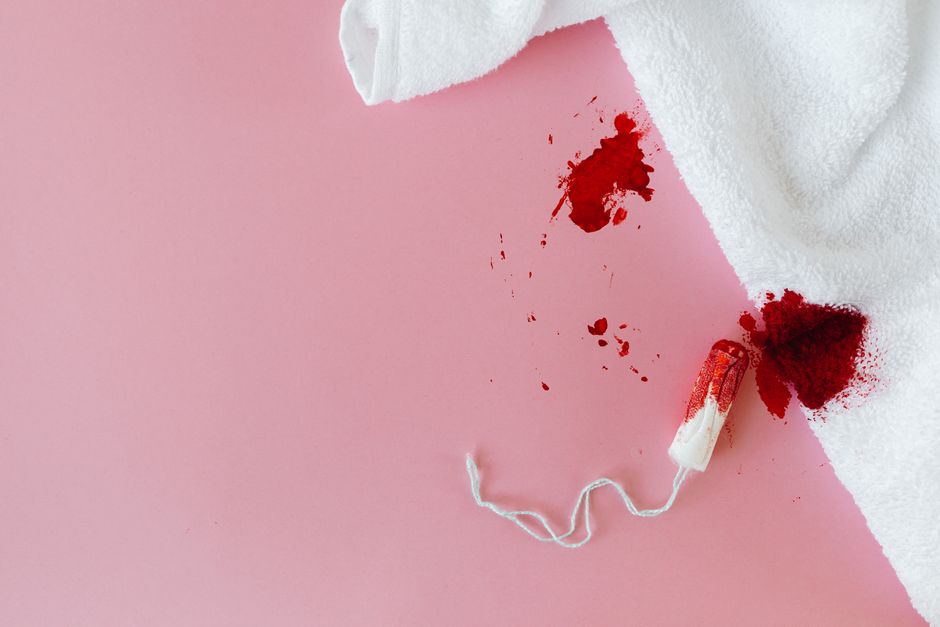
In this article, we’ll explore: Period poverty: A global menstrual health crisis and why it matters today.
Related:
👉 The One Supplement That Actually Lives Up to the Hype for Your Body and Your Brain
👉 The Hidden Struggle: Why Period Poverty is a Global Menstrual Health Crisis We Can’t Ignore
👉 The Joint Pain Dilemma: Is Your Glucosamine Supplement Actually Affecting Your Memory?
Learn more: Period poverty: A global menstrual health crisis on Investopedia
Imagine for a second that you are a fourteen-year-old girl named Amina. You live in a small village where every penny counts. One morning, you realize your period has started. But instead of reaching for a box of pads or a tampon, you realize there are none in the house. Your family has to choose between buying a bag of rice for dinner or buying menstrual products for you. The choice is easy for them, but devastating for you.
You end up using an old, tattered piece of cloth or even dried leaves. You’re terrified of leaking through your clothes at school, so you stay home. You miss a week of classes every single month. Eventually, you fall so far behind that you drop out entirely. This isn’t a scene from a movie; it is the daily reality for millions of people. This is period poverty: a global menstrual health crisis that affects dignity, education, and health across every continent.
What Exactly Is Period Poverty?
When we talk about period poverty, most people think it’s just about not being able to afford pads or tampons. While that’s a huge part of it, the issue is much deeper. Period poverty is the lack of access to menstrual products, hygiene facilities, waste management, and even the basic education needed to manage menstruation safely.
It is a complex intersection of financial hardship, social stigma, and a lack of infrastructure. If you have a period but don’t have a private toilet with clean water to wash yourself, or a trash can to dispose of used products, you are experiencing period poverty. It is a fundamental violation of human rights that keeps people trapped in a cycle of shame and inequality.
It’s More Than Just a “Money Problem”
Even in wealthy countries, the “Pink Tax”—the extra cost placed on products marketed toward women—makes menstrual hygiene expensive. But in many parts of the world, the problem is compounded by a lack of clean water. If you can’t find a clean tap, how can you wash a reusable menstrual cup? If there is no privacy, how can you change a pad without feeling exposed? These are the layers that make this a global crisis.
The Ripple Effect: How Period Poverty Changes Lives
Period poverty doesn’t just happen for five days a month and then disappear. Its effects ripple through a person’s entire life, affecting their future and their community.
1. The Education Gap
One of the most heartbreaking consequences of period poverty is the impact on education. In many sub-Saharan African countries, it is estimated that one in ten girls misses school during their menstrual cycle. Over time, these absences add up. When girls miss 20% of their school year, they are much more likely to drop out, marry early, and remain in poverty. By solving period poverty, we aren’t just giving out pads; we are keeping girls in classrooms.
2. Severe Health Risks
When people can’t afford safe products, they turn to alternatives. This includes rags, newspapers, husks of corn, or even sand. These materials are often unhygienic and can lead to severe reproductive and urinary tract infections. In some cases, prolonged use of unsafe materials can even lead to infertility or life-threatening conditions like Toxic Shock Syndrome (TSS).
3. The Mental Health Toll
The psychological impact of period poverty is often overlooked. Imagine the constant anxiety of “leaking” in public or the deep shame felt because you’ve been told that menstruation is “dirty.” This stigma leads to isolation, low self-esteem, and depression. No one should feel like their own body is a source of embarrassment.
Real-World Examples: A Global Perspective
To understand that period poverty: a global menstrual health crisis isn’t localized to one region, let’s look at how it manifests in different parts of the world.
- Scotland: In 2020, Scotland made history by becoming the first country in the world to make period products free for everyone. They recognized that pads and tampons are as essential as toilet paper in public restrooms.
- India: For years, the stigma was so high that women were often banished to “period huts” outside their villages. However, activists like Arunachalam Muruganantham (the real-life “Padman”) revolutionized the industry by creating low-cost machines to manufacture affordable pads locally.
- The United States: Even in one of the richest countries on earth, one in four students struggles to afford period products. Many states still tax these items as “luxury goods” while items like Viagra or Rogaine are often tax-exempt.
- Kenya: The government has taken steps to distribute free pads in schools, but many rural areas still lack the water and sanitation infrastructure (WASH) to make these products truly effective for the girls using them.
Breaking the Taboo: Why We Need to Keep Talking
Why has it taken so long for the world to address this? The answer is simple: Stigma. For centuries, menstruation has been treated as a “women’s secret” or something “gross.” Because we don’t talk about it, policymakers (who are historically men) don’t prioritize it.
We need to normalize the conversation. We need to talk about periods at the dinner table, in boardrooms, and in government offices. When we break the silence, we break the cycle of poverty. Men and boys need to be part of this conversation too. When a father understands his daughter’s needs, or a male boss understands why his employee needs a break, the world becomes a more equitable place.
How Can We Solve the Crisis?
Solving a global crisis sounds like a massive task, but change happens through both systemic shifts and individual actions.
- Policy Change: Governments must scrap the “Pink Tax” and provide free products in schools, shelters, and prisons.
- Infrastructure Investment: We need to ensure that schools and public spaces have clean water and private toilets.
- Education for All: Comprehensive menstrual health education should be taught to everyone, regardless of gender, to eliminate stigma from a young age.
- Supporting NGOs: Organizations like Period.org, Days for Girls, and various local charities work tirelessly to get supplies to those in need. Supporting them makes a direct impact.
Key Takeaways
- Period poverty: a global menstrual health crisis is about more than money; it involves access to water, sanitation, and education.
- It forces millions of girls to miss school, leading to long-term economic inequality.
- Unsafe alternatives to pads and tampons cause serious health infections.
- Stigma is the biggest barrier to solving the problem; open conversation is the first step toward a solution.
- Everyone—including governments and individuals—has a role to play in ending period poverty.
Frequently Asked Questions (FAQ)
What is the main cause of period poverty?
The main causes are financial hardship (high cost of products), lack of education about menstrual health, and inadequate water and sanitation facilities. Cultural taboos also play a massive role in preventing people from seeking help.
Does period poverty only happen in developing countries?
No. Period poverty is a global issue. Even in developed nations like the UK, USA, and Canada, many low-income individuals and students struggle to afford basic menstrual hygiene products.
How does period poverty affect a person’s mental health?
It causes significant stress, anxiety, and feelings of shame. The fear of staining clothes and the inability to stay clean can lead to social withdrawal and a decrease in self-confidence.
What can I do to help end period poverty?
You can donate products to local food banks or shelters, advocate for the removal of the tampon tax in your area, and support international NGOs that focus on menstrual health. Most importantly, speak openly about periods to help reduce the stigma.
Are reusable products a solution to period poverty?
Reusable products like menstrual cups or washable pads can be a great long-term solution because they are cost-effective and eco-friendly. However, they only work if the user has access to clean water and soap to sanitize them safely.
In the end, menstruation is a natural biological process. It is the reason the human race exists. No one should be penalized, shamed, or held back in life simply because their body functions the way it was meant to. By addressing period poverty, we aren’t just providing pads—we are providing a future where everyone can live with the dignity they deserve.
Written with love and assistance and refined for quality.
🔗 Related: Estrogen levels in both the male…