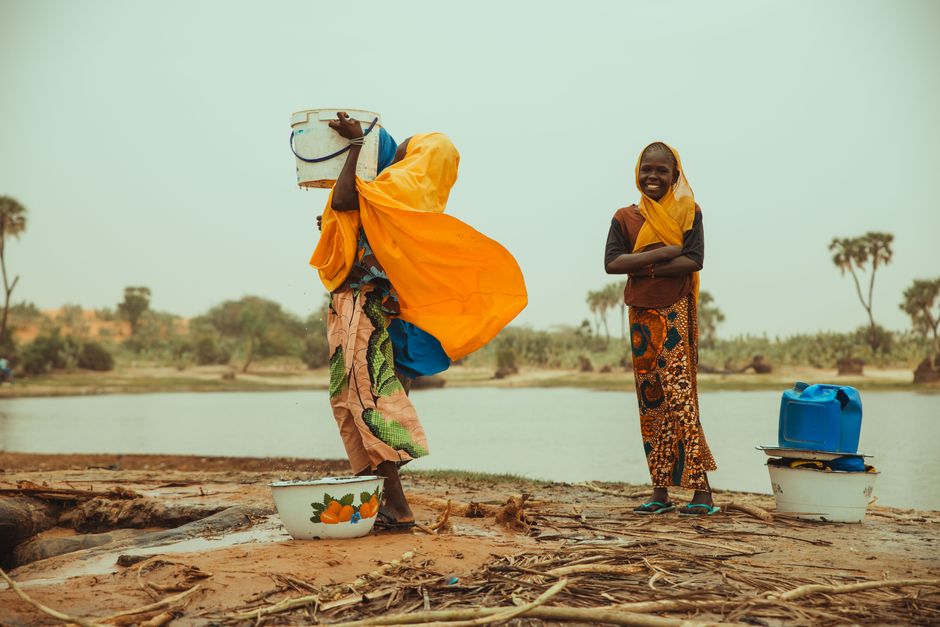
In this article, we’ll explore: Period poverty: A global menstrual health crisis and why it matters today.
Related:
👉 The Joint Pain Dilemma: Is Your Glucosamine Supplement Actually Affecting Your Memory?
👉 Why the "Soil" Matters: Understanding How PCOS Affects Pregnancy at a Cellular Level
👉 The Surprising Truth: Research Shows This Supplement Can Help Build Lean Muscle And Improve Brain Health
Learn more: Period poverty: A global menstrual health crisis on Wikipedia
Imagine being a fourteen-year-old girl named Maya living in a small village. Every month, for about five days, Maya stops going to school. She doesn’t stay home because she’s sick or because she wants a break. She stays home because she has started her period, and her family cannot afford to buy sanitary pads. Instead of learning math or playing with her friends, Maya sits on an old piece of cardboard in the corner of her room, using scraps of old cloth to manage her flow. She feels ashamed, isolated, and behind in her studies.
This isn’t just Maya’s story. It is the reality for millions of women, girls, and people who menstruate across the globe. This phenomenon is known as period poverty: a global menstrual health crisis that affects physical health, education, and human dignity.
In this post, we’re going to dive deep into what period poverty actually looks like, why it’s happening in both rich and poor countries, and what we can do to fix it. This isn’t just a “women’s issue”—it’s a human rights issue.
What Exactly is Period Poverty?
When we hear the word “poverty,” we usually think of a lack of food or shelter. But period poverty is a specific type of struggle. It refers to the lack of access to sanitary products, menstrual hygiene education, toilets, water systems, and waste management.
It’s not just about not having a pad or a tampon. Period poverty is a complex web of challenges that includes:
- Financial barriers: Not having enough money to buy monthly supplies.
- Lack of infrastructure: No clean water or private toilets to wash or change.
- Lack of education: Not understanding how the body works or how to manage a period safely.
- Social stigma: Feeling “dirty” or ashamed because of cultural myths.
The truth is, menstrual health is a fundamental part of healthcare. When people can’t manage their periods safely, the “Period poverty: a global menstrual health crisis” becomes a barrier to equality.
The Ripple Effect: How It Impacts Lives
Period poverty doesn’t just happen for one week a month and then disappear. Its effects ripple through every aspect of a person’s life.
1. Education and the Gender Gap
In many parts of the world, girls miss up to 20% of the school year because of their periods. When you miss a week of school every single month, it’s almost impossible to keep up. This leads to higher dropout rates, which in turn leads to early marriages and a cycle of poverty that is incredibly hard to break.
2. Serious Health Risks
When people can’t afford proper supplies, they get creative—but not in a good way. People have reported using old rags, newspapers, dried leaves, or even husks of corn. These materials are not sterile and can lead to severe reproductive and urinary tract infections (UTIs). In extreme cases, using unhygienic materials can lead to life-threatening conditions like Toxic Shock Syndrome (TSS).
3. Mental Health and Dignity
There is a massive psychological toll that comes with period poverty. The constant fear of “leaking” in public or the smell associated with unwashed rags causes intense anxiety and depression. No one should have to choose between buying a loaf of bread and buying a box of tampons, yet millions make that choice every day.
Real-World Examples: It’s Not Just “Somewhere Else”
One of the biggest misconceptions is that period poverty only happens in developing nations. While the challenges are different, the crisis is truly global.
In Kenya: Research has shown that some girls are forced into “transactional sex” just to get enough money to buy sanitary pads. This exposes them to HIV/AIDS and teenage pregnancy, all for a basic hygiene product that costs a couple of dollars.
In the United States: A study found that 1 in 4 teens in the U.S. has struggled to afford period products. Many students rely on school nurses for supplies, but if the school is closed or the nurse is out of stock, they are left with no options. In many states, period products are still taxed as “luxury items” while things like Viagra or golf club memberships are exempt.
In the United Kingdom: Despite being one of the wealthiest nations, thousands of young people miss school because of period poverty. Food banks in the UK have reported a massive increase in requests for menstrual products, showing that when the cost of living rises, hygiene is often the first thing to go.
The Wall of Silence: Stigma and Taboos
Why has it taken so long for the world to recognize period poverty as a crisis? The answer is simple: shame. For centuries, menstruation has been treated as a “whisper topic.”
In some cultures, menstruating people are forbidden from entering the kitchen or touching plants because they are considered “impure.” In others, the topic is so taboo that mothers don’t even explain menstruation to their daughters before it happens. This lack of conversation keeps the problem hidden. If we can’t talk about periods, we can’t demand better access to products.
The Economic Side: The “Pink Tax” and Inflation
Period products are expensive. If you calculate the cost of pads, tampons, liners, and pain relief over a lifetime, the average person spends thousands of dollars. This is often referred to as the “Pink Tax”—the extra cost people pay for products marketed toward them, or the unfair taxation of essential biological needs.
As global inflation rises, the price of cotton and plastic (key ingredients in pads) has skyrocketed. This means that even families who were once getting by are now finding themselves pushed into period poverty.
Signs of Hope: What’s Being Done?
It’s not all bad news. The world is finally starting to wake up to the fact that period poverty is a global menstrual health crisis that requires legislative action.
- Scotland Leading the Way: In 2020, Scotland became the first country in the world to make period products free for everyone. They recognized that these items are as essential as toilet paper in public restrooms.
- Removing the Tampon Tax: Countries like India, Australia, and Canada have removed the tax on menstrual products, making them more affordable for the average person.
- Grassroots Movements: Organizations like Period.org and The Red Box Project are working to put free supplies in schools and community centers.
- Innovation: The rise of reusable options like menstrual cups and period underwear is helping to reduce long-term costs and environmental waste, though these require access to clean water to be used safely.
How You Can Help Make a Difference
You don’t have to be a politician to help end period poverty. Here are a few simple ways to contribute:
- Donate products: The next time you see a “buy one get one free” deal on pads or tampons, buy the extra and donate it to a local food bank or homeless shelter.
- Talk about it: Break the stigma. The more we talk about periods as a normal bodily function, the less power the shame has.
- Support legislation: Look up local bills regarding period product accessibility in schools and prisons, and write to your local representatives.
- Educate yourself and others: Share articles (like this one!) to help people understand that this isn’t just a minor inconvenience—it’s a crisis.
Key Takeaways
- Period poverty is the lack of access to menstrual products, education, and sanitation.
- It affects over 500 million people worldwide every month.
- It is a major cause of school absenteeism for girls in developing and developed nations.
- The crisis is fueled by financial hardship, the “Pink Tax,” and cultural taboos.
- Ending period poverty requires a combination of free products, better infrastructure, and open conversation.
Frequently Asked Questions
What is the main cause of period poverty?
The main cause is a combination of low income and the high cost of menstrual products. However, it is also caused by a lack of clean water, lack of private toilets, and cultural stigmas that prevent people from seeking help.
Is period poverty only a problem in poor countries?
No. Period poverty is a significant issue in wealthy countries like the US, UK, and Canada, where low-income individuals often cannot afford basic hygiene supplies due to the high cost of living.
How does period poverty affect a person’s health?
Without proper supplies, people may use unsafe materials like rags or paper, which can cause infections, rashes, and long-term reproductive health issues.
Can reusable products solve period poverty?
They can help, but they aren’t a “magic bullet.” Reusable products like cups require clean water and soap for sterilization. In areas without running water, disposable products are often a safer, albeit more expensive, option.
Conclusion
Period poverty is a quiet crisis, but its impact is deafening. It holds back students, endangers health, and strips away the dignity of millions. By recognizing that period poverty is a global menstrual health crisis, we can stop treating menstruation as a secret and start treating it as a standard part of human health. It’s time to ensure that no one, anywhere, is ever held back by a natural cycle of their body.
Written with love and assistance and refined for quality.
🔗 Related: Why Men Lose Weight Differently Than…
🔗 Related: Health Rounds: Glucosamine used for joint…
🔗 Related: Estrogen levels in both the male…