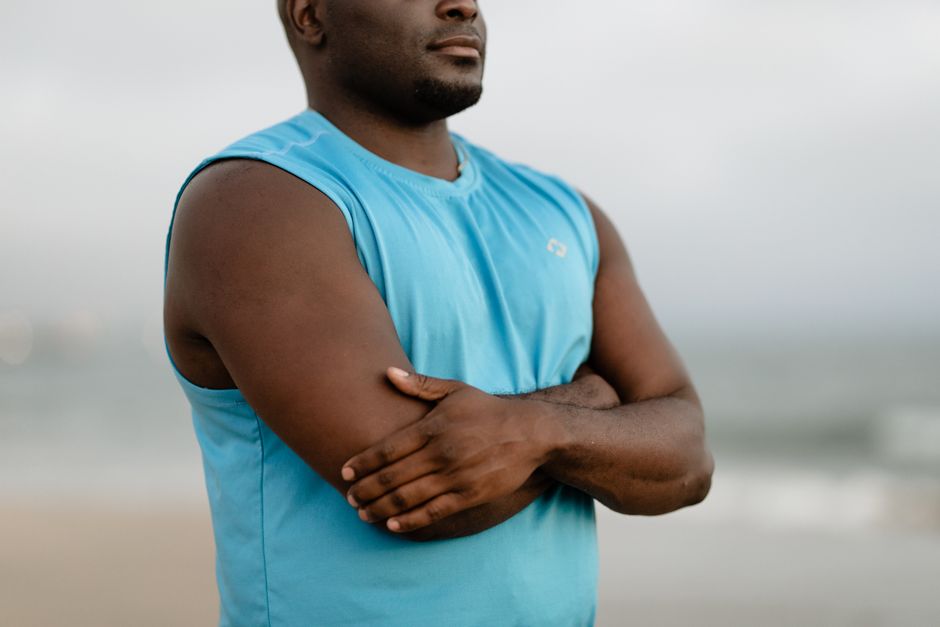
In this article, we’ll explore: Why Men Lose Weight Differently Than Women and why it matters today.
Related:
👉 Why the Uterus Matters: Understanding PCOS, Endometrial Receptivity, and New Scientific Breakthroughs
👉 Empowering Your Journey: A Realistic Guide to Women’s Health in a Busy World
👉 Why the "Soil" Matters: Understanding How PCOS Affects Pregnancy at a Cellular Level
Learn more: Why Men Lose Weight Differently Than Women on Wikipedia
Have you ever started a new diet and exercise plan with your partner, only to feel like throwing your salad across the room a week later? It’s a classic story: Mark cuts out soda and loses five pounds by Friday. Meanwhile, Sarah tracks every single calorie, hits the gym four times a week, and the scale hasn’t budged an inch.
If this sounds familiar, don’t worry—you aren’t crazy, and your body isn’t broken. There is a very real, biological reason why men lose weight differently than women. While the basic math of weight loss—calories in versus calories out—applies to everyone, the speed, the location, and the ease of that weight loss are dictated by a complex mix of hormones, muscle mass, and even evolutionary history.
In this post, we’re going to dive deep into the science of the “his vs. hers” weight loss battle. We’ll look at why men seem to have a metabolic head start and why women have to be a bit more strategic to see the same results.
1. The Muscle Advantage: The Metabolic Engine
If we think of our bodies like cars, men typically come off the assembly line with a bigger engine. That engine is muscle mass. Biologically speaking, men tend to have more lean muscle than women, largely thanks to higher levels of testosterone.
Muscle is “metabolically active” tissue. This means that even when a man is sitting on the couch watching a football game, his muscles are burning more calories than a woman’s fat tissue would be. This is known as the Basal Metabolic Rate (BMR). Because men usually have a higher BMR, they can often eat more food while still maintaining a caloric deficit.
The “Resting” Burn
Imagine two people standing still. The man might be burning 70 calories an hour just by existing, while the woman might be burning 50. Over a 24-hour period, that’s a massive difference. This is a primary reason why men lose weight differently than women—they start with a faster “idle” speed.
2. The Hormone Factor: Testosterone vs. Estrogen
Hormones are the chemical messengers that tell our bodies what to do with the food we eat. Men and women are playing with two very different sets of instructions.
The Power of Testosterone
Testosterone is a powerhouse for weight loss. It helps build muscle and discourages the storage of body fat. Since men have about ten times more testosterone than women, their bodies are naturally primed to stay leaner. When a man starts lifting weights, his testosterone levels help him see muscle definition quickly, which further boosts his metabolism.
The Complexity of Estrogen
Women, on the other hand, have estrogen. While estrogen is vital for reproductive health, it also likes to hold onto fat. Evolutionarily, women’s bodies are designed to store energy (fat) to support pregnancy and breastfeeding. This makes the female body much more “efficient” at storing calories, which is great for survival in the wild, but frustrating when you’re trying to fit into your favorite jeans.
Additionally, women face monthly hormonal fluctuations. During certain parts of the menstrual cycle, cravings for sugar and carbs skyrocket, and water retention can make it look like you’ve gained weight even when you haven’t. This creates a “two steps forward, one step back” feeling that men rarely have to deal with.
3. Where the Fat Lives: Apples vs. Pears
It’s not just about how much weight is lost, but where it comes from. Men and women store fat in different “lockers,” and some lockers are easier to open than others.
- Men (The Apples): Men tend to store fat in the abdominal area. This is known as visceral fat. While this type of fat is more dangerous for health (it surrounds internal organs), it is actually more “metabolically unstable.” This means it’s the first to go when a man starts exercising.
- Women (The Pears): Women typically store fat in the hips, thighs, and buttocks. This is subcutaneous fat. While it is healthier than belly fat, it is much more stubborn. The body views this fat as an emergency reserve for childbearing, so it clings to it with everything it has.
This explains why a man might see his waistline shrink in just two weeks, while a woman might lose weight in her face or chest first, leaving her “trouble spots” untouched for months.
4. The Psychology of Cravings
There is also a psychological component to why men lose weight differently than women. Studies have shown that men and women react differently to food cues and stress.
Women are statistically more likely to engage in “emotional eating.” When stress levels rise, the hormone cortisol spikes. In women, this often leads to a craving for “comfort foods”—high-fat, high-sugar snacks. Men, while they certainly enjoy a burger, often have a more “functional” relationship with food. They are more likely to see food as fuel for a specific goal, whereas women may use it as a coping mechanism for a hectic lifestyle.
Real-World Example: Sarah and Mark’s Kitchen
Let’s look at a real-world scenario. Sarah and Mark both decide to lose 20 pounds.
Mark decides he’s going to stop eating pizza and start walking the dog every night. Within three weeks, his pants are loose. He feels great and stays motivated.
Sarah joins a boutique fitness class, tracks every gram of protein, and cuts out all sweets. After three weeks, she’s lost two pounds, but she’s also had a stressful week at work and a hormonal shift. She feels exhausted and discouraged because her progress doesn’t match her effort. This “effort-to-results” gap is one of the hardest parts of weight loss for women.
5. The “Tortoise and the Hare” Effect
If there is a silver lining for women, it’s this: while men are the “hares” (starting fast and losing weight quickly), women are often the “tortoises.”
Research suggests that while men lose weight faster in the first few months of a diet, the gap often narrows after six months to a year. Once a woman’s body adjusts to a new routine and moves past the initial metabolic resistance, her weight loss becomes more consistent. Men often hit a “plateau” sooner because they lose their easiest-to-burn fat first, whereas women’s slower, steadier progress can be more sustainable in the long run.
How to Win Regardless of Your Gender
Knowing why men lose weight differently than women shouldn’t be a reason to give up. It should be a reason to change your strategy.
Advice for Women:
- Focus on Strength Training: Since muscle is the secret weapon, women should lift weights. Building lean muscle is the best way to “hack” a slower metabolism.
- Patience is Key: Don’t compare your Week 2 to a man’s Week 2. Look at your progress over months, not days.
- Watch the Cycle: Be kind to yourself during your period. If the scale goes up two pounds overnight, it’s likely water, not fat.
Advice for Men:
- Don’t Get Complacent: Just because the weight comes off fast doesn’t mean it will stay off. Focus on building habits that last.
- Watch the Belly: Since men store fat around the organs, even a “small” gut can be a health risk. Don’t ignore it.
Key Takeaways
- Metabolism: Men have more muscle mass, which burns more calories at rest.
- Hormones: Testosterone helps men burn fat, while estrogen encourages women to store it for biological reasons.
- Fat Distribution: Men lose belly fat quickly, while women’s hip and thigh fat is more stubborn.
- Long-term Outlook: Men start faster, but women often catch up over a longer period of time.
Frequently Asked Questions (FAQ)
Does keto work better for men than women?
Many men see rapid results on keto because they have more visceral fat to lose. Women can also succeed on keto, but they may need to be more careful about how high fat intake affects their hormones and thyroid function.
Can women ever lose weight as fast as men?
Generally, in a head-to-head race with the same caloric deficit, a man will lose weight faster due to BMR. However, a woman who focuses heavily on building muscle through heavy lifting can significantly close that gap.
Why do men lose weight in their stomach first?
Belly fat (visceral fat) is very responsive to adrenaline and exercise. Since men store most of their fat there, it’s the first place the body “grabs” energy from when it needs it.
Is weight loss harder for women after menopause?
Yes. When estrogen levels drop during menopause, women often begin to store fat more like men (in the belly area) and their metabolism slows down further, making strength training even more important during this stage of life.
Conclusion
At the end of the day, weight loss is a personal journey. While the science explains why men lose weight differently than women, it doesn’t mean that success is impossible for either side. By understanding your biological blueprint, you can stop fighting against your body and start working with it. Men, enjoy your fast start. Women, embrace your steady endurance. Both paths lead to a healthier you!
Written with love and assistance and refined for quality.
🔗 Related: Health Rounds: Glucosamine used for joint…
🔗 Related: Estrogen levels in both the male…
🔗 Related: Research Shows This Supplement Can Help…