In this article, we’ll explore: 8 Foods To Avoid With an Upset Stomachand What To Eat Instead and why it matters today.
Related:
👉 Why Trauma Hits Women Differently: Decoding the Hormonal Mechanisms of Risk
👉 The Secret Language of Your Uterus: How PCOS Affects Endometrial Receptivity, ER, and Histone Lactylation
👉 8 Foods To Avoid With an Upset Stomach and What To Eat Instead for Soothing Relief
Recommended product: 8 Foods To Avoid With an Upset Stomachand What To Eat Instead on Clickbank
Learn more: 8 Foods To Avoid With an Upset Stomachand What To Eat Instead on Google Search
You know the feeling, right? That sudden, unwelcome rumble, the twist, the gnawing discomfort that signals an upset stomach has decided to crash your day. It’s not just annoying; it can throw your whole routine off kilter. And in those moments, the last thing you want to do is make things worse. You stand in front of the fridge, eyes scanning, wondering: ‘What on earth can I eat that won’t send my tummy into another spiral?’ Or, perhaps more importantly, ‘What absolutely should I avoid?’
Well, you’ve come to the right place. As someone who’s navigated their fair share of digestive woes (and helped countless others do the same), I understand the confusion and frustration. Our gut is a sensitive ecosystem, and when it’s feeling grumpy, it needs gentle care. Feeding it the wrong thing can be like pouring gasoline on a small fire.
That’s why today, we’re diving deep into the trenches of tummy troubles. We’re going to uncover 8 foods to avoid with an upset stomach and what to eat instead to help you soothe your system, reduce discomfort, and get back to feeling like yourself again. Think of this as your personal roadmap to digestive peace. Let’s get started, because nobody deserves to suffer in silence (or with a rumbling tummy)!
The “No-Go” List: 8 Foods to Avoid When Your Stomach is Upset
When your digestive system is already in distress, certain foods act like a bully, making things much worse. Here are the top culprits to steer clear of:
1. Spicy Foods: The Fiery Foe
Oh, the allure of a zesty curry or a fiery salsa! But when your stomach is already doing acrobatics, introducing capsaicin (the compound that gives chili peppers their heat) is like adding insult to injury. Spicy foods can irritate the lining of your esophagus and stomach, leading to heartburn, acid reflux, and even exacerbating diarrhea. Remember that time you thought a little hot sauce would “clear things out” only to find your stomach protesting even louder? Yeah, let’s not repeat that.
- Why avoid: Irritates stomach lining, increases acid production, can cause burning sensations and reflux.
- What to eat instead: Stick to bland, gently cooked foods. Think plain boiled chicken, steamed fish, or simple white rice. These are easy on the stomach and provide gentle nourishment.
2. Fatty and Fried Foods: The Heavy Hitters
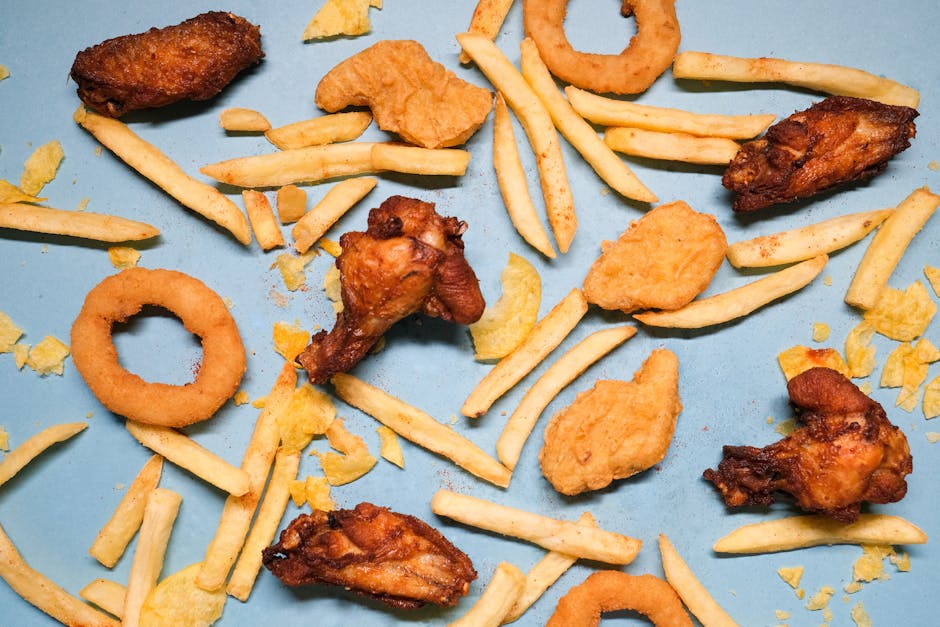
That greasy burger, those crispy fries, a rich creamy sauce – they might taste heavenly on a normal day, but they are a nightmare for an upset stomach. High-fat foods are notoriously difficult and slow to digest. They sit in your stomach longer, triggering increased stomach acid production and potentially causing nausea, bloating, and even diarrhea. Imagine your stomach is trying to run a marathon, and you’re handing it a backpack full of bricks. Not helpful!
- Why avoid: Slows digestion, triggers excess stomach acid, can cause nausea, bloating, and diarrhea.
- What to eat instead: Opt for lean proteins like baked chicken breast (skin removed), baked or boiled potatoes, and steamed vegetables (non-cruciferous, see point 8). These offer nutrients without the digestive burden.
3. Dairy Products (Especially if Lactose Sensitive): The Gassy Culprit
Milk, cheese, ice cream – for many, these are comfort foods. But if you’re lactose intolerant (even mildly, which can become more pronounced when your gut is already inflamed), dairy can be a major agitator. Lactose, the sugar in milk, requires an enzyme called lactase to break it down. When your stomach is upset, your body might not be producing enough lactase, leading to gas, bloating, cramps, and diarrhea. It’s like trying to digest a rock when your stomach is already feeling fragile.
- Why avoid: Lactose can be difficult to digest, leading to gas, bloating, cramps, and diarrhea for those with sensitivity.
- What to eat instead: Lactose-free milk alternatives (like almond or oat milk), or small amounts of plain, probiotic-rich yogurt (if tolerated and not severely ill). If you must have dairy, hard cheeses often have less lactose.
4. Acidic Foods (Citrus Fruits & Tomatoes): The Sour Surprise
Oranges, grapefruits, lemons, limes, and tomatoes are packed with vitamins and usually great for you. However, their high acidity can be a real problem when your stomach lining is already irritated or inflamed. They can exacerbate heartburn, acid reflux, and general stomach discomfort. Picture trying to pour lemon juice on a cut – not pleasant, right? The same principle applies to your sensitive stomach lining. That “healthy” glass of orange juice might just backfire.
- Why avoid: High acidity can irritate the stomach lining, worsen acid reflux and heartburn.
- What to eat instead: Reach for low-acid fruits like bananas, melon, or applesauce. Plain oatmeal or rice porridge can also be very soothing.
5. Caffeinated Beverages: The Stimulant Shock
For many, that morning cup of coffee is non-negotiable. But when your stomach is upset, caffeine can be your worst enemy. It acts as a stimulant, which means it can increase bowel movements and stomach acid production. This can lead to more cramping, diarrhea, and general GI discomfort. That morning coffee, which usually gives you a boost, might just send your stomach into an even bigger spin.
- Why avoid: Stimulates the digestive tract, increases stomach acid, can lead to increased bowel movements and dehydration.
- What to eat instead: Warm herbal teas like ginger (known for its anti-nausea properties), peppermint (can calm stomach muscles), or chamomile (soothing). Water is always your best friend for hydration.
6. Carbonated Drinks: The Bubble Trouble
A cold soda might seem refreshing, but those fizzy bubbles are actually just gas waiting to be trapped in your digestive system. Drinking carbonated beverages introduces excess air into your stomach, leading to bloating, burping, and increased pressure and discomfort. It’s like inflating a small balloon inside your already sensitive stomach. Diet sodas are often worse, as artificial sweeteners can also cause digestive distress.
- Why avoid: Introduce gas into the digestive system, causing bloating, burping, and increased discomfort.
- What to eat instead: Plain, still water is paramount. Clear broths, diluted fruit juices (non-acidic ones like apple or pear), or unsweetened herbal teas are also good choices.
7. Alcohol: The Irritant & Dehydrator
If you’re feeling under the weather with an upset stomach, alcohol is perhaps the most obvious thing to avoid, yet sometimes people wonder if a “hair of the dog” might help. Absolutely not! Alcohol is a direct irritant to the stomach lining and can increase stomach acid. It also acts as a diuretic, leading to dehydration, which can worsen nausea and overall malaise. Your body is already working hard to heal; don’t give it more toxins to process.
- Why avoid: Irritates stomach lining, increases stomach acid, causes inflammation, and leads to dehydration.
- What to eat instead: Water, electrolyte-rich drinks (like diluted sports drinks or oral rehydration solutions), and soothing herbal teas.
8. High-Fiber & Gassy Foods (e.g., Beans, Lentils, Cruciferous Vegetables): The Overload
Normally, we sing the praises of high-fiber foods like beans, lentils, broccoli, cabbage, and whole grains. They’re fantastic for digestive health! But when your stomach is upset, these can be too much of a good thing. They require more effort to digest and can produce a lot of gas as they break down in your intestines, leading to bloating, cramps, and discomfort. Trying to process a hearty bean chili when your stomach is already protesting is a recipe for more pain.
- Why avoid: Difficult to digest when the stomach is sensitive, can lead to excessive gas, bloating, and cramps.
- What to eat instead: Opt for easily digestible, cooked, low-fiber options. Think peeled potatoes, cooked carrots, white rice, or simple applesauce. As you recover, you can slowly reintroduce softer, cooked vegetables.
Key Takeaways for a Happy Tummy
Navigating an upset stomach can be tricky, but armed with the right knowledge, you can make choices that aid recovery rather than hinder it. Here’s a quick recap:
- Listen to Your Body: Pay attention to what works and what doesn’t. Everyone is a little different.
- Bland is Best: When in doubt, choose simple, unseasoned, and easy-to-digest foods.
- Stay Hydrated: Water, herbal teas, and clear broths are crucial for recovery and preventing dehydration.
- Introduce Foods Slowly: As you start to feel better, gradually reintroduce a wider variety of foods. Don’t jump straight back into your usual diet.
- Prioritize Rest: Your body needs energy to heal, so give it the rest it deserves.
Frequently Asked Questions About Upset Stomachs
Q: Is the BRAT diet (Bananas, Rice, Applesauce, Toast) still recommended for an upset stomach?
A: Yes, the BRAT diet can be a good starting point for very acute stomach upset. These foods are bland, low in fiber, and easy to digest. However, it’s not a complete diet and should only be used for a short period (1-2 days) as it lacks essential nutrients. Once you feel a bit better, gradually introduce other bland foods like plain chicken or cooked vegetables.
Q: Is ginger really good for an upset stomach?
A: Absolutely! Ginger is a natural anti-inflammatory and has been used for centuries to relieve nausea and indigestion. You can try ginger tea (made from fresh ginger root) or ginger chews. Just make sure it’s natural ginger, not ginger ale loaded with sugar and artificial ingredients.
Q: How long should I avoid these “no-go” foods?
A: Generally, you should avoid them until your symptoms have completely resolved and for a day or two after. Then, slowly reintroduce them one by one to see how your body reacts. If a food consistently causes distress, it might be something you need to limit long-term.
Q: When should I see a doctor for an upset stomach?
A: While most upset stomachs resolve on their own, it’s important to seek medical attention if you experience severe abdominal pain, high fever, persistent vomiting (especially if you can’t keep liquids down), signs of dehydration (like decreased urination, dizziness), blood in your stool or vomit, or if symptoms persist for more than a few days. Always err on the side of caution when it comes to your health.
Remember, an upset stomach is your body’s way of telling you it needs a little extra TLC. By making smart food choices, you can help it heal and get back to feeling your best. Here’s to a happier, healthier gut!
Written with love and assistance and refined for quality.
{“@context”:”https://schema.org”,”@type”:”Article”,”headline”:”Stomach Ache SOS: Your Guide to 8 Foods To Avoid With an Upset Stomach and What To Eat Instead for Quick Relief”,”description”:”In this article, weu2019ll explore: 8 Foods To Avoid With an Upset Stomachand What To Eat Instead and why it…”,”author”:{“@type”:”Person”,”name”:”rahuljait”},”datePublished”:”2026-05-15T12:36:15+00:00″,”dateModified”:”2026-05-15T12:36:15+00:00″,”mainEntityOfPage”:”https://healthyworldz.com/stomach-ache-sos-your-guide-to-8-foods-to-avoid-with-an-upset-stomach-and-what-to-eat-instead-for-quick-relief/”,”image”:[“https://healthyworldz.com/wp-content/uploads/2026/05/8-foods-to-avoid-with-an-upset-stomachand-what-to-eat-instead-54.jpg”]}
🔗 Related: Women with polycystic ovary syndrome exhibit…
🔗 Related: Hormonal mechanisms of womens risk in…
🔗 Related: Hormonal mechanisms of womens risk in…