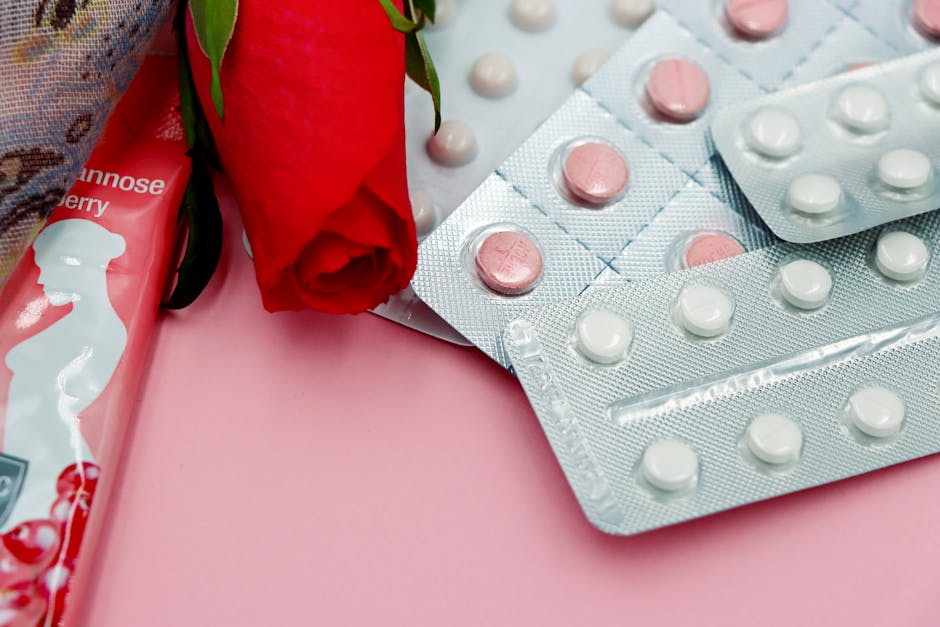
In this article, we’ll explore: Hormonal mechanisms of womens risk in the face of traumatic stress and why it matters today.
Related:
👉 The Hidden Wiring: How Hormones Shape Women's Vulnerability to Traumatic Stress
👉 Unlocking the Mystery: How PCOS Affects Your Uterus & Why It Matters for Fertility
👉 Stomach Ache SOS: Your Guide to 8 Foods To Avoid With an Upset Stomach and What To Eat Instead for Quick Relief
Recommended product: Hormonal mechanisms of womens risk in the face of traumatic stress on Clickbank
Learn more: Hormonal mechanisms of womens risk in the face of traumatic stress on Investopedia
Life throws curveballs at all of us. Sometimes, those curveballs aren’t just difficult; they’re truly traumatic. A car accident, a natural disaster, a significant loss, or an experience of violence can leave lasting scars, not just on our minds, but deep within our biology. While both men and women experience trauma, research increasingly shows that women are disproportionately affected by conditions like Post-Traumatic Stress Disorder (PTSD) and certain anxiety disorders after a traumatic event. It’s a sobering statistic that often leaves us wondering, “Why?”
The answer, it turns out, is incredibly complex, touching on everything from societal roles to individual coping mechanisms. But a significant, often overlooked piece of this puzzle lies within our very own internal chemistry: our hormones. Understanding the **hormonal mechanisms of women’s risk in the face of traumatic stress** isn’t about labeling women as “weaker” or more “fragile.” Instead, it’s about empowering us with knowledge, recognizing the unique biological landscape women navigate, and paving the way for more tailored, effective support.
Let’s dive into the fascinating, intricate world of hormones and how they shape a woman’s journey through and beyond trauma.
The Gendered Landscape of Trauma Response
If you look at the statistics, women are twice as likely as men to develop PTSD after experiencing trauma. They also tend to experience more severe symptoms, a longer duration of the disorder, and a higher likelihood of co-occurring conditions like depression and anxiety. This isn’t just a coincidence; it points to fundamental differences in how our bodies and brains process extreme stress.
For a long time, the focus was primarily on psychological and social factors. While these are undoubtedly crucial, a growing body of scientific evidence highlights the profound influence of sex hormones. These chemical messengers, primarily estrogen and progesterone, aren’t just responsible for reproduction; they play a starring role in regulating mood, memory, fear responses, and the entire stress system. When trauma strikes, these hormones can become both a protective shield and, paradoxically, a vulnerability.
Estrogen and Progesterone: The Double-Edged Sword
Think of estrogen and progesterone as the conductors of a complex orchestra within a woman’s body. Their fluctuating levels throughout the menstrual cycle, pregnancy, and menopause can dramatically alter how the brain perceives and reacts to stress.
Estrogen: More Than Just a ‘Female’ Hormone
Estrogen, often associated with femininity, is a powerful neurosteroid. It influences various brain regions critical for stress response, including:
- The Amygdala: Our brain’s “fear center.” Estrogen can enhance the amygdala’s activity, potentially making women more reactive to perceived threats.
- The Hippocampus: Crucial for memory formation and emotional regulation. Estrogen can influence how traumatic memories are encoded and retrieved.
- The Prefrontal Cortex: The “executive control center” responsible for decision-making, impulse control, and dampening fear responses. Estrogen can affect its ability to calm the amygdala.
The catch? Estrogen’s effects aren’t static. High levels, such as during the follicular phase of the menstrual cycle (before ovulation), might actually be protective for some aspects of stress, enhancing cognitive function and mood. However, sharp drops or consistently low levels, like those experienced during the luteal phase (after ovulation, before a period) or during menopause, can leave the brain more vulnerable. This is why many women report heightened anxiety or irritability during these phases, even without trauma. After a traumatic event, these hormonal dips can exacerbate symptoms, making it harder to cope.
Progesterone: The Unsung Hero (or Villain, Depending on Timing)
Progesterone is often seen as the calming counterpoint to estrogen, especially through its metabolite, allopregnanolone. Allopregnanolone is a powerful modulator of GABA receptors, which are essentially the “brakes” of the brain, promoting relaxation and reducing anxiety.
- Calming Influence: When progesterone levels are healthy, especially in the latter half of the menstrual cycle, allopregnanolone can help buffer stress and promote feelings of calm.
- The Vulnerability Window: However, just like with estrogen, a rapid *drop* in progesterone can be problematic. After ovulation, if pregnancy doesn’t occur, progesterone levels plummet. This sudden withdrawal can lead to a significant decrease in allopregnanolone, potentially increasing anxiety and making women more susceptible to the lingering effects of trauma.
Imagine this: Sarah experienced a terrifying car accident. In the weeks that followed, she noticed her anxiety and intrusive thoughts were particularly intense during the week before her period. While she initially blamed herself for not coping well, understanding the hormonal rollercoaster of estrogen and progesterone during that phase offered her a crucial piece of insight. Her body was naturally less equipped with its usual calming agents during that specific time, making her more susceptible to the trauma’s grip.
Cortisol’s Complicated Tango: The HPA Axis in Women
When we talk about stress, we can’t ignore cortisol, often dubbed the “stress hormone.” Cortisol is regulated by the Hypothalamic-Pituitary-Adrenal (HPA) axis, a complex communication system between your brain and adrenal glands. When you encounter a threat, your HPA axis kicks into gear, releasing cortisol to help you fight or flee.
In women, the HPA axis often dances to a different rhythm than in men:
- Heightened Reactivity: Women tend to have a more reactive HPA axis, meaning they might release more cortisol in response to stress.
- Prolonged Response: This heightened response can sometimes be prolonged, keeping the body in a state of high alert for longer periods after a traumatic event.
- Blunted Response (in chronic stress): Paradoxically, after chronic or repeated trauma, some women can develop a blunted cortisol response. This means their HPA axis becomes dysregulated, failing to produce enough cortisol when needed, which can contribute to symptoms like fatigue, emotional numbness, and difficulty recovering.
Estrogen plays a key role here too, influencing the sensitivity of the HPA axis to stress. It can affect the number of cortisol receptors in the brain, essentially changing how the brain “hears” the cortisol message. This intricate interplay means that the *same* traumatic event can trigger vastly different HPA axis responses in women compared to men, and even in women at different points in their hormonal cycles.
Oxytocin: The ‘Love Hormone’ and Its Trauma Twist
Oxytocin, often called the “love hormone,” plays a vital role in social bonding, trust, and empathy. While it’s typically associated with positive social interactions, its role in trauma is complex.
Women generally have higher levels of oxytocin and a stronger drive for social connection than men. In the face of trauma, social support can be an incredibly powerful buffer, and oxytocin facilitates this. However, trauma can also disrupt oxytocin pathways.
- Seeking Connection: After trauma, many women instinctively seek comfort and connection, which can be healing.
- Betrayal and Isolation: But if the trauma involved betrayal or led to social isolation, the very pathways that drive connection can become sources of distress. A woman whose trust was shattered might find it harder to engage with the healing power of oxytocin-driven social support.
The nuances of oxytocin’s interaction with the other stress hormones and the individual’s traumatic experience are still being actively researched, but it’s clear that this hormone adds another layer to the intricate picture of women’s trauma response.
It’s Not Just Hormones: A Holistic View
While the **hormonal mechanisms of women’s risk in the face of traumatic stress** are undeniably powerful, it’s crucial to remember that they are part of a larger, holistic picture. Hormones don’t operate in a vacuum. Other factors significantly influence a woman’s vulnerability and resilience:
- Genetics: Our individual genetic makeup can predispose us to certain stress responses.
- Previous Trauma: A history of prior trauma, especially during childhood, can alter brain development and hormonal regulation, increasing vulnerability.
- Societal Pressures: Gender roles, expectations, and experiences of discrimination can add layers of stress and impact coping resources.
- Social Support: The presence or absence of strong, healthy relationships is a major predictor of recovery.
- Coping Mechanisms: Individual strategies for dealing with stress, whether healthy or unhealthy, play a crucial role.
- Lifestyle Factors: Diet, exercise, sleep, and chronic stress levels all interact with hormonal balance.
Understanding the hormonal piece isn’t about reducing women to their biology; it’s about acknowledging a fundamental biological difference that requires specific consideration. It means moving away from a one-size-fits-all approach to trauma treatment and embracing a more personalized, gender-informed strategy.
Key Takeaways
- Women are disproportionately affected by PTSD and other stress-related conditions after trauma.
- Sex hormones like estrogen and progesterone play a significant role in modulating the brain’s response to stress and fear.
- Fluctuations in estrogen and progesterone throughout the menstrual cycle, pregnancy, and menopause can create periods of heightened vulnerability to traumatic stress.
- The HPA axis (cortisol system) in women often shows a different reactivity and regulation compared to men, influencing how stress is processed and recovered from.
- Oxytocin, the “love hormone,” impacts social bonding and can either buffer or exacerbate trauma effects depending on social context.
- Hormonal factors are part of a broader picture that includes genetics, social support, past trauma, and lifestyle.
- Recognizing these hormonal differences is key to developing more effective and tailored support for women experiencing traumatic stress.
Frequently Asked Questions
Does this mean women are “weaker” in the face of trauma?
Absolutely not. It means women’s bodies and brains are *different* in how they process and respond to stress, largely due to hormonal influences. Understanding these differences allows for more precise and effective support, not judgment. Women demonstrate incredible resilience, and this knowledge helps us harness that strength more effectively.
Can hormonal birth control affect a woman’s trauma response?
Potentially, yes. Hormonal birth control alters the natural fluctuations of estrogen and progesterone. While research is ongoing, some studies suggest that certain types of hormonal contraception might influence mood, anxiety levels, and even how the brain processes fear, which could impact trauma recovery. It’s a complex area, and individual responses vary greatly. If you have concerns, discuss them with your healthcare provider.
What can women do to mitigate these risks or support themselves?
Knowledge is power!
- Track your cycle: Understanding your own hormonal rhythms can help you anticipate periods of potential vulnerability.
- Prioritize self-care: Especially during hormonally sensitive times (e.g., pre-menstrual, perimenopause), focus on sleep, nutrition, and stress reduction.
- Seek tailored support: Look for therapists or healthcare providers who are trauma-informed and understand the role of hormones in mental health.
- Build strong support systems: Healthy social connections are crucial for buffering stress.
- Advocate for yourself: Don’t dismiss your symptoms. If you feel your hormones are impacting your emotional well-being after trauma, speak up to your doctor.
Is there hope for women struggling with trauma and hormonal challenges?
Absolutely! The more we understand these intricate connections, the better equipped we become to offer targeted interventions. From hormone-informed therapies to lifestyle adjustments and specialized trauma treatments, there are many paths to healing. Awareness is the first step towards empowerment and finding the right support for your unique biological and psychological needs.
In conclusion, the journey through and beyond traumatic stress is deeply personal, yet it’s also profoundly shaped by our biology. By shedding light on the **hormonal mechanisms of women’s risk in the face of traumatic stress**, we move closer to a future where support is not just available, but truly attuned to the unique blueprint of every individual. This understanding isn’t a limitation; it’s a powerful tool for compassion, resilience, and ultimately, healing.
Written with love and assistance and refined for quality.
{“@context”:”https://schema.org”,”@type”:”Article”,”headline”:”Unpacking the Hormonal Blueprint: How Women’s Bodies Respond to Traumatic Stress”,”description”:”In this article, weu2019ll explore: Hormonal mechanisms of womens risk in the face of traumatic stress and why it matters…”,”author”:{“@type”:”Person”,”name”:”Dr. Cuterus”},”datePublished”:”2026-05-15T15:36:32+00:00″,”dateModified”:”2026-05-15T15:36:32+00:00″,”mainEntityOfPage”:”https://healthyworldz.com/unpacking-the-hormonal-blueprint-how-womens-bodies-respond-to-traumatic-stress/”,”image”:[“https://healthyworldz.com/wp-content/uploads/2026/05/hormonal-mechanisms-of-womens-risk-in-the-face-of-traumatic-stress-127.jpg”]}
🔗 Related: Hormonal mechanisms of womens risk in…
🔗 Related: 8 Foods To Avoid With an…
🔗 Related: Hormonal mechanisms of womens risk in…