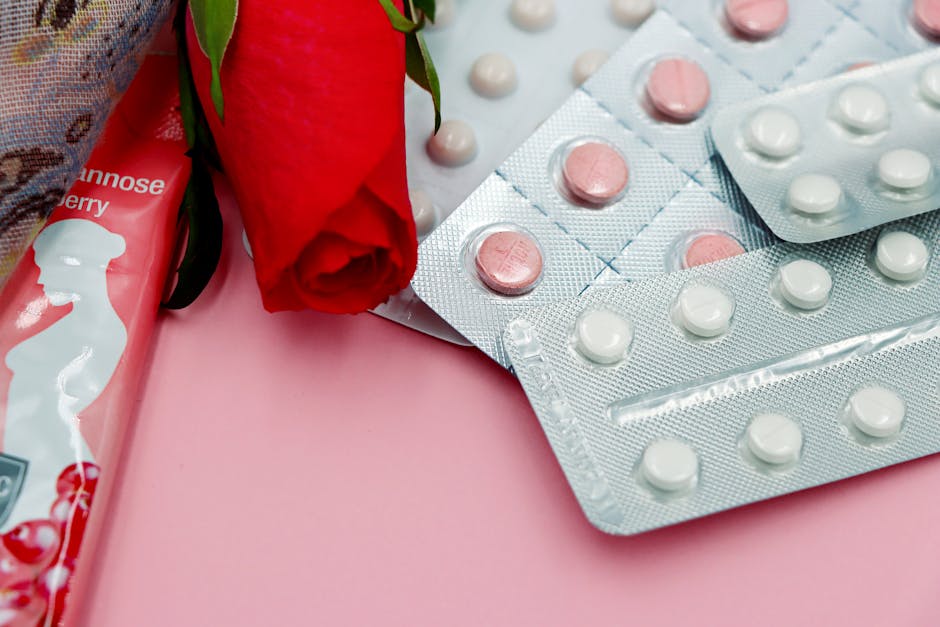
In this article, we’ll explore: Hormonal mechanisms of womens risk in the face of traumatic stress and why it matters today.
Related:
👉 Unpacking the Hormonal Blueprint: How Women's Bodies Respond to Traumatic Stress
👉 The Hidden Wiring: How Hormones Shape Women's Vulnerability to Traumatic Stress
👉 Unlocking the Mystery: How PCOS Affects Your Uterus & Why It Matters for Fertility
Recommended product: Hormonal mechanisms of womens risk in the face of traumatic stress on Clickbank
Learn more: Hormonal mechanisms of womens risk in the face of traumatic stress on Google Search
Life can throw us curveballs, some of them devastatingly hard. We all experience stress, loss, and difficult situations. But for some, these experiences cross a line into trauma, leaving deep, often invisible, scars. When we talk about traumatic stress – the kind that can lead to conditions like Post-Traumatic Stress Disorder (PTSD) – it’s crucial to understand that not everyone responds in the same way. And here’s where things get really interesting, especially for women.
Have you ever wondered why women are diagnosed with PTSD at roughly twice the rate of men, even when exposed to similar traumatic events? It’s a question that has puzzled researchers and clinicians for years. While societal factors, types of trauma experienced, and psychological responses certainly play a significant role, there’s a powerful, often overlooked, biological player in this equation: hormones.
Imagine your body as a finely tuned orchestra, and hormones are the conductors, dictating the rhythm, volume, and emotional tone of your internal world. For women, this orchestra has a unique, ever-changing score, deeply influenced by the ebb and flow of hormones like estrogen, progesterone, and cortisol. Understanding these **hormonal mechanisms of women’s risk in the face of traumatic stress** isn’t about saying women are “weaker” or “more emotional.” Instead, it’s about recognizing the intricate biological differences that shape how trauma impacts the female brain and body, offering a pathway to more tailored, effective support and healing.
This isn’t just academic; it’s deeply personal. It’s about understanding why some women might find themselves struggling more intensely after a traumatic event, or why their symptoms might fluctuate throughout their lives. Let’s pull back the curtain and explore this fascinating, vital connection.
The Unseen Scars: How Trauma Leaves Its Mark
First, let’s briefly touch on what we mean by traumatic stress. It’s more than just being upset or sad after a bad experience. Traumatic stress occurs when someone experiences or witnesses an event that involves actual or threatened death, serious injury, or sexual violence. The brain, in an attempt to protect itself, goes into overdrive, activating primal survival responses.
After the immediate danger passes, for many, the brain eventually recalibrates. But for those with traumatic stress, particularly PTSD, that alarm system stays stuck “on.” Symptoms can include:
- **Intrusive thoughts:** Flashbacks, nightmares, distressing memories.
- **Avoidance:** Steering clear of places, people, or activities that remind them of the trauma.
- **Negative changes in thinking and mood:** Feelings of detachment, difficulty experiencing positive emotions, negative beliefs about oneself or the world.
- **Changes in arousal and reactivity:** Being easily startled, always on guard, difficulty sleeping, irritability, angry outbursts.
These aren’t just “in your head.” They are real, physiological changes in the brain and body, and as we’ll see, hormones play a significant role in shaping these changes, particularly for women.
Why Women? Unpacking the Gender Disparity in Trauma Response
The statistics are stark: women are significantly more likely to develop PTSD than men. They also tend to experience more severe symptoms, a longer duration of illness, and a greater likelihood of co-occurring conditions like depression and anxiety. This isn’t due to a lack of resilience, but rather a complex interplay of factors, where biology takes center stage.
For a long time, the focus was primarily on social factors – women are unfortunately more often victims of interpersonal violence, which tends to be more traumatizing. While this is absolutely true and critical to acknowledge, it doesn’t fully explain the disparity. Even when men and women are exposed to the *same types* of trauma, women still show higher rates of PTSD. This points to something intrinsic, something biological, and that “something” often leads us back to hormones.
The Hormonal Symphony: Estrogen, Progesterone, and the Stress Response
Here’s where we dive into the fascinating world of our internal chemical messengers. Think of your brain and body as a highly interconnected network. Hormones act like messengers, carrying instructions to different parts of this network, influencing everything from mood and memory to how you respond to danger.
Estrogen: A Double-Edged Sword?
Estrogen, often associated with female reproductive health, is also a powerful neurosteroid. It plays a significant role in brain function, influencing mood, memory, and even the growth and survival of brain cells.
* **The “Good” Side:** Estrogen can actually be quite protective in some ways. It can enhance neuroplasticity (the brain’s ability to adapt and change), increase serotonin (a “feel-good” neurotransmitter), and even reduce inflammation. In certain contexts, higher estrogen levels might offer some resilience against stress.
* **The “Vulnerable” Side:** The tricky part about estrogen is its fluctuation. Unlike men, whose hormone levels are relatively stable, women experience significant changes in estrogen throughout their menstrual cycle, during pregnancy, postpartum, and menopause. When estrogen levels are low – for instance, during certain phases of the menstrual cycle (like the late luteal phase, just before a period), or after menopause – the brain might be left more vulnerable to the effects of stress. Imagine your brain’s resilience as a fortified castle. Estrogen can be like a strong wall, but when its levels drop, that wall might have cracks, making it easier for the “attack” of traumatic stress to cause damage. Some research suggests that exposure to trauma during periods of low estrogen might increase the risk of developing PTSD.
Progesterone and Allopregnanolone: The Calming Influence (and its Absence)
Progesterone is another key female hormone, and its metabolite, allopregnanolone, is a true superstar in the context of stress.
* **Your Brain’s Natural Chill Pill:** Allopregnanolone is a neurosteroid that acts on GABA-A receptors in the brain, essentially mimicking the effects of anti-anxiety medications like benzodiazepines. It has powerful calming, anti-anxiety, and even anti-depressant effects. Think of allopregnanolone as your brain’s natural chill pill, helping to dampen the overactive stress response.
* **When the Chill Pill is Missing:** Like estrogen, progesterone levels fluctuate wildly in women. They surge after ovulation and drop sharply before menstruation. They also rise dramatically during pregnancy and then plummet postpartum. When progesterone and, consequently, allopregnanolone levels are low, this natural calming influence is diminished. This can leave the brain more susceptible to anxiety, hypervigilance, and an exaggerated startle response – all hallmarks of traumatic stress. This is one of the key **hormonal mechanisms of women’s risk in the face of traumatic stress**, explaining why symptoms might worsen pre-menstrually or postpartum.
Cortisol and the HPA Axis: The Universal Stress Responders, with a Twist
The Hypothalamic-Pituitary-Adrenal (HPA) axis is our body’s central stress response system. When we encounter a threat, the HPA axis kicks into gear, releasing cortisol, often called the “stress hormone.” Cortisol helps us respond to danger by increasing heart rate, blood pressure, and energy levels – the classic “fight or flight” response.
While both men and women have an HPA axis, there appear to be sex-specific differences in its regulation and sensitivity, especially after trauma.
* **A More Reactive System?** Some studies suggest that women’s HPA axis might be more sensitive or reactive to stress, particularly in the aftermath of trauma. This could mean a prolonged or dysregulated cortisol response, which can be detrimental over time. Chronic, elevated cortisol can damage brain regions involved in memory and emotion regulation, potentially exacerbating PTSD symptoms.
* **The “Tend and Befriend” Factor:** While men often exhibit a “fight or flight” response, women often lean towards “tend and befriend,” a response characterized by nurturing others and seeking social support. This difference is partly mediated by oxytocin, another hormone. While “tend and befriend” is adaptive in many ways, the underlying stress response, including cortisol, is still active and can become dysregulated.
Real-World Impacts: When Hormones and Trauma Collide
Understanding these hormonal mechanisms isn’t just theory; it has profound implications for how women experience and recover from trauma at different stages of their lives.
The Menstrual Cycle: A Monthly Rollercoaster of Vulnerability
For many women, the menstrual cycle isn’t just about periods; it’s a monthly hormonal journey that can significantly influence mood and stress resilience.
* **Pre-Menstrual Worsening:** Have you ever noticed that anxiety or irritability can spike in the days leading up to your period? This is often due to the sharp drop in progesterone and estrogen. For women with a history of trauma, this drop can lead to a significant worsening of PTSD symptoms, including increased flashbacks, heightened anxiety, and difficulty sleeping. The brain’s natural “chill pill” (allopregnanolone) is at its lowest, leaving it more exposed.
Pregnancy and Postpartum: A Unique Hormonal Landscape
Pregnancy brings about massive hormonal shifts, with progesterone and estrogen levels soaring. While these hormones can have some protective effects during pregnancy, the dramatic drop immediately postpartum is a critical window of vulnerability.
* **Postpartum Vulnerability:** The sudden, steep decline in estrogen and progesterone after childbirth can trigger or worsen symptoms of depression, anxiety, and PTSD. If a woman has a history of trauma (e.g., childhood abuse, previous traumatic birth), the postpartum period can be incredibly challenging, as the brain loses its hormonal buffers, making it harder to cope with stress and process memories. Postpartum PTSD, often linked to traumatic birth experiences, is a significant concern, and hormonal shifts are undoubtedly a contributing factor.
Menopause: Another Transition, New Challenges
As women enter perimenopause and menopause, estrogen levels steadily decline. This transition can bring about a host of physical and emotional changes, including hot flashes, sleep disturbances, mood swings, and increased anxiety.
* **Reactivation of Trauma Symptoms:** The decrease in estrogen can reduce the brain’s resilience and its ability to regulate mood and stress. For some women, this can lead to a re-emergence or worsening of past trauma symptoms that might have been dormant for years. It’s as if the protective hormonal shield they once had is gradually fading, leaving them more exposed to old wounds.
Beyond Biology: The Interplay of Hormones, Psychology, and Society
While we’ve focused heavily on the **hormonal mechanisms of women’s risk in the face of traumatic stress**, it’s vital to remember that biology is never the *only* story. Our experiences are shaped by a complex web of factors:
* **Psychological Factors:** Individual coping styles, resilience, and pre-existing mental health conditions.
* **Social Factors:** Access to support systems, socioeconomic status, and cultural expectations.
* **Type of Trauma:** Interpersonal trauma (e.g., sexual assault, domestic violence) tends to be more complex and harder to process than single-incident traumas.
* **Genetics:** Our individual genetic makeup can influence how our hormones are produced and how our brains respond to stress.
Hormones don’t operate in a vacuum; they interact with all these elements, creating a unique tapestry for each woman’s experience of trauma.
Key Takeaways
- Women are disproportionately affected by traumatic stress and PTSD compared to men.
- Hormonal fluctuations, particularly of estrogen and progesterone, play a significant role in shaping women’s vulnerability and response to trauma.
- Low estrogen states (e.g., pre-menstrually, post-menopause) may reduce brain resilience and increase susceptibility to trauma symptoms.
- The absence of progesterone’s calming metabolite, allopregnanolone, can leave the brain more prone to anxiety and hypervigilance, especially during pre-menstrual and postpartum periods.
- The HPA axis, responsible for the stress response, may show sex-specific differences in its regulation after trauma.
- Understanding these hormonal influences is crucial for developing more personalized and effective treatments for women experiencing traumatic stress.
FAQ Section
Q1: Does this mean women are “weaker” or less capable of handling trauma?
Absolutely not. It means women’s bodies and brains are biologically different, and these differences can influence how trauma is processed and experienced. It highlights unique vulnerabilities, but also unique strengths. Recognizing these differences allows for more targeted support, not judgment.
Q2: Can men also experience hormonal influences on trauma response?
Yes, men have hormones too (like testosterone and cortisol), and their fluctuations can also influence stress response and mental health. However, the cyclical and dramatic fluctuations of estrogen and progesterone in women present a unique and complex set of challenges not typically seen in men.
Q3: What can be done if I suspect my hormones are impacting my trauma symptoms?
Awareness is the first step! If you notice patterns in your symptoms related to your menstrual cycle, pregnancy, or menopause, discuss them with a healthcare professional. This could include your primary care doctor, a gynecologist, an endocrinologist, or a mental health specialist. They might suggest tracking your cycle, hormone testing, or exploring treatments that consider your hormonal profile, alongside traditional trauma therapies.
Q4: Are there specific treatments that target these hormonal mechanisms?
Research is ongoing! Some studies are exploring hormone-based interventions, such as specific types of hormonal birth control, progesterone supplementation, or even novel neurosteroids, to help regulate the stress response in women with PTSD. However, these are often experimental or require careful medical supervision. Lifestyle interventions like stress management, diet, exercise, and good sleep hygiene also play a huge role in supporting overall hormonal balance and resilience.
Moving Forward with Understanding and Hope
The journey through traumatic stress is incredibly challenging, but understanding the intricate **hormonal mechanisms of women’s risk in the face of traumatic stress** offers a powerful new lens through which to view healing. It moves us beyond a one-size-fits-all approach and towards a more nuanced, personalized understanding of women’s mental health.
By acknowledging the profound interplay between our hormones, our brains, and our experiences, we can empower women to seek help that truly addresses their unique biological landscape. It’s a call for greater awareness, more research, and ultimately, more compassionate and effective care. If you or someone you know is struggling, remember that understanding is the first step toward finding your path to resilience and recovery. You are not alone, and there is hope for healing.
Written with love and assistance and refined for quality.
{“@context”:”https://schema.org”,”@type”:”Article”,”headline”:”Unpacking the Hormonal Mechanisms of Women’s Risk in the Face of Traumatic Stress”,”description”:”In this article, weu2019ll explore: Hormonal mechanisms of womens risk in the face of traumatic stress and why it matters…”,”author”:{“@type”:”Person”,”name”:”Dr. Cuterus”},”datePublished”:”2026-05-15T16:36:08+00:00″,”dateModified”:”2026-05-15T16:36:08+00:00″,”mainEntityOfPage”:”https://healthyworldz.com/unpacking-the-hormonal-mechanisms-of-womens-risk-in-the-face-of-traumatic-stress/”,”image”:[“https://healthyworldz.com/wp-content/uploads/2026/05/hormonal-mechanisms-of-womens-risk-in-the-face-of-traumatic-stress-128.jpg”]}
🔗 Related: 8 Foods To Avoid With an…
🔗 Related: Hormonal mechanisms of womens risk in…
🔗 Related: 8 Foods To Avoid With an…