In this article, we’ll explore: 8 Foods To Avoid With an Upset Stomachand What To Eat Instead and why it matters today.
Related:
👉 Unpacking the Invisible Blueprint: How Hormones Shape Women's Risk After Traumatic Stress
👉 Unraveling the Estrogen Effect: Exploring the Hormonal Mechanisms of Women's Risk in the Face of Traumatic Stress
👉 Understanding the Invisible Orchestra: Hormonal Mechanisms of Women's Risk in the Face of Traumatic Stress
Learn more: 8 Foods To Avoid With an Upset Stomachand What To Eat Instead on Investopedia
We’ve all been there. That familiar gurgle, the sudden cramp, the general feeling of ‘oh no, not again.’ An upset stomach isn’t just uncomfortable; it can throw your entire day (or night!) into disarray. You might find yourself curled up on the couch, wondering what on earth you ate, or what you can eat that won’t make things worse. It’s a miserable experience, and when your tummy is protesting, the last thing you want to do is fuel the fire with the wrong foods.
The good news? Making smart food choices can make a world of difference in soothing your digestive distress and getting you back on your feet faster. When your gut is feeling grumpy, it’s essentially asking for a break – a gentle, easy-to-digest approach to nutrition. So, if you’re wondering what to steer clear of and what to embrace when your gut is feeling grumpy, you’ve come to the right place. We’re diving deep into the 8 Foods To Avoid With an Upset Stomach and What To Eat Instead, offering practical, comforting advice to help you feel better, sooner.
Why Food Choices Matter When Your Stomach Is Upset
Think of your stomach when it’s upset as a delicate, irritated organ. It’s working overtime, possibly inflamed, and generally not happy. Introducing foods that are difficult to digest, highly acidic, or inflammatory can be like rubbing salt in a wound. Conversely, choosing bland, easy-to-process foods gives your digestive system a chance to rest, recover, and heal. It’s all about reducing the workload and avoiding further irritation.
The 8 Foods To Avoid With an Upset Stomach (And What to Choose Instead)
1. Spicy Foods
That fiery kick might be delicious on a normal day, but when your stomach is already sensitive, it’s a recipe for disaster. Ingredients like chili peppers, hot sauce, and strong spices contain compounds (like capsaicin) that can irritate the stomach lining, leading to increased acidity, heartburn, and even more pain. Remember that fiery vindaloo you had last week? Delicious at the time, but if your stomach is already sensitive, it’s like pouring gasoline on a tiny flame.
What to Eat Instead: Mild Herbs and Spices
Opt for gentle flavors. Freshly grated ginger (fantastic in a warm tea!), a pinch of turmeric, or a touch of sea salt can add flavor without the burn. Ginger, in particular, is a natural anti-inflammatory and anti-nausea remedy, making it a soothing choice.
2. Fatty and Fried Foods
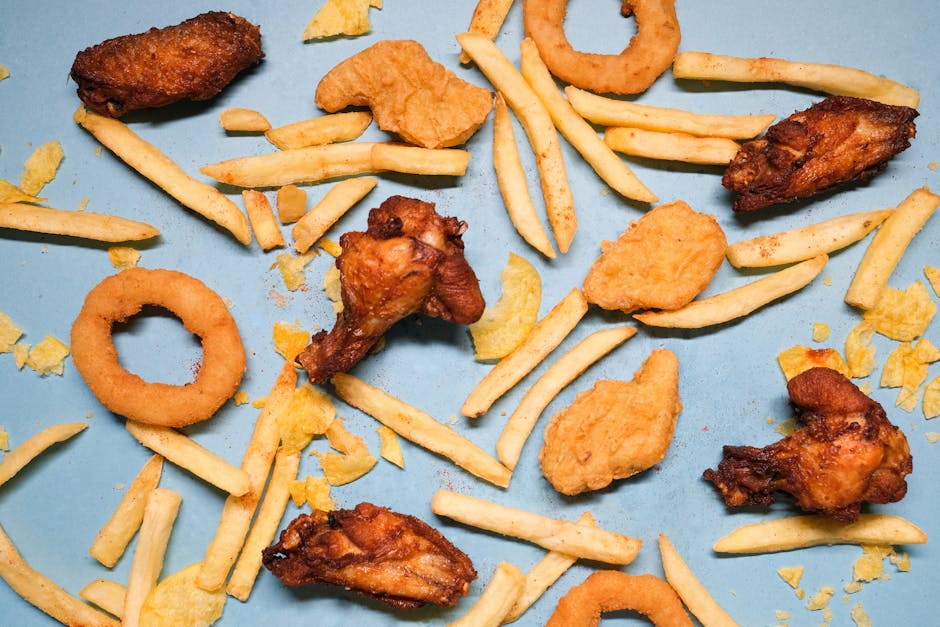
Oh, the allure of crispy French fries or a greasy burger! While tempting, these foods are incredibly difficult for an upset stomach to process. High fat content slows down gastric emptying, meaning food sits in your stomach for longer, leading to bloating, nausea, and indigestion. Your digestive system has to work overtime to break down all that oil and fat, which is the last thing it needs when it’s already struggling.
What to Eat Instead: Steamed or Baked Lean Proteins and Simple Carbs
Think plain, baked chicken breast, steamed fish, or a boiled potato. These provide essential nutrients and energy without burdening your digestive system. A piece of plain toast or some white rice are also excellent, easy-to-digest options.
3. Dairy Products (Especially for Lactose Intolerance)
For many, dairy products like milk, cheese, and ice cream can be problematic even on a good day due to lactose intolerance. When your stomach is upset, even a mild sensitivity can become a major issue, leading to gas, bloating, cramps, and diarrhea. Even if you’re not lactose intolerant, rich dairy can be heavy and difficult to process.
What to Eat Instead: Lactose-Free Alternatives or Small Amounts of Probiotic Yogurt
If you suspect dairy is an issue, switch to lactose-free milk, almond milk, or oat milk. Small amounts of plain, unsweetened probiotic yogurt might be tolerated by some, as the live cultures can aid digestion, but introduce it cautiously.
4. Acidic Foods and Drinks
Citrus fruits (oranges, grapefruits, lemons), tomatoes and tomato-based sauces, coffee, and carbonated sodas are all highly acidic. This acidity can irritate an already sensitive stomach lining, worsening heartburn, acid reflux, and overall discomfort. That glass of orange juice might seem healthy, but its high acidity can feel like a harsh scrub brush on an already raw stomach lining.
What to Eat Instead: Bananas, Applesauce, and Herbal Teas
Reach for bananas, which are low in acid and can help coat the stomach lining. Plain applesauce is another gentle option. For drinks, herbal teas like chamomile or peppermint are wonderfully soothing, and diluted apple juice can be an option for some.
5. High-Fiber, Raw Vegetables and Legumes
While typically super healthy, a large raw salad or a bowl of lentils might not be your best friend when your stomach is protesting. Foods like broccoli, cauliflower, beans, and raw leafy greens are high in fiber, which, when your digestion is compromised, can lead to excessive gas, bloating, and discomfort as your gut struggles to break them down. A big, beautiful salad is usually a go-to for health, but when your stomach is in distress, all that raw, fibrous goodness can feel like a load of bricks, causing more gas and discomfort.
What to Eat Instead: Cooked, Peeled Vegetables and Low-Fiber Grains
Opt for cooked, peeled vegetables like carrots, zucchini, or sweet potatoes. The cooking process breaks down some of the fiber, making them easier to digest. White rice, plain pasta, or simple crackers are also good low-fiber choices that give your gut a much-needed break.
6. Alcohol
Thinking a nightcap might settle things? Think again. Alcohol is a direct irritant to the stomach lining, potentially worsening inflammation and dehydration, which is the last thing you need. It can also interfere with proper digestion and lead to increased nausea or diarrhea.
What to Eat Instead: Water, Clear Broths, and Electrolyte Drinks
Hydration is absolutely paramount when your stomach is upset. Stick to plain water, clear chicken or vegetable broths, and electrolyte-replenishing drinks (like diluted sports drinks or Pedialyte) to help replace lost fluids and minerals without further irritation.
7. Sugary and Artificially Sweetened Foods
Candy, pastries, sugary sodas, and diet drinks packed with artificial sweeteners are a no-go. High sugar content can draw water into the intestines, potentially worsening diarrhea. Artificial sweeteners (like sorbitol, xylitol, or sucralose) are notorious for causing gas, bloating, and even a laxative effect in sensitive individuals. That tempting slice of cake or a fizzy soda might offer a momentary distraction, but the sugar overload can actually pull water into your intestines, making diarrhea worse, while artificial sweeteners are notorious for causing gas.
What to Eat Instead: Small Amounts of Natural Fruit or Plain Snacks
If you need a touch of sweetness, a small piece of banana or melon is a better choice. Plain rice cakes or arrowroot cookies can also provide a simple carbohydrate boost without the sugar overload or artificial additives.
8. Processed and Highly Refined Foods
Fast food, highly processed snacks (chips, crackers with many additives), and deli meats often contain a cocktail of unhealthy fats, excessive sodium, and artificial ingredients. These are difficult for a healthy stomach to process, let alone an upset one, and can exacerbate inflammation and discomfort. It’s easy to grab a bag of chips or a quick fast-food meal when you’re feeling low, but these items are usually packed with ingredients your sensitive stomach will struggle with, often leading to more inflammation and discomfort.
What to Eat Instead: Plain Toast, Unsalted Crackers, or Homemade Soup
Stick to simple, whole foods that are minimally processed. Plain white toast, unsalted saltine crackers, or a comforting bowl of homemade chicken noodle soup (with easily digestible ingredients) are excellent choices that provide comfort and nutrition without the digestive burden.
Key Takeaways for a Happy Tummy
- Listen to Your Body: Your stomach will tell you what it needs. If a food makes you feel worse, avoid it.
- Hydration is Paramount: Drink plenty of clear fluids, especially water, clear broths, and electrolyte solutions.
- Go Bland and Simple: When in doubt, stick to the BRAT diet (Bananas, Rice, Applesauce, Toast) or similar bland, easy-to-digest foods.
- Reintroduce Foods Slowly: As you start to feel better, gradually reintroduce other foods one at a time to see how your body reacts.
- Don’t Force It: If you’re not hungry, don’t eat. Focus on staying hydrated.
- When in Doubt, Consult a Doctor: If your upset stomach persists, is severe, or accompanied by other worrying symptoms, always seek medical advice.
Frequently Asked Questions About Upset Stomachs and Food
Q: What if I’m not hungry at all? Should I force myself to eat?
A: No, don’t force it. When your stomach is very upset, your appetite might be completely gone, and that’s okay. Your priority should be staying hydrated. Focus on sipping small amounts of water, clear broths, or electrolyte drinks. Once your nausea subsides and you feel a slight pang of hunger, start with very bland, small portions of food.
Q: Is coffee okay to drink if my stomach hurts?
A: Generally, no. Coffee is highly acidic and contains caffeine, both of which can irritate an already sensitive stomach lining and potentially worsen symptoms like heartburn or diarrhea. It’s best to avoid coffee until your stomach has fully recovered. Opt for soothing herbal teas like chamomile or peppermint instead.
Q: How long should I stick to a bland diet after my stomach settles?
A: It’s a good idea to stick to bland, easy-to-digest foods for at least 24-48 hours after your symptoms have significantly improved. Then, slowly and gradually reintroduce your regular diet, one food at a time, to see how your body reacts. This helps prevent a relapse and allows your digestive system to fully heal.
Q: Is ginger really good for an upset stomach?
A: Yes, absolutely! Ginger has long been recognized for its anti-nausea and anti-inflammatory properties. It can be incredibly effective at settling an upset stomach, reducing nausea, and easing cramps. Fresh ginger tea (made by steeping slices of fresh ginger in hot water) is a fantastic, natural remedy.
Navigating an upset stomach can be challenging, but with the right food choices, you can significantly ease your discomfort and speed up your recovery. Remember, your body is resilient, but it appreciates a little TLC when it’s not feeling its best. Choose wisely, stay hydrated, and give your gut the gentle care it deserves!
Written with love and assistance and refined for quality.
{“@context”:”https://schema.org”,”@type”:”Article”,”headline”:”Stomach Groaning? Here Are the 8 Foods To Avoid With an Upset Stomach and What To Eat Instead (Your Gut Will Thank You!)”,”description”:”In this article, weu2019ll explore: 8 Foods To Avoid With an Upset Stomachand What To Eat Instead and why it…”,”author”:{“@type”:”Person”,”name”:”rahuljait”},”datePublished”:”2026-05-12T19:38:34+00:00″,”dateModified”:”2026-05-12T19:38:34+00:00″,”mainEntityOfPage”:”https://healthyworldz.com/stomach-groaning-here-are-the-8-foods-to-avoid-with-an-upset-stomach-and-what-to-eat-instead-your-gut-will-thank-you/”,”image”:[“https://healthyworldz.com/wp-content/uploads/2026/05/8-foods-to-avoid-with-an-upset-stomachand-what-to-eat-instead-33.jpg”]}
🔗 Related: Hormonal mechanisms of womens risk in…
🔗 Related: Hormonal mechanisms of womens risk in…
🔗 Related: 8 Foods To Avoid With an…