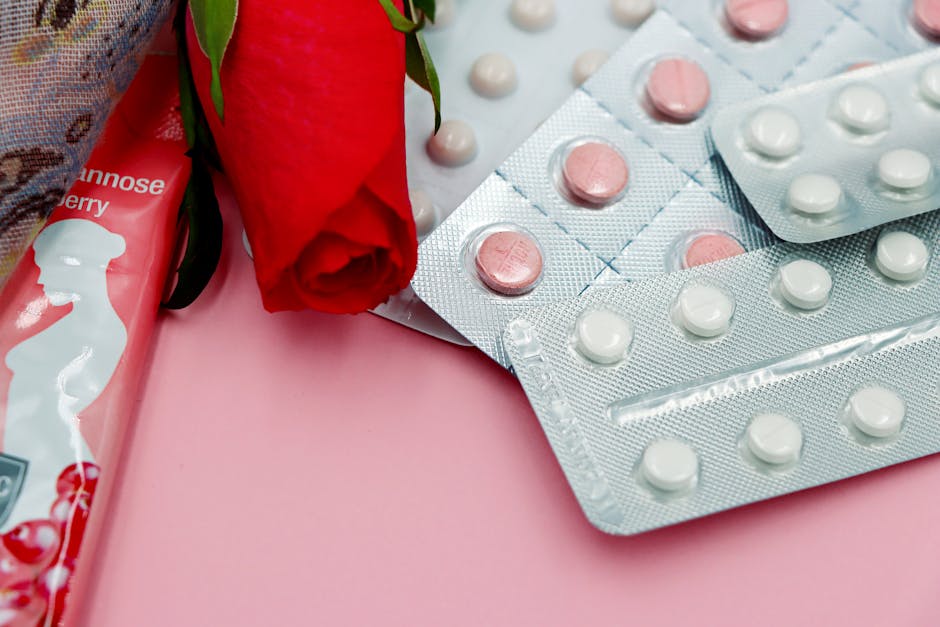
In this article, we’ll explore: Hormonal mechanisms of womens risk in the face of traumatic stress and why it matters today.
Related:
👉 Unraveling the Estrogen Effect: Exploring the Hormonal Mechanisms of Women's Risk in the Face of Traumatic Stress
👉 Understanding the Invisible Orchestra: Hormonal Mechanisms of Women's Risk in the Face of Traumatic Stress
👉 Tummy Troubles? Here are 8 Foods To Avoid With an Upset Stomach and What To Eat Instead for Quick Relief
Learn more: Hormonal mechanisms of womens risk in the face of traumatic stress on Google Search
Life throws curveballs at all of us. Sometimes, these curveballs aren’t just challenging; they’re truly traumatic. A car accident, a natural disaster, an assault, the sudden loss of a loved one – these events can shake the very foundation of our being. While trauma doesn’t discriminate, affecting people of all genders, ages, and backgrounds, research has consistently shown a stark difference in how women often experience and recover from such profound stress. Specifically, women are twice as likely as men to develop Post-Traumatic Stress Disorder (PTSD) after experiencing trauma.
But why? Is it just the types of trauma women often face, or is there something deeper, something biological at play? The answer, as it turns out, is a fascinating and complex interplay of our internal chemistry, specifically the **hormonal mechanisms of women’s risk in the face of traumatic stress**. It’s like our bodies come with a unique, hormone-driven blueprint that can influence how we process, cope with, and ultimately heal from overwhelming experiences. Understanding this isn’t about saying one gender is “weaker” or “stronger,” but about recognizing crucial differences that can guide us toward more effective support and healing strategies.
Let’s pull back the curtain and explore how these powerful chemical messengers – our hormones – can uniquely shape a woman’s vulnerability and resilience when facing the aftermath of trauma.
The Body’s Alarm System: A Quick Look at Stress and Trauma
Before we dive into the hormonal specifics, let’s briefly touch on what happens when we encounter stress or trauma. Our bodies are wired with an incredible alarm system, often called the “fight, flight, or freeze” response. When danger looms, a cascade of events kicks off:
* **Adrenaline surges:** Your heart pounds, breath quickens, muscles tense. You’re ready to react.
* **Cortisol rises:** This is your body’s primary stress hormone, providing a sustained energy boost and helping you stay alert.
* **The brain goes into overdrive:** Your amygdala (the brain’s alarm bell) becomes highly active, processing threats, while your prefrontal cortex (the rational thinking part) might take a backseat.
This system is brilliant for immediate survival. But when the threat is prolonged, overwhelming, or when the system gets stuck in “on” mode long after the danger has passed, that’s when trauma can take root, leading to conditions like PTSD.
The Gendered Lens: Why Women Often Face a Different Traumatic Landscape
It’s not just about the types of trauma women might experience (though that’s a factor too). Research increasingly points to fundamental biological differences that influence how trauma impacts women. Imagine two people, Sarah and Mark, both witness a terrible car accident. Both are shaken. But Sarah’s brain and body might be responding in subtly different ways due to her unique hormonal makeup, potentially making her more prone to lasting effects. This isn’t about fault; it’s about biology.
Estrogen: The Double-Edged Sword in the Brain
Estrogen, often considered the quintessential “female hormone,” is far more than just a reproductive hormone. It’s a powerful neurosteroid, meaning it acts directly on the brain, influencing mood, memory, cognition, and crucially, the stress response.
* **The Good Side:** Estrogen can have neuroprotective effects. It can enhance serotonin (our “feel-good” neurotransmitter) activity and even promote the growth of brain cells in areas related to memory and emotion. At optimal levels, it might help us regulate stress more effectively.
* **The Tricky Side:** The problem isn’t estrogen itself, but its *fluctuations*. A woman’s estrogen levels are constantly changing throughout her life:
* **The Menstrual Cycle:** Estrogen peaks mid-cycle, then drops significantly before menstruation. These shifts can alter how the brain responds to stress. For example, during periods of lower estrogen, the amygdala might be more reactive, making a woman more sensitive to perceived threats.
* **Pregnancy and Postpartum:** Massive hormonal shifts occur, especially with a sharp drop in estrogen after childbirth. This sudden change can leave new mothers particularly vulnerable to anxiety, depression, and the lasting impact of any birth trauma.
* **Perimenopause and Menopause:** As estrogen levels decline and fluctuate erratically, women can experience increased anxiety, sleep disturbances, and a heightened stress response. This period can uncover or exacerbate existing vulnerabilities to trauma.
Think of Maria, who experienced a stressful workplace incident. If that incident happened during a time of low estrogen (say, just before her period or during perimenopause), her brain might have been less equipped to buffer the stress, leading to a more intense or prolonged traumatic reaction compared to if it happened during a high-estrogen phase.
Progesterone: The Calming Influence (When It’s Around)
Another key player is progesterone. This hormone is known for its calming, anxiolytic (anxiety-reducing) effects. It can actually be converted into allopregnanolone, a neurosteroid that acts on GABA receptors in the brain – the same receptors targeted by anti-anxiety medications like benzodiazepines.
* **Why it Matters for Trauma:** When progesterone levels are healthy, it can act like a natural tranquilizer, helping to dampen the stress response and promote feelings of calm.
* **The Vulnerability:** Like estrogen, progesterone levels fluctuate. They are highest in the latter half of the menstrual cycle and during pregnancy. When progesterone levels are low (e.g., during the follicular phase of the cycle, or post-menopause), women might lose this natural calming buffer, leaving them more exposed to the full force of a traumatic event. This could mean a more intense initial reaction and a harder time “coming down” from the stress.
The Cortisol Conundrum: Women’s Unique Stress Signature
While cortisol is the universal stress hormone, its regulation and impact can differ between sexes. Some research suggests that women might have a more prolonged or exaggerated cortisol response to psychological stress compared to men. This isn’t always the case, and individual differences are huge, but it’s a significant area of study.
Imagine your body’s stress system like an oven. For some women, after a traumatic event, the “heat” (cortisol) might stay on high for longer, or the “off switch” might be harder to find. This prolonged exposure to high cortisol can:
* **Damage the hippocampus:** This brain region is crucial for memory and emotional regulation. Chronic high cortisol can shrink it, making it harder to process new memories and regulate emotions, a common feature in PTSD.
* **Keep the body on alert:** Perpetually high cortisol can lead to symptoms like insomnia, irritability, fatigue, and a constant feeling of being on edge – all hallmarks of chronic stress and trauma.
This unique cortisol signature could be one of the powerful **hormonal mechanisms of women’s risk in the face of traumatic stress**, making it harder for the body and mind to return to a baseline state of calm.
Oxytocin: The Social Hormone with a Twist
Oxytocin, often called the “love hormone” or “cuddle hormone,” plays a vital role in bonding, trust, and social connection. It can also have stress-reducing effects, encouraging us to “tend and befriend” rather than just fight or flee. Women generally have higher levels of oxytocin than men, and their brains may be more sensitive to its effects.
* **The Trauma Impact:** While oxytocin can be protective, trauma can disrupt its pathways. If a traumatic event involves a betrayal of trust or social isolation, it can interfere with oxytocin’s ability to provide comfort and promote healing through social support. This can lead to a vicious cycle where trauma makes it harder to connect, and lack of connection makes healing harder.
* **The “Tend and Befriend” Paradox:** While women’s tendency to seek social support (tend and befriend) can be a powerful coping mechanism, if their oxytocin system is dysregulated by trauma, this natural inclination might be thwarted, leading to increased isolation and prolonged distress.
Neurotransmitters: The Hormonal Influence on Brain Chemistry
It’s not just about the big hormones; these hormones also profoundly influence the delicate balance of neurotransmitters – the brain’s chemical messengers.
* **Serotonin:** Estrogen, for instance, can boost serotonin activity. When estrogen levels drop, so can serotonin, contributing to mood disturbances and increased anxiety.
* **GABA:** As mentioned, progesterone influences GABA, the brain’s primary inhibitory neurotransmitter, which helps calm neural activity. A lack of progesterone can mean less GABA activity, leading to heightened anxiety and hypervigilance.
These intricate connections mean that hormonal shifts can ripple through the entire brain, altering its capacity to cope with and recover from trauma.
Life Stages: When Hormonal Shifts Create Vulnerability
Understanding these hormonal mechanisms also means recognizing specific life stages where women might be particularly vulnerable:
* **Puberty:** The onset of menstruation brings significant hormonal fluctuations, potentially increasing sensitivity to stress during formative years.
* **Pregnancy and Postpartum:** The dramatic hormonal changes before and after childbirth can create a unique window of vulnerability, especially if the birth itself was traumatic. Postpartum depression and anxiety are well-known, but the link to trauma is also critical.
* **Perimenopause and Menopause:** The erratic and declining levels of estrogen and progesterone can exacerbate existing mental health conditions or make women more susceptible to the long-term effects of trauma. Many women report increased anxiety and mood swings during this time, which can make processing past or new traumatic events more challenging.
Key Takeaways: Bringing It All Together
Understanding the **hormonal mechanisms of women’s risk in the face of traumatic stress** isn’t about reducing women to their biology, but about empowering us with knowledge.
* **It’s Not “All in Your Head”:** Hormones play a very real, biological role in how women experience and recover from trauma.
* **Fluctuations Matter:** The cyclical nature of female hormones means vulnerability can change throughout the month and across different life stages.
* **Beyond Estrogen:** Progesterone, cortisol, and oxytocin all contribute to a complex hormonal symphony that influences our stress response.
* **Implications for Treatment:** This knowledge can lead to more tailored and effective trauma-informed care for women, potentially considering hormonal contexts.
* **Self-Compassion and Awareness:** Knowing this can help women understand their own reactions better and advocate for themselves.
Frequently Asked Questions (FAQ)
Q1: Does this mean men don’t get PTSD or aren’t affected by hormones?
Absolutely not! Men also experience trauma and PTSD, and their hormonal systems (like testosterone and cortisol) also play a role in their stress responses. The point here is that there are *differences* in these mechanisms, not that one gender is exclusively affected. Everyone’s response to trauma is unique.
Q2: What can women do to mitigate these hormonal risks after trauma?
While you can’t control your innate hormonal rhythms, understanding them can help. Strategies include:
- **Trauma-Informed Therapy:** Therapies like EMDR or CBT can help process traumatic memories regardless of hormonal state.
- **Stress Management:** Techniques like mindfulness, yoga, and meditation can help regulate the nervous system.
- **Lifestyle:** Prioritizing sleep, nutrition, and regular exercise supports overall hormonal balance.
- **Hormone Awareness:** Tracking your cycle (if applicable) can help you understand your body’s natural rhythms and anticipate periods of higher vulnerability.
- **Medical Consultation:** Discussing persistent symptoms with a doctor or endocrinologist might reveal underlying hormonal imbalances that can be addressed.
Q3: Are there specific treatments that consider hormonal differences for trauma?
Research in this area is growing! Some studies are exploring how specific medications or even hormonal interventions (like progesterone supplementation in certain contexts) might support trauma recovery, particularly for women. However, this is still an evolving field, and personalized approaches are key. Always consult with a healthcare professional to discuss the best treatment options for you.
Q4: Is it just hormones, or are other factors involved in women’s trauma risk?
Hormones are a significant piece of the puzzle, but they’re not the only one. Societal factors, types of trauma experienced, cultural expectations, social support systems, genetics, and prior mental health history all play crucial roles. It’s a complex interaction of biology, psychology, and environment.
Moving Forward with Understanding and Hope
The journey through and beyond trauma is deeply personal, and for women, it’s intricately woven with our unique biological tapestry. By shedding light on the **hormonal mechanisms of women’s risk in the face of traumatic stress**, we gain a deeper appreciation for the resilience of the female body and mind, while also recognizing the specific vulnerabilities that deserve our attention and care. This knowledge isn’t a limitation; it’s a powerful tool for self-understanding, empathy, and ultimately, for fostering more effective pathways to healing and hope. If you or someone you know is struggling with the aftermath of trauma, please reach out for professional support. You don’t have to navigate it alone.
Written with love and assistance and refined for quality.
{“@context”:”https://schema.org”,”@type”:”Article”,”headline”:”Unpacking the Invisible Blueprint: How Hormones Shape Women’s Risk After Traumatic Stress”,”description”:”In this article, weu2019ll explore: Hormonal mechanisms of womens risk in the face of traumatic stress and why it matters…”,”author”:{“@type”:”Person”,”name”:”rahuljait”},”datePublished”:”2026-05-12T18:41:41+00:00″,”dateModified”:”2026-05-12T18:41:41+00:00″,”mainEntityOfPage”:”https://healthyworldz.com/unpacking-the-invisible-blueprint-how-hormones-shape-womens-risk-after-traumatic-stress/”,”image”:[“https://healthyworldz.com/wp-content/uploads/2026/05/hormonal-mechanisms-of-womens-risk-in-the-face-of-traumatic-stress-73.jpg”]}
🔗 Related: Hormonal mechanisms of womens risk in…
🔗 Related: 8 Foods To Avoid With an…
🔗 Related: Hormonal mechanisms of womens risk in…