In this article, we’ll explore: 8 Foods To Avoid With an Upset Stomachand What To Eat Instead and why it matters today.
Related:
👉 Beyond the Brain: Unpacking the Hormonal Mechanisms of Women's Risk in the Face of Traumatic Stress
👉 Beyond the Surface: Unpacking the Hormonal Mechanisms of Women's Risk in the Face of Traumatic Stress
👉 The Unseen Tides: How Hormonal Mechanisms Shape Women's Risk in the Face of Traumatic Stress
Learn more: 8 Foods To Avoid With an Upset Stomachand What To Eat Instead on Google Search
Ah, the dreaded upset stomach. We’ve all been there, haven’t we? That familiar rumble, the sudden queasiness, the uncomfortable bloat – it can strike at the most inconvenient times, turning a perfectly good day into a quest for the nearest bathroom or a comfortable couch. Whether it’s a touch of food poisoning, a nervous tummy, a pesky bug, or just general indigestion, an upset stomach can leave you feeling utterly miserable and unsure of what to do next. And when your gut is in distress, the last thing you want to do is make it worse with the wrong food choices.
It’s a common misconception that if you’re feeling sick, you should just eat “whatever you can stomach.” But often, the very foods we crave or think might help can actually prolong our discomfort. The good news? You don’t have to suffer in silence or play a guessing game with your digestive system. Understanding which foods to steer clear of and, more importantly, what to embrace can make a world of difference in how quickly you feel like yourself again. So, let’s dive into the crucial topic of 8 Foods To Avoid With an Upset Stomach and What To Eat Instead, arming you with the knowledge to soothe your gut and get back on track.
The Culprits: 8 Foods That Make an Upset Stomach Worse
When your stomach is already feeling delicate, certain foods can act like agitators, increasing inflammation, causing gas, or simply being too difficult for your compromised digestive system to handle. Think of your stomach as a tender wound; you wouldn’t pour salt on it, would you? The same principle applies here.
1. Spicy and Fiery Dishes
Remember that time you thought a super spicy curry would “burn out” whatever was bothering you? Chances are, it just made things much, much worse. Foods packed with chili, hot sauce, and other potent spices contain capsaicin, a compound that can irritate the stomach lining, leading to heartburn, indigestion, and even diarrhea. Your stomach is already sensitive, and adding fuel to that fire is like pouring gasoline on a tiny flame.
- Why avoid: Capsaicin irritates the digestive tract, can cause acid reflux and stomach cramps.
- What to eat instead: Plain, boiled chicken or turkey, mild rice, or baked potatoes.
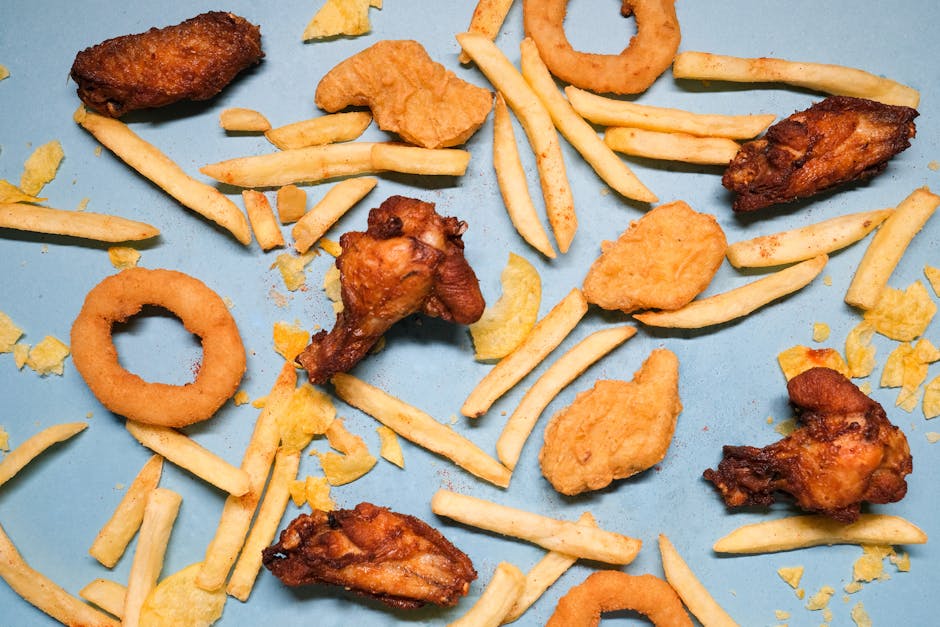
2. Fried and Greasy Foods
Oh, the allure of crispy fries or a juicy burger! But when your stomach is upset, these foods are your enemy. High-fat foods are much harder for your body to digest. They sit in your stomach longer, triggering a surge of digestive enzymes and acids that can lead to nausea, bloating, and even vomiting. Imagine your digestive system already running on low power; a greasy meal is like asking it to run a marathon.
- Why avoid: High fat content is difficult to digest, slows gastric emptying, and can cause heartburn and nausea.
- What to eat instead: Steamed vegetables, plain toast, or a simple broth.
3. Dairy Products (Especially Lactose Intolerant Individuals)
For many, dairy can be a delightful treat. But if you’re feeling queasy, or if you have any degree of lactose intolerance (which many people don’t even realize they have), dairy can exacerbate your symptoms. Lactose, the sugar in milk, can be difficult to break down when your digestive system is already struggling, leading to gas, bloating, and diarrhea. Even if you’re usually fine with dairy, a compromised gut might not be.
- Why avoid: Lactose can be hard to digest, leading to gas, bloating, and diarrhea, especially for those who are lactose intolerant.
- What to eat instead: Lactose-free milk alternatives, plain water, or clear broths.
4. Acidic Fruits and Juices
While fruits are generally healthy, highly acidic options like oranges, grapefruits, lemons, and tomatoes (yes, tomatoes are fruits!) can be problematic for an upset stomach. The high acid content can irritate an already sensitive stomach lining, potentially worsening heartburn and acid reflux. A glass of orange juice might seem refreshing, but it could send your stomach into a spiral.
- Why avoid: High acidity can irritate the stomach lining and worsen reflux.
- What to eat instead: Bananas, applesauce, or diluted apple juice.
5. Carbonated Drinks
A cold soda might seem comforting, but those bubbles aren’t doing your stomach any favors. The carbonation in sodas, sparkling water, and other fizzy drinks can introduce excess air into your digestive system, leading to bloating, gas, and discomfort. Plus, many sodas are loaded with sugar and artificial sweeteners, which can also upset a sensitive gut.
- Why avoid: Carbonation causes gas and bloating; high sugar content can further irritate.
- What to eat instead: Plain water, herbal tea (like ginger or peppermint), or diluted fruit juice.
6. Caffeine (Coffee, Tea, Energy Drinks)
For many, coffee is a morning ritual, a non-negotiable start to the day. But when your stomach is upset, caffeine can be a major irritant. It acts as a stimulant, which can increase stomach acid production and accelerate bowel movements, potentially leading to diarrhea or worsening stomach cramps. That jolt of energy might come at the cost of more digestive distress.
- Why avoid: Stimulates stomach acid production and can act as a laxative.
- What to eat instead: Decaffeinated herbal teas, warm water with lemon, or just plain water.
7. Raw Vegetables (Especially Cruciferous Ones)
While raw vegetables are usually a cornerstone of a healthy diet, they can be tough on a sensitive stomach. Their high fiber content, while great for regular digestion, can be difficult to break down when your gut is already struggling, leading to gas and bloating. Cruciferous vegetables like broccoli, cabbage, and cauliflower are particularly notorious for this.
- Why avoid: High fiber can be difficult to digest, causing gas and bloating.
- What to eat instead: Cooked and soft vegetables like boiled carrots, mashed potatoes, or zucchini.
8. Processed Foods and Artificial Sweeteners
Think about highly processed snacks, candies, and foods loaded with artificial sweeteners (like sorbitol, mannitol, and xylitol). These items often contain a cocktail of ingredients that are hard for your body to recognize and digest. Artificial sweeteners, in particular, are known to cause gas, bloating, and diarrhea, even in healthy individuals, let alone someone with an upset stomach.
- Why avoid: Difficult to digest, contain artificial additives that can irritate the gut.
- What to eat instead: Simple, whole foods like plain crackers, toast, or rice cakes.
Your Stomach’s Best Friends: What To Eat When You’re Feeling Queasy
Now that we’ve covered what to avoid, let’s talk about the good stuff – the soothing, easy-to-digest foods that can help your stomach recover and get you back on your feet. The general rule of thumb is “bland is best.”
The BRAT Diet and Beyond
The BRAT diet (Bananas, Rice, Applesauce, Toast) is a classic for a reason. These foods are low in fiber, bland, and easy to digest, helping to bind stools and provide some much-needed nutrients without irritating your gut.
- Bananas: Rich in potassium (often depleted during vomiting/diarrhea) and easy to digest.
- Rice: Plain white rice is low in fiber and provides energy. Avoid brown rice initially as its higher fiber content can be challenging.
- Applesauce: Pectin in apples can help settle the stomach and provide gentle fiber.
- Toast: Plain white toast (without butter or jam) is easy to digest.
Clear Liquids and Broths
Staying hydrated is paramount, especially if you’ve been experiencing vomiting or diarrhea. Clear liquids help replenish fluids and electrolytes.
- Water: The simplest and best choice. Sip slowly.
- Clear Broth: Chicken or vegetable broth provides essential salts and nutrients without being heavy.
- Electrolyte Drinks: Pedialyte or sports drinks (diluted to reduce sugar) can help replace lost electrolytes.
- Herbal Teas: Ginger tea is famed for its anti-nausea properties, while peppermint and chamomile teas can soothe the stomach and aid relaxation.
Other Soothing Options
- Plain Crackers: Saltines or other bland crackers can help absorb stomach acid and ease nausea.
- Boiled or Baked Potatoes: Easy to digest and a good source of energy.
- Plain Chicken or Turkey: Boiled or baked, without skin or heavy seasoning, provides lean protein.
- Oatmeal: Cooked with water, plain oatmeal is gentle on the stomach and provides soluble fiber.
- Scrambled Eggs: Cooked simply without a lot of butter or oil, eggs are a good source of protein and easy to digest for many.
Key Takeaways: Listen to Your Gut
When your stomach is upset, your body is sending you a clear signal: it needs a break and some gentle care. Avoiding the 8 foods discussed – spicy dishes, greasy foods, dairy, acidic fruits, carbonated drinks, caffeine, raw vegetables, and processed snacks – is a crucial first step. Instead, lean into bland, easy-to-digest options like the BRAT diet, clear broths, and soothing teas. Remember to stay well-hydrated by sipping water or electrolyte solutions slowly.
Ultimately, everyone’s body is a little different. Pay close attention to how you feel after eating. If a food makes you feel worse, even if it’s on the “safe” list, listen to your body and avoid it. The goal is to provide your digestive system with the rest and gentle nourishment it needs to recover fully. Be patient with yourself, and your gut will thank you!
FAQ: Your Upset Stomach Questions Answered
Q1: How long should I stick to a bland diet?
A: Generally, you should stick to a bland diet until your symptoms subside and you feel significantly better, typically for 24-48 hours after your last symptom. Gradually reintroduce other foods, one at a time, to see how your body reacts.
Q2: Can I drink milk if I have an upset stomach?
A: It’s generally best to avoid milk and other dairy products when your stomach is upset, as lactose can be difficult to digest and may worsen symptoms like gas, bloating, and diarrhea. If you must have dairy, consider lactose-free options or small amounts of plain yogurt with live cultures (if tolerated).
Q3: Is ginger really good for an upset stomach?
A: Yes, ginger is well-known for its anti-nausea and anti-inflammatory properties. Sipping on ginger tea (made from fresh ginger root or ginger tea bags) can be very soothing for an upset stomach and helpful for relieving nausea.
Q4: Should I avoid all fiber when my stomach is upset?
A: While high-fiber foods (especially raw vegetables and whole grains) can be difficult to digest when your stomach is upset, some soluble fiber from sources like bananas, applesauce, and plain oatmeal can actually be beneficial. It helps to bind stools and can be gentle on the digestive system. The key is to choose low-fiber, cooked, and easily digestible options.
Q5: What if I can’t eat anything at all?
A: If you’re struggling to keep any food down, focus on staying hydrated by sipping small amounts of water, clear broth, or electrolyte solutions. If you can’t keep liquids down for more than 24 hours, or if your symptoms are severe or persistent, it’s crucial to consult a doctor.
Written with love and assistance and refined for quality.
{“@context”:”https://schema.org”,”@type”:”Article”,”headline”:”Stomach Troubles? Here Are 8 Foods To Avoid With an Upset Stomach and What To Eat Instead (Your Gut Will Thank You!)”,”description”:”In this article, weu2019ll explore: 8 Foods To Avoid With an Upset Stomachand What To Eat Instead and why it…”,”author”:{“@type”:”Person”,”name”:”rahuljait”},”datePublished”:”2026-05-11T23:47:53+00:00″,”dateModified”:”2026-05-11T23:47:53+00:00″,”mainEntityOfPage”:”https://healthyworldz.com/stomach-troubles-here-are-8-foods-to-avoid-with-an-upset-stomach-and-what-to-eat-instead-your-gut-will-thank-you/”,”image”:[“https://healthyworldz.com/wp-content/uploads/2026/05/8-foods-to-avoid-with-an-upset-stomachand-what-to-eat-instead-26.jpg”]}
🔗 Related: Hormonal mechanisms of womens risk in…
🔗 Related: Hormonal mechanisms of womens risk in…
🔗 Related: Hormonal mechanisms of womens risk in…