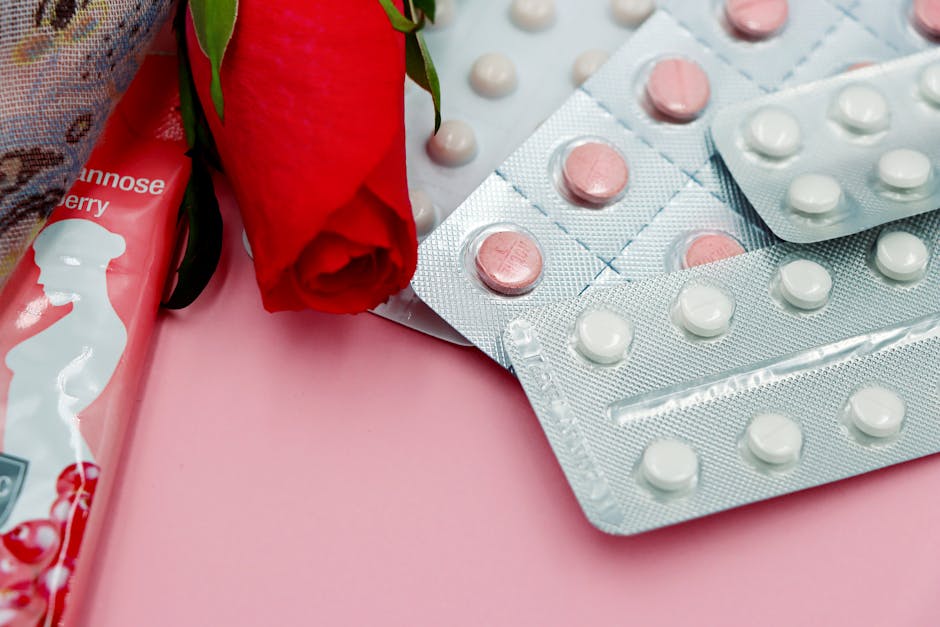
In this article, we’ll explore: Hormonal mechanisms of womens risk in the face of traumatic stress and why it matters today.
Related:
👉 Beyond the Brain: Unpacking the Hormonal Mechanisms of Women's Risk in the Face of Traumatic Stress
👉 Beyond the Surface: Unpacking the Hormonal Mechanisms of Women's Risk in the Face of Traumatic Stress
👉 The Unseen Tides: How Hormonal Mechanisms Shape Women's Risk in the Face of Traumatic Stress
Learn more: Hormonal mechanisms of womens risk in the face of traumatic stress on Investopedia
Imagine standing at the edge of a vast, turbulent ocean. For some, the waves are manageable, perhaps even invigorating. For others, the same ocean feels like a relentless storm, threatening to pull them under. This isn’t just about individual resilience; it’s often about the unseen forces within our own bodies, particularly when it comes to how women navigate the choppy waters of traumatic stress.
Trauma, whether it’s a single, shocking event or prolonged, chronic stress, leaves an indelible mark. But for women, the blueprint of this mark is often drawn with a unique set of biological pencils: hormones. While both men and women experience the profound effects of trauma, the **hormonal mechanisms of women’s risk in the face of traumatic stress** are distinct, complex, and profoundly influential. Understanding this isn’t about labeling one gender as “weaker” or “stronger,” but about acknowledging the intricate biological differences that shape our experiences and, crucially, our paths to healing.
For too long, mental health research often overlooked these crucial gender-specific biological factors, assuming a “one-size-fits-all” approach. But recent advancements are shedding light on how the ebb and flow of hormones like estrogen, progesterone, and cortisol don’t just dictate our reproductive cycles; they play a starring role in how our brains process fear, memory, and emotional regulation when faced with overwhelming stress. Let’s pull back the curtain and explore this fascinating, vital connection.
The Stress Response: A Universal Alarm System with a Twist
At its core, our body’s stress response is a marvel of evolution – a sophisticated alarm system designed to keep us safe. When danger looms, real or perceived, a cascade of events kicks off. Our brain’s amygdala (the “fear center”) sounds the alarm, signaling the hypothalamus to activate the fight-or-flight response. Adrenaline surges, heart rate quickens, muscles tense, and cortisol – our primary stress hormone – floods our system, providing the energy needed to confront or flee the threat.
This system is brilliant for acute danger, like dodging a car. But with traumatic stress, especially chronic trauma, this alarm system can get stuck in the “on” position, leading to lasting changes in brain chemistry and function. For women, however, the nuanced interplay of their unique hormonal landscape significantly modulates how this system fires, how long it stays active, and how the brain records and retrieves traumatic memories.
Estrogen: The Double-Edged Sword in Trauma Response
Estrogen, often celebrated for its role in female reproduction, is far more than just a “sex hormone.” It’s a powerful neurosteroid, meaning it acts directly on the brain, influencing mood, cognition, and our response to stress. But when it comes to trauma, estrogen can be a fascinating, double-edged sword.
Estrogen’s Protective Side
At optimal levels, estrogen can actually be quite protective. It can enhance serotonin (our “feel-good” neurotransmitter) activity, improve mood, and even boost cognitive function, including memory. Some research suggests that estrogen can help regulate the stress response by modulating the activity of the amygdala and the hippocampus (crucial for memory and emotion). This protective effect might, in certain contexts, help women process stressful events more adaptively. Think of it like a natural buffer, helping the brain to bounce back more effectively after a minor stressor.
When Estrogen Levels Fluctuate: A Vulnerability Window
Here’s where the “double-edged sword” comes into play. Estrogen levels in women are rarely static; they fluctuate dramatically throughout the menstrual cycle, during pregnancy, postpartum, and especially during perimenopause and menopause. When estrogen levels drop significantly, this protective buffer diminishes, potentially leaving women more vulnerable to the effects of traumatic stress.
For instance, low estrogen can lead to:
- Increased activity in the amygdala, making us more prone to fear and anxiety.
- Impaired function in the prefrontal cortex, which is responsible for executive functions like emotional regulation and decision-making. This can make it harder to “think our way out” of overwhelming feelings.
- Disrupted communication between brain regions involved in stress processing, potentially leading to a heightened and prolonged stress response.
Imagine Sarah, a new mother who experienced a car accident a few months ago. While she’s been managing her anxiety, she finds that around her period, or in the intense hormonal shifts of the postpartum period, flashbacks become more vivid, and her heart races at the slightest unexpected noise. This isn’t a sign of weakness; it’s a clear demonstration of how plummeting estrogen can temporarily strip away some of her brain’s natural resilience to trauma.
Progesterone and GABA: The Calming Influence
While estrogen often takes the spotlight, progesterone plays a critical, often understated, role in modulating the stress response. Progesterone is a precursor to a neurosteroid called allopregnanolone. This powerful compound acts like a natural tranquilizer in the brain, enhancing the activity of GABA, the brain’s primary inhibitory neurotransmitter. Think of GABA as the “calm down” signal for your brain.
When progesterone levels are high (like during the second half of the menstrual cycle or during pregnancy), women often report feeling more relaxed and less anxious. This is partly due to allopregnanolone’s soothing effects. Conversely, when progesterone levels drop sharply – such as before menstruation, or dramatically after childbirth – the comforting influence of allopregnanolone diminishes. This can leave women feeling more agitated, anxious, and less equipped to handle stress, potentially exacerbating symptoms of trauma.
Testosterone: Not Just a Male Hormone
Though present in much smaller amounts, testosterone also plays a role in women’s overall well-being and stress resilience. It contributes to energy levels, libido, and muscle mass. While research is still evolving, some studies suggest that balanced testosterone levels in women can contribute to a sense of well-being and potentially influence mood regulation, indirectly supporting resilience against stress and trauma. Low testosterone in women can contribute to fatigue, low mood, and reduced motivation, all of which can make coping with trauma more challenging.
The Menstrual Cycle: A Monthly Hormonal Rollercoaster
The average menstrual cycle is a masterpiece of hormonal orchestration, but it can also be a monthly vulnerability window for women dealing with trauma.
- Follicular Phase (leading up to ovulation): Estrogen levels are generally rising, often associated with improved mood and cognitive function. For many, this might be a period of relative emotional stability.
- Luteal Phase (after ovulation, before menstruation): Estrogen begins to drop, and progesterone rises, then both decline sharply just before menstruation. This premenstrual phase is when many women experience PMS or even PMDD (Premenstrual Dysphoric Disorder), characterized by heightened irritability, anxiety, and mood swings. For a woman with a history of trauma, this drop in protective hormones can amplify existing symptoms, making her more susceptible to flashbacks, panic attacks, or intense emotional dysregulation.
This cyclical vulnerability highlights why a woman’s experience with trauma might not be linear, but rather ebb and flow with her internal hormonal tides.
Major Life Transitions: Hormonal Crossroads for Trauma Vulnerability
Beyond the monthly cycle, several significant life stages for women are marked by profound hormonal shifts, each presenting unique challenges in the context of traumatic stress.
Puberty: The Awakening
The onset of puberty brings a surge of hormones, introducing girls to the complexities of estrogen and progesterone. If traumatic events occur during this hormonally volatile period, the developing brain’s stress response systems can be wired differently, potentially increasing the risk of anxiety disorders, depression, and PTSD later in life.
Pregnancy & Postpartum: A Sea of Change
Pregnancy is a period of exceptionally high estrogen and progesterone, which can sometimes offer a protective effect. However, the dramatic drop in these hormones immediately after childbirth is one of the steepest hormonal shifts a woman will ever experience. This sudden plunge, coupled with sleep deprivation, physical recovery, and the immense demands of new motherhood, can create a perfect storm for heightened anxiety, depression, and the exacerbation of pre-existing trauma symptoms or the development of postpartum PTSD (especially after a traumatic birth).
Perimenopause & Menopause: The Winding Down
As women approach and enter menopause, estrogen and progesterone levels steadily decline and become erratic. This period, known as perimenopause, can be characterized by hot flashes, sleep disturbances, mood swings, and increased anxiety. For women with a history of trauma, the loss of these protective hormones can lead to a resurgence or intensification of PTSD symptoms, making it harder to cope with daily stressors and triggering old wounds. Imagine a woman who thought she had successfully managed her trauma for years suddenly finding herself overwhelmed by anxiety and flashbacks in her late 40s or early 50s – this can often be linked to the profound hormonal changes of perimenopause.
Key Takeaways
- Women’s hormonal landscape, particularly the fluctuations of estrogen and progesterone, significantly influences their brain’s response to stress and trauma.
- Optimal estrogen levels can offer some protection, but sharp drops can increase vulnerability to anxiety, fear, and impaired emotional regulation.
- Progesterone’s role in producing calming neurosteroids (like allopregnanolone) is crucial for modulating the stress response.
- The menstrual cycle, pregnancy, postpartum period, and perimenopause/menopause are all critical windows of hormonal change that can impact a woman’s experience of trauma.
- Understanding these **hormonal mechanisms of women’s risk in the face of traumatic stress** is essential for developing gender-informed approaches to mental health care and support.
Frequently Asked Questions (FAQ)
Q1: Does this mean women are “weaker” in the face of trauma?
Absolutely not. It means women experience and process trauma differently due to distinct biological factors. Recognizing these differences allows for more targeted, effective, and compassionate support, rather than implying weakness. It highlights the incredible complexity and resilience of the female body and brain.
Q2: What can women do to support their hormonal health after trauma?
While professional help for trauma is paramount, supporting hormonal health can be complementary. This includes:
- Prioritizing good sleep hygiene.
- Eating a nutrient-dense diet rich in whole foods.
- Engaging in regular, moderate exercise.
- Practicing stress reduction techniques like mindfulness, yoga, or deep breathing.
- Working with a healthcare provider who understands female endocrinology, especially if you suspect hormonal imbalances (e.g., during perimenopause or postpartum).
Q3: Are there specific therapies that consider hormonal factors?
While not all trauma therapies explicitly integrate hormonal considerations, trauma-informed care generally takes a holistic view of an individual’s well-being. Therapists who are aware of these hormonal links can better understand a woman’s fluctuating symptoms. Additionally, some integrative or functional medicine practitioners specialize in hormone balancing and can work in conjunction with mental health professionals.
Q4: Is it only about hormones, or are there other factors?
Hormones are a significant piece of the puzzle, but they are by no means the only factor. Trauma response is incredibly complex, influenced by genetics, previous life experiences, social support networks, cultural background, socioeconomic status, and the nature of the trauma itself. Hormones interact with all these factors to create an individual’s unique experience.
Understanding the intricate dance between hormones and our response to traumatic stress is not just academic; it’s deeply human. It empowers us to move beyond simplistic explanations and embrace a more nuanced, empathetic approach to women’s mental health. By acknowledging these invisible battles, we can foster environments where women feel seen, heard, and truly supported on their journey toward healing and resilience. It’s time to champion gender-informed care, ensuring that every woman has the tools and understanding necessary to navigate the storms of trauma, whatever her hormones may be doing.
Written with love and assistance and refined for quality.
{“@context”:”https://schema.org”,”@type”:”Article”,”headline”:”Unmasking the Invisible Battle: How Hormones Shape Women’s Response to Trauma”,”description”:”In this article, weu2019ll explore: Hormonal mechanisms of womens risk in the face of traumatic stress and why it matters…”,”author”:{“@type”:”Person”,”name”:”rahuljait”},”datePublished”:”2026-05-11T23:47:30+00:00″,”dateModified”:”2026-05-11T23:47:30+00:00″,”mainEntityOfPage”:”https://healthyworldz.com/unmasking-the-invisible-battle-how-hormones-shape-womens-response-to-trauma/”,”image”:[“https://healthyworldz.com/wp-content/uploads/2026/05/hormonal-mechanisms-of-womens-risk-in-the-face-of-traumatic-stress-61.jpg”]}
🔗 Related: 8 Foods To Avoid With an…
🔗 Related: Hormonal mechanisms of womens risk in…
🔗 Related: Hormonal mechanisms of womens risk in…