In this article, we’ll explore: 8 Foods To Avoid With an Upset Stomachand What To Eat Instead and why it matters today.
Related:
👉 Beyond the Ovaries: Understanding Why Women with Polycystic Ovary Syndrome Exhibit Impaired Endometrial Receptivity with Excessive ER and Histone Lactylation
👉 Tummy Troubles? Here Are 8 Foods To Avoid With an Upset Stomach and What To Eat Instead for Quick Relief!
👉 Unraveling the Invisible Threads: How Hormones Shape Women's Risk After Trauma
Learn more: 8 Foods To Avoid With an Upset Stomachand What To Eat Instead on Wikipedia
Ever woken up with that gnawing, uncomfortable feeling in your gut? Or maybe it hit you after a meal, leaving you doubled over with a stomach ache, nausea, or that dreaded queasy sensation. An upset stomach is truly one of life’s most unwelcome guests, throwing a wrench into your day and making even the simplest tasks feel monumental. It’s a universal experience, something we all go through from time to time, whether it’s due to a pesky bug, stress, or simply eating something that didn’t agree with us.
When your tummy is doing flip-flops, the last thing you want to do is make it worse. But figuring out what to eat – or, more importantly, what *not* to eat – can feel like navigating a minefield. You might be craving comfort food, but often, those very cravings can prolong your discomfort. That’s why we’re here to guide you through the culinary landscape of an upset stomach. We’re going to dive deep into **8 foods to avoid with an upset stomach and what to eat instead**, helping you make informed choices that soothe, rather than irritate, your digestive system. Think of this as your friendly guide to getting back to feeling like yourself again, one gentle bite at a time.
The “No-Go” List: 8 Foods to Steer Clear Of When Your Stomach is Upset
When your digestive system is already in distress, certain foods can act like gasoline on a fire. They can irritate the stomach lining, cause excessive gas, slow down digestion, or even trigger more nausea. Let’s explore the common culprits you should put on pause until your tummy feels better.
1. Spicy Foods
Ah, the thrill of a fiery curry or a chili-laden taco! While delicious under normal circumstances, spicy foods are a definite no-go when your stomach is upset. The compounds that give chili peppers their kick, like capsaicin, can irritate the sensitive lining of your stomach and intestines, leading to increased burning, pain, and even diarrhea. Imagine pouring hot sauce on an open wound – that’s essentially what you’re doing to your already inflamed gut. It’s like trying to calm a crying baby by playing heavy metal music; it just doesn’t work.
What to eat instead: Stick to bland, non-spicy foods. Think plain rice, boiled chicken, or toast.
2. Fried and Greasy Foods
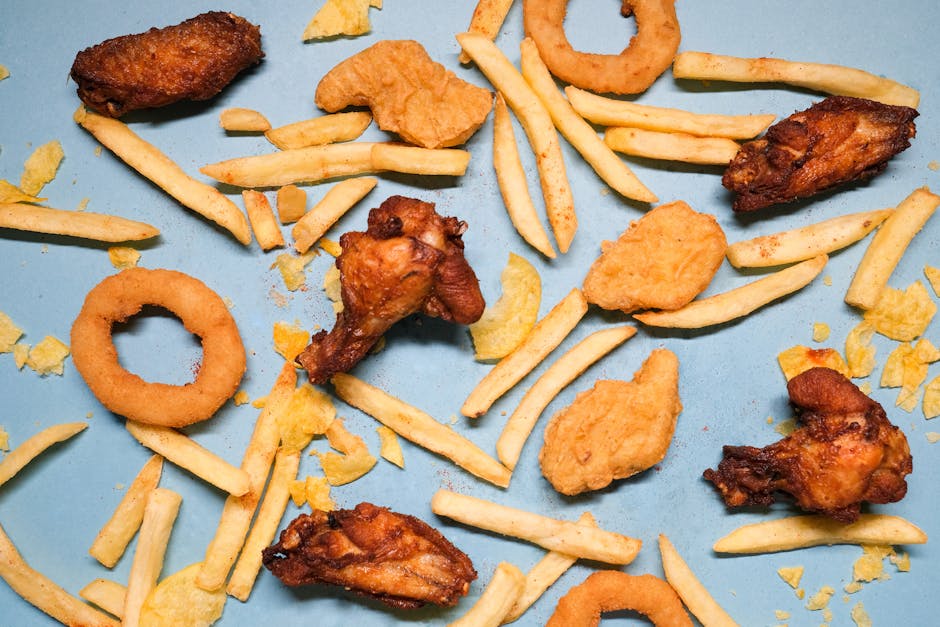
That crispy fried chicken or those golden-brown French fries might seem tempting, but they are a nightmare for an upset stomach. Foods high in fat are notoriously difficult for your body to break down and digest. They sit in your stomach longer, increasing the likelihood of nausea, heartburn, and indigestion. It’s like trying to run a marathon with weights strapped to your ankles – your digestive system is already struggling, and high-fat foods just add more burden.
What to eat instead: Opt for baked, steamed, or grilled options. Think baked potatoes, steamed vegetables, or grilled fish.
3. Dairy Products (especially for some)
Milk, cheese, and ice cream can be problematic for many people with an upset stomach, particularly if they are lactose intolerant or have a temporary sensitivity. Lactose, the sugar found in dairy, requires a specific enzyme (lactase) to be digested. When your stomach is upset, your body might not produce enough lactase, leading to bloating, gas, cramps, and diarrhea. Even if you usually tolerate dairy, it’s best to be cautious when your system is vulnerable. It’s like trying to force a square peg into a round hole; your body just isn’t ready to process it efficiently.
What to eat instead: Try lactose-free dairy alternatives or plant-based milks (like almond or oat milk) in small quantities, or avoid dairy altogether for a day or two. Water, clear broths, or herbal teas are better hydrating options.
4. Acidic Foods (Citrus Fruits, Tomatoes)
Oranges, lemons, grapefruits, and even tomatoes are packed with vitamins and antioxidants, making them wonderful normally. However, their high acidity can be quite irritating to an already sensitive or inflamed stomach lining. This can worsen heartburn, acid reflux, and general stomach discomfort. Picture a tiny cut on your skin – if you put lemon juice on it, it stings, right? The same principle applies to your upset stomach.
What to eat instead: Choose less acidic fruits like bananas or applesauce. Cooked, non-acidic vegetables are also a good choice.
5. Caffeinated Drinks and Alcohol
Your morning coffee might be a ritual, but when your stomach is in turmoil, it’s best to skip it. Caffeine can act as a diuretic, potentially leading to dehydration, and it can also stimulate stomach acid production, which exacerbates irritation and discomfort. Alcohol is an even bigger culprit; it’s a known irritant to the stomach lining, can cause dehydration, and often leads to nausea and vomiting. It’s like trying to calm a jittery engine by revving it harder – counterproductive and potentially damaging.
What to eat instead: Water, clear broths, and soothing herbal teas (like ginger or chamomile) are your best friends for hydration and comfort.
6. Processed and Sugary Foods
Think cookies, cakes, candies, and highly processed snacks. These foods are often low in nutritional value and high in refined sugars and unhealthy fats. The high sugar content can feed bad bacteria in your gut, leading to gas and bloating. Processed foods also often contain artificial ingredients and preservatives that your body struggles to recognize and digest, adding extra stress to an already delicate system. It’s like trying to fuel a high-performance car with low-grade fuel; it just won’t run smoothly.
What to eat instead: Focus on whole, unprocessed foods like plain toast, rice, or simple crackers.
7. High-Fiber Raw Vegetables (Especially Cruciferous Ones)
While fiber is fantastic for digestive health normally, when your stomach is upset, certain high-fiber raw vegetables can be problematic. Cruciferous vegetables like broccoli, cabbage, cauliflower, and Brussels sprouts contain complex sugars that are difficult to digest and can produce a lot of gas and bloating, especially when eaten raw. It’s like trying to untangle a knot with cold, stiff fingers; your digestive system needs a gentler approach.
What to eat instead: Opt for cooked, easily digestible vegetables like carrots, spinach, or green beans. Bananas and applesauce also provide gentle fiber.
8. Carbonated Drinks
Sodas, sparkling water, and other fizzy drinks might seem refreshing, but the bubbles are actually dissolved gas. When you drink them, you’re essentially adding more gas to an already sensitive digestive system. This can lead to increased bloating, burping, and discomfort. Imagine blowing up a balloon in your stomach – not a pleasant thought when you’re feeling queasy!
What to eat instead: Still water, clear broths, or non-caffeinated, non-carbonated herbal teas are much better choices for hydration.
The “Yes-Please” List: What to Eat When Your Tummy Needs TLC
Now that we know what to avoid, let’s talk about the good stuff – the foods that can actually help soothe your stomach and aid in recovery. The key here is “bland, easily digestible, and hydrating.”
- The BRAT Diet Staples: Bananas, Rice, Applesauce, and Toast. These are classic for a reason. They are low in fiber (except bananas, which have soluble fiber that’s gentle), easy to digest, and provide some much-needed calories without irritating your stomach.
- Clear Broths and Soups: Chicken broth or vegetable broth (low-sodium) are excellent for hydration and provide essential electrolytes and nutrients without putting a strain on your digestive system. Think of them as a gentle warm hug for your insides.
- Ginger: A natural anti-nausea remedy, ginger can be consumed as ginger tea (freshly grated ginger steeped in hot water) or in small amounts in other bland foods.
- Herbal Teas: Peppermint and chamomile teas are known for their calming and anti-spasmodic properties, which can help ease stomach cramps and nausea.
- Lean Proteins: Once you start feeling a little better, introduce small amounts of plain, boiled, or baked chicken or fish. These provide protein for recovery without much fat.
- Sweet Potatoes: Cooked sweet potatoes are a good source of vitamins and minerals, and they are generally easier to digest than regular potatoes for some people.
- Probiotic-Rich Foods (with caution): If dairy is tolerated, plain yogurt or kefir with live cultures can help restore beneficial gut bacteria, but start with very small amounts to see how your body reacts.
Key Takeaways for a Happy Tummy
- Listen to Your Body: Everyone is different. Pay attention to how certain foods make you feel.
- Keep it Bland: When in doubt, choose simple, unseasoned, and easily digestible foods.
- Stay Hydrated: Water, broths, and herbal teas are crucial for recovery.
- Small Portions: Don’t overload your stomach. Eat small, frequent meals rather than large ones.
- Cooked is Better: Opt for cooked fruits and vegetables over raw ones when your stomach is sensitive.
Frequently Asked Questions About Eating With an Upset Stomach
Q1: How long should I avoid these foods for?
It depends on the cause and severity of your upset stomach. Generally, until your symptoms subside and you feel completely back to normal, which could be a day or two, or sometimes longer. Gradually reintroduce foods to see what you can tolerate.
Q2: Is toast really good for an upset stomach?
Yes, plain white toast is often recommended because it’s low in fiber, easy to digest, and can help absorb excess stomach acid. Avoid butter or heavy toppings.
Q3: Can I drink coffee if my stomach is only mildly upset?
It’s generally best to avoid coffee and other caffeinated drinks, even with mild upset, as caffeine can irritate the stomach and act as a diuretic. Opt for decaffeinated herbal teas instead.
Q4: What if I can’t keep anything down?
If you’re experiencing severe nausea, vomiting, or diarrhea and can’t keep any food or liquids down, it’s crucial to consult a doctor. Dehydration can be dangerous.
Dealing with an upset stomach is never fun, but by making smart, conscious food choices, you can significantly ease your discomfort and speed up your recovery. Remember, your body is incredibly resilient, and with a little care and the right fuel, it will bounce back. So, next time your tummy starts to grumble, refer to this guide on **8 foods to avoid with an upset stomach and what to eat instead**, and give your digestive system the gentle love it deserves. Here’s to feeling better, sooner!
Written with love and assistance and refined for quality.
{“@context”:”https://schema.org”,”@type”:”Article”,”headline”:”Taming the Tummy Troubles: 8 Foods To Avoid With an Upset Stomach and What To Eat Instead”,”description”:”In this article, weu2019ll explore: 8 Foods To Avoid With an Upset Stomachand What To Eat Instead and why it…”,”author”:{“@type”:”Person”,”name”:”rahuljait”},”datePublished”:”2026-05-11T09:33:19+00:00″,”dateModified”:”2026-05-11T09:33:19+00:00″,”mainEntityOfPage”:”https://healthyworldz.com/taming-the-tummy-troubles-8-foods-to-avoid-with-an-upset-stomach-and-what-to-eat-instead/”,”image”:[“https://healthyworldz.com/wp-content/uploads/2026/05/8-foods-to-avoid-with-an-upset-stomachand-what-to-eat-instead-21.jpg”]}
🔗 Related: Hormonal mechanisms of womens risk in…
🔗 Related: 8 Foods To Avoid With an…