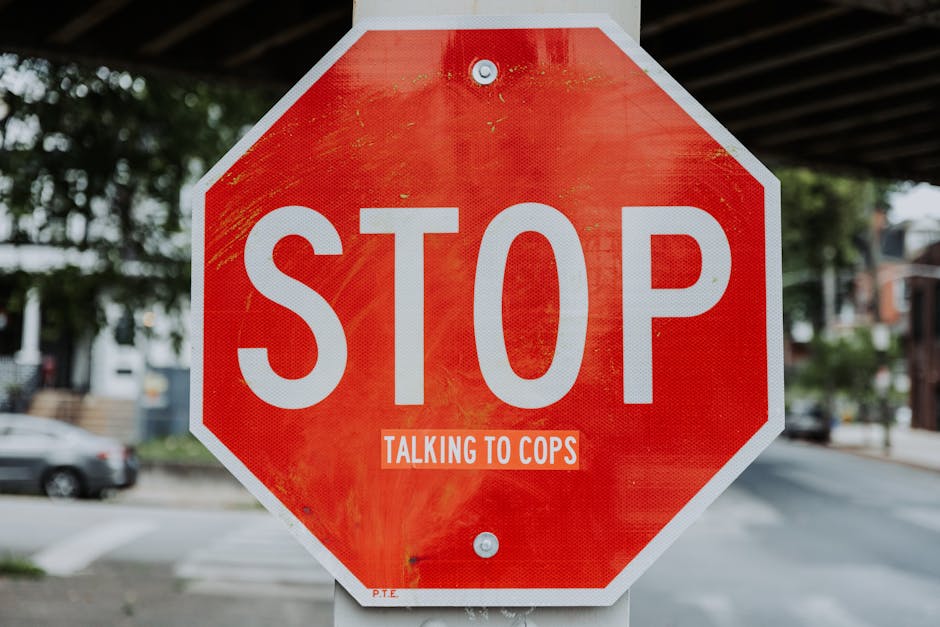
In this article, we’ll explore: Tell the FDA to Stop Animal Tests for Sunscreen and Period Products and why it matters today.
The Hidden Cost of Your Morning Routine: Why It’s Time to Modernize Safety Testing
We all have our daily rituals. Maybe you start your morning by slathering on a layer of SPF 50 before heading out for a run. Or perhaps you’re reaching for a box of tampons during your monthly cycle. These are basic, essential items we use to stay healthy and comfortable. We trust that they are safe because, well, the government says so.
Learn more:
Tell the FDA to Stop Animal Tests for Sunscreen and Period Products on Wikipedia
But there’s a side to these products that most of us don’t see on the glossy packaging. In the United States, many of the ingredients in your favorite sunscreen and the materials in your period products are still tested on animals. It sounds like something out of a 1950s science textbook, doesn’t it? Yet, here we are in the 2020s, and thousands of rabbits, mice, and guinea pigs are still being used to “prove” that a new sunscreen filter won’t irritate your skin.
It is time for a change. It is time to tell the FDA to stop animal tests for sunscreen and period products. Not just because it’s the kind thing to do, but because it’s the scientifically smart thing to do. Let’s dive into why this is happening and how we can move toward a more compassionate, high-tech future.
Why Does the FDA Still Require Animal Testing?
To understand the problem, we have to look at how the FDA (Food and Drug Administration) classifies these items. In many parts of the world, like the European Union, sunscreen is considered a cosmetic. However, in the United States, sunscreen is classified as an “over-the-counter” (OTC) drug. Because it makes a medical claim—protecting you from skin cancer and sunburn—it falls under stricter regulations.
Similarly, period products like tampons and menstrual cups are classified as “medical devices.” Because they are used internally, the FDA requires rigorous safety data to ensure they don’t cause irritation, allergic reactions, or toxic shock syndrome.
The issue isn’t that we want less safety. We want better safety. The current FDA guidelines often rely on “legacy” testing methods. These are tests developed decades ago that involve applying chemicals to the shaved skin of rabbits or forcing animals to ingest substances. The FDA’s stance has traditionally been: “This is how we’ve always done it, and it works.” But the world has moved on, and science has leaped forward.
The “Species Gap” Problem
Here is a simple truth: a rabbit is not a human. A mouse is not a human. While we share some biological similarities, our skin structure, immune systems, and reproductive tracts are vastly different. Many times, a product that appears “safe” in an animal test causes a reaction in humans, or vice versa. This “species gap” means that animal testing isn’t just cruel—it’s often inaccurate.
Modern Alternatives: Science That Actually Works
If you want to tell the FDA to stop animal tests for sunscreen and period products, you should know that we already have the “better way” ready to go. We aren’t choosing between animal cruelty and human safety. We are choosing between outdated methods and cutting-edge technology.
- In Vitro Testing (Lab-Grown Human Skin): Scientists can now grow human skin cells in a lab that mimic the layers of actual human flesh. When we test a new sunscreen ingredient on these cells, we get a much more accurate picture of how a human will react than we ever could from a rabbit.
- Computer Modeling (In Silico): Advanced algorithms and AI can now predict how a chemical will interact with human biology based on its molecular structure. These models can run thousands of simulations in seconds.
- Organ-on-a-Chip: This is mind-blowing tech. Scientists create tiny chips that mimic the functions of human organs, including the reproductive system. This allows researchers to see how materials used in period products might affect human tissue without ever involving a living being.
These methods are faster, often cheaper in the long run, and significantly more predictive of human health outcomes. So, why is the FDA lagging behind?
The Reality of Period Product Testing
Let’s talk specifically about period products for a moment. For a long time, the conversation around menstrual health was “hush-hush.” This lack of transparency extended to how these products were tested. To ensure that a tampon is safe for internal use, companies have historically used animal models to check for vaginal irritation and systemic toxicity.
But think about that for a second. The delicate microbiome of a human is unique. Using animals to test for things like Toxic Shock Syndrome (TSS) or mucosal irritation is a roundabout way of getting data that might not even apply to the person using the product. By switching to human-cell-based models, we can get specific data on how these materials interact with human mucus membranes. It’s safer for the consumer and eliminates the need for animal suffering.
Sunscreen: The Innovation Logjam
If you’ve ever traveled to Europe or Asia, you might have noticed that their sunscreens feel different. They are often lighter, less greasy, and offer better protection against UVA rays. This is because those regions have approved newer, more advanced UV filters.
In the U.S., we haven’t had a new sunscreen filter approved in years. Part of the reason is the massive hurdle of animal testing required by the FDA. Small companies with innovative, vegan, and reef-safe ingredients often can’t afford the millions of dollars and years of animal trials required to get a new filter on the market. When we tell the FDA to stop animal tests for sunscreen and period products, we are also asking them to open the door for better, more effective sun protection that could save lives from skin cancer.
Real-World Example: The Success of the Cosmetic Industry
We don’t have to wonder if a ban on animal testing would work. We’ve already seen it happen in the cosmetics industry. Over 40 countries have banned or severely restricted animal testing for cosmetics (like lipstick, mascara, and moisturizer). Brands like Lush, Dove, and many others have proven that you can create incredibly popular, safe, and effective products without ever hurting an animal.
The sky didn’t fall. People didn’t start having mass allergic reactions to their blush. Instead, the industry pivoted to the modern alternatives we mentioned earlier. If we can do it for mascara, we can certainly do it for the SPF we wear every day and the period products we rely on every month.
Key Takeaways: Why This Matters
- Human Safety First: Modern non-animal tests are more accurate at predicting human reactions than animal tests.
- Innovation: Outdated testing requirements prevent new, better, and safer ingredients from reaching the U.S. market.
- Ethics: Millions of animals are harmed for products that already have safe, proven alternatives.
- Global Standards: Much of the world has already moved away from these tests; the U.S. is falling behind.
How You Can Take Action
Change doesn’t happen because the government decides to be nice. It happens because citizens demand it. If you are ready to tell the FDA to stop animal tests for sunscreen and period products, here is how you can make your voice heard:
1. Support the Humane Cosmetics Act
While this act primarily focuses on cosmetics, expanding its scope to include OTC drugs like sunscreen is a major goal for many advocacy groups. Contact your local representatives and tell them you support legislation that ends animal testing for all personal care items.
2. Vote with Your Wallet
Look for the “Leaping Bunny” certification on your products. While some ingredients are legally required to be tested on animals by the FDA, many companies use existing, safe ingredients that don’t require new animal trials. Support brands that are vocal about their opposition to animal testing.
3. Sign Petitions and Public Comments
The FDA often opens “public comment” periods when they are reviewing regulations. This is your chance to speak directly to them. Organizations like PETA, the Humane Society, and Cruelty Free International often host easy-to-use forms that send your message straight to the FDA’s inbox.
Final Thoughts: A Future Without Cruelty
Imagine a world where your bathroom cabinet is filled with products that are not only high-performing but also completely cruelty-free. Imagine a scientist in a lab using a “skin-on-a-chip” to ensure your new sunscreen is perfect for your face, knowing that no living creature had to suffer for that data.
That world is possible. The technology exists. The only thing missing is a shift in policy. By choosing to tell the FDA to stop animal tests for sunscreen and period products, you are joining a growing movement of people who believe that science and compassion should go hand in hand. Let’s move past the 1950s and embrace a future where our health doesn’t come at the expense of others.
Frequently Asked Questions
Is sunscreen still tested on animals in 2024?
Yes. Because the FDA classifies sunscreen as an over-the-counter drug, new sunscreen active ingredients are often subject to animal testing requirements to prove safety and efficacy before they can be sold in the U.S.
Are there any period products that are not tested on animals?
Many brands use materials that have a long history of safe use, allowing them to avoid new animal tests. Look for brands that are “Cruelty-Free” certified, as they commit to not conducting new animal testing on their finished products or ingredients where they have control.
Are non-animal tests as safe as animal tests?
In many cases, they are safer. Non-animal methods like human cell cultures and computer modeling are specifically designed to mimic human biology, whereas animal tests rely on the hope that a different species will react the same way a human does.
Why hasn’t the FDA changed its rules yet?
Regulatory agencies are often slow to change because they rely on established protocols. However, with enough public pressure and the continued success of non-animal methods in other countries, the FDA is beginning to explore “New Approach Methodologies” (NAMs).
What can I do today to help?
The most immediate thing you can do is spread the word. Most people have no idea that their sunscreen or tampons are linked to animal testing. Sharing information and supporting cruelty-free brands sends a clear message to the FDA and manufacturers alike.
Written with AI assistance and refined for quality.
🔗 Related: Pee Safe’s new campaign with Smriti…