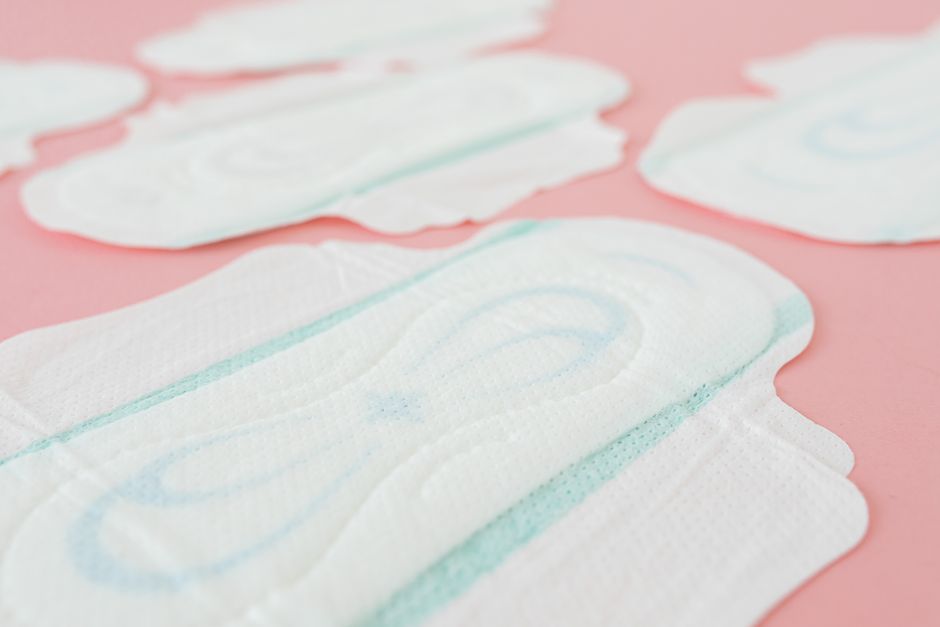
In this article, we’ll explore: Period poverty: causes and related issues and why it matters today.
Related:
👉 BcozSheMatters: Why the WHO and Health Ministry’s New Campaign is a Game-Changer for Women Everywhere
👉 Why Young Moms in Mangaluru Shouldn’t Ignore the "Little Leaks": A Guide to Pelvic Health
👉 The Hidden Crisis: Understanding Period Poverty, Its Causes, and the Ripple Effect on Society
Learn more: Period poverty: causes and related issues on Investopedia
Imagine being a fourteen-year-old girl named Amara. She lives in a small village where every penny her family earns goes toward food and rent. When her period arrives, there is no money left for pads or tampons. Instead of focusing on her math test, Amara spends her day worrying about leaks. She uses old, rough rags or even bundled-up newspaper to manage her flow. Eventually, the embarrassment becomes too much, and she decides to stay home from school altogether. This isn’t just a bad day; it’s a monthly cycle that puts her education—and her future—at risk.
Amara’s story isn’t unique. It is the reality for millions of people worldwide. This phenomenon is known as period poverty. It is a global crisis that hides in the shadows because society often finds menstruation “taboo” to talk about. But if we want to build a fairer world, we have to pull back the curtain on period poverty: causes and related issues.
What Exactly is Period Poverty?
At its simplest, period poverty is the lack of access to menstrual products, hygiene facilities, and reproductive education. However, it is much deeper than just “not having a pad.” It is a struggle for dignity. It’s about the girl in the UK who misses school because her parents can’t afford supplies, the woman in a refugee camp who lacks clean water to wash herself, and the employee in the US who has to choose between buying a box of tampons or a gallon of milk.
Period poverty affects people’s health, their education, and their ability to work. It is a barrier to gender equality that persists in both developing nations and wealthy countries alike.
Period Poverty: Causes and Related Issues Explained
Understanding why this happens is the first step toward fixing it. There isn’t just one “villain” in this story; rather, it’s a combination of economic, social, and structural factors that create a perfect storm.
1. The High Cost of Menstrual Products
The most obvious cause is the price tag. Menstrual products are not a luxury; they are a biological necessity. Yet, in many places, they are taxed as luxury items (often called the “Tampon Tax”). When you combine high retail prices with low household income, pads and tampons become unreachable. For a family living below the poverty line, spending $10 to $15 a month per person on period products is simply not sustainable.
2. Lack of Clean Water and Private Spaces
Even if someone has a pad, they need a safe, private place to change it and clean water to wash their hands. In many parts of the world, schools and workplaces do not have private toilets or running water. Without these basic facilities, managing a period becomes a logistical nightmare. This lack of infrastructure is a massive driver of period poverty, especially in rural areas or crowded urban slums.
3. Cultural Stigma and the “Shame” Factor
In many cultures, menstruation is still viewed as “dirty” or “impure.” This stigma prevents people from talking about their needs. If a young girl is too ashamed to tell her teacher she needs help, or if a mother is too embarrassed to ask for supplies at a food bank, the cycle of poverty continues. This silence means that period poverty remains a hidden issue, making it harder for policymakers to address it.
4. Lack of Education
Many individuals start their periods without knowing what is happening to their bodies. Without proper menstrual health education, people don’t know how to track their cycles or how to use products safely. This lack of knowledge leads to fear and mismanagement, which further exacerbates the physical and emotional toll of the period.
The Ripple Effect: Related Issues and Consequences
Period poverty doesn’t exist in a vacuum. It triggers a chain reaction of problems that affect every aspect of a person’s life.
- Educational Gaps: When students miss school every month because they lack supplies, they fall behind. Over time, this leads to higher dropout rates for girls, limiting their career opportunities and keeping them trapped in a cycle of poverty.
- Physical Health Risks: When forced to use improvised materials like rags, leaves, or sand, the risk of urinary tract infections (UTIs) and reproductive tract infections skyrockets. In extreme cases, reusing dirty pads or using items like sponges can lead to life-threatening conditions like Toxic Shock Syndrome (TSS).
- Mental Health and Self-Esteem: The constant fear of leaking and the shame associated with “being dirty” takes a heavy toll. Many people experience high levels of anxiety and depression during their cycles because they feel unsupported and isolated.
- Economic Impact: Adults who cannot afford period products may miss work. For those in hourly-wage jobs, missing three to five days of work a month can mean the difference between paying rent and being evicted.
Real-World Examples of the Struggle
To truly understand the weight of this issue, we should look at how it manifests in different environments.
In the United States: A study found that nearly two-thirds of low-income women in a major U.S. city could not afford menstrual hygiene products at some point during the year. Many had to choose between food and cloth pads. Even though the U.S. is a wealthy nation, the lack of government assistance for these products (they often aren’t covered by WIC or SNAP) leaves many behind.
In Rural Kenya: Some reports have highlighted a devastating trend where young girls are forced into “transactional sex” just to get enough money to buy a packet of pads. This exposes them to HIV/AIDS, teenage pregnancy, and further exploitation, all because of a basic biological function.
In India: For a long time, only a small percentage of women in rural India used sanitary napkins. While this is changing thanks to local entrepreneurs and activists, the deep-seated cultural belief that menstruating women should stay out of kitchens or temples still persists, adding a layer of social exclusion to the physical lack of products.
Breaking the Cycle: How Can We Help?
The good news is that the world is waking up. We are starting to see real movement in the fight against period poverty. But there is still so much to do.
Policy Changes
Governments need to step up. This includes removing the “Tampon Tax” and providing free period products in all public schools, prisons, and homeless shelters. Scotland became a world leader in this regard by becoming the first country to make period products free for everyone who needs them.
Normalizing the Conversation
We need to stop whispering about periods. By talking openly about menstrual health, we strip away the shame. Education should be inclusive, teaching everyone—regardless of gender—about how menstruation works. When we normalize the conversation, we make it easier for people to ask for help without fear of judgment.
Supporting Grassroots Organizations
There are incredible nonprofits working on the ground to distribute reusable pads, install clean water systems in schools, and provide health education. Supporting these groups through donations or volunteering can have an immediate impact on someone’s life.
Key Takeaways
- Period poverty: causes and related issues are deeply linked to systemic poverty, lack of infrastructure, and social stigma.
- It is a global issue affecting people in both high-income and low-income countries.
- The consequences range from educational setbacks and economic loss to severe health infections.
- Solutions require a mix of government policy, improved sanitation, and a massive shift in how society views menstruation.
- Access to period products is a fundamental human right, not a luxury.
Frequently Asked Questions
Is period poverty only a problem in developing countries?
No. While the challenges might look different, period poverty is a significant issue in wealthy nations like the US, UK, and Canada. In these countries, the high cost of products and the lack of government support for low-income individuals are the primary drivers.
What are the most common health risks associated with period poverty?
The most common risks include urinary tract infections (UTIs), bacterial vaginosis, and skin irritation from using unhygienic materials. In severe cases, it can lead to more serious reproductive health issues.
How does period poverty affect gender equality?
When girls miss school and women miss work due to their periods, it creates a gap in opportunity. It reinforces the idea that biological functions are a “weakness” and prevents half the population from participating fully in society.
Can reusable products solve the problem?
Reusable products like menstrual cups or washable pads are great long-term solutions, but they require access to clean water and soap for sterilization. Without proper sanitation, reusable products can actually increase the risk of infection.
What can I do as an individual to help?
You can donate products to local food banks, support legislation that eliminates the tampon tax, and most importantly, talk about menstruation openly to help break the stigma in your own community.
Period poverty is a complex problem, but it is one we can solve. By addressing the period poverty: causes and related issues with empathy and action, we can ensure that no one ever has to choose between their dignity and their health again. It’s time to make sure that a natural monthly cycle never stands in the way of a person’s potential.
Written with love and assistance and refined for quality.
🔗 Related: Perineal muscle strength as a predictor…
🔗 Related: Yes Creatine Can Help With StrengthBut…