In this article, we’ll explore: Research Shows This Supplement Can Help Build Lean Muscle And Improve Brain Health and why it matters today.
Related:
👉 The Surprising Science of Creatine: How This One Supplement Boosts Your Body and Your Brain
👉 The Secret Shield: How Estrogen Levels in Both the Male and Female Brain May Shape Memory's Resilience in Face of Stress
👉 BcozSheMatters: WHO Health Ministry roll out campaign on women and girls health and well-being – Why This Changes Everything
Learn more: Research Shows This Supplement Can Help Build Lean Muscle And Improve Brain Health on Google Search
If you’ve ever walked into a health food store or scrolled through fitness social media, you’ve probably felt overwhelmed. There are thousands of jars, pills, and powders all claiming to be the “secret” to a better life. Most of them are, frankly, a waste of money. They’re fancy marketing wrapped in plastic.
But what if I told you there’s one specific supplement that has been studied for decades, is incredibly cheap, and is safe for almost everyone? Even better, what if I told you it’s not just for bodybuilders with giant biceps?
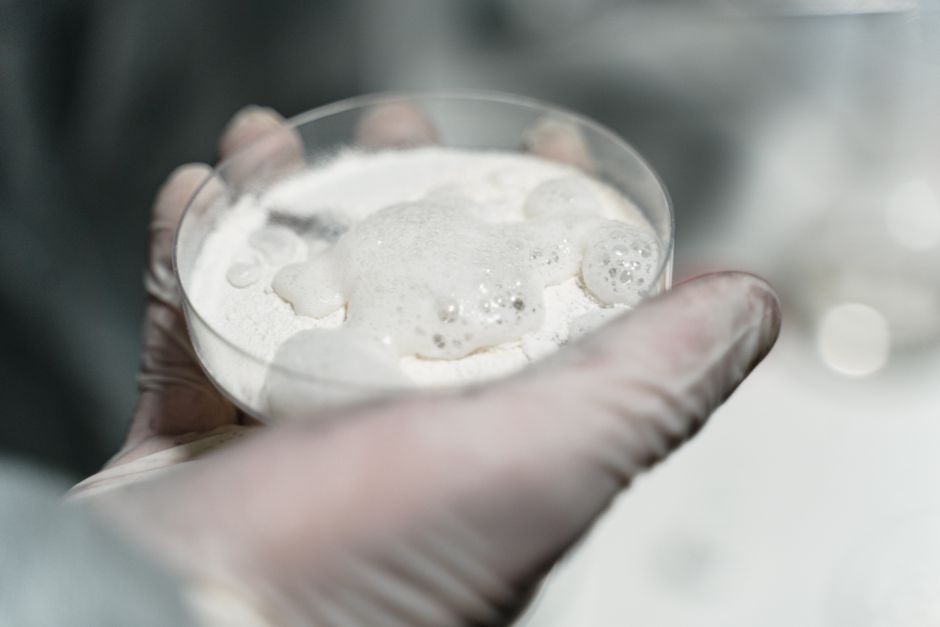
I’m talking about Creatine Monohydrate. While it’s famous in the gym world, the latest science is showing that it does something much more impressive than just helping you lift heavy things. Research Shows This Supplement Can Help Build Lean Muscle And Improve Brain Health, making it one of the most versatile tools in your wellness kit.
Let’s dive into why this “old school” supplement is making a massive comeback for people of all ages.
What Exactly Is Creatine, Anyway?
Before we get into the benefits, let’s clear up the mystery. Creatine isn’t a steroid. It’s not a lab-created chemical that’s foreign to your body. In fact, your body already makes it! It’s a natural compound found in your muscle cells.
You also get it from your diet—specifically from red meat and fish. However, to get the amount of creatine needed to see significant benefits, you’d have to eat about two pounds of raw steak every single day. Since most of us aren’t doing that, a simple scoop of powder in your morning water or coffee does the trick.
How It Works: The Battery Metaphor
Think of your cells like a smartphone. When you’re working out or thinking hard, you’re using up the battery. In your body, that battery is called ATP (Adenosine Triphosphate). When you use energy, ATP loses a phosphate molecule and becomes ADP.
Creatine acts like a backup power bank. It provides that missing phosphate molecule to turn ADP back into ATP instantly. It keeps your “battery” charged for longer, whether you’re doing a sprint or trying to solve a complex problem at work.
Building Lean Muscle: More Than Just “Bulk”
For a long time, women and older adults stayed away from creatine because they were afraid of getting “bulky.” Let’s put that myth to bed right now. Creatine doesn’t make you wake up looking like a professional bodybuilder. What it does is help you perform better so you can build lean, functional muscle.
When you have more energy in your muscle cells, you can do one or two more repetitions in the gym. You can run that extra hill. Over time, those small wins add up to significant changes in body composition.
- Increased Strength: Studies consistently show that people taking creatine see a 5% to 15% increase in strength and power.
- Better Recovery: It helps reduce muscle cell damage and inflammation after a hard workout.
- Hydrated Muscles: Creatine draws water into your muscle cells. This isn’t “bloating”; it’s cellular hydration, which makes your muscles look fuller and helps them grow.
Example: Imagine Sarah, a 45-year-old who wants to stay toned and keep her bones strong. She starts taking 5 grams of creatine daily. She notices that during her Pilates class, she doesn’t get exhausted halfway through. She’s able to hold her positions longer, leading to better muscle tone and more confidence.
The Hidden Benefit: A Sharper Brain
This is where the conversation gets really exciting. While the gym crowd has known about creatine for years, the medical community is just now realizing its potential for the brain. Your brain is an energy hog—it uses about 20% of your body’s total calories.
Since Research Shows This Supplement Can Help Build Lean Muscle And Improve Brain Health, scientists are looking at how that “backup battery” effect works for your gray matter.
Mental Clarity and Focus
In studies where participants were sleep-deprived, those taking creatine performed significantly better on cognitive tests than those who weren’t. It helps your brain maintain its energy levels during stressful or demanding tasks. If you’ve ever felt “brain fog” after a long day of meetings, creatine might be the missing piece of the puzzle.
Protection Against Aging
As we get older, our natural creatine levels in the brain can drop. Emerging research suggests that supplementing with creatine may help protect against neurodegenerative diseases and keep our memory sharp as we age. It’s essentially “anti-aging” for your mind.
Real-World Example: The Busy Professional
Consider Mark, a software engineer who works 50 hours a week. He noticed that by 3:00 PM, he couldn’t focus on his code anymore. After adding creatine to his routine, he felt a subtle but consistent “mental stamina.” He wasn’t jittery like he was on caffeine; he just felt like his brain had more gas in the tank to get through the afternoon slump.
Is It Safe? Busting the Common Myths
Whenever a supplement is this effective, people get suspicious. Let’s look at the three biggest myths about creatine:
Myth 1: “It’s bad for your kidneys.”
This is the most common concern. However, hundreds of studies on healthy individuals have shown that long-term creatine use (even for years) has no negative impact on kidney function. If you have pre-existing kidney disease, you should always talk to your doctor, but for the average person, it’s incredibly safe.
Myth 2: “It causes hair loss.”
This myth started from one single study on rugby players years ago that showed a slight increase in a hormone called DHT. Since then, no other study has been able to replicate those results or show any link between creatine and going bald. You can keep your hair and your gains!
Myth 3: “It’s only for men.”
Absolutely false. In fact, women may benefit from creatine even more than men, especially during different parts of their menstrual cycle or during menopause when energy levels can fluctuate. It helps women maintain lean muscle mass, which is crucial for a healthy metabolism.
How to Take It for Maximum Results
You don’t need fancy “buffered” creatine or expensive liquid versions. The gold standard is Creatine Monohydrate. It’s the most researched and the most affordable.
- The Dosage: 3 to 5 grams per day is the “sweet spot” for almost everyone.
- The Timing: It doesn’t really matter when you take it. The goal is to keep your muscle and brain stores saturated. Take it whenever you’ll remember—morning, noon, or night.
- Consistency is Key: Unlike caffeine, you won’t feel creatine working instantly. It takes about 2 to 4 weeks of daily use to fully saturate your system.
Key Takeaways
- Double Benefit: It’s one of the few supplements that helps both physical performance and mental clarity.
- Backed by Science: Over 500 studies support its safety and effectiveness.
- Affordable: It usually costs less than $0.50 per serving.
- Safe for All: Men, women, and older adults can all benefit from the muscle-sparing and brain-boosting effects.
- Simple Routine: Just 5 grams a day of creatine monohydrate is all you need.
Frequently Asked Questions (FAQ)
Do I need to “load” creatine?
You might hear people talk about a “loading phase” where you take 20 grams a day for a week. You don’t have to do this. Taking 5 grams a day will get you to the same place in about three weeks without the potential stomach upset that comes with high doses.
Will I gain weight?
You might see the scale go up by 1-3 pounds in the first week. This is not fat! It is simply water being pulled into your muscle cells to help them work better. Most people find they actually look leaner because their muscles are more hydrated.
Can I take it if I don’t exercise?
Yes! While the muscle benefits are maximized with exercise, the brain health benefits apply to everyone. Even if you just want more mental energy and to protect your brain as you age, creatine is a great choice.
Should I take it on rest days?
Yes. To keep the levels in your body consistent, you should take your 5-gram dose every single day, even on days you aren’t hitting the gym.
Final Thoughts
In a world of “miracle cures” and “bio-hacks,” creatine stands out because it actually delivers on its promises. Research Shows This Supplement Can Help Build Lean Muscle And Improve Brain Health, and it does so without breaking the bank or causing nasty side effects.
Whether you’re looking to hit a new personal record in the gym, stay sharp during a grueling work project, or simply maintain your health as you get older, creatine is a simple, effective tool that deserves a spot in your daily routine. Give it a month, stay consistent, and let the science do the work.
Written with love and assistance and refined for quality.
🔗 Related: Women with polycystic ovary syndrome exhibit…
🔗 Related: Estrogen levels in both the male…
🔗 Related: Research Shows This Supplement Can Help…