
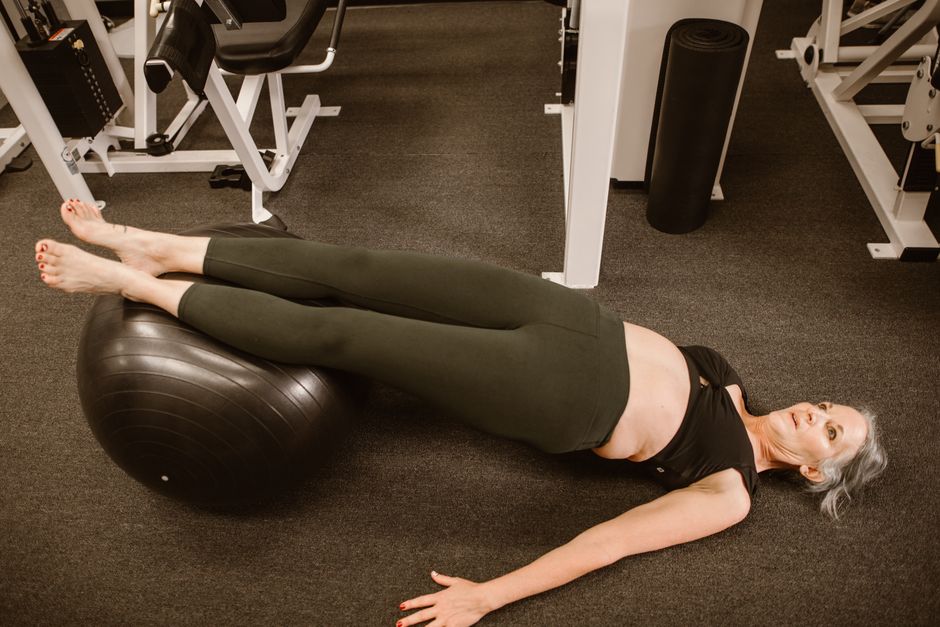
In this article, we’ll explore: Perineal muscle strength as a predictor of stress urinary incontinence among young parous women in Mangaluru India and why it matters today.
Related:
👉 A Legacy of Fire: Why Gloria Steinem’s Mission to Change the World Matters Now More Than Ever
👉 "I Feel More Comfortable Asking Questions": How We Worked with Mosques to Talk with Muslim Women About Reproductive Health
👉 Why We Need to Talk About Pelvic Health: Understanding Perineal Muscle Strength in Young Mothers in Mangaluru
Imagine you’re enjoying a beautiful evening at Panambur Beach with your family. Your toddler is running toward the waves, laughing, and you chase after them. But as you jump over a small sandcastle, you feel it—that tiny, involuntary leak. You freeze for a second, hoping no one noticed, and the joy of the moment is suddenly dampened by a wave of embarrassment.
If this sounds familiar, you aren’t alone. For many young mothers in Mangaluru, this “silent leak” is a daily reality. It happens when you sneeze at a wedding, when you laugh at a joke during a family dinner in Hampankatta, or when you lift a heavy grocery bag. This condition is known as Stress Urinary Incontinence (SUI).
While often dismissed as “just part of being a mom,” science tells a different story. Recent studies focusing on perineal muscle strength as a predictor of stress urinary incontinence among young parous women in Mangaluru India have shown that we can actually predict and manage this condition by looking closely at the strength of the pelvic floor.
What Exactly is Stress Urinary Incontinence (SUI)?
Stress Urinary Incontinence isn’t about emotional stress. Instead, it refers to physical “stress” or pressure on the bladder. When your pelvic floor muscles—the “hammock” that supports your bladder—are weak, any sudden movement can cause the bladder to leak.
Think of your pelvic floor like a garden hose. If the tap is firm and the hose is strong, the water stays in until you turn it on. But if the tap is loose or the hose has lost its elasticity, a little bit of pressure elsewhere makes the water dribble out. For young women who have recently given birth (parous women), those “hose” muscles have been through a lot of stretching and strain.
The Mangaluru Context: Why This Study Matters
Mangaluru is a unique blend of traditional values and a rapidly modernizing lifestyle. Many young women here balance demanding careers with traditional household roles. Despite high literacy rates and excellent healthcare facilities in the city, many women still feel hesitant to talk about “down there” issues.
The research into perineal muscle strength as a predictor of stress urinary incontinence among young parous women in Mangaluru India is vital because it moves the conversation from “shame” to “science.” It highlights that SUI isn’t just an “old age” problem; it’s a physical strength issue that affects young, vibrant women in our own community.
The Story of Ananya: A Common Reality
Let’s look at Ananya (name changed), a 29-year-old software professional living in Kadri. Ananya had her first baby two years ago. She’s healthy, goes for walks, and eats well. However, she stopped attending her favorite Zumba classes because every time she did a “jumping jack,” she experienced leakage.
Ananya thought she was the only one. She didn’t realize that the physical toll of pregnancy and a vaginal delivery had significantly weakened her perineal muscles. In her mind, she was “too young” for this. It wasn’t until she participated in a local health screening that she learned her perineal muscle strength could actually predict her risk of SUI. By measuring that strength, doctors could tell her exactly why she was leaking and, more importantly, how to fix it.
How Perineal Muscle Strength Predicts SUI
The perineal muscles are a crucial part of the pelvic floor. During pregnancy, the weight of the growing baby puts constant pressure on these muscles. During childbirth, these muscles stretch significantly to allow the baby to pass through. For many women in Mangaluru, especially those with multiple children or those who had long labors, these muscles don’t always “snap back” to their original strength.
The Science of Prediction
How do researchers use perineal muscle strength as a predictor of stress urinary incontinence among young parous women in Mangaluru India? It usually involves a few key metrics:
- Pressure Measurement: Using devices like a perineometer to measure the “squeeze” power of the pelvic muscles.
- Duration: How long a woman can hold a pelvic contraction.
- Repetition: How many times the muscle can contract before it gets tired.
The data is clear: women with lower perineal muscle strength scores are significantly more likely to experience SUI. By identifying these women early—even before they start leaking—healthcare providers in Mangaluru can intervene with targeted exercises.
Why Young Moms? Breaking the Age Myth
There is a common misconception that urinary leakage is something that only happens to our grandmothers. This myth prevents young women from seeking help. The reality is that the “young parous” group (women who have given birth and are usually under 40) is at a high risk because of the immediate trauma of childbirth.
In Mangaluru, where many women are now opting for their first pregnancy in their late 20s or early 30s, the body’s recovery time might differ from someone in their teens. Understanding that muscle strength is the primary predictor allows young moms to take control of their bodies early on.
Practical Steps: Strengthening the “Hammock”
If you suspect your perineal muscle strength is low, you don’t have to just “live with it.” Here are some real-world steps women in Mangaluru are taking to reclaim their confidence:
1. Pelvic Floor Physiotherapy
Mangaluru is home to some of the best hospitals and physiotherapy clinics in Karnataka. Specialized pelvic floor physical therapy is becoming more common. These experts use biofeedback to show you exactly which muscles to move.
2. The Right Way to do Kegels
Most people have heard of Kegels, but many do them incorrectly. It’s not just about squeezing; it’s about the “lift and tuck.” Imagine you are trying to pick up a marble with your pelvic muscles. If you’re doing it while holding your breath or squeezing your thighs, you’re not hitting the right spot!
3. Lifestyle Adjustments
- Hydration: Many women stop drinking water to avoid leaks, but this makes urine concentrated and irritates the bladder. Drink plenty of water, but space it out.
- Weight Management: Extra body weight puts more pressure on the pelvic floor.
- Chronic Cough Treatment: If you have a persistent cough (perhaps from allergies or dust), treat it quickly. Every cough is a “hit” to your pelvic floor.
The Cultural Barrier: Talking About It
In many Indian households, topics like “perineal strength” or “incontinence” are rarely discussed at the dinner table. There is often a sense of “Sahanashakti” (endurance/patience) where women are expected to suffer in silence. However, the study on perineal muscle strength as a predictor of stress urinary incontinence among young parous women in Mangaluru India proves that this is a clinical issue, not a character flaw.
By talking to your doctor at a clinic in Bejai or Surathkal, you aren’t being “weak.” You are being proactive about your long-term health. Untreated SUI can lead to social isolation, anxiety, and even depression as women withdraw from the activities they love.
Key Takeaways for Mangalorean Moms
- Leakage isn’t “Normal”: It might be common, but it is not a mandatory part of motherhood.
- Strength is Key: Your perineal muscle strength is the best predictor of whether you will suffer from SUI.
- Early Intervention: If you’ve just had a baby, start focusing on pelvic health now, even if you don’t have symptoms yet.
- Professional Help is Available: Mangaluru has excellent resources; don’t hesitate to consult a gynecologist or a pelvic floor physiotherapist.
The Road Ahead: Confidence and Health
Understanding perineal muscle strength as a predictor of stress urinary incontinence among young parous women in Mangaluru India is a game-changer. It shifts the focus from “dealing with the leak” to “building the strength.”
When women have the strength to laugh, run, and play without fear, the whole community benefits. You deserve to go for that walk at Kadri Park or enjoy a shopping trip at City Centre Mall without worrying about where the nearest restroom is or whether your clothes will stay dry.
Frequently Asked Questions (FAQ)
1. Is SUI permanent after childbirth?
Not necessarily! In many cases, with proper pelvic floor exercises and physiotherapy, SUI can be significantly improved or even completely cured. The key is consistent muscle training.
2. How can I test my muscle strength at home?
While a professional check is best, you can try to stop the flow of urine mid-stream once (don’t do this regularly as it can cause UTIs). If you can’t stop it or slow it down, your perineal muscles likely need strengthening.
3. Does a C-section prevent SUI?
Not always. While vaginal delivery is a major factor, the pressure of carrying a baby for nine months also weakens the pelvic floor. Women who have C-sections can still experience SUI.
4. How long does it take to see results from exercises?
Muscle building takes time. Most women start noticing a difference after 6 to 12 weeks of consistent pelvic floor exercises.
5. Where can I find help in Mangaluru?
Most major hospitals in the city (like KMC, Father Muller, or AJ Hospital) have OB-GYN departments and physiotherapy units that specialize in women’s health and pelvic floor rehabilitation.
Your health is your greatest asset. Don’t let the “silent leak” hold you back from the vibrant life you deserve in our beautiful coastal city. Start focusing on your strength today!
Written with love and assistance and refined for quality.
🔗 Related: I feel more comfortable asking questions:…
🔗 Related: She was out to change the…
🔗 Related: Union Health Ministry rolls out Delhi…



Pingback: "I Feel More Comfortable Asking Questions": How We Worked with Mosques to Talk with Muslim Women About Reproductive Health