In this article, we’ll explore: The Two Cents Problem: The Long Tail of Period Poverty and why it matters today.
Related:
👉 The Silent Thief: Why Menopause and GLP-1 Drugs Are a Perfect Storm for Bone Loss in Women
👉 Why Her Health Changes Everything: A Deep Dive into the BcozSheMatters: WHO Health Ministry roll out campaign on women and girls health and well-being
👉 The Two Cents Problem: The Long Tail of Period Poverty
Learn more: The Two Cents Problem: The Long Tail of Period Poverty on Google Search
Imagine you are sitting in a classroom, halfway through a math test. Suddenly, you feel that familiar, dreaded sensation. You realize your period has started. For most of us in privileged positions, this is an inconvenience. We ask a friend for a pad, head to the restroom, and get back to the test. But for millions of girls around the world, this moment marks the end of their school week—and sometimes, the end of their education entirely.
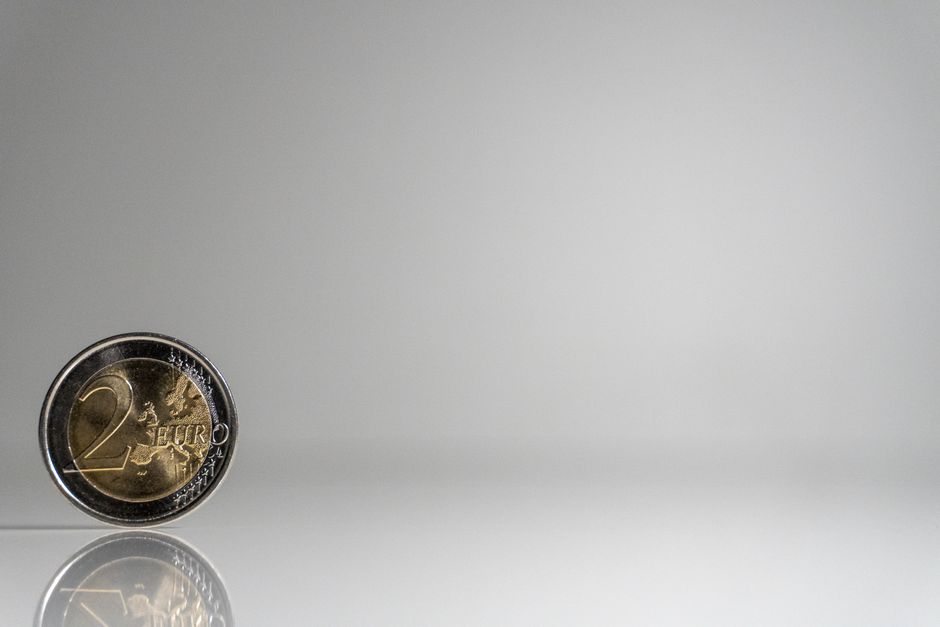
This is what we call The Two Cents Problem: The Long Tail of Period Poverty. It sounds like a small figure, doesn’t it? Two cents. In many parts of the world, the difference between a girl staying in school or dropping out forever is the cost of a single sanitary pad—a cost that often boils down to just a few cents. But the “long tail” of this problem stretches far beyond a few days of bleeding. It winds through economic stagnation, mental health crises, and the cycle of generational poverty.
What Exactly is the “Two Cents Problem”?
The term “The Two Cents Problem” refers to the razor-thin margin that keeps people in poverty. When we talk about period poverty, we aren’t just talking about a lack of products. We are talking about a systemic failure where the most basic biological function becomes a financial liability.
In many developing economies, a pack of pads might cost the equivalent of a day’s wages. If a family has to choose between buying a bag of rice to feed three children or buying a pack of pads for one daughter, the rice wins every time. That “two cents” difference in manufacturing or subsidizing these products is the barrier. When that barrier isn’t crossed, the “long tail” begins to grow.
The “Long Tail” Explained
In statistics and business, the “long tail” refers to the long-term, lingering effects of a single event. In the context of period poverty, the long tail is the cumulative disadvantage. One missed day of school leads to five missed days a month. Five days a month leads to 50 or 60 days a year. Eventually, the student falls so far behind that she drops out. A dropout earns significantly less over her lifetime, and the cycle of poverty continues for her children. That is the long tail in action.
The Hidden Impact on Education and the Economy
We often hear that “knowledge is power,” but knowledge is hard to acquire when you are sitting at home on a piece of cardboard because you can’t afford a pad. Let’s look at some real-world examples of how this plays out.
- Sub-Saharan Africa: UNESCO estimates that one in ten girls in Sub-Saharan Africa misses school during their menstrual cycle. Some girls lose as much as 20% of a given school year.
- India: Studies have shown that nearly 23% of girls drop out of school once they reach puberty due to a lack of functional toilets and access to sanitary products.
- The United States: This isn’t just a “developing world” issue. In the U.S., one in four teens has struggled to afford period products, leading to missed classes and “period shaming.”
When women are forced out of the workforce or girls are forced out of school, the global economy suffers. We are essentially benching half of our “team” because of a biological process. The loss in potential GDP is measured in the billions, all because of a “two cents” product gap.
The Psychological Toll: More Than Just Physical
Period poverty isn’t just about blood and cotton; it’s about dignity. Imagine the anxiety of a young girl constantly checking the back of her skirt, terrified of a stain that will lead to months of bullying. This is the psychological aspect of The Two Cents Problem: The Long Tail of Period Poverty.
The stigma surrounding menstruation leads to a “culture of silence.” When you can’t afford products, you use “makeshift” solutions: old rags, newspapers, husks of corn, or even dried mud. These methods are not only ineffective but lead to horrific infections and long-term reproductive health issues. The shame associated with these makeshift methods causes deep psychological scarring, lowering self-esteem and discouraging girls from pursuing leadership roles.
A Story from the Field
I once spoke with a volunteer who worked in a rural village in Western Kenya. She met a girl named Amara. Amara was the top of her class, but she started missing a week of school every month. When the volunteer asked why, Amara admitted she was using pieces of an old mattress to manage her period. The mattress foam caused painful rashes, making it impossible for her to walk to school. A simple reusable cloth pad—costing less than a dollar to produce—was the only thing standing between Amara and a university scholarship. That is the “Two Cents Problem” personified.
Breaking the Tail: How We Solve It
Solving period poverty isn’t a mystery. We have the tools; we just need the political and social will to implement them. To cut the long tail short, we need a multi-pronged approach.
1. Policy and Tax Reform
Many countries still categorize period products as “luxury goods,” subjecting them to high taxes while items like Viagra or golf club memberships are exempt. Removing the “Tampon Tax” is the first step in narrowing the price gap.
2. Sustainable Innovation
Disposable pads are expensive and bad for the environment. Innovations in reusable pads, menstrual cups, and period underwear are game-changers. These products have a higher upfront cost but last for years, effectively solving the “two cents” barrier for the long term.
3. Infrastructure in Schools
A pad is useless if there isn’t a private stall and clean water to wash up. We must invest in “MHM-friendly” (Menstrual Hygiene Management) schools. This means private toilets, soap, and disposal bins.
4. Education for All Genders
We need to stop treating periods like a “women’s secret.” Boys and men need to be educated about menstruation to break the stigma. When fathers and male school principals understand the issue, they are more likely to support funding for sanitary products.
Key Takeaways
- It’s a Financial Barrier: The “Two Cents Problem” highlights how a tiny cost can have a massive impact on a person’s life trajectory.
- The Long Tail is Real: Period poverty leads to school dropouts, which leads to lower lifetime earnings and generational poverty.
- It’s Global: This isn’t just an issue in “poor” countries; it affects millions in the UK, US, and Europe.
- Dignity Matters: The psychological impact of stigma is just as damaging as the physical lack of products.
- Simple Solutions Exist: Tax reform, reusable products, and better school infrastructure can end this crisis.
Conclusion: The Cost of Doing Nothing
When we ignore The Two Cents Problem: The Long Tail of Period Poverty, we are essentially saying that the potential of half the human race isn’t worth the price of a pad. We are choosing to let the “long tail” of poverty drag behind us, slowing down progress for everyone.
The next time you see a pack of pads or tampons on a shelf, think about that two-cent margin. Think about the girls like Amara who are one period away from losing their future. Ending period poverty isn’t just an act of charity; it’s an investment in a smarter, wealthier, and more equitable world for everyone. It’s time we cut the tail and let every girl stay in the classroom where she belongs.
Frequently Asked Questions
What is “period poverty”?
Period poverty is the lack of access to sanitary products, menstrual hygiene education, toilets, water pads, or waste management. It affects women and girls who cannot afford or access basic menstrual health needs.
How does period poverty affect the economy?
When girls miss school or women miss work due to a lack of products, it reduces the overall productivity of a nation. It limits the workforce and prevents women from reaching high-earning positions, which stifles GDP growth.
Are reusable products a good solution?
Yes. Reusable cloth pads and menstrual cups are highly effective because they provide a one-time investment that lasts for several years, bypassing the need for monthly purchases that many families cannot afford.
Is this only a problem in developing countries?
No. Research shows that even in wealthy nations like the US and UK, a significant percentage of students miss school because they cannot afford menstrual products. It is a global human rights issue.
How can I help end period poverty?
You can help by donating to organizations that provide menstrual products, advocating for the removal of the “tampon tax” in your local government, and talking openly about menstruation to help break the social stigma.
Written with love and assistance and refined for quality.
🔗 Related: Perineal muscle strength as a predictor…
🔗 Related: Yes Creatine Can Help With StrengthBut…