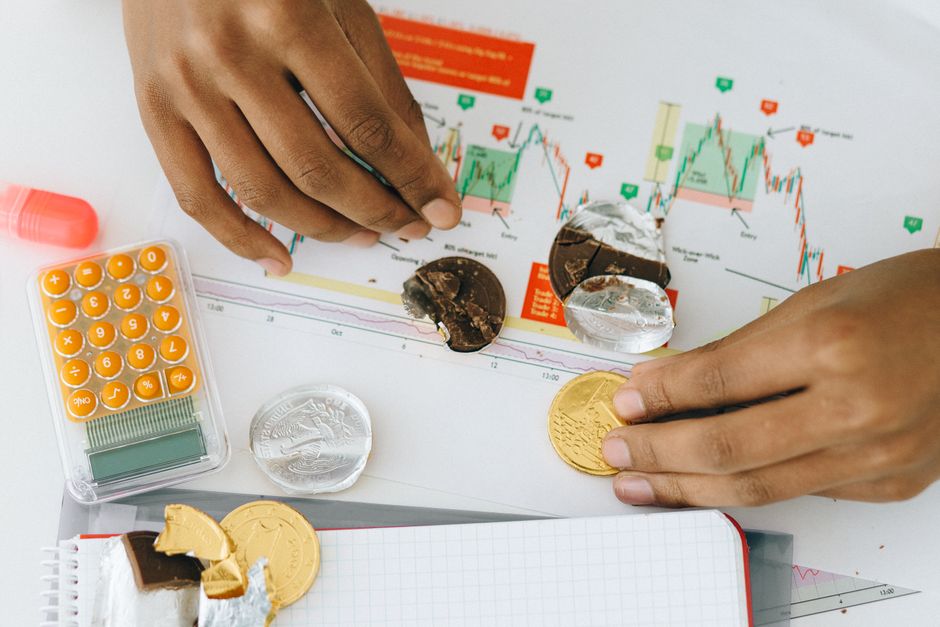
In this article, we’ll explore: The Two Cents Problem: The Long Tail of Period Poverty and why it matters today.
Related:
👉 More Than Just Muscle: Why Creatine Is the Wellness World’s Best Kept Secret
👉 Why Laughter Shouldn’t Be Scary: Understanding Perineal Muscle Strength and Bladder Health in Young Moms of Mangaluru
👉 A Perfect Storm for Bone Loss in Women: Menopause and GLP-1 Weight-Loss Drugs
Learn more: The Two Cents Problem: The Long Tail of Period Poverty on Wikipedia
Imagine you’re standing in a grocery store aisle. You have exactly two dollars in your pocket. You need a pack of pads because your cycle started two days early, but you also need to buy bread for your younger siblings’ school lunches. The pads cost two dollars and two cents. You are exactly two cents short.
In that moment, those two cents aren’t just a tiny fraction of a dollar. They are a wall. They are the difference between going to school with confidence or staying home, wrapped in a towel, feeling a deep sense of shame. This is the heart of The Two Cents Problem: The Long Tail of Period Poverty.
When we talk about poverty, we often think of big numbers—national debts, housing prices, or unemployment rates. But for millions of women and girls around the world, poverty is measured in the smallest increments. It’s the “two cents” they don’t have that triggers a massive, invisible ripple effect across their entire lives. Let’s take a look at why this small gap creates such a long tail of consequences.
What Exactly Is the “Two Cents Problem”?
The “Two Cents Problem” is a metaphor for the marginal costs that society overlooks. It’s the idea that a very small financial barrier can lead to a total loss of opportunity. In the context of period poverty, it’s not just about the price of a tampon or a pad; it’s about the fact that these items are often priced just out of reach for those living on the edge.
Period poverty isn’t just a “developing world” issue. It’s happening in high-rise apartments in New York and rural villages in India. It’s the student in London who uses toilet paper and duct tape because her family can’t afford a five-pound box of supplies. It’s the worker in Ohio who skips a shift because she’s afraid of leaking at her desk.
When we ignore these “two cents,” we ignore the dignity of half the population. But the problem doesn’t stop at the checkout counter. That’s where the “long tail” begins.
Understanding the Long Tail of Period Poverty
In statistics and business, the “long tail” refers to a large number of occurrences that happen far away from the main part of a distribution. When applied to period poverty, the long tail represents the indirect, long-term consequences of not having access to menstrual products.
It’s not just about one week of discomfort. It’s about the months and years of cumulative disadvantage. Here is how that long tail stretches out:
1. The Education Gap
If a girl misses three to five days of school every month because she lacks supplies, she’s missing nearly two months of education every year. By the time she reaches high school, she is significantly behind her male peers. This isn’t a lack of intelligence; it’s a lack of cotton and plastic. The long tail here is a lower graduation rate and reduced lifetime earnings.
2. The Health Risks
When people can’t afford proper products, they get creative—but not in a good way. They use old rags, newspaper, dried leaves, or even husks of corn. They might use a single tampon for 24 hours to “stretch” their supply. This leads to serious infections, Toxic Shock Syndrome (TSS), and long-term reproductive health issues. The “two cents” saved today becomes a thousand-dollar medical bill tomorrow.
3. The Psychological Toll
There is a specific kind of anxiety that comes with wondering if you’ll stain your clothes in public. For a teenager, that shame can be paralyzing. It erodes self-esteem and leads to social withdrawal. The long tail of period poverty includes a mental health crisis that stays with a person long after their period ends.
Real-World Examples: More Than Just Statistics
To truly understand The Two Cents Problem: The Long Tail of Period Poverty, we have to look at the human stories behind the data.
- The “Pink Tax” in the City: In many U.S. states, menstrual products were (and some still are) taxed as “luxury items,” while things like Viagra or golf club memberships were exempt. For a family living paycheck to paycheck, that 7% or 8% tax is the “two cents” that makes the box unaffordable.
- The Factory Worker: In some garment factories in Southeast Asia, women are forced to work through their periods without adequate breaks or facilities. If they can’t afford high-quality pads that last a full shift, they risk losing their jobs for “unprofessionalism” or taking too many bathroom breaks.
- The Homeless Reality: For a woman living on the streets, a box of pads is often harder to find than a meal. Food pantries frequently stock canned goods but forget that menstrual hygiene is a basic human right.
Why “Free” Isn’t Always the Simple Solution
You might think, “Why don’t we just make everything free?” While many countries (like Scotland) have led the way by making period products free for everyone, the “Two Cents Problem” has a sneaky way of sticking around through logistics and taboo.
Even if products are free at a community center, a woman might need to spend two dollars on a bus ticket to get there. There’s that “two cents” again. Or, the social stigma might be so high that a young girl is too terrified to ask a male teacher for a key to the cabinet where the free pads are kept.
Solving the long tail requires more than just throwing products at the problem. It requires changing the infrastructure of our society.
Breaking the Cycle: How We Fix the Long Tail
Fixing The Two Cents Problem: The Long Tail of Period Poverty requires a multi-pronged approach. We can’t just look at the price tag; we have to look at the systemic barriers.
- Policy Change: Abolishing the “tampon tax” globally is a start. Governments should treat menstrual products like toilet paper or soap—basic necessities that should be available in all public restrooms.
- Education for All: We need to destigmatize menstruation for everyone, including men and boys. When the community understands that periods are a normal biological process, the “shame” component of the long tail begins to disappear.
- Sustainable Options: Investing in reusable options like menstrual cups or period underwear can eliminate the “Two Cents Problem” for years at a time. However, this requires access to clean water and private spaces for washing—another part of the long tail we must address.
Key Takeaways
- Small Gaps, Big Impact: A tiny financial barrier (the “two cents”) can lead to massive life disruptions.
- Education is the Victim: Period poverty is one of the leading causes of school absenteeism for girls worldwide.
- Health is at Risk: Lack of affordable products leads to dangerous DIY alternatives and infections.
- It’s Global: This isn’t just a problem in “poor” countries; it affects millions in developed nations as well.
- Dignity is the Goal: Solving period poverty is about more than hygiene; it’s about ensuring everyone has the chance to participate in society fully.
FAQ: Understanding Period Poverty
What is the main cause of period poverty?
The main cause is a combination of high costs of menstrual products, lack of access to clean water and sanitation, and cultural taboos that prevent people from seeking help or education.
How does period poverty affect the economy?
When women and girls miss school or work, it leads to a loss of productivity and lower lifetime earnings. This limits the economic potential of entire communities and countries.
Is the “tampon tax” still a thing?
Yes, in many parts of the world and several U.S. states, menstrual products are still taxed as non-essential or luxury goods, making them more expensive than they should be.
What can I do to help?
You can donate unopened boxes of pads or tampons to local food banks and shelters. You can also advocate for policies that provide free products in schools and public buildings.
Conclusion: The Future of the Two Cents
We live in a world where we can send rockets to Mars, yet we haven’t quite figured out how to make sure every girl can go to school without fear of her own biology. The Two Cents Problem: The Long Tail of Period Poverty is a solvable issue, but it requires us to stop looking at periods as a “private” or “women’s” issue and start seeing it as a human rights issue.
By closing that tiny financial gap and cutting off the long tail of negative consequences, we aren’t just giving someone a pad. We are giving them their time back. We are giving them their education back. We are giving them their dignity back. And that is worth much more than two cents.
Written with love and assistance and refined for quality.
🔗 Related: Perineal muscle strength as a predictor…
🔗 Related: Yes Creatine Can Help With StrengthBut…