In this article, we’ll explore: women health and why it matters today.
Related:
👉 Why We Can’t Let Body Shaming Stop Us Calling Out the Terrifying Skinnification of Celebrity Culture
👉 More Than Just a Commute: How the Delhi Metro is Championing Women’s Health and Well-being
👉 Understanding the Science of PCOS: Why Implantation Fails and the New Role of Histone Lactylation
Learn more: women health on Investopedia
Meet Sarah. Sarah is 34, a dedicated project manager, a mother of two, and the person everyone in her family relies on. On the outside, she looks like she has it all together. But inside, she’s exhausted. She’s been dealing with “brain fog,” her periods have become unpredictable, and she can’t remember the last time she had a full eight hours of sleep. When she finally went to see a professional, she realized she had been putting everyone else’s needs above her own women health journey for years.
Sarah’s story isn’t unique. For many of us, health is something we only think about when something goes wrong. We treat our bodies like old cars—we keep driving until a warning light flashes on the dashboard. But women’s health is so much more than just the absence of illness. It is about vitality, hormonal balance, mental clarity, and feeling strong in your own skin.
In this guide, we’re going to dive deep into what it really means to prioritize yourself. We’ll skip the clinical jargon and get straight to the heart of how you can live your best, healthiest life at every age.
Redefining Women’s Health for the Modern Era
For a long time, the conversation around women health was limited to reproductive issues. While that is a huge part of the picture, it’s not the whole story. Today, we understand that a woman’s health is an intricate web where everything is connected. Your gut health affects your mood; your stress levels affect your period; and your sleep affects your heart health.
Being healthy doesn’t mean you have to be a “wellness influencer” who drinks green juice at 5:00 AM every day. It means understanding your body’s unique signals and giving it what it needs to thrive in a busy, often stressful world.
Fueling Your Body: It’s Not About the Diet
We’ve been conditioned to think of food in terms of “good” and “bad” or “calories in vs. calories out.” It’s time to change that narrative. Food is information. Every time you eat, you are sending signals to your hormones and your brain.
The Power of Micronutrients
Women have specific nutritional needs that shift throughout their lives. For example, during our childbearing years, iron is crucial. If you’ve ever felt that bone-deep fatigue that a nap won’t fix, you might be low on iron. Similarly, as we age, bone density becomes a priority, making calcium and Vitamin D non-negotiable.
- Leafy Greens: Think of spinach and kale as your natural multivitamin.
- Healthy Fats: Avocados, nuts, and olive oil are essential for hormone production.
- Protein: Whether it’s plant-based or lean meats, protein keeps your muscles strong and your blood sugar stable.
A real-world example of this is the “afternoon slump.” Many women reach for a sugary snack or a third cup of coffee at 3:00 PM. However, swapping that for a handful of almonds and a piece of fruit can prevent the blood sugar crash that leads to irritability and “hangry” outbursts. Small shifts in nutrition lead to massive shifts in how you feel.
Mastering the “Mental Load”
Have you ever heard of the “mental load”? It’s the invisible labor of managing a household and a career—remembering that it’s library book day, knowing when the milk is about to expire, and planning the holiday gifts. This invisible stress is a major factor in women health.
Chronic stress isn’t just a feeling; it’s a physiological state. When your body is constantly pumping out cortisol (the stress hormone), it shuts down “non-essential” functions like digestion and reproductive health. This is why stress can cause missed periods or digestive issues like bloating.
To combat this, we have to move beyond “self-care” as a buzzword. It’s not just about bubble baths. True self-care is setting boundaries. It’s saying “no” to that extra committee meeting so you can go for a walk. It’s asking for help before you hit a breaking point. Mental health is the foundation upon which physical health is built.
The Hormonal Rollercoaster: From Puberty to Menopause
Our hormones are like an orchestra. When they are in sync, the music is beautiful. When one instrument is out of tune, the whole performance feels off. Understanding the phases of your life is key to managing your women health.
Understanding Perimenopause
One of the most misunderstood stages of a woman’s life is perimenopause. This can start in your late 30s or early 40s. Many women start experiencing anxiety, night sweats, or weight gain and think they are “just getting old” or “losing their mind.” In reality, their estrogen levels are fluctuating. Knowing that this is a biological transition—not a personal failing—is incredibly empowering.
The Importance of the Menstrual Cycle
Your period is often called your “fifth vital sign.” It tells you so much about your overall health. If it’s too heavy, too painful, or goes missing, your body is trying to tell you something. Tracking your cycle isn’t just for those trying to get pregnant; it’s for every woman who wants to understand her energy patterns and moods.
Movement as Medicine, Not Punishment
We need to stop exercising because we “hate our bodies” and start moving because we “love our bodies.” The goal of physical activity in women health should be longevity and strength.
As women, we are at a higher risk for osteoporosis as we age. Resistance training—lifting weights or using your own body weight—is the best way to keep your bones strong. But movement doesn’t have to happen in a gym. It can be dancing in your kitchen, a brisk walk with a friend, or a yoga session in your living room.
The key is consistency over intensity. Walking for 20 minutes every day is far better for your heart and your stress levels than doing one grueling workout once a week and feeling miserable afterward.
The Importance of Preventative Care
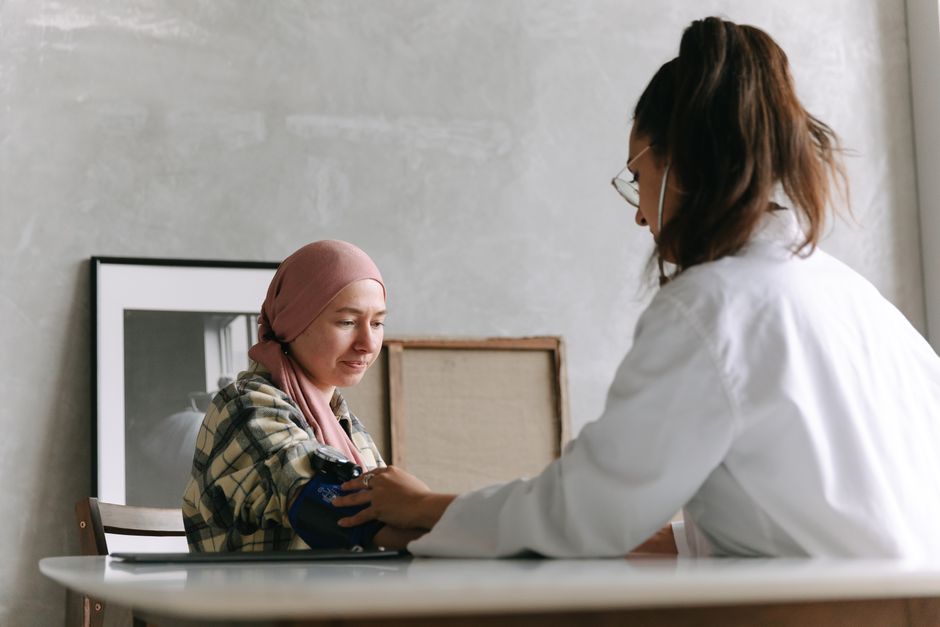
Let’s talk about the appointments we all love to procrastinate. Pap smears, mammograms, and blood pressure checks. These are the cornerstones of women health. Many conditions, including cervical and breast cancer, are highly treatable when caught early.
But preventative care also means listening to your “gut feelings.” If you feel like something is wrong, don’t let a doctor dismiss you. You are the world’s leading expert on your own body. If you feel unheard, find a provider who will listen. Medical gaslighting is a real issue, and being your own advocate is a vital health skill.
Sleep: The Unsung Hero of Vitality
If there was a pill that could improve your mood, clear your skin, balance your hormones, and help you lose weight, you’d pay a fortune for it, right? That “pill” is sleep. During sleep, your body repairs tissues and your brain flushes out toxins.
For many women, sleep is the first thing sacrificed. We stay up late to get “me time” or to finish chores. But chronic sleep deprivation is a direct hit to your immune system. Creating a “sleep sanctuary”—a cool, dark room and no screens 30 minutes before bed—can change your life more than any supplement ever could.
Key Takeaways for a Healthier You
- Listen to your body: Your symptoms (fatigue, pain, mood swings) are messages, not inconveniences.
- Prioritize Protein and Fats: Move away from restrictive dieting and toward nourishing your hormones.
- Manage the Mental Load: Set boundaries and delegate tasks to protect your mental well-being.
- Move for Strength: Incorporate weight-bearing exercises to protect your bones and heart.
- Don’t Skip Screenings: Preventative checks are non-negotiable for long-term health.
- Sleep is Sacred: Aim for 7–9 hours to allow your body to reset and recover.
Frequently Asked Questions (FAQ)
1. Why am I so tired all the time even when I sleep?
Fatigue can be caused by many things, including iron deficiency (anemia), thyroid issues, or chronic stress. It’s worth getting a blood test to check your iron and hormone levels. Also, consider the “quality” of your sleep—are you waking up frequently during the night?
2. At what age should I start worrying about menopause?
Most women enter menopause between ages 45 and 55, but perimenopause (the transition period) can start in your late 30s. If you notice changes in your cycle, mood, or sleep, it’s a good time to start the conversation with your doctor.
3. How much water should I actually be drinking?
While the “8 glasses a day” rule is a good baseline, it varies. A better way to tell is the color of your urine—it should be a pale straw color. Hydration is essential for skin health, digestion, and preventing headaches.
4. Is it normal for periods to be very painful?
While some discomfort is common, “debilitating” pain that stops you from doing daily activities is not normal. It could be a sign of conditions like endometriosis or fibroids. Please speak to a healthcare professional if your periods are consistently painful.
5. How does stress affect my physical health?
Stress triggers the “fight or flight” response. When this is active long-term, it can lead to inflammation, weight gain around the midsection, weakened immunity, and digestive problems. Finding a daily stress-management practice, like deep breathing or walking, is vital for women health.
In the end, taking care of yourself isn’t selfish—it’s necessary. When you are healthy, you have more energy for your career, your family, and your passions. Start small today. Maybe it’s an extra glass of water, a 10-minute walk, or finally booking that check-up. Your future self will thank you.
Written with love and assistance and refined for quality.
🔗 Related: Assessment of perineal body properties in…
🔗 Related: I feel more comfortable asking questions:…
🔗 Related: women health