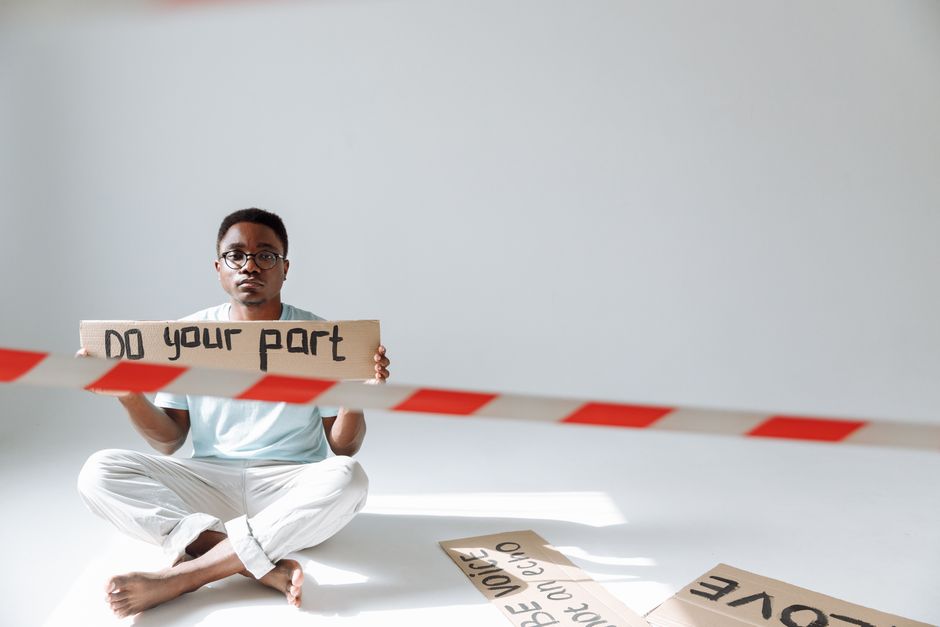
In this article, we’ll explore: We cant let body shaming stop us calling out the terrifying skinnification of celebrity culture and why it matters today.
Related:
👉 More Than Just a Commute: How the Delhi Metro is Championing Women’s Health and Well-being
👉 Why Creatine is the Secret Weapon You’re Probably Missing (And No, It’s Not Just for Bodybuilders)
👉 Why a Few Pennies Change Everything: Understanding The Two Cents Problem: The Long Tail of Period Poverty
Learn more: We cant let body shaming stop us calling out the terrifying skinnification of celebrity culture on Wikipedia
Do you remember the mid-2010s? It felt like we were finally turning a corner. After decades of “heroin chic” and the brutal “size zero” obsession of the early 2000s, the world seemed to be embracing curves. We saw the rise of body positivity, diverse runway models, and a general consensus that starving ourselves wasn’t “in” anymore. It wasn’t perfect, but it felt like progress.
Fast forward to today, and if you scroll through Instagram or watch a red carpet event, something feels… different. Actually, it feels eerily familiar. The curves are disappearing. Ribcages are the new accessory. The “BBL era” has been swapped for a look that is increasingly fragile and gaunt. We are witnessing a rapid shift back to extreme thinness, often fueled by “off-label” pharmaceutical help.
But here is the problem: every time someone points this out, they are immediately shut down. “Stop body shaming!” the comments cry. “You don’t know her life!” or “Mind your own business!” While these sentiments often come from a good place, they’ve created a shield that prevents us from having a necessary conversation. We cant let body shaming stop us calling out the terrifying skinnification of celebrity culture because this isn’t just about individual bodies—it’s about a systemic, cultural regression that hurts us all.
The Return of “Heroin Chic” (And Why It’s Different This Time)
In the 1990s, the “heroin chic” look was characterized by pale skin, dark circles under the eyes, and an emaciated frame. It was a reaction to the supermodels of the 80s who looked athletic and glowing. Eventually, society realized how damaging this was, especially as eating disorder rates plummeted among teenagers.
Today, the “skinnification” is back, but it’s wearing a different mask. It’s being sold as “wellness” or “biohacking.” Celebrities aren’t just naturally getting thinner; they are utilizing powerful medications originally intended for chronic illnesses to achieve a look that is physically impossible for most humans to maintain naturally.
When we see a celebrity who was curvy six months ago suddenly appearing with a skeletal frame, it’s not “body shaming” to acknowledge the shift. It is an observation of a trend that is being exported to millions of young followers who don’t have access to personal chefs, trainers, and expensive medical “shortcuts.”
The “Body Shaming” Shield
The term “body shaming” was originally intended to protect people from being bullied for things they couldn’t control. It was about stopping the mockery of people for their weight, skin, or physical features. However, in the current celebrity climate, the term is being weaponized to silence any critique of the beauty industry.
If we can’t talk about the fact that the “ideal” body type has suddenly shifted back to “starving,” then we can’t protect the next generation from the mental health crisis that follows. By labeling every observation as “shaming,” we are essentially giving Hollywood a free pass to promote dangerous standards without accountability.
Real-World Examples: From the Met Gala to TikTok
Think about the most recent high-profile red carpets. We’ve seen iconic stars losing massive amounts of weight in a matter of weeks just to fit into a historical dress. We’ve seen influencers who built their brands on “body confidence” suddenly shrinking before our eyes, often while still preaching about “loving yourself.”
Here are a few ways this “skinnification” manifests in our daily lives:
- The Ozempic Elephant in the Room: While we shouldn’t speculate on individuals, the sudden, widespread availability of weight-loss injections has changed the “look” of Hollywood overnight. When celebrities deny using these aids and attribute their transformation to “drinking more water,” it creates a false reality.
- The “Clean Girl” Aesthetic: This trend often prioritizes a look that is lean, polished, and—let’s be honest—highly restrictive. It’s a sanitized version of the 90s waif look.
- The Erasure of the “Curvy” Era: Trends that once celebrated larger hips and thighs are being tossed aside, making people who finally felt “seen” feel like their bodies are “out of style” again.
Why Silence is Dangerous
You might ask, “Why does it matter what a celebrity does with their body?” On an individual level, it doesn’t. Everyone has bodily autonomy. But celebrities are not just individuals; they are brands and walking advertisements for what society deems “aspirational.”
When the aspirational look becomes “terrifyingly thin,” the ripple effect is devastating:
1. Impact on Mental Health
Studies have consistently shown that exposure to “thin-ideal” media increases body dissatisfaction and contributes to the development of eating disorders. When we stop calling out the “skinnification” of culture, we allow these images to saturate our feeds without context, leading young people to believe that their healthy, normal bodies are somehow “wrong.”
2. The Normalization of Medical Risks
Using medications for aesthetic weight loss isn’t without risk. By ignoring the trend, we ignore the potential long-term health consequences that these “trends” encourage. We are essentially watching a massive, unregulated health experiment play out on social media.
3. The Deception of “Effortless” Beauty
When stars look a certain way but claim it’s just “yoga and salads,” they are lying to their audience. This deception makes regular people feel like failures because they can’t achieve the same results with the same methods. Calling out the trend is about demanding honesty.
How to Talk About It Without Being Mean
There is a way to discuss the skinnification of celebrity culture without actually being a bully. We have to shift the focus from the individual to the industry. Here’s how we can frame the conversation:
- Focus on the System: Instead of saying “She looks gross,” say “The industry is clearly pressuring women to return to an unhealthy size zero standard.”
- Discuss the “Why”: Ask why the media is suddenly obsessed with this look again. Who profits from us feeling insecure about our weight? (Hint: The diet and pharmaceutical industries).
- Prioritize Health Over Aesthetics: Shift the conversation toward the dangers of rapid, extreme weight loss rather than just how someone looks in a bikini.
We cant let body shaming stop us calling out the terrifying skinnification of celebrity culture because if we don’t speak up, we are essentially consenting to the return of a culture that tells us we are only valuable if we are disappearing.
The Role of Social Media Algorithms
It’s not just the celebrities themselves; it’s the machines that feed us their images. Algorithms on platforms like TikTok and Instagram are designed to show us what is “trending.” Currently, “thinness” is trending. This creates a feedback loop where influencers see that thinner photos get more engagement, so they lose more weight, which then sets the standard for their followers.
We have to be conscious consumers. We have to recognize that what we are seeing is often a curated, filtered, and medically-enhanced version of reality. By calling out the trend, we break the spell. We remind ourselves and others that what we see on a screen isn’t necessarily “healthy” or “normal.”
Key Takeaways
- The Trend is Real: We are seeing a documented shift back to extreme thinness in Hollywood and social media, reminiscent of the early 2000s.
- Body Shaming vs. Cultural Critique: There is a massive difference between bullying an individual and critiquing a dangerous societal trend. We must be able to do the latter.
- Transparency Matters: The use of weight-loss drugs and surgical procedures should be discussed honestly to prevent regular people from chasing impossible standards.
- Protect the Next Generation: Our silence allows these standards to become the “norm” for young people who are highly susceptible to media influence.
- Focus on the “Why”: The beauty industry thrives on our insecurities. Every time a new “ideal” body type is introduced, it’s an opportunity for someone to sell us a “solution.”
Frequently Asked Questions (FAQ)
Is it really body shaming to say someone looks too thin?
It depends on the intent. If you are mocking an individual to make them feel bad, that’s shaming. However, if you are discussing how a celebrity’s rapid weight loss reflects a broader, unhealthy trend in the media, that is cultural criticism. It’s about the message the body sends, not the person themselves.
Why is this trend happening now?
Fashion and beauty trends are often cyclical. Additionally, the rise of new weight-loss medications has made extreme thinness “achievable” again for the elite, which has trickled down into fashion and social media aesthetics.
Doesn’t everyone have the right to do what they want with their body?
Absolutely. Bodily autonomy is a fundamental right. However, when public figures use their platforms to promote a specific look—often while hiding the methods used to achieve it—they are influencing public health and societal standards. That influence is what needs to be scrutinized.
How can I protect my own mental health from these trends?
The best way is to curate your feed. Unfollow accounts that make you feel inadequate. Remind yourself that celebrity images are often the result of professional lighting, editing, and medical interventions that aren’t accessible or healthy for the average person.
What should I say when someone accuses me of body shaming for pointing this out?
You can say: “I’m not commenting on her as a person; I’m commenting on the fact that Hollywood is pushing a ‘thin-at-all-costs’ narrative again, and I think that’s a dangerous direction for our culture to take.”
Final Thoughts
The “skinnification” of our culture isn’t happening in a vacuum. It’s a calculated shift that relies on our silence and our fear of being “mean.” But there is nothing “mean” about wanting a world where people don’t feel pressured to starve themselves or take unnecessary medications to fit a fleeting fashion trend.
We’ve been here before. We know where the “size zero” road leads—it leads to increased rates of depression, body dysmorphia, and eating disorders. By choosing to speak up, we are choosing to value health and reality over a hollow, manufactured ideal. We cant let body shaming stop us calling out the terrifying skinnification of celebrity culture, because our well-being is worth more than a trending aesthetic.
Written with love and assistance and refined for quality.
🔗 Related: women health
🔗 Related: Assessment of perineal body properties in…