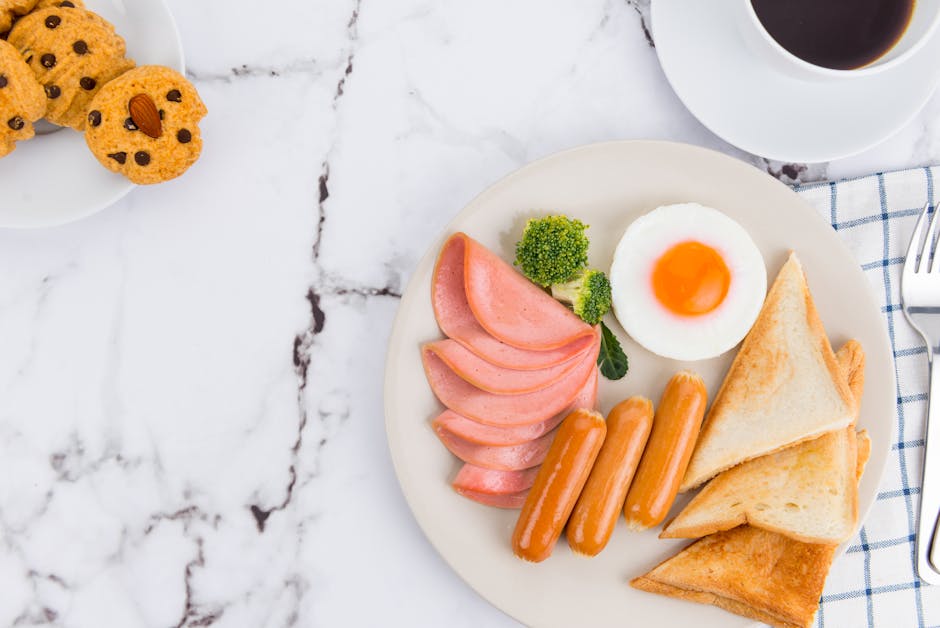
In this article, we’ll explore: 8 Foods To Avoid With an Upset Stomachand What To Eat Instead and why it matters today.
Related:
👉 Why Trauma Hits Differently: Understanding the Hormonal Mechanisms of Women’s Risk in the Face of Traumatic Stress
👉 Why Do Women Process Trauma Differently? Understanding the Hormonal Mechanisms of Women’s Risk in the Face of Traumatic Stress
👉 Why Women Experience Trauma Differently: A Deep Dive into Hormones and the Stress Response
Learn more: 8 Foods To Avoid With an Upset Stomachand What To Eat Instead on Google Search
We’ve all been there. You’re sitting on the couch, clutching a pillow to your midsection, wondering if it was the leftover takeout or just a poorly timed stomach bug. Your stomach is making noises that sound like a subterranean construction site, and the very thought of food makes you wince. But eventually, the hunger kicks in, and you’re faced with a dilemma: What can I eat that won’t make this worse?
When your digestive system is on strike, the last thing you want to do is give it more work. Eating the wrong thing can turn a minor “rumbly in the tumbly” into a full-blown bathroom marathon. That’s why knowing the 8 Foods To Avoid With an Upset Stomach and What To Eat Instead is essentially a survival skill for adulthood.
In this guide, we’re going to walk through the culprits that irritate your gut and the gentle alternatives that will help you get back on your feet. Let’s dive in—carefully.
The “No-Go” Zone: 8 Foods To Avoid With an Upset Stomach
When your stomach lining is irritated or your intestines are moving too fast (or too slow), certain chemical compounds and textures act like fuel on a fire. Here are the top offenders you should steer clear of until you’re feeling 100%.
1. Dairy Products (Even if You Aren’t Intolerant)
You might love a cold glass of milk or a slice of cheese, but when your stomach is upset, dairy is often the first thing to turn against you. Even if you don’t usually have issues with lactose, a stomach virus or irritation can temporarily deplete the enzyme (lactase) needed to digest it. This leads to bloating, gas, and—you guessed it—more diarrhea.
2. Fried and Fatty Foods
There is a reason a greasy burger sounds repulsive when you’re nauseous. High-fat foods take a lot longer to move through the digestive tract. This “heavy” feeling can worsen nausea and trigger acid reflux. If your gallbladder is involved in your stomach upset, fat is especially dangerous as it forces the organ to work overtime.
3. Spicy Foods
This one feels like common sense, but it’s worth repeating. Capsaicin, the compound that gives chili peppers their kick, can irritate the lining of the esophagus and stomach. If you’re already dealing with inflammation, adding hot sauce is like rubbing salt in a wound. It can speed up digestion in a way that leads to cramping and urgency.
4. Acidic Foods (Citrus and Tomatoes)
Oranges, lemons, and tomatoes are packed with vitamin C, but they are also highly acidic. When your stomach is sensitive, that acid can cause significant irritation, especially if you’re prone to heartburn or GERD. A glass of orange juice might seem like a “healthy” choice, but the acidity can make a sour stomach feel even more acidic.
5. Artificial Sweeteners
Have you ever heard of the “sugar-free gummy bear” horror stories? Many artificial sweeteners, particularly sugar alcohols like sorbitol, maltitol, and erythritol, are not fully absorbed by the body. They sit in the colon and pull in water, which can cause a laxative effect. If your stomach is already upset, these chemicals will only accelerate your trips to the bathroom.
6. Raw Vegetables and Cruciferous Greens
Usually, we’re told to eat more broccoli, cauliflower, and kale. But when your gut is in revolt, these fiber-rich veggies are hard to break down. They contain complex sugars that ferment in the gut, leading to intense gas and bloating. Save the salad for next week; your gut needs a break from the “roughage.”
7. Caffeine and Soda
Coffee is a stimulant, and unfortunately, it stimulates your digestive tract too. It can act as a mild laxative, which is the last thing you want if you have a stomach bug. Furthermore, the carbonation in sodas introduces air into your digestive system, leading to painful gas and a feeling of fullness that can trigger nausea.
8. Alcohol
This might seem obvious, but alcohol is a toxin that irritates the stomach lining and interferes with liver function. It also dehydrates you. Since many stomach issues involve fluid loss through vomiting or diarrhea, drinking alcohol is like sabotaging your own recovery.
What To Eat Instead: The Road to Recovery
Now that we’ve cleared out the pantry of the “bad guys,” what’s left? The goal is to eat foods that are “low residue”—meaning they are easy to break down and don’t leave much waste behind. Here is what you should reach for instead.
The Classic BRAT Diet
For decades, doctors have recommended the BRAT diet for short-term recovery. It stands for:
- Bananas: They are soft, easy to swallow, and rich in potassium, which you lose when you’re sick.
- Rice: Plain white rice is a “binder.” It helps firm up stools and provides easy-to-digest carbohydrates for energy.
- Applesauce: It’s easier to digest than a whole apple because the fiber is broken down, and it contains pectin, which can help soothe the gut.
- Toast: Plain white toast (avoid whole grain for now) gives you something for your stomach acid to work on without being irritating.
Ginger and Peppermint
If nausea is your primary symptom, ginger is your best friend. Real ginger contains gingerols and shogaols that help speed up stomach emptying and calm the “queasy” signals to the brain. A warm cup of ginger tea or a small piece of crystallized ginger can work wonders. Peppermint tea is also excellent for relieving gas and bloating by relaxing the muscles in the digestive tract.
Bone Broth and Clear Soups
When you can’t fathom eating solid food, broth is the answer. It provides essential electrolytes (like sodium and potassium) and keeps you hydrated. Bone broth specifically contains amino acids like glycine that may help support the gut lining.
Plain Potatoes
Baked or boiled potatoes (with the skin removed) are another fantastic source of potassium and gentle starches. Just remember: no butter, no sour cream, and definitely no bacon bits. A little bit of salt is fine to help with electrolyte balance.
Real-World Example: A Day of Recovery
Let’s look at how you might transition from “I can’t move” to “I’m feeling better.”
Morning: Start with small sips of lukewarm water or diluted ginger tea. If that stays down for an hour, try half a piece of dry white toast.
Lunch: A small bowl of white rice cooked with a little extra water to make it soft. Maybe a few sips of chicken broth on the side.
Afternoon Snack: Half a banana. Bananas are great because they provide a sense of fullness without the “heavy” feeling of fats.
Dinner: A plain boiled potato and a small serving of applesauce. Keep the portions small—it’s better to eat five tiny meals than one large one.
Key Takeaways
- Listen to your body: If the thought of a certain food makes you gag, don’t force it.
- Hydration is king: Sip fluids constantly. Small sips are better than big gulps.
- Avoid the “Big 8”: Keep dairy, grease, spice, acid, artificial sugars, raw greens, caffeine, and alcohol out of your system for at least 24–48 hours after symptoms subside.
- Gradual reintroduction: Don’t celebrate feeling better by ordering a pepperoni pizza. Slowly add “normal” foods back into your diet over a few days.
Frequently Asked Questions (FAQ)
Can I eat eggs with an upset stomach?
Yes, usually. Eggs are a great source of protein and are generally easy to digest. However, make sure they are poached or boiled. Scrambling them in butter or oil adds fats that might irritate your stomach.
Is yogurt okay if I’m avoiding dairy?
Yogurt is the exception for some people because it contains probiotics (good bacteria) that can help restore gut balance. However, if your stomach is very sensitive, it’s safer to wait a day or two or choose a dairy-free, low-sugar probiotic supplement instead.
How long should I wait before eating “normal” food again?
A good rule of thumb is to wait 24 to 48 hours after your last “episode” (vomiting or diarrhea) before returning to spicy, fatty, or heavy foods. Your gut lining needs time to heal!
When should I see a doctor?
If you can’t keep any liquids down for more than 12 hours, if you see blood in your stool, or if you have a high fever and intense abdominal pain, stop reading and call a healthcare professional. These can be signs of something more serious than a simple upset stomach.
Dealing with digestive drama is never fun, but by sticking to the 8 Foods To Avoid With an Upset Stomach and What To Eat Instead, you can significantly shorten your recovery time. Rest up, stay hydrated, and your stomach will be back to normal before you know it!
Written with love and assistance and refined for quality.
{“@context”:”https://schema.org”,”@type”:”Article”,”headline”:”Tummy Trouble? 8 Foods To Avoid With an Upset Stomach and What To Eat Instead”,”description”:”In this article, weu2019ll explore: 8 Foods To Avoid With an Upset Stomachand What To Eat Instead and why it…”,”author”:{“@type”:”Person”,”name”:”Dr. Cuterus”},”datePublished”:”2026-05-22T03:24:14+00:00″,”dateModified”:”2026-05-22T03:24:14+00:00″,”mainEntityOfPage”:”https://healthyworldz.com/tummy-trouble-8-foods-to-avoid-with-an-upset-stomach-and-what-to-eat-instead-3/”,”image”:[“https://healthyworldz.com/wp-content/uploads/2026/05/8-foods-to-avoid-with-an-upset-stomachand-what-to-eat-instead-113.jpg”]}
🔗 Related: Muscle Plays a Role in Weight…
🔗 Related: Women with polycystic ovary syndrome exhibit…
🔗 Related: Muscle Plays a Role in Weight…