In this article, we’ll explore: 8 Foods To Avoid With an Upset Stomachand What To Eat Instead and why it matters today.
Related:
👉 Unpacking the Hormonal Maze: Understanding Women's Unique Responses to Traumatic Stress
👉 Unlocking the Mystery: How PCOS Impacts Your Uterus and What 'Excessive ER and Histone Lactylation' Means for Fertility
👉 Taming Your Tummy Troubles: 8 Foods To Avoid With an Upset Stomach and What To Eat Instead
Learn more: 8 Foods To Avoid With an Upset Stomachand What To Eat Instead on Google Search
Ah, the dreaded upset stomach. We’ve all been there, haven’t we? That familiar knot, the gurgling symphony, the sudden urge to curl up in a ball and wish the world away. It’s a miserable feeling, whether it’s a fleeting discomfort from something you ate, a bout of indigestion, or a more persistent issue. When your tummy is grumbling, the last thing you want to do is make it worse.
While the instinct might be to reach for comfort food, sometimes those very foods can be the culprits prolonging your misery. Navigating the world of food when your stomach is rebelling can feel like a minefield. But here’s the good news: knowing what to avoid and, more importantly, what to embrace can make a world of difference in your recovery. In this comprehensive guide, we’ll dive deep into the 8 Foods To Avoid With an Upset Stomach and What To Eat Instead, helping you make smarter choices to soothe your gut and get back to feeling like yourself.
Think of your digestive system as a delicate ecosystem. When it’s out of whack, it needs gentle care, not a shock to the system. So, let’s explore the dietary do’s and don’ts that can bring you relief.
The Culprits: 8 Foods to Sidestep When Your Tummy’s Grumbling
When your stomach is feeling tender, certain foods can act like gasoline on a fire. They can irritate the stomach lining, increase acid production, cause gas, or simply be too difficult for your compromised digestive system to process. Let’s look at the top offenders:
1. Spicy Foods
Remember that delicious, fiery curry you had last week? Or perhaps the extra dash of hot sauce on your tacos? While a kick of spice can be exhilarating for your taste buds, it can be pure agony for an upset stomach. Compounds like capsaicin, found in chili peppers, can irritate the stomach lining and stimulate stomach acid, leading to heartburn, indigestion, and even diarrhea. It’s like pouring salt on an open wound for your gut.
- What to Eat Instead: Opt for bland, mild foods. Think steamed rice, plain toast, or baked chicken seasoned with gentle herbs like parsley or a tiny pinch of salt.
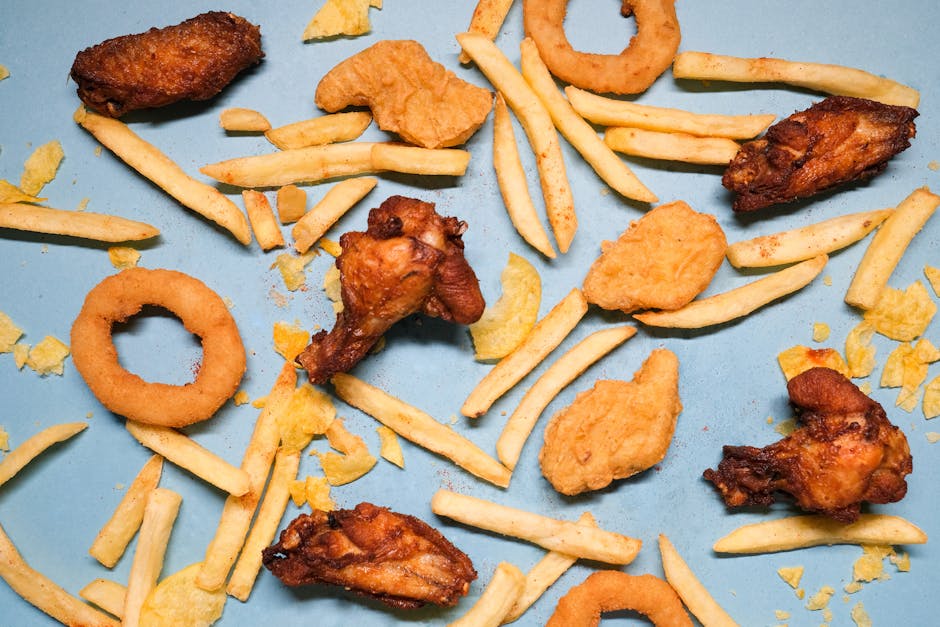
2. High-Fat and Greasy Foods
Oh, the allure of a juicy burger, crispy fries, or a creamy pasta dish! Unfortunately, these delectable delights are often loaded with fats that are notoriously difficult for your digestive system to break down, especially when it’s already feeling delicate. High-fat foods slow down stomach emptying, which can lead to bloating, nausea, and a feeling of uncomfortable fullness. Imagine your stomach trying to run a marathon with ankle weights – that’s what it feels like trying to digest a greasy meal when it’s upset.
- What to Eat Instead: Lean proteins like baked or grilled chicken breast (skin removed), plain white fish, or tofu. Pair them with easily digestible carbohydrates like plain pasta or boiled potatoes.
3. Dairy Products (Especially for Lactose Intolerance)
Milk, cheese, ice cream – for many, these are comfort staples. However, for a significant portion of the population, dairy contains lactose, a sugar that can be difficult to digest if your body doesn’t produce enough of the enzyme lactase. An upset stomach often means your digestive system is even more sensitive than usual, making dairy a potential trigger for gas, bloating, cramps, and diarrhea. Even if you don’t typically have severe lactose intolerance, an irritated gut might react negatively.
- What to Eat Instead: Lactose-free dairy alternatives (if needed), or simply avoid dairy altogether for a few days. Water, herbal teas, and clear broths are much gentler on your system.
4. Acidic Foods
Citrus fruits like oranges, lemons, and grapefruits, along with tomatoes, tomato sauce, and vinegar-based dressings, are highly acidic. While they’re generally healthy, their high acid content can exacerbate heartburn, acid reflux, and general stomach irritation when your gut is already sensitive. It’s like adding more fuel to an already burning fire.
- What to Eat Instead: Stick to low-acid fruits like bananas, applesauce, or melons. Cooked, non-acidic vegetables like zucchini or carrots are also good choices.
5. Caffeinated Beverages
Your morning coffee might be your lifeblood on a normal day, but when your stomach is upset, it can be a foe. Caffeine is a stimulant that can increase stomach acid production and act as a laxative, potentially worsening diarrhea or stomach cramps. Energy drinks and some teas also fall into this category. It’s like revving an already overworked engine.
- What to Eat Instead: Stick to water, which is crucial for hydration. Herbal teas like ginger tea (excellent for nausea) or peppermint tea (can soothe indigestion) are fantastic alternatives.
6. Alcohol
This one might seem obvious, but it bears repeating. Alcohol is an irritant to the stomach lining, and it can also dehydrate you and exacerbate nausea and diarrhea. Even a small amount can significantly worsen an upset stomach and prolong your recovery. Think of it as actively sabotaging your body’s efforts to heal.
- What to Eat Instead: Plain water, electrolyte solutions (like diluted sports drinks or oral rehydration salts), or clear broths are your best friends for rehydration and soothing.
7. Highly Processed and Sugary Foods
From sugary cereals and candies to fast food and pastries, highly processed foods often contain artificial ingredients, refined sugars, and unhealthy fats that are difficult for your body to digest. Sugar, in particular, can feed “bad” gut bacteria and cause gas and bloating. These foods offer little nutritional value and can actively hinder your gut’s recovery process.
- What to Eat Instead: Stick to whole, unprocessed foods. Plain toast, crackers, very ripe bananas, or a small bowl of plain oatmeal can provide gentle energy without irritating your gut.
8. Certain High-Fiber & Cruciferous Vegetables (Raw)
While fiber is usually excellent for digestive health, when your stomach is upset, a sudden influx of raw, high-fiber foods can be too much. Cruciferous vegetables like broccoli, cauliflower, cabbage, and Brussels sprouts, especially when raw, are known to cause gas and bloating in many people due to their complex sugars. Large, raw salads can also be tough to digest.
- What to Eat Instead: Cooked, easily digestible vegetables like peeled carrots, zucchini, or green beans. Fruits like bananas and applesauce offer gentle fiber. Cooked vegetables are generally easier on a sensitive stomach than raw ones.
Your Tummy’s Best Friends: Foods That Heal and Soothe
Now that we know what to avoid, let’s talk about the culinary heroes that can help bring comfort and healing to your upset stomach. These foods are generally bland, easy to digest, and can help settle your system.
- The BRAT Diet: This classic stands for Bananas, Rice, Applesauce, and Toast. These foods are low in fiber, easy to digest, and can help bind loose stools, making them excellent choices for diarrhea or nausea.
- Ginger: A natural anti-inflammatory, ginger is renowned for its ability to calm nausea. Sip on ginger tea (made from fresh ginger root) or chew on a small piece of candied ginger.
- Herbal Teas: Peppermint tea can help relax stomach muscles and ease cramps, while chamomile tea has anti-inflammatory properties and can promote relaxation.
- Clear Broths: Chicken or vegetable broth provides essential fluids and electrolytes without irritating your stomach. They’re also a great way to get some nutrients when solid food feels unappealing.
- Plain Crackers: Saltine crackers or plain rice cakes can help absorb excess stomach acid and provide a little energy without upsetting your system.
- Cooked Potatoes: Boiled or baked potatoes (without skin and heavy toppings) are a good source of energy and are easily digestible.
- Oatmeal: Plain, cooked oatmeal (not instant, sugary varieties) is gentle on the stomach and provides soluble fiber.
Key Takeaways
Navigating an upset stomach can be challenging, but making informed food choices can significantly speed up your recovery. Here are the core principles to remember:
- Listen to Your Body: Everyone is different. Pay attention to how different foods make you feel.
- Bland is Best: When in doubt, choose bland, simple, and unprocessed foods.
- Stay Hydrated: Water, clear broths, and herbal teas are crucial for recovery.
- Small, Frequent Meals: Instead of large meals, opt for smaller portions more frequently to avoid overwhelming your digestive system.
- Gradual Reintroduction: As you start to feel better, gradually reintroduce a wider variety of foods, starting with those that are generally easy to digest.
FAQ: Your Upset Stomach Questions Answered
Q1: How long should I stick to a bland diet when my stomach is upset?
A: For most minor upsets, sticking to a bland diet for 24-48 hours is usually sufficient. As you start to feel better, you can gradually reintroduce more varied foods. If symptoms persist beyond a few days, or if they are severe, it’s always best to consult a doctor.
Q2: Is it okay to drink coffee with an upset stomach?
A: Generally, no. Caffeine can stimulate stomach acid production and act as a laxative, which can worsen an upset stomach. It’s best to avoid coffee, energy drinks, and black tea until your stomach has settled. Opt for water or soothing herbal teas instead.
Q3: When should I see a doctor for an upset stomach?
A: While most upset stomachs resolve on their own, you should seek medical attention if you experience severe abdominal pain, high fever, persistent vomiting or diarrhea (especially if it lasts more than 2-3 days), signs of dehydration (reduced urination, extreme thirst, dizziness), blood in your stool or vomit, or if you have any underlying chronic health conditions. Trust your instincts – if something feels wrong, get it checked out.
Q4: Can probiotics help with an upset stomach?
A: Probiotics, which are beneficial bacteria, can sometimes help restore balance to your gut flora and may be helpful for certain types of upset stomach, particularly after antibiotic use or for some forms of diarrhea. However, it’s best to introduce them slowly and in consultation with a healthcare professional, especially when your stomach is very sensitive. Plain yogurt with live active cultures (if you can tolerate dairy) or a probiotic supplement might be considered once you’re past the acute phase of illness.
Conclusion
An upset stomach is your body’s way of telling you to slow down and pay attention. By understanding the 8 Foods To Avoid With an Upset Stomach and What To Eat Instead, you’re empowering yourself to make choices that support healing and comfort. Remember, food isn’t just fuel; it’s medicine, and when your gut is unhappy, choosing the right “medicine” can be your fastest route back to feeling vibrant and well. So, next time your tummy grumbles, reach for the gentle, soothing options, and give your digestive system the loving care it deserves.
Written with love and assistance and refined for quality.
{“@context”:”https://schema.org”,”@type”:”Article”,”headline”:”Tummy Trouble? Here are the 8 Foods To Avoid With an Upset Stomach and What To Eat Instead (And Feel Better Fast!)”,”description”:”In this article, weu2019ll explore: 8 Foods To Avoid With an Upset Stomachand What To Eat Instead and why it…”,”author”:{“@type”:”Person”,”name”:”rahuljait”},”datePublished”:”2026-05-13T08:41:36+00:00″,”dateModified”:”2026-05-13T08:41:36+00:00″,”mainEntityOfPage”:”https://healthyworldz.com/tummy-trouble-here-are-the-8-foods-to-avoid-with-an-upset-stomach-and-what-to-eat-instead-and-feel-better-fast/”,”image”:[“https://healthyworldz.com/wp-content/uploads/2026/05/8-foods-to-avoid-with-an-upset-stomachand-what-to-eat-instead-36.jpg”]}
🔗 Related: Women with polycystic ovary syndrome exhibit…
🔗 Related: Hormonal mechanisms of womens risk in…