In this article, we’ll explore: 8 Foods To Avoid With an Upset Stomachand What To Eat Instead and why it matters today.
Related:
👉 Unraveling the Invisible Threads: How Hormones Shape Women's Risk After Traumatic Stress
👉 Unraveling the Hidden Symphony: How Hormonal Mechanisms Shape Women's Risk in the Face of Traumatic Stress
👉 Unraveling the Invisible Threads: How Hormones Shape Women's Vulnerability to Traumatic Stress
Learn more: 8 Foods To Avoid With an Upset Stomachand What To Eat Instead on Google Search
Ah, the dreaded upset stomach. We’ve all been there, haven’t we? That familiar gurgle, the sudden cramp, the overwhelming feeling that your insides are staging a protest. It’s a truly miserable experience, leaving you curled up on the couch, wishing for a magic wand to make it all disappear. When your stomach is feeling delicate, the last thing you want to do is make it worse. In fact, what you choose to eat (or not eat!) can make a huge difference in how quickly you bounce back.
Many of us reach for comfort foods when we’re feeling low, but sometimes those very foods are the culprits prolonging our discomfort. It’s a tricky balancing act: you need nutrients to recover, but you also need to be gentle with your digestive system. That’s why understanding which foods to sidestep and which ones to embrace is absolutely crucial for a speedy and comfortable recovery. Think of your stomach like a sensitive friend – you wouldn’t feed them something that would upset them, would you? The same goes for your gut!
In this comprehensive guide, we’re going to dive deep into the world of tummy-friendly eating. We’ll uncover the 8 foods to avoid with an upset stomach and what to eat instead, giving you the power to soothe your system and get back to feeling like yourself again. So, let’s get your gut back on track!
Foods to Steer Clear Of When Your Tummy’s Grumbling
When your stomach is already feeling delicate, certain foods can act like gasoline on a fire. They can irritate the lining, increase acid production, or simply be too difficult for your compromised digestive system to process. Here are the top offenders you should definitely avoid:
1. Spicy Foods
Oh, how we love a good kick of chili! But when your stomach is upset, those capsaicin compounds that give peppers their heat can irritate the already sensitive lining of your esophagus and stomach. Imagine pouring hot sauce on a sunburn – that’s essentially what you’re doing to your insides. I once had a friend who, feeling under the weather, thought a spicy curry would “sweat out” his cold. Instead, it sent his stomach into full-blown rebellion, making him feel even worse for days!
2. High-Fat and Greasy Foods
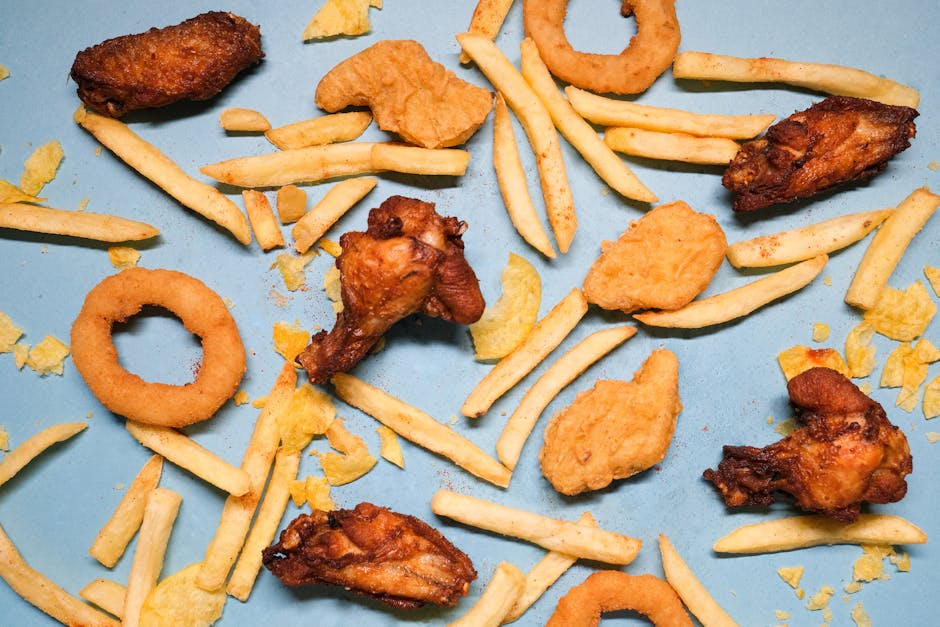
Burgers, fries, pizza, fried chicken – these might be comfort foods on a good day, but when your stomach is upset, they’re a recipe for disaster. Fatty foods take much longer to digest, forcing your stomach to work overtime. This extended digestion time can lead to increased nausea, bloating, and even diarrhea. Think about that heavy feeling after a greasy meal; now multiply that by ten when your gut is already struggling.
3. Caffeine
Your morning coffee might be a ritual, but when your stomach is protesting, it’s best to hit pause. Caffeine is a diuretic and can stimulate muscle contractions in your digestive tract, potentially leading to increased cramping and diarrhea. It can also relax the esophageal sphincter, which can worsen acid reflux. While a small amount might seem harmless, it’s a risk not worth taking when your tummy needs peace.
4. Alcohol
This one might seem obvious, but it’s worth reiterating. Alcohol is a direct irritant to the stomach lining. It can increase stomach acid production and cause inflammation, leading to nausea, vomiting, and diarrhea. If you’re already feeling queasy, alcohol will only intensify the discomfort and dehydrate you further, hindering your recovery.
5. Dairy Products (Especially for Lactose Intolerance)
For many, dairy can be a real troublemaker. If you’re lactose intolerant, your body lacks the enzyme lactase to properly break down the sugar in milk. When your stomach is upset, even a mild intolerance can become a major issue, leading to gas, bloating, cramps, and diarrhea. Even if you don’t typically have issues, dairy can be harder to digest when your system is compromised, so it’s often best to avoid it temporarily.
6. Acidic Foods (Citrus Fruits and Tomatoes)
Oranges, lemons, grapefruit, and tomatoes are packed with vitamins, but their high acidity can be a nightmare for an irritated stomach lining. They can exacerbate heartburn, acid reflux, and general stomach discomfort. My aunt learned this the hard way when she tried to “boost her immunity” with a large glass of orange juice during a stomach bug – it only made her nausea unbearable.
7. Processed and Sugary Foods
Candy, cookies, sugary drinks, and highly processed snacks offer little nutritional value and can often contain artificial ingredients that are difficult for a sensitive stomach to process. The high sugar content can also draw water into your intestines, potentially leading to diarrhea. Stick to whole, simple foods when your gut is feeling vulnerable.
8. Raw Vegetables and High-Fiber Foods
While fiber is usually excellent for digestive health, when your stomach is upset, raw vegetables and other very high-fiber foods can be too much. Their complex carbohydrates can be harder to break down, leading to gas and bloating. Think of raw broccoli or a big salad – while healthy, they demand a lot from your digestive system. It’s like asking someone with a sprained ankle to run a marathon!
Your Tummy’s Best Friends: Foods That Soothe and Heal
Now that we know what to avoid, let’s talk about the good stuff – the gentle, nourishing foods that can help calm your stomach and aid in recovery. The goal here is bland, easy-to-digest, and hydrating.
1. The BRAT Diet Staples (and Beyond!)
The classic BRAT diet (Bananas, Rice, Applesauce, Toast) is a go-to for a reason. These foods are low in fiber, bland, and easy to digest, helping to bind stools and provide some much-needed energy without upsetting your stomach further.
- Bananas: Easy to digest, rich in potassium (which can be depleted by vomiting/diarrhea), and provide natural sugars for energy.
- Rice (white): Plain white rice is low in fiber and provides carbohydrates for energy. Avoid brown rice initially due to higher fiber.
- Applesauce: Pectin in applesauce can help soothe the digestive tract. Make sure it’s unsweetened.
- Toast: Plain white toast (no butter, no jam initially) is easy to digest.
2. Clear Broths and Soups
Hydration is key when you have an upset stomach, especially if you’ve been vomiting or experiencing diarrhea. Clear broths (chicken, vegetable) provide essential electrolytes and nutrients without putting a strain on your digestive system. They’re like a warm, comforting hug for your insides.
- Chicken Broth: Rich in electrolytes and comforting.
- Vegetable Broth: A good option for vegetarians, also provides minerals.
3. Ginger
Ginger is a natural anti-nausea remedy that has been used for centuries. It can help calm an upset stomach and reduce feelings of sickness. You can sip on ginger tea (made from fresh ginger root) or try ginger ale (flat, not fizzy, and with real ginger if possible, avoiding excessive sugar).
- Ginger Tea: Steep fresh ginger slices in hot water.
- Ginger Candies: Small, sugar-free or low-sugar ginger chews can help.
4. Lean Proteins
Once you’re able to keep down bland foods, introducing small amounts of lean protein can help you regain strength. These provide essential amino acids without the difficult-to-digest fats.
- Plain Baked Chicken or Turkey: Skinless and boneless, simply baked or boiled.
- Scrambled Eggs: Easy to digest and a good source of protein.
5. Herbal Teas
Beyond ginger, several other herbal teas can be incredibly soothing for an upset stomach.
- Peppermint Tea: Can help relax stomach muscles and ease cramps.
- Chamomile Tea: Known for its calming properties, which can help settle the stomach and reduce anxiety often associated with illness.
6. Potatoes (Plain)
Boiled or baked plain potatoes (without skin, butter, or heavy seasonings) are a good source of carbohydrates and easy to digest. They can help provide energy and are gentle on the stomach.
Key Takeaways for a Happier Tummy
- Listen to Your Body: Everyone is different. Pay attention to how foods make you feel.
- Start Bland: When in doubt, stick to plain, easy-to-digest foods like the BRAT diet.
- Hydrate, Hydrate, Hydrate: Sips of water, clear broths, and electrolyte solutions are crucial.
- Avoid Irritants: Spicy, fatty, acidic, and sugary foods are your enemies when your stomach is upset.
- Small, Frequent Meals: Don’t overload your stomach. Opt for smaller portions more often.
- Rest is Best: Give your body time to recover; food is just one piece of the puzzle.
Frequently Asked Questions About Upset Stomachs and Diet
Q: How long should I follow a bland diet?
A: Generally, you should stick to a bland diet until your symptoms have subsided for at least 24-48 hours. Gradually reintroduce other foods, one at a time, to see how your stomach reacts. If symptoms return, go back to the bland diet for a little longer.
Q: Can probiotic foods help an upset stomach?
A: While probiotics are great for long-term gut health, introducing them during an acute upset stomach can sometimes cause more gas or bloating initially. It’s often better to wait until your stomach has settled before reintroducing probiotic-rich foods like yogurt or kefir, or probiotic supplements. Discuss with your doctor if you’re unsure.
Q: What if I can’t keep anything down?
A: If you’re unable to keep down even sips of water or clear broth for several hours, or if you experience severe pain, high fever, or blood in vomit/stool, it’s crucial to seek medical attention immediately. Dehydration can be dangerous, especially for children and the elderly.
Dealing with an upset stomach is never fun, but by being mindful of what you put into your body, you can significantly aid your recovery. Remember, the goal is to soothe, not stress, your digestive system. By avoiding the 8 foods to avoid with an upset stomach and what to eat instead, you’re empowering yourself to heal faster and get back to enjoying life’s delicious moments. Here’s to a happier, healthier tummy!
Written with love and assistance and refined for quality.
{“@context”:”https://schema.org”,”@type”:”Article”,”headline”:”Taming Your Tummy Troubles: 8 Foods To Avoid With an Upset Stomach and What To Eat Instead”,”description”:”In this article, weu2019ll explore: 8 Foods To Avoid With an Upset Stomachand What To Eat Instead and why it…”,”author”:{“@type”:”Person”,”name”:”rahuljait”},”datePublished”:”2026-05-13T07:33:58+00:00″,”dateModified”:”2026-05-13T07:33:58+00:00″,”mainEntityOfPage”:”https://healthyworldz.com/taming-your-tummy-troubles-8-foods-to-avoid-with-an-upset-stomach-and-what-to-eat-instead/”,”image”:[“https://healthyworldz.com/wp-content/uploads/2026/05/8-foods-to-avoid-with-an-upset-stomachand-what-to-eat-instead-35.jpg”]}
🔗 Related: Women with polycystic ovary syndrome exhibit…
🔗 Related: Hormonal mechanisms of womens risk in…
🔗 Related: 8 Foods To Avoid With an…