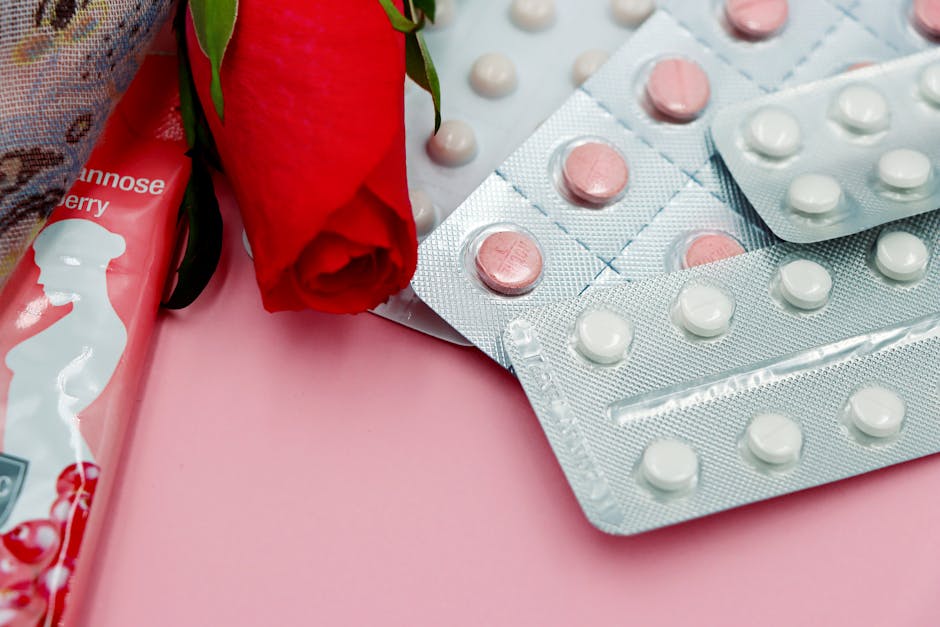
In this article, we’ll explore: Hormonal mechanisms of womens risk in the face of traumatic stress and why it matters today.
Related:
👉 Soothing Your Tummy: 8 Foods To Avoid With an Upset Stomach and What To Eat Instead for a Happier Gut
👉 The Inner Symphony: Understanding How Hormones Shape Women's Vulnerability to Traumatic Stress
👉 Unpacking the Invisible Links: Hormonal Mechanisms of Women's Risk in the Face of Traumatic Stress
Learn more: Hormonal mechanisms of womens risk in the face of traumatic stress on Google Search
Life throws curveballs. Sometimes, those curveballs hit hard, leaving us reeling from traumatic stress. It’s a harsh reality that affects countless individuals, but here’s a sobering truth: women often experience traumatic stress and its long-term effects, like Post-Traumatic Stress Disorder (PTSD), at significantly higher rates than men. Why is this the case? Is it just about societal roles, or are there deeper, biological currents at play?
Today, we’re diving into a fascinating and incredibly important area of understanding: the **hormonal mechanisms of women’s risk in the face of traumatic stress**. It’s a complex dance between our experiences and our internal chemistry, and by understanding it, we can better support, empathize with, and empower women navigating the aftermath of trauma. This isn’t just academic; it’s about real lives, real struggles, and real pathways to healing.
The Echo of Trauma: More Than Just a Bad Memory
Traumatic stress isn’t just about experiencing a frightening event; it’s about the profound and lasting impact that event has on our minds and bodies. Whether it’s an accident, an assault, combat, or a natural disaster, trauma can rewire our brains, leaving us hyper-vigilant, anxious, and struggling with intrusive thoughts, flashbacks, and emotional numbness.
Statistically, women are twice as likely as men to develop PTSD after experiencing trauma. This isn’t to say men don’t suffer profoundly – they absolutely do. But the striking gender disparity begs for a closer look. While societal factors, types of trauma experienced, and reporting biases all play a role, a growing body of research points to something far more fundamental: our hormones.
The Hormone Orchestra: Our Body’s Internal Messengers
Think of your hormones as a vast, intricate orchestra playing a symphony inside you 24/7. These chemical messengers travel through your bloodstream, influencing everything from your mood and energy levels to your metabolism and, crucially, your stress response. For women, this orchestra has a particularly dynamic and often dramatic repertoire, largely due to the cyclical nature of our reproductive hormones.
When we talk about the *hormonal mechanisms of women’s risk in the face of traumatic stress*, we’re primarily looking at a few key players:
* **Estrogen and Progesterone:** The quintessential “female” hormones, responsible for the menstrual cycle, pregnancy, and menopause. But their influence extends far beyond reproduction, deeply impacting mood, cognition, and stress regulation.
* **Cortisol:** The body’s primary stress hormone, part of the “fight or flight” response. It’s essential for survival, but chronic elevation or dysregulation can be detrimental.
* **Oxytocin:** Often called the “love hormone,” it plays a role in social bonding, trust, and even dampening stress.
Let’s explore how these powerful chemicals interact with traumatic stress.
Estrogen & Progesterone: The Double-Edged Sword
Estrogen and progesterone are truly the maestros of the female hormonal orchestra. Their fluctuating levels throughout the menstrual cycle, pregnancy, and menopause have profound effects on the brain’s emotional centers and stress response systems.
Estrogen’s Complex Role: Enhancer and Protector
Estrogen is a fascinating hormone. On one hand, it can enhance fear memory and reactivity in certain brain regions. This means that during phases of high estrogen (like the follicular phase of the menstrual cycle, before ovulation), women might be more prone to encoding traumatic memories vividly and reacting more intensely to stress cues. It’s like turning up the volume on the brain’s alarm system.
However, estrogen also has neuroprotective qualities and can increase serotonin (a “feel-good” neurotransmitter) and GABA (a calming neurotransmitter). This makes its role incredibly complex. The *fluctuations* might be key here. Imagine trying to build a stable house on constantly shifting ground – it’s much harder. Similarly, the brain’s ability to regulate stress and process trauma might be challenged by these natural, yet significant, hormonal shifts.
Progesterone: The Calming Influence (When It’s There)
Progesterone, particularly its metabolite allopregnanolone, is known for its calming, anti-anxiety effects. It acts on GABA receptors in the brain, essentially putting the brakes on the stress response. During the luteal phase (after ovulation) and especially during pregnancy, progesterone levels are high, offering a natural buffering effect against anxiety and stress.
The flip side? When progesterone levels drop sharply – for instance, right before menstruation, after childbirth, or during perimenopause – this natural calming influence diminishes. This reduction can leave women feeling more exposed, anxious, and vulnerable to the overwhelming feelings associated with traumatic stress. It might explain why some women experience heightened anxiety or mood disturbances during these specific hormonal windows, which could then exacerbate trauma symptoms.
Cortisol: The Stress Hormone’s Unpredictable Dance
Cortisol is our body’s emergency responder. When danger strikes, cortisol floods our system, giving us the energy and focus to fight or flee. In the short term, it’s a lifesaver. But chronic or dysregulated cortisol, especially after trauma, can cause significant problems.
What’s particularly interesting is how cortisol’s response to trauma can differ between sexes. While men often show a robust initial cortisol surge after trauma, women frequently exhibit a more blunted or prolonged cortisol response. This might sound counterintuitive – shouldn’t a strong response be helpful? Not always.
A blunted cortisol response means the body isn’t effectively shutting down the stress system after the danger has passed. It’s like the alarm system gets stuck on “on,” but at a lower, nagging volume. This prolonged, low-grade activation can lead to chronic inflammation, immune system dysregulation, and persistent feelings of anxiety and hyper-arousal, which are hallmarks of PTSD. This dysregulation is a significant part of the *hormonal mechanisms of women’s risk in the face of traumatic stress*.
Oxytocin: The Social Buffer with a Nuance
Oxytocin, often lauded for its role in bonding and trust, also plays a part in stress regulation. It can reduce anxiety and promote feelings of calm, particularly when social support is present. For women, who often seek and benefit more from social connection during stress, oxytocin can be a powerful protective factor.
However, trauma can sometimes disrupt oxytocin pathways. For instance, if the trauma involved a breach of trust or interpersonal violence, the very systems that promote social connection might become dysregulated, making it harder to seek or benefit from social support, thus removing a crucial buffer against stress.
Life Stages: Hormonal Rollercoasters and Trauma Vulnerability
The impact of hormones on trauma isn’t static; it shifts throughout a woman’s life.
* **Menstrual Cycle:** As mentioned, the cyclical fluctuations of estrogen and progesterone can create windows of heightened vulnerability to stress and trauma symptoms. Many women report worse anxiety or PTSD symptoms during their premenstrual phase.
* **Pregnancy and Postpartum:** Pregnancy involves massive hormonal shifts, offering both protective (high progesterone) and potentially vulnerable phases. The postpartum period, with its dramatic drop in hormones, is a time of immense vulnerability, contributing to conditions like postpartum depression and anxiety, which can be exacerbated by or even trigger trauma responses.
* **Perimenopause and Menopause:** This transition is marked by declining and erratic estrogen levels, often accompanied by increased anxiety, sleep disturbances, and mood swings. For women with a history of trauma, this phase can reignite or worsen PTSD symptoms, as the hormonal buffering capacity diminishes.
Understanding these stages is crucial for providing targeted support and interventions.
Beyond Hormones: A Holistic View
While this discussion focuses on the powerful *hormonal mechanisms of women’s risk in the face of traumatic stress*, it’s vital to remember that hormones don’t act in isolation. They interact with a multitude of other factors:
* **Genetics:** Some individuals are genetically predisposed to certain stress responses.
* **Previous Trauma:** A history of prior trauma, especially in childhood, can sensitize the stress response system.
* **Sociocultural Factors:** Experiences of discrimination, gender-based violence, and societal expectations can significantly impact a woman’s risk and recovery.
* **Environment and Support Systems:** Access to resources, social support, and safe environments are critical for resilience.
Our biology is not our destiny, but it’s an incredibly important piece of the puzzle. Recognizing these hormonal influences isn’t about blaming biology; it’s about empowering women and healthcare providers with knowledge to offer more nuanced, effective care.
Key Takeaways
- Women are statistically more likely to develop PTSD after trauma than men, with hormonal differences playing a significant role.
- **Estrogen** can heighten fear memory and reactivity, and its fluctuations can impact stress resilience.
- **Progesterone** (and its calming metabolite) provides an anti-anxiety buffer, and its drop can increase vulnerability.
- **Cortisol** response to trauma in women can be blunted or prolonged, leading to persistent stress system activation.
- **Oxytocin** is a social buffer, but trauma can disrupt its pathways, affecting social support.
- Major life stages like the menstrual cycle, postpartum period, and menopause, with their dramatic hormonal shifts, can create windows of heightened vulnerability to trauma symptoms.
- Hormones are one piece of a larger puzzle that includes genetics, prior trauma, and social factors.
Frequently Asked Questions
Q: Can hormonal birth control affect my trauma response or anxiety?
A: Potentially, yes. Hormonal birth control alters the natural fluctuations of estrogen and progesterone. For some women, this can stabilize mood, while for others, it might exacerbate anxiety or depressive symptoms, especially if they are sensitive to synthetic hormones or have underlying trauma. It’s crucial to discuss any concerns with your healthcare provider.
Q: What can I do if I suspect hormones are impacting my stress or trauma symptoms?
A: The first step is awareness. Tracking your cycle and symptoms can reveal patterns. Then, consult with a healthcare professional (gynecologist, endocrinologist, or a therapist specializing in women’s mental health). They can help assess your hormonal health and discuss options like hormone therapy, stress management techniques, or specific therapeutic approaches.
Q: Is this just about “female hormones”? Do men have hormonal responses to trauma?
A: While this article focuses on the unique *hormonal mechanisms of women’s risk in the face of traumatic stress*, men absolutely have hormonal responses to trauma, primarily involving cortisol and testosterone. However, their hormonal profiles and responses differ, contributing to the gender disparity in PTSD rates.
Q: Does therapy help with these hormonal effects?
A: Yes! Therapy, particularly trauma-informed therapies like Cognitive Behavioral Therapy (CBT) and Eye Movement Desensitization and Reprocessing (EMDR), can help regulate the nervous system and brain pathways affected by trauma. While therapy doesn’t directly change hormone levels, it can significantly improve how your body and mind cope with stress, regardless of hormonal fluctuations, and help you build resilience.
Moving Forward with Understanding and Hope
Understanding the intricate interplay between hormones and traumatic stress in women is a powerful step forward. It validates experiences, reduces self-blame, and opens doors to more tailored and effective interventions. If you or a woman you know is struggling with the aftermath of trauma, remember that help is available. Seeking support from mental health professionals who understand these complex dynamics can make all the difference. By acknowledging the invisible threads of our biology, we can weave stronger safety nets and brighter futures for all.
Written with love and assistance and refined for quality.
{“@context”:”https://schema.org”,”@type”:”Article”,”headline”:”Unraveling the Invisible Threads: How Hormones Shape Women’s Vulnerability to Traumatic Stress”,”description”:”In this article, weu2019ll explore: Hormonal mechanisms of womens risk in the face of traumatic stress and why it matters…”,”author”:{“@type”:”Person”,”name”:”rahuljait”},”datePublished”:”2026-05-13T00:39:42+00:00″,”dateModified”:”2026-05-13T00:39:42+00:00″,”mainEntityOfPage”:”https://healthyworldz.com/unraveling-the-invisible-threads-how-hormones-shape-womens-vulnerability-to-traumatic-stress-3/”,”image”:[“https://healthyworldz.com/wp-content/uploads/2026/05/hormonal-mechanisms-of-womens-risk-in-the-face-of-traumatic-stress-77.jpg”]}
🔗 Related: Hormonal mechanisms of womens risk in…
🔗 Related: Hormonal mechanisms of womens risk in…
🔗 Related: Hormonal mechanisms of womens risk in…