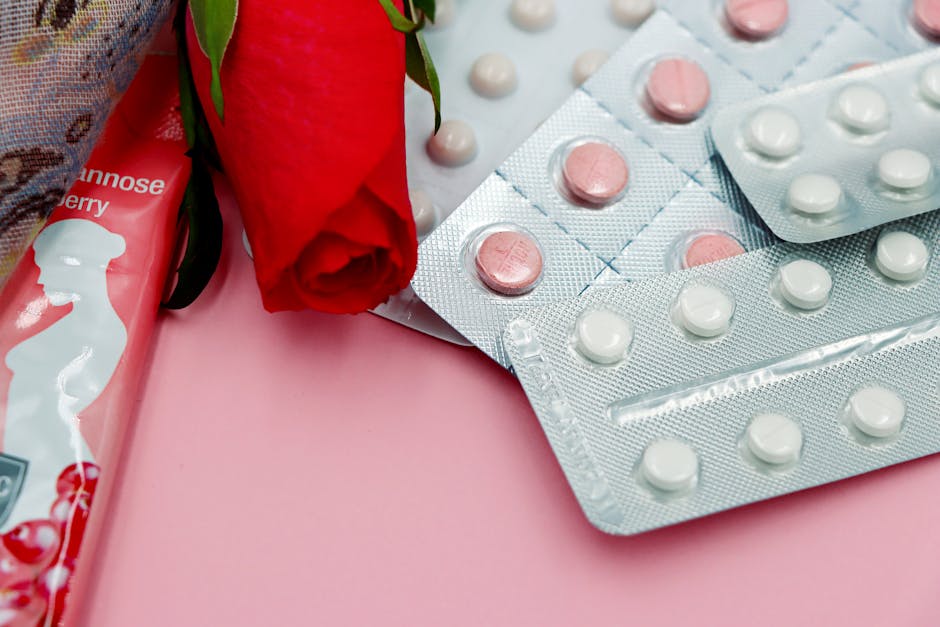
In this article, we’ll explore: Hormonal mechanisms of womens risk in the face of traumatic stress and why it matters today.
Related:
👉 Unraveling the Invisible Threads: How Hormones Shape Women's Risk After Traumatic Stress
👉 Unraveling the Hidden Symphony: How Hormonal Mechanisms Shape Women's Risk in the Face of Traumatic Stress
👉 Unraveling the Invisible Threads: How Hormones Shape Women's Vulnerability to Traumatic Stress
Learn more: Hormonal mechanisms of womens risk in the face of traumatic stress on Google Search
Imagine two people experiencing the same profoundly distressing event – a car accident, a natural disaster, or a personal assault. While both will undoubtedly suffer, research consistently shows that women are more likely to develop conditions like Post-Traumatic Stress Disorder (PTSD) and experience a greater severity of symptoms. It’s a stark reality that leaves many wondering: why? Is it just societal factors, or is there something deeper, something biological, at play?
The truth is, it’s a complex tapestry woven with threads of societal influences, psychological responses, and crucially, our very biology. Today, we’re going to pull back the curtain on one of the most fascinating and impactful areas of this difference: the hormonal mechanisms of women’s risk in the face of traumatic stress. We’ll explore how the unique ebb and flow of hormones in a woman’s body can significantly influence how she perceives, processes, and recovers from traumatic events. This isn’t about placing blame or implying weakness; it’s about understanding, empowering, and ultimately, paving the way for more tailored and effective support.
The Unseen Scars: What Trauma Really Does
Before we dive into hormones, let’s quickly touch on what traumatic stress entails. It’s not just a “bad memory” you can shake off. Traumatic stress is the mind and body’s response to a deeply disturbing or life-threatening event. It can shatter a person’s sense of safety, change their perception of the world, and leave lasting emotional, psychological, and even physical scars. Symptoms can range from intrusive thoughts and flashbacks to hypervigilance, emotional numbness, and and difficulty with relationships. It can literally rewire the brain, impacting everything from sleep to decision-making and emotional regulation.
For decades, our understanding and treatment of trauma often took a “one-size-fits-all” approach. But as we learn more, it becomes increasingly clear that gender plays a significant role in both the prevalence and presentation of trauma-related disorders. Women are not only more likely to experience certain types of trauma (e.g., sexual assault, domestic violence) but also, as mentioned, nearly twice as likely to develop PTSD after exposure to trauma compared to men, even when controlling for the type of trauma.
The Hormonal Orchestra: Estrogen, Progesterone, and Cortisol’s Leading Roles
Think of your body as a magnificent orchestra, with hormones as the conductors, dictating the tempo and rhythm of countless bodily functions. In women, this orchestra has a particularly dynamic repertoire, thanks to the cyclical nature of hormones like estrogen and progesterone. When a traumatic event strikes, these hormonal players don’t just sit idly by; they jump into action, influencing how your stress response system (the HPA axis) behaves and how your brain processes fear and memory.
Estrogen: A Double-Edged Sword?
Estrogen, often associated with female reproductive health, is far more than just a reproductive hormone. It’s a powerful neurosteroid, meaning it acts directly on the brain. Its role in trauma is complex and, at times, contradictory:
- Memory and Fear: Estrogen can enhance memory consolidation, particularly emotional memories. While this is great for learning, it might also mean that traumatic memories are more vividly etched into the brain, making them harder to forget or process effectively.
- Stress Response Modulation: It can influence the activity of the HPA (hypothalamic-pituitary-adrenal) axis, which is your body’s central stress response system. Depending on its levels, estrogen can either dampen or amplify the stress response. For instance, higher estrogen levels during certain phases of the menstrual cycle might make women more reactive to stress.
- Neuroplasticity: Estrogen plays a role in brain plasticity – the brain’s ability to adapt and change. This could theoretically aid in recovery, but if the initial traumatic imprint is strong, it might also solidify maladaptive responses, making it harder to “unlearn” fear responses.
So, while estrogen is vital for many bodily functions, its fluctuating levels can sometimes leave women more susceptible to the long-term impacts of trauma by intensifying emotional memories and modulating stress reactivity.
Progesterone: The Calming Influence (Sometimes)
Progesterone, another key female hormone, is often seen as estrogen’s calmer counterpart. Its primary metabolite, allopregnanolone, is a neurosteroid that acts on GABA receptors in the brain – the same receptors targeted by anti-anxiety medications like benzodiazepines. This means progesterone can have significant anxiolytic (anxiety-reducing) and sedative effects.
- Anxiety Reduction: Higher levels of progesterone, typically seen in the luteal phase of the menstrual cycle (after ovulation) and during pregnancy, are associated with reduced anxiety and a more subdued stress response.
- Neuroprotection: There’s also evidence that progesterone can have neuroprotective effects, potentially safeguarding brain cells from damage during extreme stress.
However, when progesterone levels drop sharply, such as before menstruation or postpartum, women might experience increased vulnerability to anxiety and stress. The sudden withdrawal of its calming influence can leave the brain feeling more exposed and reactive to stressors, potentially exacerbating trauma symptoms.
Cortisol: The Stress Hormone in Overdrive
Cortisol is the body’s primary stress hormone, released by the adrenal glands. It’s crucial for the “fight or flight” response, mobilizing energy and sharpening focus. While cortisol is essential for survival, chronic or dysregulated cortisol release after trauma can be highly damaging.
- HPA Axis Dysregulation: Research suggests that women, particularly those with a history of trauma, often exhibit different patterns of HPA axis activity compared to men. This can manifest as either an exaggerated cortisol response initially or, paradoxically, a blunted cortisol response over time, which can impair the body’s ability to regulate stress effectively.
- Inflammation and Health: Chronic high cortisol can lead to systemic inflammation, which is linked to a host of physical and mental health issues, including depression, anxiety, and autoimmune disorders. Women are disproportionately affected by many of these conditions.
The interplay between estrogen, progesterone, and cortisol creates a complex dance that can either buffer a woman against the effects of trauma or, conversely, heighten her vulnerability. Understanding these hormonal mechanisms of women’s risk in the face of traumatic stress is key to unlocking more effective interventions.
The Menstrual Cycle, Pregnancy, and Menopause: Hormonal Rollercoasters and Trauma Vulnerability
These hormonal fluctuations aren’t static; they change dramatically throughout a woman’s life, creating specific windows of vulnerability or resilience:
- Menstrual Cycle: During the follicular phase (when estrogen is rising) and the premenstrual phase (when progesterone drops), some women report increased anxiety and stress sensitivity. This could mean that a traumatic event occurring during these times might be processed differently, potentially leading to a more intense or prolonged impact.
- Pregnancy and Postpartum: Pregnancy brings massive hormonal shifts, including very high levels of progesterone. While this can be protective for some, the rapid drop in hormones postpartum can leave new mothers highly vulnerable to mood disorders and the exacerbation of pre-existing trauma.
- Perimenopause and Menopause: As estrogen and progesterone levels decline irregularly and then stabilize at lower levels, many women experience increased anxiety, depression, and sleep disturbances. This period can be a significant stressor in itself and may reduce resilience to traumatic events or trigger dormant trauma symptoms.
Consider Sarah, a 45-year-old woman entering perimenopause, who suddenly finds herself overwhelmed by anxiety and flashbacks from a childhood car accident. She’d managed it for years, but the hormonal shifts, coupled with the daily stressors of midlife, seem to have tipped the scales, making her nervous system hyper-reactive in a way it hadn’t been before.
Beyond Hormones: The Brain and Genetics
While hormones are a major piece of the puzzle, it’s important to remember they don’t act in isolation. They interact intricately with other biological factors:
- Neurotransmitters: Hormones influence neurotransmitters like serotonin, dopamine, and norepinephrine, which regulate mood, fear, and arousal. Disruptions in these systems are often seen in trauma-related disorders.
- Brain Structure and Function: Differences in brain regions involved in fear processing (like the amygdala) and emotional regulation (like the prefrontal cortex) have been observed between sexes, and these can be modulated by hormones.
- Genetics: Our genes also play a role in how we respond to stress and trauma, interacting with our hormonal environment to shape our individual resilience or vulnerability.
Understanding the full picture requires appreciating this complex interplay, but the hormonal mechanisms of women’s risk in the face of traumatic stress undeniably stand out as a critical area of focus.
Key Takeaways
- Women are disproportionately affected by trauma-related disorders like PTSD.
- Female hormones (estrogen, progesterone, cortisol) significantly influence how women respond to and recover from traumatic stress.
- Estrogen can enhance traumatic memory consolidation and modulate the stress response, potentially increasing vulnerability.
- Progesterone typically has anxiety-reducing effects, but its withdrawal can heighten stress sensitivity.
- The HPA axis (stress response system) may function differently in women, leading to varied cortisol patterns after trauma.
- Major life stages involving hormonal shifts (menstrual cycle, pregnancy, menopause) can create windows of increased vulnerability to trauma symptoms.
- This understanding emphasizes the need for gender-specific, trauma-informed care and support.
Frequently Asked Questions About Hormones and Trauma
Q1: Does this mean women are “weaker” when it comes to trauma?
Absolutely not! This understanding highlights biological differences, not weaknesses. Recognizing these hormonal mechanisms allows us to develop more targeted and effective support strategies. It speaks to the unique resilience and challenges women face, not a deficiency. It’s about acknowledging a different biological blueprint.
Q2: Can hormone therapy help with trauma symptoms?
This is a complex area and requires careful consideration with a healthcare provider. In some cases, managing hormonal imbalances (e.g., during perimenopause) might alleviate general anxiety or mood disturbances that can exacerbate trauma symptoms. However, hormone therapy is not a direct treatment for PTSD, and its role in trauma recovery is still an active area of research. Always consult a doctor or specialist before considering any hormonal interventions.
Q3: What can women do to support their hormonal health after trauma?
Focus on holistic well-being. This includes a balanced, nutrient-rich diet, regular physical activity, adequate and restorative sleep, and consistent stress reduction techniques (mindfulness, meditation, yoga, spending time in nature). Seeking professional mental health support is also crucial. A healthy lifestyle can help regulate hormonal balance and improve overall resilience. Avoiding excessive caffeine and alcohol can also be beneficial as they can disrupt hormonal equilibrium.
Q4: Are there specific therapies that consider these hormonal differences?
While most established trauma therapies (like Cognitive Behavioral Therapy – CBT, Eye Movement Desensitization and Reprocessing – EMDR) are effective across genders, an increasing number of practitioners are becoming trauma-informed and gender-sensitive. This means they consider the unique biological and societal factors that impact women. Discussing your hormonal health, including your menstrual cycle or menopausal status, with your therapist or doctor can help them tailor your care plan more effectively and understand potential fluctuations in your symptoms.
Understanding the intricate hormonal mechanisms of women’s risk in the face of traumatic stress isn’t just academic; it’s a vital step towards creating a world where support for trauma is as nuanced and individual as the people who experience it. By acknowledging these biological realities, we can move beyond generic approaches and develop truly empowering strategies that honor women’s unique experiences, fostering healing and resilience for generations to come. Your body’s story is complex, and understanding it is the first step toward writing a new chapter of healing.
Written with love and assistance and refined for quality.
{“@context”:”https://schema.org”,”@type”:”Article”,”headline”:”Understanding the Hormonal Dance: Unpacking Women’s Unique Risk in the Face of Traumatic Stress”,”description”:”In this article, weu2019ll explore: Hormonal mechanisms of womens risk in the face of traumatic stress and why it matters…”,”author”:{“@type”:”Person”,”name”:”rahuljait”},”datePublished”:”2026-05-13T04:41:56+00:00″,”dateModified”:”2026-05-13T04:41:56+00:00″,”mainEntityOfPage”:”https://healthyworldz.com/understanding-the-hormonal-dance-unpacking-womens-unique-risk-in-the-face-of-traumatic-stress/”,”image”:[“https://healthyworldz.com/wp-content/uploads/2026/05/hormonal-mechanisms-of-womens-risk-in-the-face-of-traumatic-stress-80.jpg”]}
🔗 Related: Hormonal mechanisms of womens risk in…
🔗 Related: Hormonal mechanisms of womens risk in…