In this article, we’ll explore: 8 Foods To Avoid With an Upset Stomachand What To Eat Instead and why it matters today.
Related:
👉 Unveiling the IVF Challenge: Why Women with PCOS Exhibit Impaired Endometrial Receptivity with Excessive ER and Histone Lactylation
👉 Tummy Troubles? Here Are the 8 Foods To Avoid With an Upset Stomach and What To Eat Instead for Quick Relief!
👉 Unmasking the Hidden Links: How Hormonal Mechanisms Elevate Women's Risk in the Face of Traumatic Stress
Learn more: 8 Foods To Avoid With an Upset Stomachand What To Eat Instead on Google Search
Ah, the dreaded upset stomach. We’ve all been there, haven’t we? That familiar gurgle, the uncomfortable churn, the sudden need to be very, very close to a bathroom. It’s a truly miserable experience that can throw a wrench in even the best-laid plans. Maybe you ate something questionable, maybe stress got the best of you, or maybe your stomach just decided it needed a day off. Whatever the cause, when your tummy is doing the rumba, the last thing you want to do is make it worse.
In those moments of digestive distress, reaching for comfort food is natural. But here’s the tricky part: some of our go-to “comforts” can actually be the worst culprits for prolonging the misery. Think about it: when your stomach is already sensitive, bombarding it with irritating or hard-to-digest foods is like adding fuel to a fire. It’s crucial to know not just what to avoid, but also what gentle, soothing alternatives can help you get back on your feet.
That’s exactly what we’re diving into today. We’re going to explore 8 foods to avoid with an upset stomach and what to eat instead, giving you a clear roadmap to recovery. So, put down that greasy burger (for now, at least!) and let’s talk about how to calm your churning tummy and get you feeling like yourself again.
1. Spicy Foods: A Fiery Foe for a Fragile Tummy
Oh, how we love a good kick! Chili, hot sauce, jalapeños – they can make a meal sing. But when your stomach is already doing a solo act of discomfort, bringing in the entire mariachi band of capsaicin (the active compound in chili peppers) is a recipe for disaster. Spicy foods irritate the lining of the stomach and esophagus, potentially increasing acid reflux, heartburn, and general tummy turmoil. They can also speed up digestion, which is exactly what you *don’t* want if you’re already experiencing diarrhea.
What to Eat Instead:
- Bland Chicken or Turkey: Cooked simply, without spices. Think baked or boiled.
- Plain Rice: White rice is easier to digest than brown when your stomach is sensitive.
- Mildly Seasoned Vegetables: Steamed carrots or zucchini with a pinch of salt.
2. Greasy & Fried Foods: The Heavy Hitters
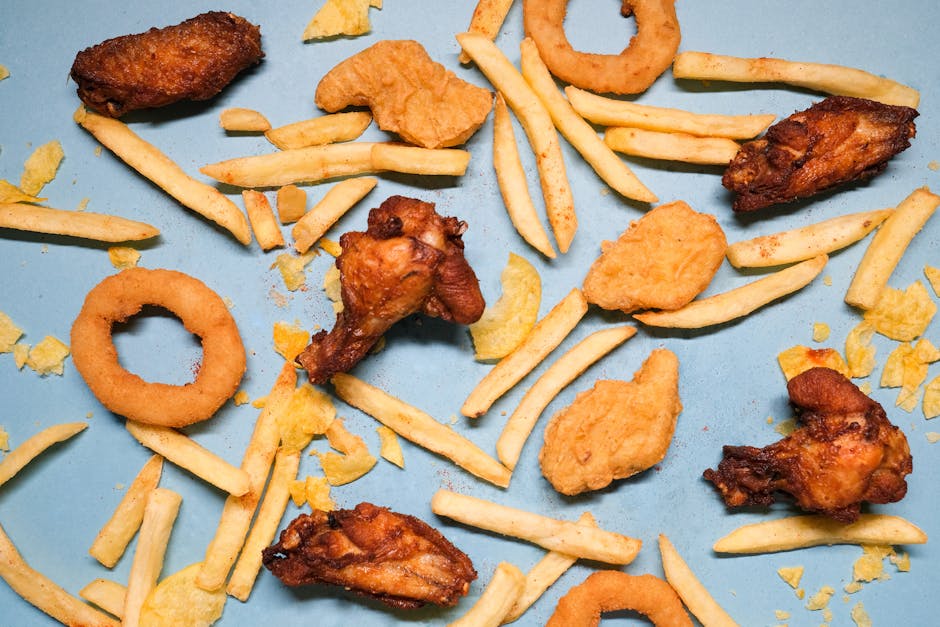
French fries, fried chicken, greasy pizza – these are often the foods we crave when we’re feeling low. Unfortunately, they’re also some of the worst offenders for an upset stomach. High-fat foods are much harder for your digestive system to break down. They can sit in your stomach longer, leading to feelings of fullness, nausea, and indigestion. Imagine your already overworked stomach trying to process a heavy, oily meal – it’s like asking a tired runner to sprint a marathon.
What to Eat Instead:
- Baked or Boiled Potatoes: A simple, comforting carbohydrate.
- Toast: Plain white or whole wheat toast (no butter, please!).
- Clear Broths: Chicken or vegetable broth can provide nutrients and hydration without taxing your system.
3. Dairy Products (Especially High-Fat): A Gut Gamble
For many, dairy can be a delightful treat. For others, especially when their stomach is already upset, it can be a nightmare. Lactose, the sugar found in milk, can be difficult for some people to digest, leading to bloating, gas, and diarrhea – a condition known as lactose intolerance. Even if you’re not typically lactose intolerant, a sensitive gut might struggle with the fat content in dairy products like whole milk, cheese, and ice cream.
What to Eat Instead:
- Lactose-Free Dairy Alternatives: Almond milk or oat milk can be gentler options.
- Yogurt with Live Cultures (in moderation): Plain, low-fat yogurt with probiotics might actually help, but introduce it slowly and in small amounts.
- Water: The ultimate hydrator, always a safe bet.
4. Acidic Fruits & Juices: The Sour Truth
While fruits are usually a healthy choice, highly acidic ones like oranges, grapefruits, lemons, and even tomatoes can be too much for an upset stomach. The natural acids in these foods can irritate the already sensitive lining of your stomach, potentially worsening heartburn, acid reflux, and general discomfort. The same goes for their juices – a glass of orange juice might seem refreshing, but it could actually cause more irritation.
What to Eat Instead:
- Bananas: Easy to digest, rich in potassium (which can be depleted by vomiting/diarrhea), and helps coat the stomach.
- Applesauce: Cooked apples are much gentler than raw, and applesauce provides pectin, a soluble fiber that can help firm up stool.
- Melons: Cantaloupe and honeydew are generally well-tolerated and hydrating.
5. Caffeinated Beverages & Alcohol: Double Trouble
That morning coffee might be your ritual, but when your stomach is protesting, it’s best to hit pause. Caffeine is a stimulant that can increase stomach acid production and act as a diuretic, potentially leading to dehydration, especially if you’re experiencing diarrhea. Alcohol is even worse. It irritates the stomach lining, can cause inflammation, and dehydrates the body, making recovery much harder. Think of alcohol as throwing gasoline on your stomach’s already burning fire.
What to Eat Instead:
- Herbal Teas: Peppermint, ginger, and chamomile teas are known for their soothing properties. Peppermint can relax stomach muscles, ginger can calm nausea, and chamomile is a mild anti-inflammatory.
- Diluted Fruit Juice: If you crave something sweet, dilute a small amount of non-acidic juice (like apple juice) with water.
- Electrolyte Drinks: To replenish lost fluids and minerals, especially after vomiting or diarrhea.
6. Carbonated Drinks: The Bubbling Bellyache
A cold soda might seem like a quick fix for nausea, but those bubbles are actually gas, and they’re going straight into your already upset digestive system. Carbonated beverages, including soda and sparkling water, can cause bloating, gas, and discomfort. The sugar content in most sodas can also be problematic, potentially worsening diarrhea or irritating the stomach further.
What to Eat Instead:
- Flat Water: The gold standard for hydration.
- Clear Broths: As mentioned before, they offer hydration and electrolytes.
- Weak, Decaffeinated Tea: Gently brewed and not too strong.
7. Highly Processed & Sugary Foods: Empty Calories, Full Discomfort
Cookies, candy, sugary cereals, and processed snacks are often loaded with refined sugars, artificial sweeteners, and unhealthy fats. These ingredients can wreak havoc on a sensitive stomach. Sugar can feed bad bacteria in the gut, potentially worsening diarrhea or gas. Artificial sweeteners can also cause digestive distress in some individuals. These foods offer little to no nutritional value when your body is trying to heal.
What to Eat Instead:
- Plain Crackers: Saltines or similar bland crackers can help settle the stomach.
- Cooked Cereal: Oatmeal or cream of wheat (plain, no sugar) can be comforting and easy to digest.
- Rice Cakes: Simple and plain.
8. Cruciferous Vegetables & Beans: The Gas Producers
Normally, we sing the praises of vegetables and legumes for their fiber and nutrients. But when your stomach is upset, certain high-fiber foods can be too much to handle. Cruciferous vegetables like broccoli, cauliflower, cabbage, and Brussels sprouts, along with beans and lentils, contain complex sugars that are difficult to digest and can produce a lot of gas and bloating. While incredibly healthy, they might just add to your discomfort during a tummy flare-up.
What to Eat Instead:
- Cooked Carrots: Steamed until soft, they are easy to digest.
- Peeled Potatoes: Boiled or baked, very gentle.
- Green Beans: Cooked well, they are usually better tolerated than their cruciferous cousins.
Key Takeaways for a Happy Tummy
When your stomach is upset, the general rule of thumb is to go bland, low-fat, and easily digestible. Think of it as giving your digestive system a much-needed vacation. Here’s a quick recap to keep in mind:
- Listen to Your Body: Everyone is different. Pay attention to how certain foods make you feel.
- Hydrate, Hydrate, Hydrate: Water, clear broths, and herbal teas are your best friends.
- Go Bland: Stick to simple, unseasoned foods. The BRAT diet (Bananas, Rice, Applesauce, Toast) is a classic for a reason.
- Small, Frequent Meals: Instead of three large meals, try eating smaller portions more often to avoid overloading your system.
- Avoid Irritants: Steer clear of spice, fat, acid, caffeine, alcohol, and excessive sugar.
FAQ: Your Upset Stomach Questions Answered
Q1: How long should I stick to bland foods?
A: Generally, you should stick to bland foods until your symptoms have completely resolved, and then for another 24-48 hours. Gradually reintroduce other foods one at a time to see how your body reacts. If symptoms return, you might need to avoid that food a bit longer.
Q2: Can I still exercise if I have an upset stomach?
A: It’s generally best to avoid strenuous exercise when you have an upset stomach, especially if you’re experiencing nausea, vomiting, or diarrhea. Light activity like a gentle walk might be okay if you feel up to it, but listen to your body and prioritize rest and recovery.
Q3: When should I see a doctor for an upset stomach?
A: While most upset stomachs resolve on their own, you should see a doctor if you experience severe abdominal pain, high fever, bloody or black stools, persistent vomiting (especially if you can’t keep fluids down), signs of dehydration (like decreased urination or extreme thirst), or if symptoms last for more than a few days.
Dealing with an upset stomach is never fun, but making smart food choices can significantly speed up your recovery and make the experience a little less miserable. By knowing which 8 foods to avoid with an upset stomach and what to eat instead, you’re empowering yourself to get back to feeling your best. So, be kind to your tummy, give it the gentle care it deserves, and here’s to a swift return to digestive peace!
Written with love and assistance and refined for quality.
{“@context”:”https://schema.org”,”@type”:”Article”,”headline”:”Tummy Troubles? Here Are 8 Foods To Avoid With an Upset Stomach (And What to Eat Instead!)”,”description”:”In this article, weu2019ll explore: 8 Foods To Avoid With an Upset Stomachand What To Eat Instead and why it…”,”author”:{“@type”:”Person”,”name”:”rahuljait”},”datePublished”:”2026-05-13T12:42:00+00:00″,”dateModified”:”2026-05-13T12:42:00+00:00″,”mainEntityOfPage”:”https://healthyworldz.com/tummy-troubles-here-are-8-foods-to-avoid-with-an-upset-stomach-and-what-to-eat-instead-3/”,”image”:[“https://healthyworldz.com/wp-content/uploads/2026/05/8-foods-to-avoid-with-an-upset-stomachand-what-to-eat-instead-39.jpg”]}
🔗 Related: Women with polycystic ovary syndrome exhibit…
🔗 Related: Hormonal mechanisms of womens risk in…
🔗 Related: 8 Foods To Avoid With an…