In this article, we’ll explore: 8 Foods To Avoid With an Upset Stomachand What To Eat Instead and why it matters today.
Related:
👉 The Silent Symphony: Understanding Hormonal Mechanisms of Women's Risk in the Face of Traumatic Stress
👉 Beyond the Ovaries: Understanding How Women with Polycystic Ovary Syndrome Exhibit Impaired Endometrial Receptivity with Excessive ER and Histone Lactylation
👉 Tummy Troubles? Here Are 8 Foods To Avoid With an Upset Stomach (And What to Eat Instead!)
Learn more: 8 Foods To Avoid With an Upset Stomachand What To Eat Instead on Investopedia
We’ve all been there. That familiar rumble, the sudden cramp, the general feeling of “ugh” in your gut. An upset stomach can throw a wrench into your entire day, making even simple tasks feel like monumental efforts. Whether it’s a fleeting tummy ache, a bout of indigestion, or something a little more persistent, knowing what to put into your body – and more importantly, what to steer clear of – can make all the difference in finding relief.
It’s often said that food is medicine, but when your stomach is already protesting, the wrong “medicine” can feel like adding fuel to a fire. While everyone’s digestive system is a unique ecosystem, there are some common culprits that tend to irritate an already sensitive stomach, and some tried-and-true allies that can help soothe it. This guide is all about helping you navigate those tricky times. We’ll dive deep into **8 foods to avoid with an upset stomach and what to eat instead**, so you can get back to feeling like yourself, faster.
Let’s explore how to be kind to your tummy when it’s feeling anything but.
Foods That Can Worsen an Upset Stomach (and Their Tummy-Friendly Alternatives)
When your digestive system is feeling tender, it’s essentially asking for a break. Certain foods demand a lot of work to break down, or they contain compounds that can further irritate an already inflamed lining. Here are the top offenders and what to swap them for.
1. Spicy Foods: The Fiery Foe
Oh, the delicious burn of a spicy curry or a chili-laden taco! While fantastic for waking up the taste buds, capsaicin – the compound that gives chili peppers their heat – can be incredibly irritating to the stomach lining, especially when it’s already sensitive. Think of it like pouring hot sauce on a sunburn; it just makes things worse. Spicy foods can increase stomach acid production and cause reflux, heartburn, and even diarrhea in an already compromised system.
- Why avoid: Irritates stomach lining, increases acid, can cause reflux and diarrhea.
- What to eat instead: Stick to bland, mild flavors. Think plain chicken breast, steamed white rice, or soft-boiled eggs. These foods are gentle on the stomach and easy to digest.
2. Fatty and Fried Foods: The Digestive Drag
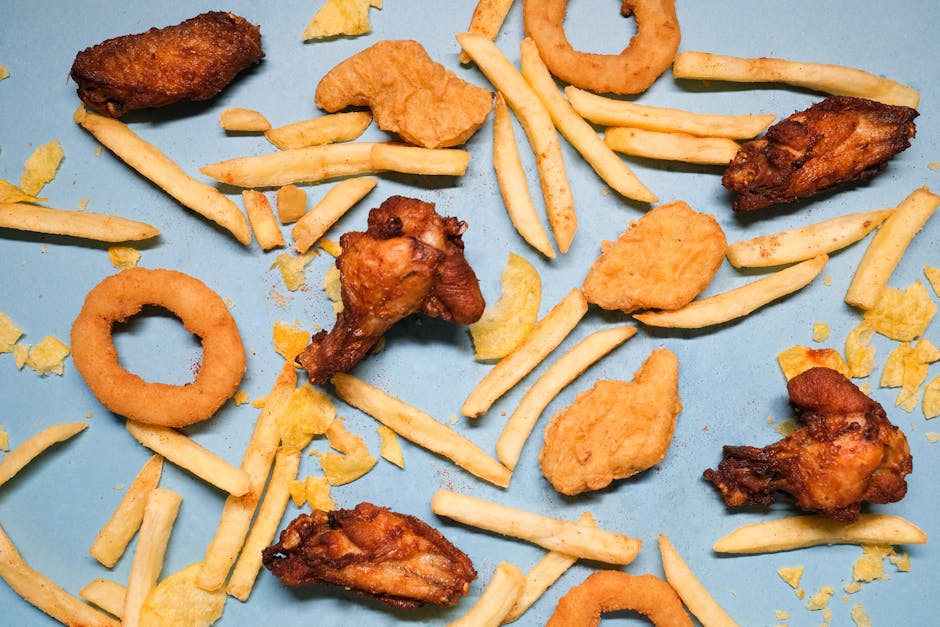
Greasy burgers, crispy fries, deep-fried chicken – these might be comfort foods for some, but they are far from comforting for an upset stomach. Foods high in fat take a long time to digest and can sit heavily in your stomach, leading to nausea, bloating, and even diarrhea. The body has to work extra hard to break down fats, and when your digestive system is already struggling, this extra effort can be overwhelming.
- Why avoid: Hard to digest, can cause nausea, bloating, and diarrhea.
- What to eat instead: Opt for lean protein sources prepared gently. Baked or grilled chicken or fish, steamed vegetables, or a plain baked potato are much easier on the digestive system.
3. Dairy Products (Especially for Lactose Intolerance): The Gassy Culprit
For many people, dairy products like milk, cheese, and ice cream can be problematic, even on a good day. If you’re lactose intolerant, your body lacks the enzyme lactase needed to break down lactose, the sugar found in dairy. When your stomach is already upset, consuming dairy can exacerbate symptoms like gas, bloating, cramps, and diarrhea. Even for those without diagnosed intolerance, dairy can sometimes feel heavy and contribute to discomfort when the gut is sensitive.
- Why avoid: Lactose can cause gas, bloating, and cramps, especially if lactose intolerant.
- What to eat instead: If you love dairy, try lactose-free milk or yogurt. Plain, unsweetened yogurt with live cultures (probiotics) can actually be beneficial for some, but introduce it slowly. Otherwise, plant-based alternatives like almond or oat milk are good choices.
4. Acidic Foods and Drinks: The Reflux Risk
Citrus fruits (oranges, lemons, grapefruits), tomatoes, and drinks like coffee, soda, and fruit juices are highly acidic. While generally healthy, these can be a nightmare for an upset stomach, particularly if you’re prone to heartburn or acid reflux. The acidity can irritate the esophageal lining and stomach, making your discomfort even worse. Remember that feeling after drinking orange juice on an empty, sensitive stomach? That’s the acidity at work.
- Why avoid: Can increase stomach acid, worsen heartburn and reflux.
- What to eat instead: Stick to water, herbal teas (like ginger or peppermint, which can be soothing), or diluted fruit juices. For food, choose low-acid options like bananas, melons, and cooked green beans.
5. Caffeinated Beverages: The Stimulant Shock
That morning cup of coffee might be your lifeblood, but when your stomach is in distress, caffeine can be a major agitator. Caffeine is a stimulant that can increase stomach acid production and act as a laxative, potentially exacerbating diarrhea or stomach cramps. Energy drinks and some teas also fall into this category.
- Why avoid: Increases stomach acid, can act as a laxative, irritates the gut.
- What to eat instead: Decaffeinated herbal teas (ginger, chamomile, peppermint) are excellent choices. Warm water with a slice of lemon or just plain water are also perfect for hydration without irritation.
6. Alcohol: The Gut Irritator and Dehydrator
Even a small amount of alcohol can irritate the lining of your stomach and intestines. It can also increase stomach acid production, leading to heartburn and indigestion. Furthermore, alcohol is a diuretic, meaning it promotes fluid loss and can lead to dehydration, which is the last thing you need when your body is trying to recover.
- Why avoid: Irritates stomach lining, increases acid, dehydrates the body.
- What to eat instead: Focus on rehydrating with water, clear broths, or electrolyte solutions. Staying hydrated is crucial when your stomach is upset.
7. Processed Foods and Sugary Treats: The Empty Calorie Trap
Think sugary cereals, candy bars, pastries, and highly processed snacks. These foods often contain artificial ingredients, unhealthy fats, and refined sugars, all of which can be difficult for a sensitive digestive system to handle. They offer little to no nutritional value and can lead to inflammation and further irritation in the gut, often causing sugar spikes and crashes that can make you feel even worse.
- Why avoid: Lack nutrients, often contain irritating additives, can cause inflammation and sugar crashes.
- What to eat instead: Opt for whole, unprocessed foods. Simple toast, plain crackers, applesauce, or a small portion of cooked oatmeal are much better choices.
8. Certain High-Fiber Foods and Raw Vegetables: The Roughage Risk (Temporarily)
While fiber is generally fantastic for digestive health, when your stomach is acutely upset, some high-fiber foods – especially raw vegetables, legumes, and whole grains – can be difficult to digest. The fiber can add bulk and gas, leading to more cramping and bloating. For instance, a big raw salad might be a healthy choice normally, but when your stomach is in turmoil, it can be too much work.
- Why avoid: Can be hard to digest, cause gas and bloating when the gut is sensitive.
- What to eat instead: Temporarily switch to low-fiber, cooked vegetables like well-steamed carrots, green beans, or boiled potatoes. White rice and refined grains (like white toast) are also easier to digest in the short term.
Key Takeaways for a Happy Tummy
When your stomach is feeling off, the best approach is often to simplify your diet. Think “BRAT” diet principles (Bananas, Rice, Applesauce, Toast) as a starting point, but remember to listen to your body.
- Listen to Your Body: Everyone is different. Pay attention to how certain foods make you feel.
- Go Bland: Opt for plain, mild, and easy-to-digest foods.
- Hydrate: Drink plenty of water, herbal teas, or clear broths.
- Small, Frequent Meals: Instead of three large meals, try smaller portions more often to avoid overloading your digestive system.
- Cook Gently: Steaming, boiling, or baking are preferable to frying.
Frequently Asked Questions About Upset Stomachs and Food
Q: How long should I stick to bland foods when my stomach is upset?
A: Generally, you should stick to bland foods until your symptoms have significantly improved and you feel ready to reintroduce other foods. This might be a day or two for mild upset, or longer for more severe issues. Gradually reintroduce foods one at a time to see how your body reacts.
Q: Is it okay to skip meals if my stomach hurts and I don’t feel like eating?
A: While it’s fine to avoid food if you’re nauseous or vomiting, try to consume small amounts of bland, easy-to-digest foods as soon as you can tolerate them. This helps provide your body with energy and nutrients for recovery. Staying hydrated is even more critical than eating during these times.
Q: When should I see a doctor for an upset stomach?
A: If your upset stomach is accompanied by severe pain, high fever, persistent vomiting or diarrhea (especially with blood), signs of dehydration (reduced urination, extreme thirst, dizziness), or if symptoms last for more than a few days, it’s crucial to seek medical attention. Always consult a healthcare professional for persistent or worsening symptoms.
Navigating an upset stomach can be a delicate dance, but by being mindful of what you eat, you can significantly support your body’s healing process. Remember these **8 foods to avoid with an upset stomach and what to eat instead** the next time your tummy feels less than thrilled. A little care and attention to your diet can go a long way in bringing you back to comfort and health. Here’s to a happier, healthier gut!
Written with love and assistance and refined for quality.
{“@context”:”https://schema.org”,”@type”:”Article”,”headline”:”Taming the Tummy Trouble: 8 Foods To Avoid With an Upset Stomach and What To Eat Instead”,”description”:”In this article, weu2019ll explore: 8 Foods To Avoid With an Upset Stomachand What To Eat Instead and why it…”,”author”:{“@type”:”Person”,”name”:”rahuljait”},”datePublished”:”2026-05-13T13:40:45+00:00″,”dateModified”:”2026-05-13T13:40:45+00:00″,”mainEntityOfPage”:”https://healthyworldz.com/taming-the-tummy-trouble-8-foods-to-avoid-with-an-upset-stomach-and-what-to-eat-instead/”,”image”:[“https://healthyworldz.com/wp-content/uploads/2026/05/8-foods-to-avoid-with-an-upset-stomachand-what-to-eat-instead-40.jpg”]}
🔗 Related: Women with polycystic ovary syndrome exhibit…
🔗 Related: Hormonal mechanisms of womens risk in…
🔗 Related: Hormonal mechanisms of womens risk in…