In this article, we’ll explore: 8 Foods To Avoid With an Upset Stomachand What To Eat Instead and why it matters today.
Related:
👉 PCOS and the Womb: Unpacking Impaired Endometrial Receptivity, ER, and Histone Lactylation
👉 Taming the Tummy Troubles: 8 Foods To Avoid With an Upset Stomach and What To Eat Instead
👉 Tummy Trouble? Here Are the 8 Foods To Avoid With an Upset Stomach and What To Eat Instead for Quick Relief
Learn more: 8 Foods To Avoid With an Upset Stomachand What To Eat Instead on Google Search
Ever had that familiar rumble in your stomach, that queasy feeling, or that dull ache that just won’t quit? We’ve all been there. An upset stomach isn’t just uncomfortable; it can throw a wrench in your entire day, making it hard to focus, enjoy meals, or even just relax. It’s your body’s way of telling you something isn’t quite right, and often, the first place to look for answers (and relief!) is your plate.
When your digestive system is already feeling sensitive, the last thing you want to do is throw fuel on the fire. Certain foods, even seemingly healthy ones, can exacerbate symptoms like nausea, bloating, gas, heartburn, or diarrhea. The good news? Just as some foods can make things worse, others can act like a warm, soothing hug for your insides, helping you get back to feeling like yourself again.
In this comprehensive guide, we’re going to dive deep into **8 foods to avoid with an upset stomach and what to eat instead** to help you navigate those tricky times. Think of this as your gentle, human-friendly roadmap to digestive peace. We’ll explore why these common culprits can be problematic and offer up delicious, easy-to-digest alternatives that will support your recovery.
Foods to Steer Clear Of When Your Tummy’s Tumbling
When your stomach is staging a protest, it’s crucial to be mindful of what you put into it. Here are eight common food categories that are best avoided when you’re feeling under the weather.
1. Spicy Foods
Oh, the fiery kick of a good chili or a heavily spiced curry! While delicious on a normal day, when your stomach is upset, spicy foods are like pouring gasoline on a flickering flame. Capsaicin, the compound that gives peppers their heat, can irritate the lining of your stomach and intestines, leading to increased pain, heartburn, and even diarrhea. Imagine you’re already feeling a bit queasy, and then you take a bite of something that makes your mouth burn – your stomach is likely to follow suit!
What to Eat Instead: Opt for bland, non-spicy foods. Think plain rice, boiled chicken, or a simple baked potato. These offer calories without the irritation.
2. Fried and Greasy Foods
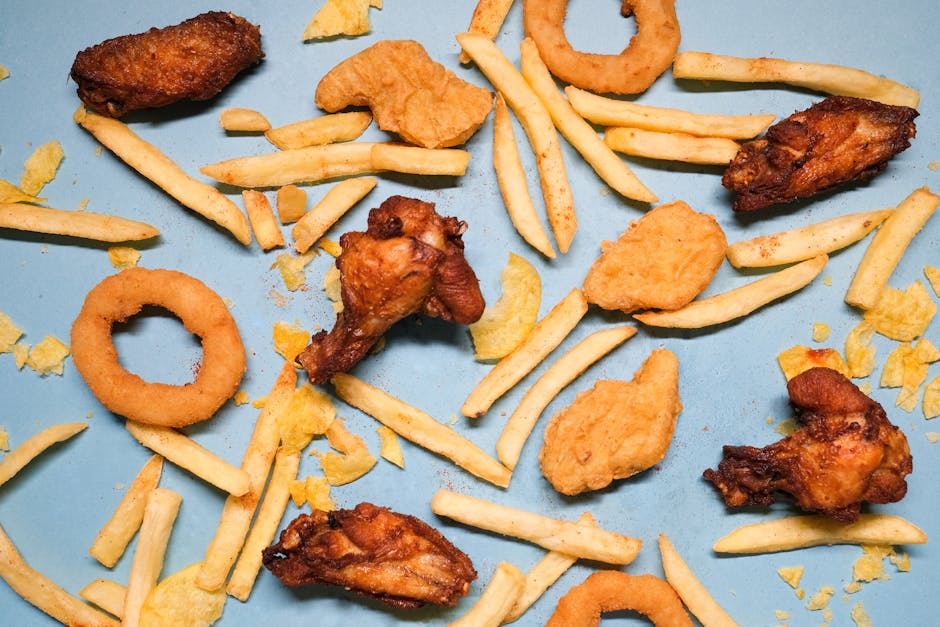
That crispy fried chicken, those golden French fries, that greasy pizza slice – they might be tempting, but they are a nightmare for an upset stomach. Foods high in fat are notoriously difficult for your body to break down and digest. They can linger in your stomach longer, leading to feelings of fullness, nausea, and even acid reflux. Your digestive system has to work overtime to process all that fat, and when it’s already compromised, this extra effort can cause significant discomfort.
What to Eat Instead: Go for lean protein sources that are baked, grilled, or boiled. Steamed vegetables are also a great choice, as they are easier to digest.
3. Dairy Products (Especially for Lactose Intolerance)
For many people, dairy products like milk, cheese, and ice cream can be problematic even on a good day, especially if they are lactose intolerant. Lactose, the sugar in milk, requires a specific enzyme (lactase) to be digested. When your stomach is upset, your body might produce less lactase, making it even harder to process dairy. This can lead to bloating, gas, cramps, and diarrhea. Even if you’re not typically lactose intolerant, a sensitive stomach might react poorly to dairy’s complexity.
What to Eat Instead: If you love creamy textures, consider lactose-free dairy alternatives or plant-based milks like almond or oat milk, which are often easier on the stomach. Otherwise, stick to clear broths or water.
4. Acidic Foods (Citrus Fruits & Tomatoes)
While vitamin C is great, the high acidity in foods like oranges, grapefruits, lemons, and tomatoes can be very irritating to an already sensitive stomach lining. If you’re experiencing heartburn or acid reflux, these foods can significantly worsen your symptoms. Picture drinking orange juice when you have a canker sore – it stings, right? The same principle applies to your stomach when it’s inflamed.
What to Eat Instead: Stick to low-acid fruits like bananas, applesauce, or melons. For vegetables, try cooked carrots or green beans.
5. Caffeinated Beverages
That morning coffee ritual might be a non-negotiable part of your routine, but when your stomach is upset, caffeine can be your enemy. Caffeine is a stimulant that can increase stomach acid production and act as a diuretic, potentially leading to dehydration, which further irritates the digestive system. It can also speed up bowel movements, which is the last thing you need if you’re already dealing with diarrhea.
What to Eat Instead: Herbal teas like peppermint or chamomile are wonderfully soothing and can help calm your stomach. Water, of course, is always your best friend for hydration.
6. Alcohol
This one might seem obvious, but it’s worth reiterating. Alcohol is a direct irritant to the stomach lining. It can increase stomach acid, cause dehydration, and interfere with the normal digestive process. Even a small amount can worsen nausea, heartburn, and diarrhea. Think about how you feel after a night of too many drinks – that “hangover stomach” is a prime example of alcohol’s irritating effects.
What to Eat Instead: Plain water, diluted fruit juice (low acid), or clear broths are the way to go. Staying hydrated is key when your stomach is upset.
7. Raw Vegetables (High in Fiber)
While raw vegetables are usually a powerhouse of nutrition, when your stomach is upset, their high fiber content can be a double-edged sword. Fiber is great for digestion normally, but large amounts of raw, tough fibers can be difficult for a sensitive system to break down, leading to increased gas, bloating, and cramping. Imagine your stomach is already tired – asking it to process a big raw salad is like asking a tired runner to sprint a marathon.
What to Eat Instead: Opt for cooked, soft vegetables like boiled carrots, steamed zucchini, or mashed potatoes. Cooking breaks down the fibers, making them much easier to digest.
8. Processed Foods and Sugary Treats
Cookies, candies, sodas, and highly processed snacks are often loaded with refined sugars, artificial sweeteners, and unhealthy fats. These ingredients can disrupt the balance of gut bacteria, cause inflammation, and lead to gas and bloating. The simple sugars can ferment in the gut, exacerbating discomfort. Plus, they offer very little nutritional value when your body needs it most.
What to Eat Instead: When you need a little sweetness, a ripe banana or a small serving of applesauce can be a gentle and nutritious option. For snacks, plain crackers or dry toast are better choices.
What To Eat Instead: Your Soothing Squad for an Upset Stomach
Now that we know what to avoid, let’s talk about the foods that can actually help soothe your stomach and get you on the road to recovery. These are generally bland, easy-to-digest, and gentle on your system.
The BRAT Diet Basics:
- Bananas: Easy to digest, provide potassium (often lost during vomiting/diarrhea), and can help firm up stools.
- Rice: Plain white rice (not brown, which is higher in fiber) is bland, easy to digest, and provides energy.
- Applesauce: Cooked apples are easier to digest than raw, and applesauce provides pectin, a soluble fiber that can help with diarrhea.
- Toast: Plain white toast (without butter or jam) is simple and can help absorb stomach acid.
Ginger: Nature’s Nausea Remedy
Ginger has long been used as a natural remedy for nausea and indigestion. You can try ginger tea (made from fresh ginger root), ginger ale (ensure it contains real ginger and isn’t too sugary), or ginger candies. Just a small amount can make a big difference.
Clear Broths and Soups
Chicken broth or vegetable broth are excellent for hydration and provide essential electrolytes and nutrients without putting a strain on your digestive system. They are warm, comforting, and easy to consume when you don’t feel like eating much.
Herbal Teas
Peppermint tea can help relax stomach muscles and ease nausea. Chamomile tea is known for its calming properties, which can help soothe an upset stomach and promote relaxation.
Lean Proteins
Once you start feeling a bit better, very plain, boiled, or baked lean proteins like chicken breast or white fish can provide necessary nutrients without being too heavy. Start with small portions.
Plain Crackers or Pretzels
These bland snacks can help settle your stomach and provide a little energy, especially if you’re feeling nauseous.
Key Takeaways for Your Tummy Troubles
- Listen to Your Body: Your stomach will tell you what it can and can’t handle. Pay attention to its signals.
- Keep it Bland: When in doubt, bland is best. Avoid anything spicy, greasy, or overly acidic.
- Stay Hydrated: Water, clear broths, and herbal teas are crucial for recovery, especially if you’ve been vomiting or experiencing diarrhea.
- Small, Frequent Meals: Instead of three large meals, try eating smaller portions more frequently to ease the burden on your digestive system.
- Gradual Reintroduction: As you start to feel better, slowly reintroduce other foods, one at a time, to see how your body reacts.
Frequently Asked Questions About Upset Stomachs and Diet
Q1: How long should I stick to a bland diet after an upset stomach?
A: Generally, you should stick to a bland diet for 24-48 hours after your symptoms have significantly improved. Once you feel consistently better, you can gradually start reintroducing your normal diet, one food at a time, to see how your body reacts. If symptoms return, go back to the bland diet for a bit longer.
Q2: Can probiotics help an upset stomach?
A: Yes, in many cases, probiotics can be beneficial. They introduce good bacteria into your gut, which can help restore balance, especially after an illness or antibiotic use. Look for probiotic-rich foods like yogurt (if dairy is tolerated) or kefir, or consider a probiotic supplement. However, consult your doctor before starting any new supplement.
Q3: Is it okay to eat solid food if I’m still feeling nauseous?
A: It’s generally best to stick to clear liquids or very bland, small amounts of solid food like plain crackers or toast if you’re still feeling nauseous. Eating too much or the wrong type of food can worsen nausea or lead to vomiting. Sip on water or ginger tea, and wait until the nausea subsides before attempting more substantial food.
Q4: When should I see a doctor for an upset stomach?
A: While most upset stomachs resolve on their own, you should seek medical attention if you experience severe abdominal pain, high fever, bloody or black stools, persistent vomiting (especially if you can’t keep liquids down), signs of dehydration (reduced urination, extreme thirst, dizziness), or if symptoms last longer than a few days without improvement. Always trust your instincts when it comes to your health.
An upset stomach is never fun, but by making smart food choices, you can significantly reduce discomfort and help your body heal faster. Remember, your digestive system is a delicate ecosystem, and giving it the right fuel (and avoiding the wrong kind) is key to feeling your best. Here’s to a happy, healthy tummy!
Written with love and assistance and refined for quality.
{“@context”:”https://schema.org”,”@type”:”Article”,”headline”:”Tummy Troubles? Here Are 8 Foods To Avoid With an Upset Stomach and What To Eat Instead”,”description”:”In this article, weu2019ll explore: 8 Foods To Avoid With an Upset Stomachand What To Eat Instead and why it…”,”author”:{“@type”:”Person”,”name”:”rahuljait”},”datePublished”:”2026-05-12T09:32:49+00:00″,”dateModified”:”2026-05-12T09:32:49+00:00″,”mainEntityOfPage”:”https://healthyworldz.com/tummy-troubles-here-are-8-foods-to-avoid-with-an-upset-stomach-and-what-to-eat-instead/”,”image”:[“https://healthyworldz.com/wp-content/uploads/2026/05/8-foods-to-avoid-with-an-upset-stomachand-what-to-eat-instead-30.jpg”]}
🔗 Related: Women with polycystic ovary syndrome exhibit…
🔗 Related: Women with polycystic ovary syndrome exhibit…
🔗 Related: Hormonal mechanisms of womens risk in…