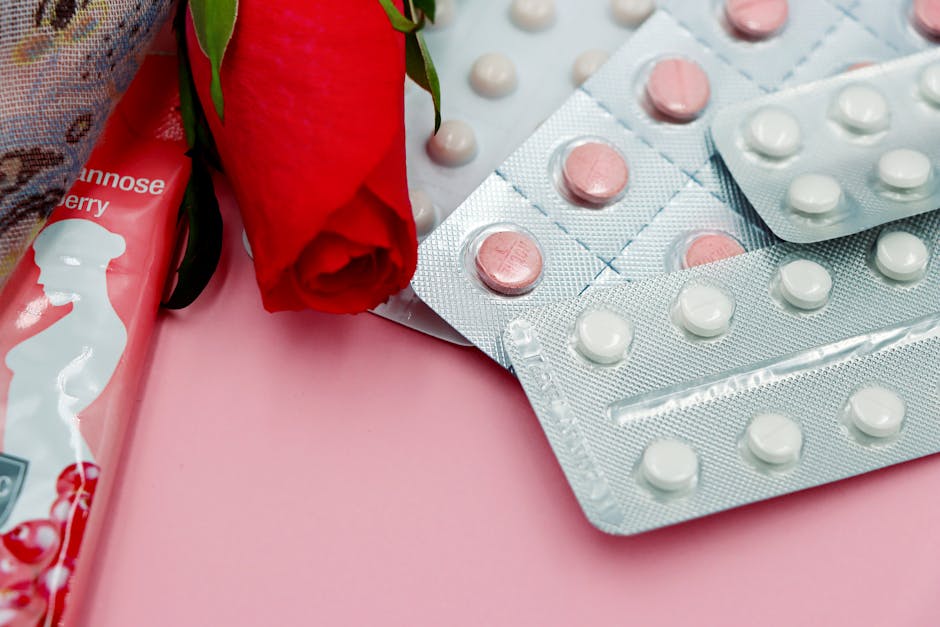
In this article, we’ll explore: Hormonal mechanisms of womens risk in the face of traumatic stress and why it matters today.
Related:
👉 Navigating the Tummy Troubles: 8 Foods To Avoid With an Upset Stomach and What To Eat Instead
👉 Unmasking the Invisible Battle: How Hormonal Mechanisms Elevate Women's Risk in the Face of Traumatic Stress
👉 Unraveling the Invisible Threads: How Hormones Shape Women's Vulnerability to Traumatic Stress
Learn more: Hormonal mechanisms of womens risk in the face of traumatic stress on Google Search
Life throws curveballs at all of us. Some are gentle arcs, others are fastballs that leave us reeling. When those curveballs are traumatic – a car accident, a natural disaster, an assault, or the loss of a loved one in a shocking way – the impact can be profound and long-lasting. While both men and women experience trauma, the aftermath, particularly the development of conditions like Post-Traumatic Stress Disorder (PTSD), often shows a striking gender difference. Women are significantly more likely to develop PTSD than men, even when exposed to similar traumatic events.
Have you ever wondered why? Is it just about societal roles, or is there something deeper, something hardwired into our biology, that plays a crucial role? Today, we’re going to dive into a fascinating and incredibly important area of research: the **hormonal mechanisms of women’s risk in the face of traumatic stress**. We’ll explore how the unique ebb and flow of female hormones might influence everything from how a traumatic memory is stored to how the body recovers – or struggles to recover – from intense psychological wounds. It’s a journey into understanding ourselves better, and hopefully, paving the way for more tailored support and treatment.
The Echo of Trauma: A Different Tune for Women?
Imagine two individuals, Sarah and Mark, both involved in the same severe car accident. Both experience the immediate shock, fear, and physical pain. Months later, Mark might be struggling with flashbacks and anxiety, but he’s generally able to return to his daily routine, albeit with some difficulty. Sarah, however, finds herself constantly on edge, plagued by nightmares, avoiding driving altogether, and struggling to connect with loved loved ones. While this is a simplified scenario, it reflects a real pattern: women are twice as likely as men to be diagnosed with PTSD.
This isn’t to say men don’t suffer profoundly from trauma – they absolutely do. But the *way* trauma manifests and the *likelihood* of developing chronic stress responses often differs. For a long time, the focus was primarily on psychological and social factors. While these are undeniably important, a growing body of evidence points to a powerful, often overlooked player: our hormones.
The Hormone Highway: Key Players in the Stress Response
Our bodies are incredibly complex chemical factories, and hormones are the master communicators, sending messages throughout our systems. When it comes to stress and trauma, a few key players take center stage:
* **Estrogen and Progesterone:** These are the quintessential “female” hormones, fluctuating dramatically throughout a woman’s menstrual cycle, pregnancy, and menopause. They don’t just regulate reproduction; they have widespread effects on the brain, mood, and stress response.
* **Cortisol:** Often dubbed the “stress hormone,” cortisol is released by the adrenal glands in response to danger. It’s crucial for our “fight or flight” response, giving us the energy and focus to react.
* **Oxytocin:** Known as the “love hormone” or “bonding hormone,” oxytocin is involved in social connection, trust, and maternal behavior. But in the context of trauma, its role can be surprisingly complex.
Let’s break down how these hormones might influence women’s unique vulnerability.
Estrogen and Progesterone: The Cyclical Dance and Its Impact on Trauma
Think of estrogen and progesterone as two dancers on a stage, their performance changing throughout the month. Their fluctuating levels are perhaps one of the most significant **hormonal mechanisms of women’s risk in the face of traumatic stress**.
* **Estrogen’s Protective (and Potentially Permissive) Role:** Estrogen is a fascinating hormone. At certain levels, it can have neuroprotective effects, meaning it helps protect brain cells. It can also influence brain regions involved in memory and emotion, like the amygdala (our fear center) and the hippocampus (crucial for memory formation). Some research suggests that higher estrogen levels might actually *enhance* fear learning and memory consolidation, making traumatic memories more vivid and harder to extinguish. Conversely, lower estrogen levels, such as during menstruation or menopause, might lead to a different kind of vulnerability.
* **Real-world example:** Imagine a woman experiencing a traumatic event during the follicular phase of her cycle (when estrogen levels are rising). The way her brain processes and stores that memory might be different compared to if the same event occurred during the luteal phase (when progesterone is dominant and estrogen is lower). This isn’t just theory; studies have shown that women’s fear responses and vulnerability to PTSD symptoms can vary across the menstrual cycle.
* **Progesterone and Allopregnanolone: A Calming Influence, or Not?** Progesterone, particularly its metabolite allopregnanolone (ALLO), is generally known for its calming, anti-anxiety effects. It interacts with GABA receptors in the brain, which are responsible for reducing neural excitability. You might think this would be protective against trauma. However, after severe stress, the production of ALLO can sometimes become dysregulated, leading to a *deficit* in this calming neurosteroid. This imbalance could leave the brain more vulnerable to anxiety and fear, hindering recovery.
The constant shifts in these hormones mean that a woman’s brain environment is never static. This dynamic interplay can create windows of both increased resilience and heightened vulnerability to stress.
Cortisol: The Stress Maestro with a Female Twist
Cortisol is essential. It mobilizes energy, heightens awareness, and helps us survive immediate threats. However, when the threat is gone, cortisol levels should ideally return to normal. In individuals with PTSD, this system often goes awry.
While men typically show a robust cortisol response *during* trauma, women sometimes exhibit a blunted or prolonged cortisol response *after* trauma. This could mean:
* **Atypical Stress Response:** Instead of a sharp, effective spike and then a return to baseline, some women might have a less pronounced initial spike, or their cortisol levels might remain elevated for too long, or even drop too low, leading to chronic fatigue and dysregulation.
* **Impact on Memory and Emotion:** Chronically high or abnormally low cortisol can disrupt the hippocampus and prefrontal cortex – brain areas critical for memory, emotional regulation, and decision-making. This dysregulation can contribute to intrusive memories, difficulty concentrating, and heightened emotional reactivity, all hallmarks of PTSD.
The way women’s bodies handle cortisol post-trauma appears to be another critical piece in the puzzle of **hormonal mechanisms of women’s risk in the face of traumatic stress**.
Oxytocin: The Double-Edged Sword of Connection
Oxytocin is celebrated for its role in bonding, trust, and empathy. It’s the hormone that helps a mother bond with her baby and friends feel close. But in the context of trauma, its effects can be more nuanced.
* **”Tend and Befriend” vs. “Fight or Flight”:** While men often lean into “fight or flight,” women are theorized to engage in “tend and befriend” – protecting offspring and seeking social support. Oxytocin is believed to facilitate this. While seeking support is generally healthy, an overreliance on social connection, or if the social environment itself becomes a source of stress, could paradoxically prolong distress.
* **Enhanced Social Memory:** Oxytocin can enhance social memory. While helpful for positive interactions, it might also make memories of social betrayal or interpersonal trauma more vivid and harder to shake. For women who experience interpersonal trauma (which is unfortunately common), this could mean a heightened tendency to ruminate on social interactions related to the trauma.
So, while oxytocin generally promotes well-being, its intricate dance with other stress hormones and social contexts can sometimes contribute to the unique ways women process and recover from trauma.
The Brain’s Hormonal Symphony: More Than Just Individual Notes
It’s not just about one hormone acting in isolation. These hormones are part of a complex symphony, influencing each other and interacting with various brain regions.
* **Amygdala (Fear Center):** Hormones like estrogen and cortisol can modulate the amygdala’s activity, influencing how intensely fear is experienced and how quickly it can be extinguished.
* **Hippocampus (Memory Center):** Traumatic stress can damage the hippocampus, leading to memory problems. Hormones can either protect or exacerbate this damage, affecting how traumatic memories are stored and retrieved.
* **Prefrontal Cortex (Regulation and Decision-Making):** This area is crucial for regulating emotions and inhibiting impulsive reactions. Hormonal imbalances can impair its function, making emotional regulation more challenging after trauma.
Understanding these intricate interactions helps us see why women might experience a different neural “signature” of trauma, influenced by their unique hormonal landscape.
Beyond Biology: A Holistic View
While we’ve focused heavily on the **hormonal mechanisms of women’s risk in the face of traumatic stress**, it’s crucial to remember that biology isn’t destiny. These hormonal influences interact with a myriad of other factors:
* **Social and Cultural Factors:** Women often face different types of trauma (e.g., sexual assault, domestic violence) and different societal expectations regarding emotional expression and seeking help.
* **Prior Trauma:** A history of previous trauma can sensitize the brain and body to future stress.
* **Genetics:** Individual genetic predispositions can influence how hormones are produced and how the brain responds to stress.
* **Lifestyle Factors:** Diet, exercise, sleep, and social support all play a significant role in overall resilience.
The hormonal picture provides a powerful lens through which to understand women’s unique experiences with trauma, but it’s one piece of a larger, complex puzzle.
Key Takeaways
* **Gender Disparity in PTSD:** Women are significantly more likely to develop PTSD than men following traumatic events.
* **Hormones are Key:** Fluctuations in estrogen, progesterone, and differing cortisol and oxytocin responses contribute to this disparity.
* **Estrogen’s Dual Role:** It can influence fear memory and learning, with different levels potentially increasing vulnerability at different times.
* **Progesterone’s Calming Potential:** Its metabolite, allopregnanolone, usually calms the brain, but dysregulation after trauma can hinder recovery.
* **Cortisol’s Dysregulation:** Women may exhibit unique cortisol responses post-trauma, impacting long-term stress regulation.
* **Oxytocin’s Nuance:** While promoting connection, it can also intensify social memories, potentially complicating recovery from interpersonal trauma.
* **Brain Impact:** These hormones influence key brain regions involved in fear, memory, and emotional regulation.
* **Holistic Perspective:** Hormones interact with social, psychological, and genetic factors to shape trauma responses.
Frequently Asked Questions (FAQ)
Q1: Does this mean women are “weaker” in the face of trauma?
Absolutely not. Understanding these hormonal mechanisms isn’t about labeling one gender as weaker. It’s about recognizing biological differences that can lead to different pathways of vulnerability and resilience. This knowledge empowers us to develop more targeted and effective support and treatments for women, honoring their unique physiological experiences.
Q2: Can hormonal birth control affect a woman’s response to trauma?
This is an active area of research. Hormonal birth control alters the natural fluctuations of estrogen and progesterone. Some studies suggest it might influence stress responses or even alter brain structures related to emotion and memory. However, the exact impact on trauma vulnerability and recovery is complex and likely varies widely among individuals. It’s an important conversation to have with your healthcare provider if you have concerns.
Q3: What about menopause? Does that change women’s risk?
Menopause brings a significant drop in estrogen and progesterone levels. This hormonal shift can impact mood, sleep, and overall stress regulation. Some research suggests that the perimenopausal and postmenopausal periods might be associated with increased vulnerability to anxiety and depression, and potentially alter the risk or presentation of PTSD. More research is needed, but it highlights another life stage where hormonal changes could influence trauma response.
Q4: If hormones play such a big role, can hormonal therapies help with PTSD in women?
This is a promising area of research! Scientists are exploring whether manipulating certain hormone levels, such as using progesterone-like compounds, could help reduce anxiety or improve recovery from trauma. However, these are still experimental approaches and not standard treatments. Current treatments for PTSD, such as psychotherapy (e.g., cognitive behavioral therapy, EMDR) and certain medications, remain the most effective and evidence-based approaches. Understanding hormones might lead to future personalized treatments.
Q5: What can I do if I suspect I’m struggling with traumatic stress?
The most important step is to seek professional help. A mental health professional specializing in trauma (like a therapist, psychologist, or psychiatrist) can provide diagnosis and guide you through evidence-based treatments. Don’t hesitate to reach out to a trusted doctor or a mental health helpline. Understanding the role of hormones can be validating, but it’s a piece of the puzzle, not a substitute for professional care.
By shedding light on the intricate **hormonal mechanisms of women’s risk in the face of traumatic stress**, we gain a deeper appreciation for the unique challenges women can face. This knowledge isn’t meant to categorize or simplify, but to inform, empower, and ultimately, to foster more compassionate and effective pathways to healing for everyone.
Written with love and assistance and refined for quality.
{“@context”:”https://schema.org”,”@type”:”Article”,”headline”:”Unpacking the Gender Divide: How Hormones Shape Women’s Vulnerability to Traumatic Stress”,”description”:”In this article, weu2019ll explore: Hormonal mechanisms of womens risk in the face of traumatic stress and why it matters…”,”author”:{“@type”:”Person”,”name”:”rahuljait”},”datePublished”:”2026-05-10T06:42:08+00:00″,”dateModified”:”2026-05-10T06:42:08+00:00″,”mainEntityOfPage”:”https://healthyworldz.com/unpacking-the-gender-divide-how-hormones-shape-womens-vulnerability-to-traumatic-stress/”,”image”:[“https://healthyworldz.com/wp-content/uploads/2026/05/hormonal-mechanisms-of-womens-risk-in-the-face-of-traumatic-stress-34.jpg”]}
🔗 Related: Hormonal mechanisms of womens risk in…
🔗 Related: 8 Foods To Avoid With an…