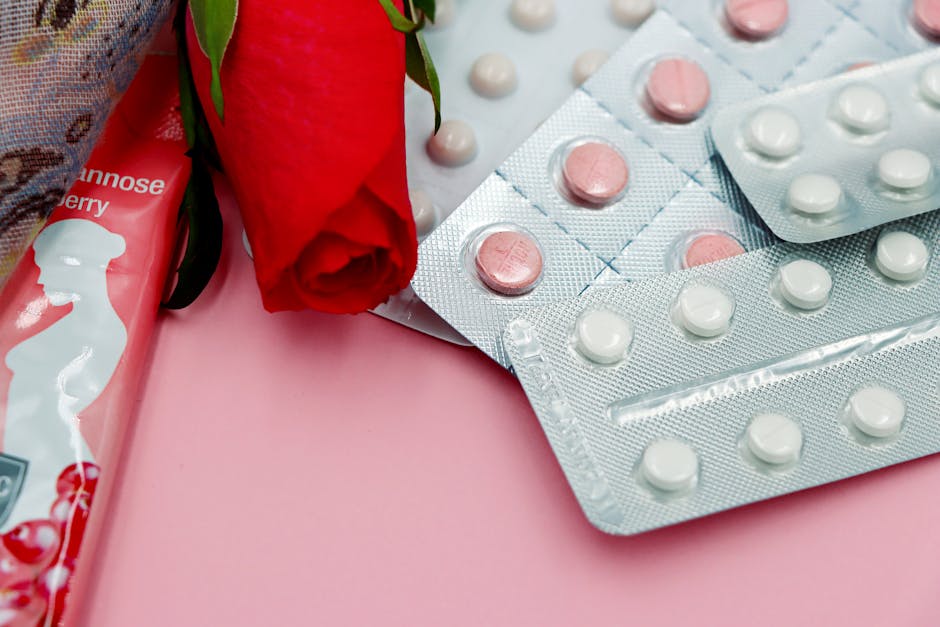
In this article, we’ll explore: Hormonal mechanisms of womens risk in the face of traumatic stress and why it matters today.
Related:
👉 Unraveling the Invisible Threads: How Hormones Shape Women's Vulnerability to Traumatic Stress
👉 Unraveling the Invisible Threads: How Hormones Shape Women's Risk in the Face of Traumatic Stress
👉 Tummy Troubles? Discover the 8 Foods To Avoid With an Upset Stomach and What To Eat Instead
Learn more: Hormonal mechanisms of womens risk in the face of traumatic stress on Google Search
Life can throw some heavy punches. For anyone, experiencing a traumatic event—be it an accident, an assault, a natural disaster, or a profound loss—can shake the very foundations of their world. The echoes of such experiences can linger, sometimes for a lifetime, manifesting as anxiety, nightmares, hyper-vigilance, and a deep sense of unease. This is the landscape of post-traumatic stress disorder, or PTSD.
What’s striking, however, is that while both men and women experience trauma, women are disproportionately more likely to develop PTSD. In fact, studies show women are at least twice as likely as men to be diagnosed with PTSD after experiencing a similar traumatic event. This isn’t just about the types of trauma women might experience, though that plays a role; it’s about something deeper, something woven into our very biology. It’s about the intricate, often overlooked, dance of hormones.
Today, we’re going to pull back the curtain on this fascinating and crucial area of research. We’ll delve into the **hormonal mechanisms of women’s risk in the face of traumatic stress**, exploring how the unique endocrine symphony within women’s bodies can influence how they process, remember, and recover from life’s most challenging moments. This isn’t about saying women are “weaker”; it’s about understanding our biology to better support and heal.
The Gender Gap in Trauma Response: More Than Just Statistics
Imagine two individuals witness the same horrific car accident. Both are shaken, both experience fear and shock. Yet, months later, one might have moved on, while the other is still plagued by flashbacks, avoiding driving, and struggling with sleep. More often than not, that second individual is a woman. Why?
For a long time, the answers focused on social factors, types of trauma experienced, and reporting biases. While these are undeniably important, a growing body of scientific evidence points to a powerful, internal driver: our hormones. These chemical messengers, constantly fluctuating throughout a woman’s life, don’t just regulate reproduction; they profoundly impact brain function, mood, memory, and our very stress response.
The Body’s Alarm System: A Hormonal Orchestra
When we face danger, our bodies kick into gear with an ancient “fight, flight, or freeze” response. This isn’t a random reaction; it’s a finely tuned system orchestrated by our endocrine glands. The star players in this immediate stress response are adrenaline (epinephrine) and cortisol, unleashed by the adrenal glands. They sharpen our senses, quicken our heart rate, and prepare us to react.
But here’s where the plot thickens for women. The baseline levels and the way these stress hormones interact with other sex hormones like estrogen and progesterone can create a unique vulnerability, influencing how intensely we feel stress, how well we recover, and how deeply traumatic memories are etched into our brains.
Estrogen: The Mood Maestro with a Complicated Score
Estrogen is often thought of as the primary “female hormone,” essential for reproductive health. But its influence extends far beyond, deeply impacting the brain. Estrogen receptors are found in key brain regions involved in emotion, memory, and stress processing, like the amygdala (our fear center) and the hippocampus (crucial for memory).
* **The Double-Edged Sword:** At certain levels, estrogen can be neuroprotective, enhancing mood and cognitive function. However, its fluctuations can also be a significant factor in **hormonal mechanisms of women’s risk in the face of traumatic stress**.
* **High Estrogen & Fear:** Some research suggests that higher estrogen levels, particularly during certain phases of the menstrual cycle (like the pre-ovulatory phase), might make women more susceptible to fear conditioning. This means traumatic memories might be more easily formed and harder to extinguish. Imagine experiencing a frightening event when your estrogen is peaking; your brain might be primed to “over-learn” the fear response associated with it.
* **Estrogen Withdrawal & Vulnerability:** Conversely, rapid drops in estrogen, such as during the postpartum period, perimenopause, or menopause, can leave women feeling more vulnerable to stress and anxiety. This hormonal shift can disrupt neurotransmitter systems, making the brain less resilient to trauma’s impact. A woman already grappling with the emotional aftermath of trauma might find her symptoms exacerbated as she enters perimenopause, for example.
Progesterone and Allopregnanolone: The Calming Counterpoint (Until They Aren’t)
Progesterone, another key female hormone, is often seen as estrogen’s calmer cousin. It’s particularly important for maintaining pregnancy, but like estrogen, it has significant effects on the brain. Its metabolite, allopregnanolone (ALLO), is a powerful neurosteroid that interacts with GABA receptors, essentially acting like a natural tranquilizer, promoting calm and reducing anxiety.
* **Protective Potential:** When progesterone and ALLO levels are stable and adequate, they can offer a protective buffer against stress, helping to “turn down” the brain’s alarm system.
* **The Crash After the Calm:** However, just like estrogen, rapid drops in progesterone and ALLO can be problematic. The sudden withdrawal of these calming hormones, particularly after childbirth or during the premenstrual phase, can leave women feeling acutely vulnerable. This is a significant factor in postpartum depression and anxiety, and it can also heighten the risk of developing PTSD or worsening existing symptoms for women who have experienced trauma. The brain, accustomed to its natural “chill pill,” suddenly loses it, leading to heightened anxiety and a diminished ability to cope.
Oxytocin: The “Love Hormone” with Complex Trauma Ties
Oxytocin is famed as the “love hormone,” released during bonding, intimacy, and childbirth. It’s known for promoting social connection, trust, and even reducing stress. So, how does it fit into trauma?
* **Social Buffering:** In many cases, oxytocin can be a powerful antidote to stress, fostering feelings of safety and connection that aid recovery.
* **The Dark Side of Social Memory:** However, research suggests that in certain contexts, particularly social traumas (like betrayal or abuse), oxytocin might actually enhance the memory of socially salient events, both positive and negative. If a traumatic event involved a breakdown of trust or social harm, oxytocin’s role in encoding social memories could inadvertently contribute to the persistence of those painful recollections. It’s a complex interplay where a hormone designed for connection can, under the wrong circumstances, deepen the wound of social trauma.
The Brain’s Battleground: Where Hormones Hold Sway
These hormones don’t just float around aimlessly; they target specific brain regions critical for processing fear and memory:
* **Amygdala:** The brain’s alarm bell. Hormones can influence how sensitive this region is to threat, making it more or less prone to overreacting.
* **Hippocampus:** Crucial for forming and retrieving memories, especially contextual ones. Hormonal fluctuations can impair its function, making it harder to distinguish between past trauma and present safety.
* **Prefrontal Cortex:** The “thinking” part of the brain, responsible for executive functions, decision-making, and regulating emotions. Hormones can affect its ability to put the brakes on an overactive amygdala, making emotional regulation more challenging.
The delicate balance of these hormones can shift the entire landscape of these brain regions, making them either more resilient or more vulnerable to the lasting scars of trauma. This is the core of the **hormonal mechanisms of women’s risk in the face of traumatic stress** – a biological predisposition that shapes our mental and emotional responses.
Real-World Echoes: Hormones Through a Woman’s Life
Consider Sarah, who experienced a home invasion in her early twenties. She developed PTSD, but noticed her symptoms—nightmares, panic attacks—would dramatically worsen a week before her period, when her estrogen and progesterone levels were naturally declining. Her body was experiencing a double whammy: the trauma’s lingering effects, amplified by hormonal shifts.
Or think of Maria, who suffered a significant car accident during her pregnancy. While the immediate shock was immense, the high levels of progesterone during pregnancy might have offered some protective calm. However, after childbirth, the precipitous drop in all her hormones left her feeling incredibly raw and vulnerable, making her PTSD symptoms explode, a common scenario for many women.
These aren’t isolated stories; they represent a pattern that highlights the critical need to understand how a woman’s hormonal life cycle—from puberty, through reproductive years, pregnancy, and menopause—intertwines with her capacity to cope with and recover from trauma.
Beyond Biology: A Holistic View
While this article focuses on the powerful biological underpinnings, it’s vital to remember that hormones are not the *only* factor. Societal expectations, types of trauma experienced (e.g., interpersonal violence is more common for women and often more complex), access to support systems, and individual psychological resilience all play significant roles. However, by understanding the **hormonal mechanisms of women’s risk in the face of traumatic stress**, we gain a more complete picture, enabling more tailored and effective interventions.
Key Takeaways
- Women are significantly more likely than men to develop PTSD after experiencing trauma, a disparity partly explained by hormonal influences.
- Estrogen, progesterone, and oxytocin, alongside stress hormones like cortisol, play crucial roles in how women process and remember traumatic events.
- Fluctuations in estrogen levels (e.g., during the menstrual cycle, pregnancy, perimenopause) can either heighten vulnerability to fear conditioning or reduce resilience to stress.
- Rapid drops in progesterone and its metabolite allopregnanolone can strip away natural calming effects, increasing anxiety and PTSD symptoms.
- Oxytocin, while generally promoting bonding, might also enhance the encoding of socially salient traumatic memories in certain contexts.
- Understanding these hormonal mechanisms is critical for developing more personalized and effective treatments for women struggling with traumatic stress.
Frequently Asked Questions
Q1: Can men’s hormones also influence their trauma response?
Absolutely. Testosterone in men plays a role in stress response and emotional regulation. However, the cyclical and more dramatic fluctuations of sex hormones in women present a unique set of challenges and vulnerabilities in the face of trauma that differ from men’s hormonal profiles.
Q2: Does this mean women are inherently weaker in dealing with trauma?
Not at all. It means women’s biological makeup is different, and these differences can influence vulnerability. Understanding these distinctions isn’t about weakness; it’s about identifying specific biological pathways that can be targeted for better support and treatment, empowering women with more effective coping strategies.
Q3: How can this information help women who have experienced trauma?
Knowing about hormonal influences can help women and their healthcare providers understand why symptoms might fluctuate or worsen at certain times (e.g., premenstrually, postpartum, during menopause). This knowledge can lead to more targeted treatments, such as therapies that consider hormonal cycles, or even hormonal interventions under medical supervision, alongside traditional psychotherapy.
Q4: Are there any specific treatments that consider hormonal factors for PTSD?
Research is ongoing, but some emerging approaches include hormone therapy (carefully considered and individualized), specific medications that target neurosteroid pathways (like allopregnanolone), and even lifestyle interventions (diet, exercise, stress management) that can help regulate hormonal balance. The key is a personalized approach, often combining traditional therapies with an awareness of a woman’s unique hormonal landscape.
Q5: What should I do if I suspect my hormones are affecting my trauma recovery?
It’s crucial to speak with a healthcare professional. This could be your primary care doctor, a psychiatrist, or an endocrinologist. They can help assess your hormonal health, discuss your symptoms, and explore potential strategies or treatments that consider your unique biological profile. Open communication with your therapist about these patterns can also be incredibly beneficial.
Written with love and assistance and refined for quality.
{“@context”:”https://schema.org”,”@type”:”Article”,”headline”:”Unpacking the Hormonal Blueprint: Understanding Women’s Unique Vulnerability to Traumatic Stress”,”description”:”In this article, weu2019ll explore: Hormonal mechanisms of womens risk in the face of traumatic stress and why it matters…”,”author”:{“@type”:”Person”,”name”:”rahuljait”},”datePublished”:”2026-05-12T07:42:11+00:00″,”dateModified”:”2026-05-12T07:42:11+00:00″,”mainEntityOfPage”:”https://healthyworldz.com/unpacking-the-hormonal-blueprint-understanding-womens-unique-vulnerability-to-traumatic-stress/”,”image”:[“https://healthyworldz.com/wp-content/uploads/2026/05/hormonal-mechanisms-of-womens-risk-in-the-face-of-traumatic-stress-67.jpg”]}
🔗 Related: 8 Foods To Avoid With an…
🔗 Related: 8 Foods To Avoid With an…