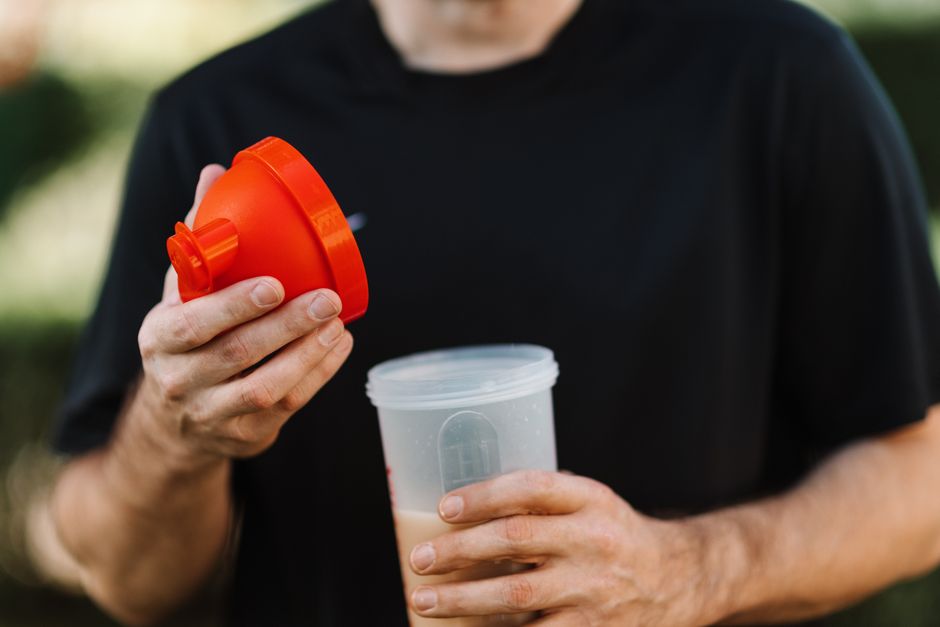
In this article, we’ll explore: Yes Creatine Can Help With StrengthBut Its Wellness Benefits Go Way Beyond The Gym and why it matters today.
Related:
👉 Yes Creatine Can Help With Strength But Its Wellness Benefits Go Way Beyond The Gym
👉 Beyond the Sneeze: Understanding Pelvic Health for Young Mothers in Mangaluru
👉 Why Getting Pregnant with PCOS is So Complicated: The New Science of Endometrial Receptivity and Histone Lactylation
Learn more: Yes Creatine Can Help With StrengthBut Its Wellness Benefits Go Way Beyond The Gym on Investopedia
For decades, creatine has had a bit of an image problem. If you close your eyes and think of someone taking a creatine supplement, you probably picture a “gym bro” with veins popping out of his neck, trying to bench press a small car. It’s been pigeonholed as a niche product for bodybuilders and elite athletes.
But here’s the truth: that stereotype is doing a massive disservice to one of the most researched and beneficial supplements on the planet. While it’s true that Yes Creatine Can Help With StrengthBut Its Wellness Benefits Go Way Beyond The Gym, we are finally starting to realize that it might actually be a “longevity molecule” for the average person.
Whether you’re a 30-something professional trying to beat afternoon brain fog, a grandmother looking to stay mobile, or someone just trying to live a healthier life, creatine has something to offer you. Let’s dive into why this humble white powder deserves a spot in your kitchen cabinet, even if you never plan on lifting a heavy barbell.
What Exactly is Creatine, Anyway?
Before we talk about the benefits, let’s clear up the mystery. Creatine isn’t a steroid or a synthetic drug. It’s a naturally occurring compound found in your muscle cells. Your body produces it naturally in the liver and kidneys, and you also get it from eating red meat and fish.
In the simplest terms, creatine helps your cells produce energy. It does this by increasing your stores of phosphocreatine, which helps your body regenerate a molecule called ATP (Adenosine Triphosphate). Think of ATP as the “currency” of energy for your cells. When you have more currency, your cells can do more work—whether that’s sprinting for a bus or thinking through a complex problem at work.
The Gym Connection: Why the Reputation Stuck
It’s important to acknowledge the foundation. Yes, creatine is the gold standard for physical performance. Hundreds of studies show that it helps with:
- Explosive Power: Helping you jump higher or sprint faster.
- Muscle Growth: By allowing you to do a little more work each session, leading to better gains over time.
- Recovery: Reducing muscle cell damage and inflammation after a workout.
But focusing only on these points is like saying a smartphone is only good for making phone calls. It’s technically true, but it misses 90% of the value. The real magic happens when we look at how creatine affects the rest of the body.
Your Brain on Creatine: Better Focus and Less Fatigue
Did you know your brain is one of the most energy-hungry organs in your body? Despite making up only about 2% of your body weight, it consumes about 20% of your total energy. Just like your muscles, your brain relies on ATP to function.
This is where the “wellness” side of things gets exciting. Research has shown that creatine supplementation can significantly improve cognitive function, especially in situations where you are stressed or sleep-deprived.
The “Sleep Deprived Parent” Example
Imagine Sarah. Sarah is a marketing manager and a mother of a toddler. She hasn’t had a full night’s sleep in three years. She struggles with “mom brain”—forgetting where she put her keys or losing her train of thought during a presentation. Studies suggest that for someone like Sarah, creatine can help bridge the energy gap in the brain, improving short-term memory and reasoning skills when the body is exhausted.
Neuroprotection and Aging
As we age, our brain’s ability to process energy can decline. There is emerging research suggesting that creatine may play a role in protecting against neurodegenerative diseases like Parkinson’s and Alzheimer’s. By maintaining high energy levels in the brain cells, creatine helps protect them from the “oxidative stress” that leads to cell death.
The Longevity Play: Fighting Sarcopenia
As we get older, we face a silent enemy called sarcopenia. This is the natural loss of muscle mass and strength that happens as we age. It’s one of the primary reasons older adults lose their independence, as it leads to falls and fractures.
While Yes Creatine Can Help With StrengthBut Its Wellness Benefits Go Way Beyond The Gym, its role in healthy aging is perhaps its most “human” benefit. When combined with even light resistance training (like walking or yoga), creatine helps seniors maintain the muscle they have. This isn’t about getting “buff”; it’s about being able to carry your own groceries, get out of a chair without help, and maintain a high quality of life well into your 80s.
Creatine for Vegetarians and Vegans
If you follow a plant-based diet, you likely have lower levels of creatine in your body because the primary dietary sources are meat and fish. This makes vegetarians and vegans “hyper-responders” to creatine supplements.
In studies comparing meat-eaters to vegetarians, the vegetarians often saw much more dramatic improvements in memory and intelligence tests after they started taking creatine. For the plant-based community, creatine isn’t just a supplement; it’s often the “missing link” in their nutritional profile.
Heart Health and Blood Sugar Management
The benefits don’t stop at the neck. Recent studies have looked into how creatine affects metabolic health. Some evidence suggests that creatine can help lower blood sugar levels by improving the function of GLUT4, a transporter molecule that brings sugar from your blood into your muscles.
Additionally, creatine may help lower levels of homocysteine, an amino acid that is linked to a higher risk of heart disease and stroke. While it’s not a replacement for heart medication, it’s another tool in the wellness toolbox for maintaining a healthy cardiovascular system.
Addressing the Myths: Is It Safe?
Because creatine is so effective, people often assume it must have a catch. Let’s debunk the three biggest myths once and for all:
Myth 1: It’s bad for your kidneys.
This is the most persistent myth. For healthy individuals, there is zero evidence that creatine causes kidney damage. This myth started because creatine can slightly raise “creatinine” levels in blood tests—but creatinine is simply a byproduct of creatine, and in this case, it doesn’t mean your kidneys aren’t working; it just means you’re taking the supplement.
Myth 2: It causes hair loss.
One single study from years ago on rugby players suggested a link to a hormone called DHT, which is associated with hair loss. However, that study has never been replicated, and dozens of other trials have shown no link between creatine and baldness.
Myth 3: You’ll get bloated and “puffy.”
Creatine does cause your muscles to hold more water, which is actually a good thing for muscle health. However, it doesn’t make you look “fat” or bloated in the way that eating a bag of salty chips does. Most people find they look slightly more “toned” because the water is stored inside the muscle, not under the skin.
How to Use Creatine for General Wellness
You don’t need a complicated “loading phase” or expensive designer formulas. Here is the simple, human-friendly way to take it:
- Choose Creatine Monohydrate: It is the most studied, cheapest, and most effective form.
- Take 3-5 Grams Daily: That’s about one teaspoon. You can mix it into your coffee, morning smoothie, or just a glass of water.
- Consistency is Key: Creatine works by saturating your cells over time. It doesn’t matter what time of day you take it, as long as you take it every day.
Key Takeaways
- Physical Power: Yes, it helps with strength and muscle, but that’s just the tip of the iceberg.
- Mental Clarity: It acts as a battery pack for your brain, helping with memory, focus, and fatigue.
- Healthy Aging: It’s a vital tool for preventing muscle loss and maintaining independence as you get older.
- Universal Safety: It is one of the most tested supplements in history and is safe for the vast majority of people.
- Plant-Based Essential: It is particularly beneficial for those who don’t eat meat.
Frequently Asked Questions (FAQ)
1. Do I need to workout to benefit from creatine?
No! While exercise enhances the effects, the cognitive and cellular energy benefits happen regardless of whether you hit the gym. It’s a total-body wellness supplement.
2. Can women take creatine?
Absolutely. In fact, some research suggests that women may benefit even more than men due to hormonal fluctuations that affect energy levels. It will not make you “bulky” unless you are also lifting heavy weights and eating a massive calorie surplus.
3. Should I take it on rest days?
Yes. To keep your levels saturated, you should take it every day, even on days when you aren’t active.
4. How long does it take to see results?
For cognitive benefits, some people notice a difference in a few days. For physical changes and muscle health, it usually takes 2 to 4 weeks of consistent use.
5. Does it matter what I mix it with?
Not really. Some people prefer warm liquids like tea or coffee because it dissolves easier, but cold water works just fine if you give it a good stir.
The Bottom Line
The phrase “Yes Creatine Can Help With StrengthBut Its Wellness Benefits Go Way Beyond The Gym” isn’t just a catchy slogan; it’s a scientific reality. We need to stop thinking of creatine as a “muscle builder” and start thinking of it as a “cellular energizer.”
In a world where we are all constantly tired, stressed, and looking for ways to age with grace, creatine is a rare win. It’s cheap, it’s safe, and it works. So, whether you want to set a new personal record in the weight room or just want to remember where you put your car keys, it might be time to give creatine a try.
Written with love and assistance and refined for quality.
🔗 Related: Yes Creatine Can Help With StrengthBut…
🔗 Related: Yes Creatine Can Help With StrengthBut…