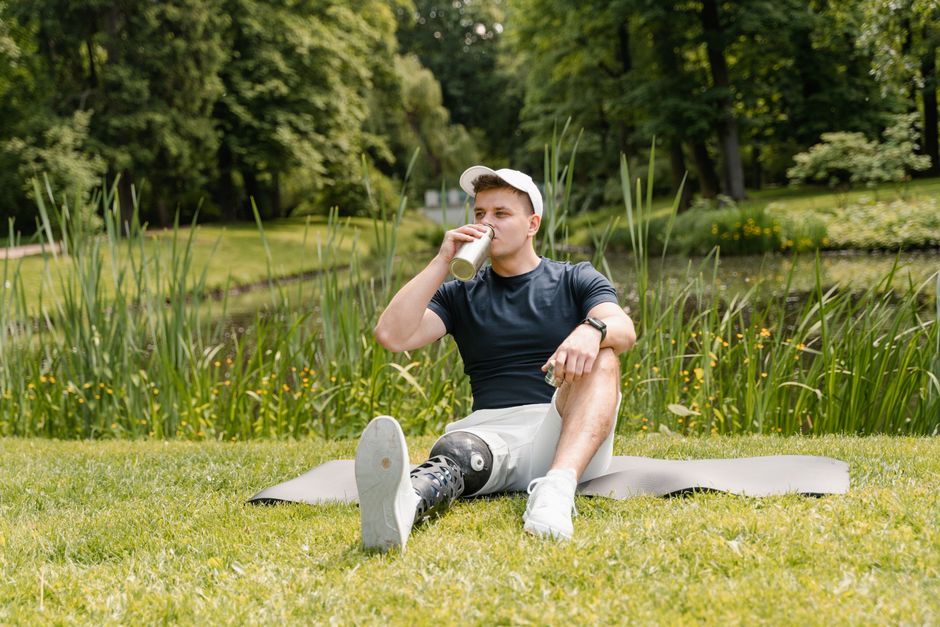
In this article, we’ll explore: Yes Creatine Can Help With StrengthBut Its Wellness Benefits Go Way Beyond The Gym and why it matters today.
Related:
👉 Why BcozSheMatters: WHO Health Ministry Roll Out Campaign on Women and Girls Health and Well-being is a Game Changer
👉 Understanding Why PCOS Affects Fertility: The Science Behind Endometrial Receptivity and Histone Lactylation
👉 Yes Creatine Can Help With Strength, But Its Wellness Benefits Go Way Beyond The Gym
Learn more: Yes Creatine Can Help With StrengthBut Its Wellness Benefits Go Way Beyond The Gym on Wikipedia
If you close your eyes and think of the word “creatine,” what do you see? For most people, the image is pretty specific: a sun-baked gym, a gallon-sized tub with neon lettering, and a 250-pound bodybuilder shaking a plastic bottle like his life depends on it. For decades, creatine has been pigeonholed as a “meathead” supplement—something strictly reserved for those trying to bench press a small car.
But what if I told you that the same powder sitting in a locker room might actually be one of the most effective tools for your brain, your heart, and even your longevity? It’s time we change the narrative. Yes Creatine Can Help With Strength But Its Wellness Benefits Go Way Beyond The Gym.
In this post, we’re going to step away from the squat rack and look at why everyone from busy CEOs to aging grandparents is starting to add a scoop of this stuff to their morning coffee. It’s not just about getting “swole” anymore; it’s about living better, thinking faster, and staying resilient as we age.
What Exactly Is Creatine, Anyway?
Before we dive into the “why,” let’s quickly cover the “what.” Despite the scary-sounding name, creatine isn’t a steroid or a synthetic drug. It’s a naturally occurring compound found in your muscle cells. Your body actually makes it every day in your liver and kidneys, and you get it from foods like red meat and fish.
Think of creatine as a backup battery for your cells. Its primary job is to help produce ATP (Adenosine Triphosphate). ATP is the “energy currency” of your body. When you blink, think, or lift a grocery bag, your body spends ATP. Creatine helps you “recharge” those batteries faster.
While we’ve known for a century that this helps athletes perform better, science is now showing us that the “batteries” in our brain and heart need recharging just as much as our biceps do.
The Hidden Brain Booster: Mental Clarity and Focus
Imagine you’re halfway through a grueling Tuesday. You’ve had three meetings, your inbox is overflowing, and you can feel that “brain fog” starting to roll in. Usually, you’d reach for a third cup of coffee, which might just leave you jittery and anxious.
This is where the wellness benefits of creatine really shine. Your brain is an energy hog—it accounts for about 20% of your body’s total energy consumption despite being only 2% of your weight. When you’re doing complex tasks, your brain’s ATP levels drop.
Improving Memory and Cognition
Studies have shown that creatine supplementation can significantly improve short-term memory and reasoning skills. This is especially true for people who are stressed or sleep-deprived. If you’ve ever had a “mom-brain” moment or felt like you couldn’t find the right word during a presentation, creatine might be the support system you didn’t know you needed.
Fighting Mental Fatigue
In one interesting study, researchers looked at people who were sleep-deprived. They found that those taking creatine performed better on cognitive tests than those who weren’t. It didn’t replace sleep, but it helped the brain “buffer” the lack of rest by maintaining higher energy levels in the neurons.
Creatine and the Fountain of Youth: Healthy Aging
As we get older, we face two major physical challenges: we lose muscle mass (sarcopenia) and our bones get thinner (osteopenia). While we often think of this as a “cosmetic” issue or just “part of getting old,” it’s actually a major wellness concern. Losing muscle leads to falls, and falls lead to a loss of independence.
Maintaining Muscle for Life
Yes Creatine Can Help With Strength But Its Wellness Benefits Go Way Beyond The Gym because it helps seniors maintain the “functional” muscle they need for daily life. We aren’t talking about bodybuilding; we’re talking about the strength needed to get out of a chair, carry a grandchild, or walk up a flight of stairs without getting winded.
Bone Health Support
There is emerging evidence that creatine, when paired with even light resistance training (like walking or yoga), can help increase bone mineral density. For post-menopausal women or men over 60, this is a game-changer for preventing fractures and staying mobile.
Mood, Stress, and Mental Health
This is perhaps the most exciting frontier of creatine research. We are beginning to understand that mental health isn’t just about “willpower”—it’s about biology. There is a strong link between brain energy metabolism and mood disorders like depression and anxiety.
Research has suggested that creatine may act as a mild antidepressant by supporting the way the brain processes neurotransmitters like serotonin and dopamine. While it’s certainly not a replacement for professional medical treatment or therapy, many people find that it provides a “lift” in their overall sense of well-being and resilience against daily stress.
Example: Meet Sarah. Sarah is a 42-year-old marketing executive who doesn’t care about having six-pack abs. She started taking creatine after reading about its cognitive benefits. Six months later, she noticed she wasn’t just sharper at work; she felt less “emotionally exhausted” at the end of the day. For Sarah, creatine isn’t a gym supplement—it’s a mental health supplement.
Heart Health and Blood Sugar Management
The wellness benefits continue into the cardiovascular system. Some studies indicate that creatine can help lower levels of homocysteine, an amino acid that—at high levels—is linked to heart disease and strokes.
Additionally, creatine appears to help with blood sugar management. It helps “shuttle” glucose (sugar) from your bloodstream into your cells more efficiently. For people looking to maintain healthy blood sugar levels and avoid the afternoon “sugar crash,” this is a massive win for daily energy consistency.
Debunking the Myths: Is It Safe?
Because creatine has been around the gym scene for so long, it has picked up some unfair baggage. Let’s clear the air with some facts:
- “It’s bad for your kidneys.” False. For healthy individuals, hundreds of studies have shown that creatine has no negative impact on kidney function.
- “It makes you bloated.” Mostly false. While creatine can cause some water retention, it happens *inside* the muscle cells, which actually makes you look more hydrated and healthy, not “puffy.”
- “It’s only for men.” Absolutely false. Women can benefit immensely from creatine, especially for bone health, mood regulation, and cognitive function during hormonal shifts.
How to Incorporate Creatine Into Your Wellness Routine
If you’re ready to try it, you don’t need a complicated plan. You don’t need to “load” it or take massive amounts. Here is the simple, human-friendly way to do it:
1. Choose Creatine Monohydrate
Don’t get distracted by fancy, expensive versions like “Creatine HCL” or “Buffered Creatine.” Plain old Creatine Monohydrate is the most studied, most effective, and cheapest version on the market.
2. The “3 to 5” Rule
Taking 3 to 5 grams a day (about one small teaspoon) is the “sweet spot” for almost everyone. You don’t need to cycle off it; you can take it consistently every day.
3. Mix It and Forget It
Creatine is tasteless and odorless. You can stir it into your morning coffee, mix it in a smoothie, or just toss it in a glass of water. It doesn’t matter *when* you take it, as long as you take it consistently.
Key Takeaways
- Brain Power: Creatine recharges your brain’s energy, helping with memory, focus, and mental fatigue.
- Aging Gracefully: It helps preserve muscle and bone density, which is vital for long-term independence.
- Mood Support: Emerging research shows it may help with depression and overall emotional resilience.
- Metabolic Health: It aids in blood sugar regulation and heart health.
- Universal Safety: It is one of the most researched and safest supplements available for both men and women.
Frequently Asked Questions (FAQ)
Does creatine cause hair loss?
There is no strong scientific evidence linking creatine to hair loss. This myth started from a single, small study years ago that hasn’t been replicated. Most experts agree that if you aren’t already genetically predisposed to male pattern baldness, creatine won’t change your hairline.
Will I gain weight if I start taking it?
You might see the scale go up by 1-3 pounds in the first week, but this isn’t fat. It’s water being pulled into your muscles to help them function better. Most people find they actually look leaner because their muscles are better hydrated.
Should I take it on days I don’t exercise?
Yes! To get the cognitive and wellness benefits, consistency is key. Think of it like a daily vitamin rather than a pre-workout boost.
Can I get enough creatine from food alone?
While you can get it from meat, you’d have to eat about 2-3 pounds of raw steak a day to get the 5 grams recommended for wellness benefits. For most people, a supplement is much easier and more practical.
Final Thoughts
It’s time to stop looking at creatine as just a tool for the “strongest guy in the room.” While Yes Creatine Can Help With Strength But Its Wellness Benefits Go Way Beyond The Gym, its real power lies in its ability to support our most vital organs—our brains and our hearts.
Whether you’re a student looking for an edge in your exams, a parent trying to keep up with toddlers, or a senior looking to stay active and sharp, creatine is a safe, affordable, and science-backed addition to a healthy lifestyle. It’s not about getting huge; it’s about getting healthy.
Written with love and assistance and refined for quality.
🔗 Related: Women with polycystic ovary syndrome exhibit…
🔗 Related: BcozSheMatters: WHO Health Ministry roll out…
🔗 Related: A perfect storm for bone loss…