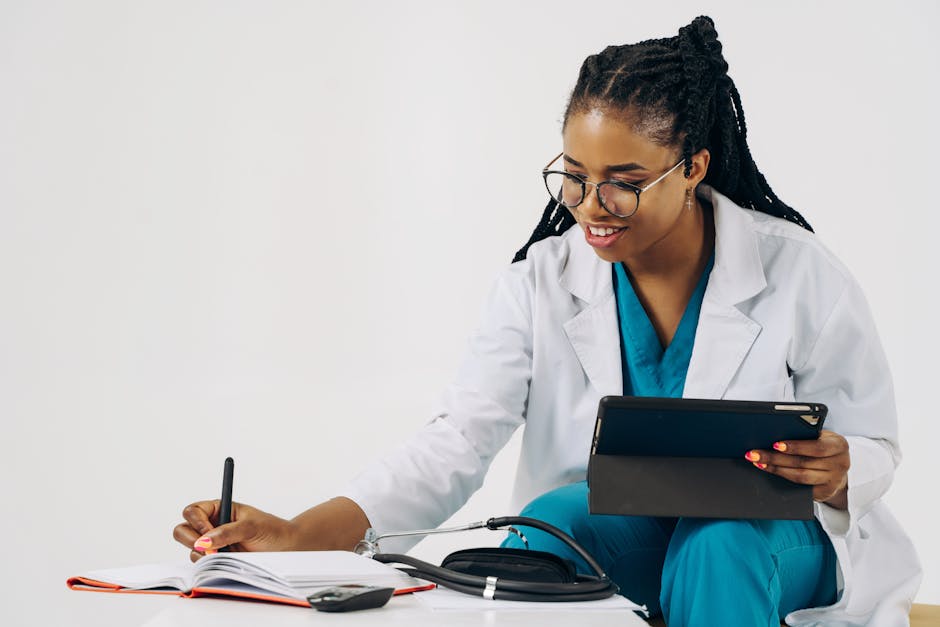
In this article, we’ll explore: BcozSheMatters: WHO Health Ministry roll out campaign on women and girls health and well-being and why it matters today.
Related:
👉 Why Getting Pregnant with PCOS Can Be So Hard: New Science on the Womb’s "Sticky" Problem
👉 8 Foods To Avoid With an Upset Stomach and What To Eat Instead
👉 The Ultimate Guide: 8 Foods To Avoid With an Upset Stomach and What To Eat Instead
Imagine a small village where a young mother named Sarah lives. Sarah is the heartbeat of her home. She wakes up before the sun, prepares meals, tends to the crops, and ensures her children are ready for school. But for months, Sarah has been feeling a dull ache in her back and persistent fatigue. She brushes it off, thinking, “I’ll rest tomorrow.” But tomorrow never comes. In many parts of the world, Sarah’s story is the standard, not the exception. Women often put their own health on the back burner to keep the world around them moving.
This is exactly why the recent announcement has sparked so much hope. The BcozSheMatters: WHO Health Ministry roll out campaign on women and girls health and well-being is more than just a government initiative; it is a global movement designed to shift the narrative from “self-sacrifice” to “self-care.”
In this post, we’ll dive deep into what this campaign means, why it’s a game-changer for our communities, and how it aims to bridge the gap in healthcare for women and girls everywhere.
What Exactly is the #BcozSheMatters Campaign?
The “BcozSheMatters” initiative is a collaborative effort between the World Health Organization (WHO) and regional Health Ministries. It was born out of a stark reality: despite medical advancements, women and girls still face significant barriers to basic healthcare. These barriers aren’t just financial; they are often cultural, geographical, and systemic.
The campaign focuses on a holistic approach. It doesn’t just look at maternal health (though that is a massive part of it). It looks at the entire lifecycle of a woman—from the nutritional needs of a young girl to the mental health of an elderly woman and everything in between.
By launching BcozSheMatters: WHO Health Ministry roll out campaign on women and girls health and well-being, authorities are sending a clear message: A society is only as healthy as the women who raise it.
The Core Pillars of the Campaign
To make a real impact, the campaign isn’t just throwing money at the problem. It’s targeting specific areas that have been neglected for far too long. Let’s break down the key pillars:
1. Maternal and Reproductive Health
While maternal mortality rates have dropped globally, they are still unacceptably high in developing regions. The campaign aims to provide better access to prenatal care, safe birthing facilities, and postnatal support. It’s about ensuring that no woman loses her life while bringing another into the world.
2. Adolescent Health and Menstrual Hygiene
For many young girls, hitting puberty means missing school. Lack of access to sanitary products and clean water, combined with the “shame” often associated with periods, holds girls back. BcozSheMatters focuses on education and providing the necessary infrastructure to keep girls in school and confident in their bodies.
3. Mental Health and Emotional Well-being
Women are statistically more likely to suffer from anxiety and depression, often linked to societal pressures, domestic roles, and hormonal changes. This campaign aims to de-stigmatize mental health help and provide accessible counseling services at the community level.
4. Prevention of Non-Communicable Diseases (NCDs)
Breast cancer and cervical cancer screenings are often luxuries in many parts of the world. The WHO and Health Ministries are working to roll out mobile screening units to ensure early detection, which is often the difference between life and death.
The Ripple Effect: Why This Matters for Everyone
You might wonder, “Why focus specifically on women?” The answer lies in the “Ripple Effect.” When a woman is healthy, the benefits cascade down to her family, her community, and the economy.
- Economic Growth: Healthy women are more likely to participate in the workforce. According to various economic studies, closing the gender health gap could add trillions to the global GDP.
- Better Education for Children: A healthy mother is better equipped to support her children’s education. Statistics show that children of healthy, educated mothers are more likely to thrive in school.
- Community Stability: Women are often the primary caregivers for the elderly and the sick. When their health is protected, the entire social safety net of a community becomes stronger.
Real-World Example: The Story of the “Pink Vans”
As part of the BcozSheMatters: WHO Health Ministry roll out campaign on women and girls health and well-being, a pilot program was launched in a rural district involving “Pink Vans.” These are mobile clinics equipped with ultrasound machines, mammogram equipment, and a small team of female doctors and nurses.
In just three months, one of these vans visited 40 villages. They discovered early-stage cervical cancer in over 15 women who had never even heard of a Pap smear. Because of early detection, these women are now receiving treatment and have a high chance of full recovery. This is the power of bringing healthcare to the doorstep rather than waiting for the patient to find a way to the city.
Breaking the Taboo: It’s Time to Talk
One of the biggest hurdles the BcozSheMatters campaign faces isn’t a lack of medicine—it’s silence. In many cultures, talking about reproductive health or menopause is considered “taboo.”
The campaign uses local “Health Ambassadors”—women from within the communities who are trained to talk to their peers. These ambassadors host “Chai and Chat” sessions where they discuss everything from nutrition to family planning in a safe, comfortable environment. By normalizing these conversations, the campaign is breaking down the walls of shame that have kept women in the dark for generations.
How Technology is Playing a Role
We live in a digital age, and the WHO is leveraging this. The campaign includes the rollout of a simple, low-data mobile app that allows women to track their cycles, receive pregnancy tips, and even chat with a virtual health assistant. For those without smartphones, a toll-free SMS service provides weekly health tips and reminders for vaccinations and screenings.
Key Takeaways from the BcozSheMatters Initiative
- Holistic Care: It’s not just about physical health; mental and emotional well-being are equally prioritized.
- Accessibility: Bringing clinics to rural areas through mobile units ensures no girl is left behind.
- Education: Knowledge is power. Teaching girls about their bodies reduces stigma and improves life outcomes.
- Partnership: The collaboration between the WHO and local Health Ministries ensures that global standards are met with local understanding.
How You Can Support the Movement
Even if you aren’t a healthcare professional, you can play a part in the success of the BcozSheMatters: WHO Health Ministry roll out campaign on women and girls health and well-being.
- Spread the Word: Use the hashtag #BcozSheMatters on social media to share health facts and campaign updates.
- Support Local NGOs: Many local organizations are the boots on the ground for this campaign. A small donation or volunteer time can go a long way.
- Encourage the Women in Your Life: Sometimes, all a mother, sister, or friend needs is a gentle nudge to go for that check-up they’ve been postponing.
Conclusion: A Future Where She Thrives
The launch of the BcozSheMatters campaign is a landmark moment in global health. It acknowledges that for too long, the specific needs of women and girls have been sidelined. By focusing on education, prevention, and accessible care, the WHO and Health Ministries are laying the foundation for a world where being born a girl doesn’t determine your health outcome.
Let’s remember Sarah from our story. With campaigns like this, Sarah won’t have to “wait for tomorrow” to feel better. She will have the support, the resources, and the permission to put herself first. Because when she thrives, we all thrive.
Frequently Asked Questions (FAQ)
1. What is the main goal of the BcozSheMatters campaign?
The primary goal is to improve the overall health and well-being of women and girls by providing better access to healthcare, education on hygiene, mental health support, and early disease screening.
2. Who is organizing this campaign?
It is a joint initiative between the World Health Organization (WHO) and various national Health Ministries across participating countries.
3. Does the campaign only focus on physical health?
No. A major component of the campaign is mental health and emotional well-being, recognizing that women face unique psychological stresses.
4. How can rural communities benefit from this?
The campaign includes the deployment of mobile health clinics and community health ambassadors to reach remote areas where medical facilities are scarce.
5. Is there a cost associated with the services provided?
Most of the services under the BcozSheMatters rollout, such as screenings and basic health education, are provided free of charge or at a highly subsidized rate through government health centers.
Written with love and assistance and refined for quality.
{“@context”:”https://schema.org”,”@type”:”Article”,”headline”:”Why Every Womanu2019s Health Is a Priority: Inside the BcozSheMatters Campaign”,”description”:”In this article, weu2019ll explore: BcozSheMatters: WHO Health Ministry roll out campaign on women and girls health and well-being and…”,”author”:{“@type”:”Person”,”name”:”Dr. Cuterus”},”datePublished”:”2026-05-29T14:04:46+00:00″,”dateModified”:”2026-05-29T14:04:46+00:00″,”mainEntityOfPage”:”https://healthyworldz.com/why-every-womans-health-is-a-priority-inside-the-bcozshematters-campaign/”,”image”:[“https://healthyworldz.com/wp-content/uploads/2026/05/bcozshematters-who-health-ministry-roll-out-campaign-on-women-and-girls-health-and-well-being-37.jpg”]}
🔗 Related: Hormonal mechanisms of womens risk in…
🔗 Related: Hormonal mechanisms of womens risk in…
🔗 Related: women health