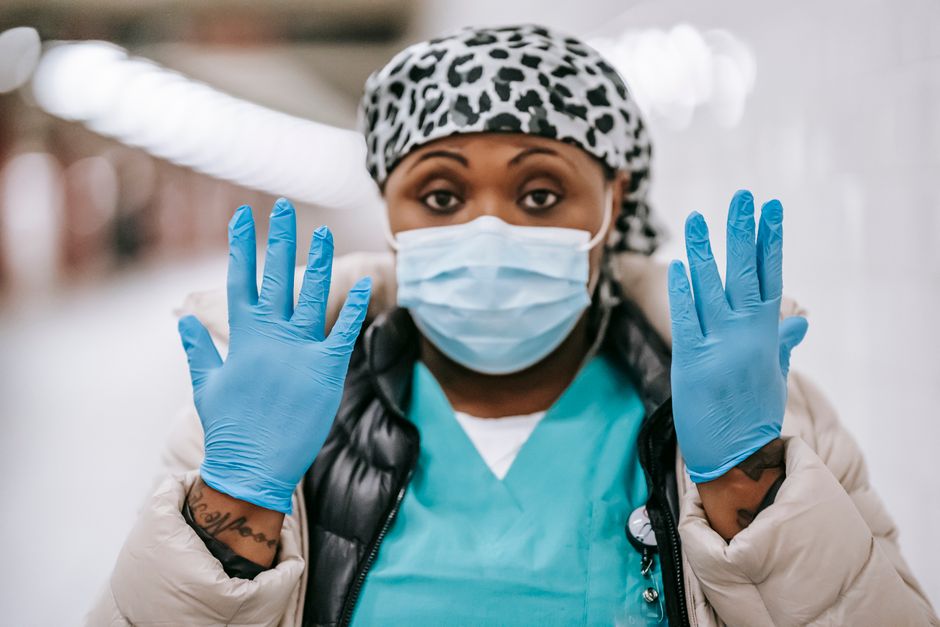
In this article, we’ll explore: BcozSheMatters: WHO Health Ministry roll out campaign on women and girls health and well-being and why it matters today.
Related:
👉 Why Am I Losing Inches But Not Weight? Here Are 4 Possible Reasons The Scale Isn't Changing
👉 BcozSheMatters: Why the WHO and Health Ministry’s New Campaign is a Lifeline for Women and Girls
👉 The Invisible Patient: Why Womens Health Needs a System Redesign to Close the Diagnostics Gap
Think about the women in your life for a moment. Your mother, who perhaps never missed a day of work even when she was feeling under the weather. Your sister, who balances a high-pressure job with the demands of a young family. Or maybe a friend who always puts everyone else’s needs before her own. For too long, women have been the backbone of our society, often at the cost of their own well-being. But things are finally changing on a global scale.
The latest buzz in the healthcare world is a massive, heart-centered initiative. The BcozSheMatters: WHO Health Ministry roll out campaign on women and girls health and well-being is more than just a government program; it is a movement. It’s a wake-up call to societies everywhere that a healthy woman isn’t just a “nice-to-have”—she is the foundation of a healthy world.
In this post, we’re going to dive deep into what this campaign is all about, why it’s happening now, and how it’s designed to change lives from the ground up. Let’s get into it.
What is the BcozSheMatters Campaign All About?
At its core, the BcozSheMatters initiative is a collaborative effort between the World Health Organization (WHO) and the Ministry of Health. It’s designed to address the unique health challenges that women and girls face throughout their entire lives—not just during their childbearing years.
For decades, “women’s health” was often used as a synonym for “maternal health.” While making sure mothers survive childbirth is incredibly important, women’s health is so much broader than that. It includes mental health, bone density, heart health, menstrual hygiene, and the aging process. The BcozSheMatters: WHO Health Ministry roll out campaign on women and girls health and well-being aims to bridge these gaps by providing a holistic approach to care.
The campaign focuses on three main pillars:
- Awareness: Educating women about their bodies and rights.
- Access: Making sure even the most remote villages have clinics and supplies.
- Affordability: Ensuring that life-saving screenings and treatments don’t bankrupt a family.
Why This Campaign is a Game-Changer
You might be wondering, “Why do we need a specific campaign for women?” The answer is simple: biology and sociology. Women’s bodies react differently to diseases, and their social roles often prevent them from seeking help. Let’s look at a few reasons why this specific focus is so necessary.
1. Addressing the “Invisible” Issues
Take menopause, for example. For years, it was something women were expected to “just deal with” in silence. The BcozSheMatters campaign brings these topics into the light. It provides resources for hormone management, bone health, and the mental health shifts that happen during this transition. By talking about it openly, the campaign removes the stigma that has kept women suffering in isolation.
2. Mental Health is Finally Front and Center
Statistics show that women are more likely to experience anxiety and depression, often linked to societal pressures and hormonal changes. Whether it’s postpartum depression or the stress of being a primary caregiver, the WHO and the Health Ministry are now prioritizing mental health screenings as a standard part of a woman’s check-up.
3. Preventive Care Over Reactive Care
Most of us only go to the doctor when something is wrong. This campaign wants to change that. By offering free or subsidized screenings for cervical cancer, breast cancer, and diabetes, the goal is to catch issues before they become life-threatening. Early detection doesn’t just save lives; it saves families from the emotional and financial toll of chronic illness.
Real-World Impact: Stories from the Ground
To understand the power of the BcozSheMatters: WHO Health Ministry roll out campaign on women and girls health and well-being, we have to look at the people it’s meant to serve. Let’s look at two fictional but very realistic examples.
Example 1: Anjali in a Rural Village
Anjali is 19 years old and lives in a small village. She used to miss school every month because she didn’t have access to proper menstrual products or a private place to wash. Through the BcozSheMatters campaign, her local community center now provides free hygiene kits and, more importantly, health education. Anjali now understands her cycle, feels empowered to stay in school, and knows that her health is a priority. This is how the cycle of poverty begins to break.
Example 2: Sarah in the City
Sarah is a 45-year-old executive. She’s successful, but she’s exhausted. She’s been ignoring a persistent pain in her chest, thinking it’s just stress. Through a workplace wellness program inspired by the WHO campaign, she attends a seminar on women’s heart health. She learns that heart disease symptoms in women are different from men. She gets screened, discovers a minor issue, and starts treatment immediately. The campaign didn’t just give her information; it gave her more years with her children.
Key Areas of Focus in the Campaign
The campaign isn’t just a series of posters. It’s a multi-layered strategy involving doctors, teachers, and policy-makers. Here are the specific areas they are targeting:
Nutrition and Anemia
In many parts of the world, iron deficiency is a silent epidemic among girls. This leads to fatigue, poor performance in school, and complications later in life. The campaign includes school-based iron supplementation and education for parents on how to cook nutrient-dense meals on a budget.
Adolescent Health
The teenage years are a critical window. The campaign focuses on vaccinating girls against HPV (the virus that causes most cervical cancers) and providing a safe space for them to ask questions about their changing bodies without judgment.
Digital Health Solutions
In the digital age, your phone can be a lifesaver. The WHO is rolling out apps and SMS services that send health reminders to women. Whether it’s a reminder for a prenatal check-up or a tip on managing stress, technology is being used to bring the doctor’s office to the palm of their hand.
How Can We Support the Movement?
While the BcozSheMatters: WHO Health Ministry roll out campaign on women and girls health and well-being is led by big organizations, its success depends on us. Here is how you can help:
- Spread the Word: Share information about the campaign on your social media. You never know who might need to see that link to a free screening.
- Check on the Women You Know: Sometimes, all it takes is a friend asking, “How are you *really* doing?” to encourage someone to seek help.
- Advocate for Change: If you are a business owner, ensure your health insurance policies cover women-specific needs like maternity leave and mental health support.
The Road Ahead: What Success Looks Like
Success isn’t just a set of numbers on a spreadsheet. Success is a world where a girl doesn’t have to drop out of school because of her period. It’s a world where a mother doesn’t have to choose between buying groceries and getting a mammogram. It’s a world where the health of women is seen as a primary indicator of a nation’s prosperity.
The BcozSheMatters campaign is a marathon, not a sprint. It will take years to see the full impact, but the foundation being laid today by the WHO and the Health Ministry is incredibly strong. By focusing on women and girls, we are essentially investing in the future of humanity.
Key Takeaways
- Holistic Care: The campaign moves beyond just maternal health to include mental health, aging, and chronic disease.
- Global Collaboration: The partnership between the WHO and the Health Ministry ensures that local needs are met with global expertise.
- Prevention is Key: A major focus is on early screening for cancers and lifestyle diseases.
- Empowerment: Education is used as a tool to help women take charge of their own health journeys.
- Community Impact: When women are healthy, children are healthier, and economies grow stronger.
Frequently Asked Questions (FAQ)
What is the main goal of the BcozSheMatters campaign?
The main goal is to improve the overall health and well-being of women and girls by increasing awareness, improving access to healthcare services, and ensuring that treatments are affordable and inclusive of all life stages.
Who is organizing this campaign?
The campaign is a joint initiative between the World Health Organization (WHO) and the Ministry of Health, working alongside local NGOs and community leaders.
Does the campaign only focus on physical health?
No. One of the standout features of BcozSheMatters is its heavy emphasis on mental health, recognizing that emotional well-being is just as important as physical health.
How can I find out if there are campaign services in my area?
You can check the official website of your local Ministry of Health or visit your nearest government-run community health center. Many services are also being promoted through local radio and social media channels.
Is this campaign only for women in developing countries?
While there is a significant focus on underserved communities, the principles of the BcozSheMatters campaign—such as breaking taboos around menopause and prioritizing mental health—are relevant to women in every country, regardless of their economic status.
In the end, the BcozSheMatters: WHO Health Ministry roll out campaign on women and girls health and well-being reminds us of a simple truth: when we care for “her,” we care for everyone. It’s time we stop taking women’s health for granted and start making it the priority it deserves to be.
Written with love and assistance and refined for quality.
🔗 Related: From PCOS to PMOS: is a…
🔗 Related: Hormonal mechanisms of womens risk in…
🔗 Related: Why Am I Losing Inches But…