In this article, we’ll explore: Women with polycystic ovary syndrome exhibit impaired endometrial receptivity with excessive ER and histone lactylation and why it matters today.
Related:
👉 Why Are Teen Girls Struggling? Making Sense of the Widening Gender Mental Health Gap
👉 Why Am I Not Losing Weight on Wegovy? Here is the Real Truth
👉 The Double-Duty Supplement: Why Everyone (Not Just Athletes) Should Consider Creatine
For many women, the journey to motherhood is a straight line. For those living with Polycystic Ovary Syndrome (PCOS), that line often feels like a tangled web of doctor’s appointments, hormonal rollercoasters, and confusing medical jargon. If you’ve been struggling to conceive despite “doing everything right,” you know the heartbreak of seeing a negative test month after month.
We’ve known for a long time that PCOS affects ovulation. If you don’t release an egg, you can’t get pregnant. But what happens when you do ovulate—perhaps with the help of medication—and it still doesn’t work? Scientists have been digging deeper into the “soil” rather than just the “seed.”
Recent breakthrough research has shed light on a specific reason why the uterine lining might not be welcoming to an embryo. Specifically, a study has found that women with polycystic ovary syndrome exhibit impaired endometrial receptivity with excessive ER and histone lactylation. That sounds like a mouthful, but in this post, we’re going to break it down into plain English and explain what it means for your fertility journey.
The Mystery of the “Welcome Mat”: What is Endometrial Receptivity?
Think of your uterus like a high-end hotel. For a guest (the embryo) to stay there, the room needs to be perfectly prepared. The bed needs to be made, the temperature needs to be right, and the “Welcome” mat needs to be out. In medical terms, this state of readiness is called endometrial receptivity.
Usually, there is a very small window of time—about 4 to 5 days during your cycle—when the uterine lining (the endometrium) is actually ready to let an embryo attach. This is called the “window of implantation.” If the lining isn’t receptive, the embryo simply can’t stick, and it passes through the body, often resulting in what looks like a normal period or a failed IVF cycle.
For women with PCOS, this window is often “glitchy.” Even if the hormones in the blood look okay, the lining itself might be sending the wrong signals.
The Problem with Too Much “Noise”: Excessive ER
One of the key players in preparing the uterus is Estrogen. Estrogen is like the foreman on a construction site; it tells the lining to grow and thicken. It does this by binding to Estrogen Receptors (ER).
You might think that more estrogen receptors would be a good thing—more “receivers” for the hormone, right? Not exactly. In the delicate world of human reproduction, balance is everything.
The study found that women with polycystic ovary syndrome exhibit impaired endometrial receptivity with excessive ER. When there are too many receptors, the uterine lining becomes over-sensitized. It’s like trying to listen to a soft melody in a room where the speakers are cranked to maximum volume. The “noise” of the excessive estrogen signaling prevents the lining from transitioning into the next phase (the progesterone phase), which is required for the embryo to plant itself.
What is Histone Lactylation? (The New Discovery)
This is where the science gets really interesting—and a bit futuristic. To understand histone lactylation, we have to look at how our genes are controlled.
Imagine your DNA is a massive instruction manual. Histones are the “spools” that the DNA is wrapped around. If the DNA is wrapped too tightly, the body can’t read the instructions. If it’s wrapped loosely, the instructions are easy to read.
Lactylation is a process where lactic acid (the same stuff that builds up in your muscles when you workout) attaches to these histones. This acts like a chemical “sticky note” that changes which instructions the body reads.
In women with PCOS, researchers found an excess of histone lactylation in the uterine lining. This metabolic byproduct is essentially “mis-tagging” the DNA in the uterus, telling the cells to behave in a way that blocks implantation. It’s a bridge between your metabolism (how your body handles sugar and lactic acid) and your fertility.
A Real-World Example: Sarah’s Story
Let’s look at Sarah, a 31-year-old with PCOS. Sarah was frustrated. She had managed to regulate her cycles with diet and Metformin. Her doctor confirmed she was ovulating. Her partner’s tests were perfect. Yet, three rounds of timed intercourse and two rounds of IUI failed.
Sarah’s “seed” (the egg) was fine, but her “soil” (the uterus) was the issue. Because of the excessive ER and histone lactylation, her uterine lining was stuck in a state of over-stimulation. Her body was essentially keeping the “Do Not Disturb” sign on the hotel door, even though the guest had arrived.
Why Does This Happen in PCOS?
PCOS is more than just an ovarian issue; it is a metabolic and endocrine disorder. The reason women with polycystic ovary syndrome exhibit impaired endometrial receptivity with excessive ER and histone lactylation often boils down to three main factors:
- Insulin Resistance: High insulin levels can drive up lactic acid production and alter how the uterus responds to hormones.
- Hormonal Imbalance: The “ratio” of estrogen to progesterone is often skewed in PCOS, leading to that “over-active” estrogen receptor problem.
- Chronic Inflammation: PCOS is associated with low-grade inflammation, which changes the chemical environment of the pelvic floor and the uterus itself.
The Good News: What Can We Do?
While this research might sound discouraging, it’s actually a huge win for the PCOS community. Why? Because you can’t fix a problem you don’t understand. Now that scientists have identified histone lactylation as a culprit, they can start looking for ways to “un-stick” those chemical notes.
1. Metabolic Management
Since lactylation is linked to how the body processes glucose and lactate, managing your blood sugar is more important than ever. This isn’t just about weight; it’s about the chemical environment of your uterus. Diets low in refined sugars and high in anti-inflammatory fats can help stabilize the metabolic markers that lead to excessive lactylation.
2. Targeted Supplements
Supplements like Inositol (specifically Myo-inositol and D-chiro-inositol) have been shown to improve insulin sensitivity. By improving how your cells handle insulin, you may indirectly reduce the “metabolic stress” on the uterine lining.
3. Future Medical Treatments
Researchers are now looking at “HDAC inhibitors” and other medications that can specifically target histone modifications. In the future, we may see “uterine prep” protocols for PCOS patients that go beyond just thickening the lining, but actually “cleaning” the epigenetic tags to ensure receptivity.
Key Takeaways for Your Fertility Journey
- It’s Not Just About Ovulation: Getting an egg to release is step one, but the uterine environment (receptivity) is step two.
- The “Too Much” Problem: Excessive Estrogen Receptors (ER) can be just as problematic as too little, as they create “noise” that prevents implantation.
- Metabolism Matters: The discovery of histone lactylation proves that your metabolic health directly talks to your genes in the uterus.
- Personalized Care: If you have PCOS and are struggling with IVF failure, talk to your doctor about endometrial receptivity and metabolic health.
Summary
The journey to understanding PCOS is ongoing, but the discovery that women with polycystic ovary syndrome exhibit impaired endometrial receptivity with excessive ER and histone lactylation is a massive piece of the puzzle. It validates the experiences of thousands of women who have struggled to conceive even when their hormone levels looked “fine” on paper.
By focusing on both the metabolic and the hormonal aspects of the syndrome, we can move closer to personalized treatments that help turn the “Do Not Disturb” sign into a “Welcome Home” mat.
Frequently Asked Questions (FAQ)
1. Does every woman with PCOS have this issue?
Not necessarily. PCOS is a spectrum. Some women with PCOS conceive naturally and quickly. However, for those with “unexplained” infertility or repeated IVF failures within the PCOS diagnosis, these uterine factors are often a hidden cause.
2. Can an ultrasound detect impaired endometrial receptivity?
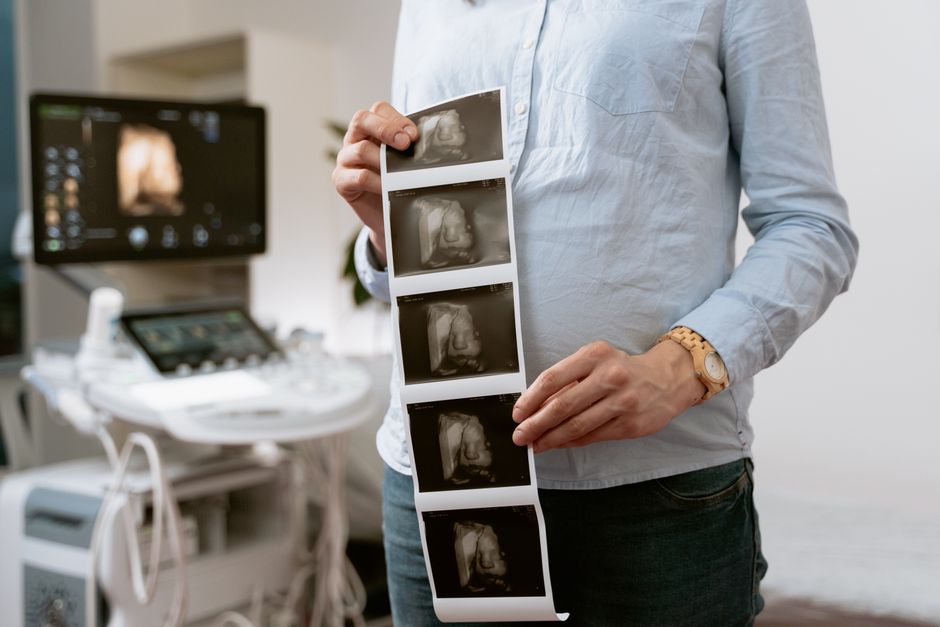
A standard ultrasound can measure the thickness of the lining, but it cannot see the receptivity (the chemical and genetic state). Tests like the ERA (Endometrial Receptivity Analysis) are sometimes used in IVF to look deeper, though they don’t specifically test for histone lactylation yet.
3. Can exercise help reduce histone lactylation?
While exercise produces lactate in the muscles, regular, moderate exercise actually improves overall insulin sensitivity and metabolic efficiency. This helps the body manage lactic acid more effectively in the long run, which is generally beneficial for PCOS.
4. Is this why my IVF cycle failed even though the embryo was healthy?
It is a strong possibility. If a “perfect” embryo (genetically normal) fails to implant, the focus usually shifts to the “soil.” Excessive ER and histone modifications can prevent that healthy embryo from communicating with the uterine wall.
5. What should I ask my doctor?
You might ask: “Given my PCOS, are we doing anything to address my metabolic health in relation to my uterine receptivity? Would I benefit from a longer progesterone lead-up or metabolic support like Metformin or Inositol before our next transfer?”
Written with love and assistance and refined for quality.
🔗 Related: BcozSheMatters: WHO Health Ministry roll out…
🔗 Related: Why Am I Not Losing Weight…
🔗 Related: Genelia DSouza opens up about menopause…