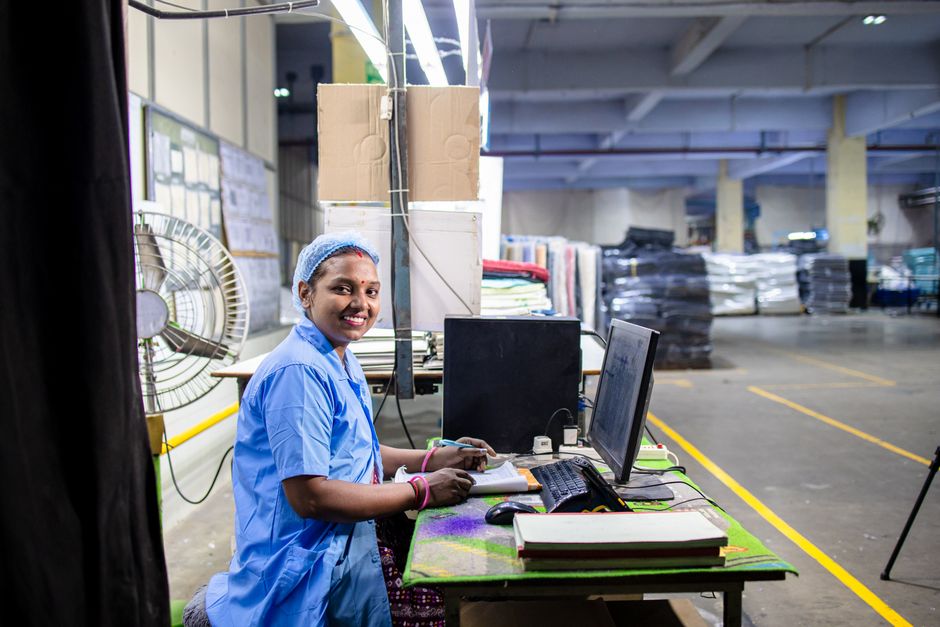
In this article, we’ll explore: BcozSheMatters: WHO Health Ministry roll out campaign on women and girls health and well-being and why it matters today.
Related:
👉 Why Pelvic Health Matters: Understanding Perineal Muscle Strength and Bladder Control Among Young Mothers in Mangaluru
👉 The Hidden Crisis: Understanding Period Poverty, Its Causes, and Why It Matters for Everyone
👉 The Hidden Risk to Your Bones: Why Menopause and GLP-1 Drugs Are a "Perfect Storm" for Women
Learn more: BcozSheMatters: WHO Health Ministry roll out campaign on women and girls health and well-being on Wikipedia
Think about the women in your life for a moment. Your mother, who probably knows everyone’s favorite meal but forgets to take her own vitamins. Your sister, who balances a high-pressure job while managing a household. Or the young girl next door who dreams of becoming an astronaut but misses school every month because she doesn’t have access to proper sanitary products.
For too long, women’s health has been treated as a “side issue” or something to be discussed only in hushed tones. But things are changing. Recently, a major movement has taken flight. The BcozSheMatters: WHO Health Ministry roll out campaign on women and girls health and well-being is not just another government program; it is a loud, clear, and necessary declaration that the health of a nation depends entirely on the health of its women.
In this post, we’re going to dive deep into what this campaign is all about, why it matters more now than ever, and how it’s set to change lives on the ground.
What is the #BcozSheMatters Campaign All About?
At its core, the BcozSheMatters: WHO Health Ministry roll out campaign on women and girls health and well-being is an integrated initiative designed to provide 360-degree healthcare support. It isn’t just focusing on one thing—like pregnancy or nutrition—but is looking at the entire lifecycle of a woman.
From the day a girl is born to her golden years, this campaign aims to ensure she has access to screenings, mental health support, nutritional guidance, and reproductive healthcare. The World Health Organization (WHO), in partnership with national Health Ministries, recognized that “health” isn’t just the absence of disease; it’s a state of complete physical, mental, and social well-being.
The campaign uses a mix of grassroots outreach, digital awareness, and policy changes to make sure no woman is left behind, regardless of her zip code or bank balance.
The “Silent” Crisis: Why This Campaign is a Game Changer
You might wonder, “Why do we need a specific campaign for women?” The answer lies in the data, but also in the stories we hear every day. Statistics show that women are more likely to delay seeking medical help for themselves compared to seeking it for their children or spouses. This “self-sacrifice” culture has led to a silent crisis of undiagnosed chronic conditions, anemia, and mental burnout.
Closing the Gender Health Gap
Research has shown that medical research has historically been male-centric. For decades, clinical trials often excluded women, leading to a gap in understanding how certain diseases—like heart disease—manifest differently in females. The BcozSheMatters initiative is a step toward closing this gap by prioritizing female-specific data and medical care.
Addressing Taboos
In many parts of the world, topics like menstruation, menopause, and sexual health are still wrapped in stigma. This campaign aims to break those walls. By bringing these conversations into the mainstream, the WHO and Health Ministry are making it “okay” for girls to ask questions and for women to seek help without feeling ashamed.
Key Pillars of the BcozSheMatters Initiative
To make a real impact, the campaign focuses on several “High-Priority” areas. Here is a breakdown of what they are targeting:
- Maternal and Neonatal Care: Ensuring every mother has a safe delivery and every newborn gets a healthy start. This includes prenatal checkups and post-delivery support.
- Nutritional Security: Tackling the high rates of anemia among adolescent girls and providing education on balanced diets.
- Preventative Screenings: Increasing access to early detection for breast cancer and cervical cancer, which are life-saving interventions.
- Mental Health and Resilience: Recognizing that women face unique stressors, from postpartum depression to the “double burden” of work and home life.
- Menstrual Hygiene Management (MHM): Providing schools and rural areas with the infrastructure and products needed to manage periods with dignity.
Real-World Impact: Meet Anjali and Sarah
To understand the weight of the BcozSheMatters: WHO Health Ministry roll out campaign on women and girls health and well-being, we have to look at the people it serves.
Example 1: Anjali’s Story
Anjali is a 16-year-old living in a small village. For years, she stayed home from school for four days every month because her family couldn’t afford sanitary pads, and her school didn’t have a private toilet. Through the BcozSheMatters campaign, her school received a “Dignity Kit” dispenser and conducted an awareness workshop. Today, Anjali hasn’t missed a day of school in six months. Her education is back on track because her basic health needs were met.
Example 2: Sarah’s Discovery
Sarah, a 45-year-old mother of three, always felt “tired,” but she chalked it up to age. During a local health camp organized under the BcozSheMatters initiative, she was encouraged to get a free screening. It turned out she had a severe iron deficiency and early-stage hypertension. With the right supplements and lifestyle changes provided by the campaign, Sarah says she feels like she has a “second lease on life.”
How the Campaign Uses Technology for Good
We live in a digital age, and the WHO Health Ministry knows it. The campaign isn’t just about brochures and posters. It’s using technology to reach women where they are.
Telemedicine for Rural Areas
For a woman living miles away from the nearest city, seeing a specialist can be an impossible task. The campaign has rolled out mobile health vans and telemedicine kiosks. Now, a woman can speak to a gynecologist or a therapist via a video call, bringing world-class expertise to the most remote corners of the country.
The Power of Social Media
Using the hashtag #BcozSheMatters, the campaign has gone viral. Influencers, doctors, and everyday women are sharing their stories. This digital community provides a support system, proving that no woman is alone in her health journey.
What Can We Do to Support This Movement?
Governments and international organizations can provide the framework, but real change happens at the community level. Here is how you can help:
- Educate Yourself: Learn about the specific health risks women face at different ages. Knowledge is power.
- Encourage the Women in Your Life: If you notice your mother or friend is neglecting her health, gently encourage her to get a checkup. Sometimes, a little nudge is all it takes.
- Volunteer or Donate: Support local NGOs that align with the WHO’s goals, especially those focusing on girls’ education and menstrual health.
- Spread the Word: Use your social media platforms to share information about the BcozSheMatters initiative. You never know who might see it and decide to finally book that doctor’s appointment.
Key Takeaways
If you take away nothing else from this post, remember these three things:
- Health is Holistic: Women’s health isn’t just about one life stage; it’s a lifelong journey that requires consistent attention.
- Prevention is Better Than Cure: Most of the health issues affecting women today are preventable or treatable if caught early through the screenings provided by this campaign.
- Empowerment Starts with Well-being: A healthy woman is an empowered woman. When she is well, she can lead, innovate, and nurture her community.
Conclusion: A Brighter, Healthier Future
The BcozSheMatters: WHO Health Ministry roll out campaign on women and girls health and well-being is a beacon of hope. It signals a shift in our global priorities. It tells every girl that her body is respected, and it tells every woman that her life is valued.
As this campaign continues to roll out, we can expect to see lower maternal mortality rates, higher school attendance for girls, and a generation of women who are not just surviving, but thriving. Because at the end of the day, when she thrives, we all thrive.
Frequently Asked Questions (FAQ)
1. Who is eligible to benefit from the BcozSheMatters campaign?
The campaign is designed to benefit all women and girls, with a special focus on those in underserved, rural, or low-income communities who may lack access to regular healthcare.
2. Does the campaign cover mental health?
Yes! Mental health is a core pillar of the initiative. It includes resources for postpartum depression, anxiety, and the psychological impact of gender-based violence.
3. How can I find a BcozSheMatters health camp near me?
You can check the official website of your national Health Ministry or the WHO regional office site. They frequently update schedules for mobile health clinics and screening camps.
4. Is the campaign only for pregnant women?
No. While maternal health is important, the campaign also focuses on adolescent health, preventative screenings for non-communicable diseases (like cancer and diabetes), and geriatric care for elderly women.
5. How can men support the #BcozSheMatters movement?
Men play a crucial role as allies. They can support the movement by advocating for the health of their female family members, breaking down stigmas in their communities, and ensuring that health is a priority in their households.
Written with love and assistance and refined for quality.
🔗 Related: Perineal muscle strength as a predictor…
🔗 Related: Yes Creatine Can Help With StrengthBut…