In this article, we’ll explore: Perineal muscle strength as a predictor of stress urinary incontinence among young parous women in Mangaluru India and why it matters today.
Related:
👉 Why Getting Pregnant with PCOS is More Than Just Hormones: The New Science of Endometrial Receptivity
👉 Yes, Creatine Can Help With Strength, But Its Wellness Benefits Go Way Beyond The Gym
👉 Why Strong Pelvic Muscles Matter: A Look at Stress Urinary Incontinence in Young Mothers of Mangaluru
Imagine you’re enjoying a beautiful evening walk at Panambur Beach with your little one. The sun is setting, the air is salty, and your toddler says something so hilarious you can’t help but burst into laughter. But then, it happens—that tiny, uncomfortable “leak.” You quickly cross your legs, your heart sinks a little, and the joy of the moment is replaced by a familiar sense of anxiety.
If this sounds like you, know that you aren’t alone. In the coastal city of Mangaluru, many young women who have recently transitioned into motherhood are facing a silent challenge: Stress Urinary Incontinence (SUI). While it’s often whispered about or dismissed as a “normal part of having a baby,” science tells a different story. Specifically, research into perineal muscle strength as a predictor of stress urinary incontinence among young parous women in Mangaluru India is shedding light on how we can predict, prevent, and treat this condition.
The Silent Struggle After Childbirth
In our culture, especially in a vibrant hub like Mangaluru, the focus after childbirth is almost entirely on the newborn. We talk about the baby’s weight, the baby’s sleep, and the baby’s feeding schedule. But what about the mother’s body? Specifically, what about that “hammock” of muscles supporting everything down below?
Stress Urinary Incontinence isn’t about being “stressed out” in the emotional sense. It refers to physical stress or pressure on the bladder. When you cough, sneeze, jump, or lift a heavy grocery bag from the local market, that pressure can cause urine to leak if the muscles aren’t strong enough to hold the “gate” shut.
For young parous women (women who have given birth), the pelvic floor undergoes incredible changes. Whether it was a vaginal delivery or a C-section, the weight of carrying a child for nine months takes a toll on the perineal muscles.
The Science: Why Muscle Strength Matters
Why is everyone talking about perineal muscle strength as a predictor of stress urinary incontinence among young parous women in Mangaluru India? Because strength is the best crystal ball we have for pelvic health.
The perineal muscles (often called the pelvic floor) act like a trampoline. In a healthy state, they are bouncy, firm, and supportive. After childbirth, that trampoline can become overstretched or weakened. If we can measure how much “bounce” is left in those muscles, we can predict who is at risk for SUI before it becomes a major lifestyle hurdle.
Understanding the “Predictor” Factor
In clinical settings across Mangaluru, healthcare providers are looking at muscle contractions. If a woman’s perineal muscle strength is below a certain threshold, there is a much higher statistical likelihood that she will experience SUI. By identifying this early, we can move from “dealing with leaks” to “preventing them entirely.”
A Closer Look at the Mangaluru Context
Mangaluru is a unique blend of traditional values and modern medical advancement. Young women here are increasingly active—balancing careers, household responsibilities, and social lives. However, the physical demands of these roles often mean women ignore the “small” signs of pelvic weakness.
In many local communities, there’s a misconception that these issues only happen to older women. But the data shows that young, vibrant mothers in their 20s and 30s are the ones currently navigating this. The heat and humidity of the coast also mean we stay hydrated (as we should!), which puts a constant, healthy demand on our bladders. If the perineal muscles aren’t up to the task, the daily routine becomes a series of “bathroom mapping” trips—knowing exactly where every toilet is between Kuntikan and Statebank.
The Impact of Lifestyle and Nutrition
Our local diet, rich in spices and coastal flavors, is wonderful, but certain habits can irritate the bladder. When combined with weakened perineal muscles, the urge to go becomes even harder to control. This is why understanding perineal muscle strength as a predictor of stress urinary incontinence among young parous women in Mangaluru India is so vital—it allows for a holistic approach to recovery that fits our specific lifestyle.
Real-Life Example: Anjali’s Story
Take Anjali, a 28-year-old software professional living in Surathkal. After her second child, she noticed she couldn’t play badminton anymore—a sport she loved. Every time she lunged for a shot, she experienced a leak. She felt embarrassed and started avoiding social gatherings.
When she finally spoke to a specialist, they measured her perineal muscle strength. It turned out that while she looked fit on the outside, her “inner core” hadn’t recovered from her pregnancies. By focusing on targeted pelvic floor rehabilitation, Anjali regained her strength. She didn’t just stop the leaks; she regained her confidence.
How is Perineal Strength Measured?
You might be wondering, “How do they even know if my muscles are strong enough?” Doctors and physiotherapists use a few different methods:
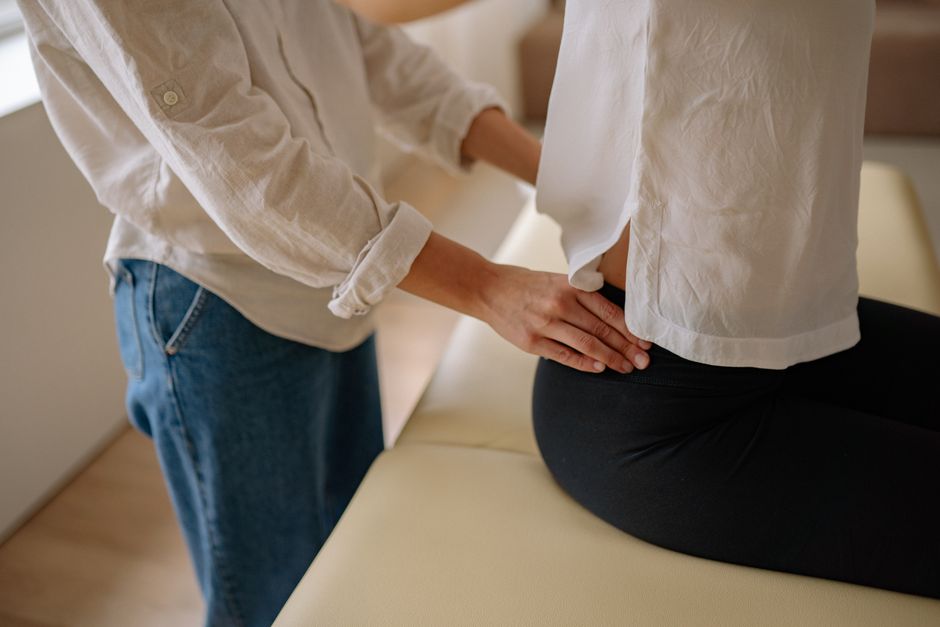
- Digital Palpation: A simple physical exam where a professional assesses the “squeeze” and “lift” of the muscles.
- Perineometers: Small devices that measure the actual pressure exerted by the muscles in mmHg (millimeters of mercury).
- Biofeedback: Using sensors to show you on a screen how your muscles are working in real-time.
By using these tools, researchers have confirmed that perineal muscle strength as a predictor of stress urinary incontinence among young parous women in Mangaluru India is one of the most reliable ways to diagnose the severity of the condition.
Moving Forward: What Can You Do?
If you are a young mother in Mangaluru, the first step is breaking the silence. You don’t have to “just live with it.” Here are some actionable steps:
1. Start with Pelvic Floor Exercises (Kegels)
The beauty of Kegels is that you can do them anywhere—while waiting for a bus at Jyothi Circle or while cooking dinner. The key is consistency. Think of it as a gym workout for your “downstairs” muscles.
2. Consult a Specialist
Mangaluru is home to some of the best hospitals and physiotherapy centers in Karnataka. Don’t hesitate to ask your gynecologist for a referral to a pelvic floor physical therapist. They can provide a personalized plan based on your specific muscle strength measurements.
3. Watch Your Posture
Believe it or not, how you sit and stand affects your pelvic floor. Slumping puts extra pressure on your bladder. Standing tall helps your perineal muscles do their job more effectively.
4. Stay Hydrated, But Be Smart
Don’t stop drinking water! Dehydration actually irritates the bladder. Instead, space out your water intake and avoid excessive caffeine or carbonated drinks if you notice they trigger your SUI.
Key Takeaways
- It’s Common, But Not Normal: Leaking urine is frequent among young moms, but it’s a medical condition that can be treated.
- Strength is Key: Perineal muscle strength is the most significant predictor of whether you will suffer from SUI.
- Early Intervention: Testing muscle strength early in the postpartum period can prevent long-term issues.
- Mangaluru Resources: We have access to excellent healthcare—utilize it! You don’t have to suffer in silence.
- Holistic Health: Recovery involves exercises, lifestyle changes, and sometimes professional therapy.
Conclusion
The journey of motherhood is beautiful, but it shouldn’t come at the cost of your physical comfort and self-esteem. Understanding perineal muscle strength as a predictor of stress urinary incontinence among young parous women in Mangaluru India is a game-changer. It shifts the conversation from “accidents” to “muscle recovery.”
So, the next time you’re out with friends at a cafe in Balmatta or running errands in Hampankatta, remember that your pelvic health matters. Strong muscles lead to a leak-free life, allowing you to laugh, run, and enjoy every moment of motherhood in our beautiful city without worry.
Frequently Asked Questions (FAQ)
1. Is SUI only caused by vaginal birth?
No. While vaginal birth is a common factor, the sheer weight of the baby during pregnancy can weaken the pelvic floor, meaning women who had C-sections can also experience SUI.
2. How long does it take to see results from pelvic floor exercises?
Consistency is key! Most women start to notice a significant difference in 6 to 12 weeks of regular, correctly performed exercises.
3. Can I get tested for perineal muscle strength in Mangaluru?
Yes, most major hospitals and specialized physiotherapy clinics in Mangaluru offer pelvic floor assessments and strength testing.
4. Does SUI go away on its own?
In some cases, the body recovers naturally, but for many young women, the muscle weakness persists or worsens over time without targeted intervention.
5. Are there surgical options if exercises don’t work?
Yes, there are minimally invasive surgical procedures available, but doctors usually recommend conservative treatments like physiotherapy and lifestyle changes as the first line of defense.
Written with love and assistance and refined for quality.
🔗 Related: Yes Creatine Can Help With StrengthBut…