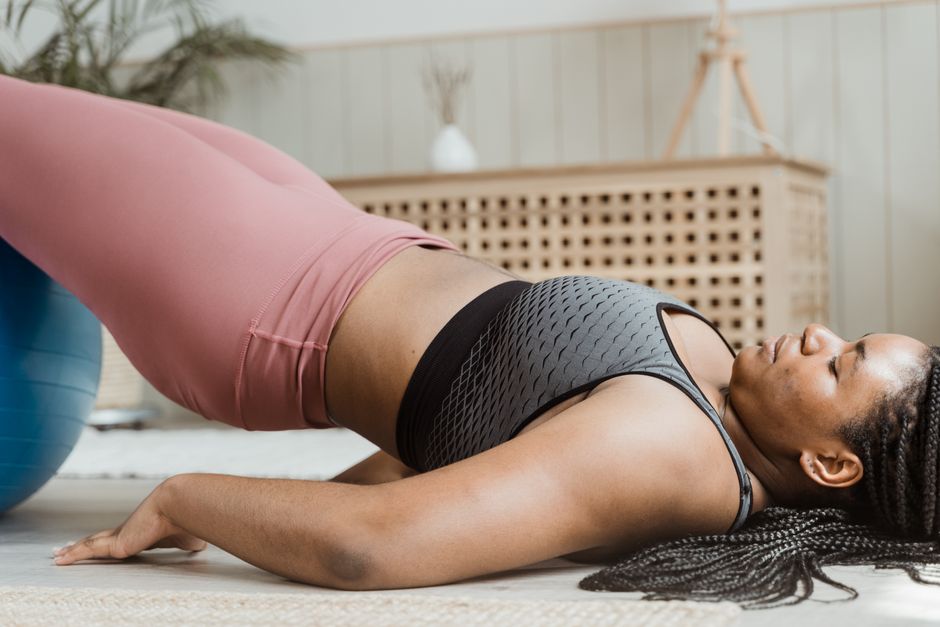
In this article, we’ll explore: Perineal muscle strength as a predictor of stress urinary incontinence among young parous women in Mangaluru India and why it matters today.
Related:
👉 Why You Should Run and Get an IUD or Implant Now and Tell a Friend
👉 Why Post-Baby Leaks Shouldn’t Be Your "New Normal": A Look at Pelvic Health for Young Moms in Mangaluru
👉 Foundayo: Oral GLP-1 Demonstrated Up to 14 Weight Loss for All Women – Is This the End of the Needle?
Imagine you’re enjoying a sunny afternoon at Panambur Beach with your family. Your toddler does something hilarious, and you burst out laughing. But suddenly, that moment of joy is interrupted by a familiar, frustrating sensation—a small leak. You quickly cross your legs, hoping no one noticed, and the laughter fades into a sense of embarrassment.
If this sounds like your reality, you aren’t alone. In the coastal city of Mangaluru, many young mothers are quietly dealing with the same issue. Whether it’s a leak while sneezing during the monsoon season or a mishap while lifting a heavy grocery bag at the local market, Stress Urinary Incontinence (SUI) is a common but rarely discussed topic.
Recent research has shed light on this, focusing specifically on perineal muscle strength as a predictor of stress urinary incontinence among young parous women in Mangaluru India. Today, we’re going to break down what this means, why it matters, and how understanding your body can help you regain your confidence.
What Exactly is Stress Urinary Incontinence (SUI)?
Before we dive into the science, let’s clear up a common misconception. Stress Urinary Incontinence isn’t about emotional stress. You aren’t leaking because you’re worried about your bills or your job. The “stress” refers to physical pressure on your bladder.
When the muscles that support your bladder—your pelvic floor or perineal muscles—are weak, they can’t hold the “door” shut when sudden pressure is applied. This pressure can come from:
- Coughing or sneezing
- Laughing heartily
- Running or jumping
- Lifting heavy objects (including your growing child!)
For many young women in Mangaluru who have recently given birth (parous women), this becomes a daily struggle. But why is it happening to women in their 20s and 30s? The answer lies in the strength of the perineal muscles.
The Mangaluru Context: Why This Study Matters
Mangaluru is a unique blend of traditional values and modern living. While the city boasts some of the best healthcare facilities in India, there is still a significant “silence” surrounding women’s pelvic health. Many young mothers believe that leaking after childbirth is just a “normal” part of being a mom. They assume it will go away on its own or that it’s something they just have to live with.
However, looking at perineal muscle strength as a predictor of stress urinary incontinence among young parous women in Mangaluru India helps us realize that this isn’t just a “part of life”—it’s a measurable physical condition. By identifying muscle weakness early, women can take proactive steps to fix the problem before it affects their long-term quality of life.
The “Hammock” Effect
Think of your perineal muscles as a sturdy muscular hammock. This hammock holds your pelvic organs—the bladder, uterus, and bowel—in place. During pregnancy and childbirth, this hammock is stretched significantly. In Mangaluru, where many women manage household chores, professional lives, and child-rearing simultaneously, the physical demand on these muscles is high.
If the hammock loses its elasticity or strength, it sags. When it sags, it can no longer provide the resistance needed to keep the urethra closed during a sneeze. This is why measuring muscle strength is the best way to predict who will suffer from SUI.
Real-Life Story: Kavitha’s Journey
Kavitha, a 29-year-old software engineer living in Bejai, Mangaluru, experienced this firsthand after her second child. “I used to love going for my morning walks at Kadri Park,” she shared. “But after my son was born, I started noticing leaks every time I picked up my pace. I was so embarrassed that I stopped exercising altogether. I thought I was too young for this.”
Kavitha’s story is typical. She didn’t realize that her perineal muscles had weakened significantly. It wasn’t until she consulted a specialist who measured her muscle strength that she understood the root cause. By focusing on strengthening those specific muscles, she was able to return to her active lifestyle within months.
Why Perineal Muscle Strength is the Ultimate Predictor
Why do researchers focus on muscle strength rather than just looking at the number of children a woman has? Because every woman’s body reacts differently to childbirth. Some women may have three children and maintain excellent muscle tone, while others might experience significant weakening after just one delivery.
The study on perineal muscle strength as a predictor of stress urinary incontinence among young parous women in Mangaluru India highlights that the quality and force of the muscle contraction are the most accurate ways to tell if a woman will develop SUI.
Key Factors That Influence Strength:
- Type of Delivery: While SUI happens in both, vaginal deliveries often put more immediate strain on the perineal tissues compared to C-sections.
- Birth Weight: Delivering a larger baby can stretch the pelvic floor further.
- Postnatal Care: The lack of specific pelvic floor exercises (Kegels) in the weeks following birth.
- Nutrition: A diet lacking in collagen-building nutrients can affect how well tissues recover.
How is Perineal Strength Measured?
You might be wondering, “How do they even know if my muscles are weak?” In clinical settings across Mangaluru, professionals use a few different methods:
1. Digital Palpation
A simple and common method where a healthcare provider assesses the strength of the contraction manually using a standardized scale (like the Oxford Scale).
2. Perineometry
This involves a small device that measures the actual pressure exerted by the vaginal muscles. It’s highly accurate and provides a clear “score” for muscle strength.
3. Ultrasound Imaging
Some advanced clinics use ultrasound to see how the pelvic floor moves when a woman contracts her muscles. This helps in visualizing the “lift” of the hammock.
Taking Action: Beyond the Diagnosis
If you suspect your perineal muscle strength is low, don’t panic. The beauty of muscle tissue is that it can be trained! Here is how young women in Mangaluru can start taking control of their pelvic health:
1. Consistency with Kegels
Kegel exercises are the gold standard. The key is doing them correctly. It’s not just about “squeezing”; it’s about a “lift and hold” motion. Imagine you are trying to pick up a marble with your vaginal muscles.
2. Watch Your Posture
Slumping puts extra pressure on your bladder. Sitting tall helps distribute your weight more evenly across your pelvic floor.
3. Manage Your “Pressure”
If you have a chronic cough (perhaps from allergies or dust), treat it. Constant coughing is like a repetitive hammer blow to your pelvic floor muscles.
4. Seek Professional Help
Mangaluru has excellent physiotherapists who specialize in pelvic floor rehab. Don’t be afraid to ask for a referral. It’s a medical concern, not a “shameful” secret.
Key Takeaways
- It’s Common, Not Normal: Leaking urine might be common among young moms, but it shouldn’t be accepted as your new normal.
- Strength is Key: Perineal muscle strength is the single most important predictor of whether you will experience SUI.
- Early Detection: Identifying weakness early in your “parous” (post-childbirth) years can prevent severe issues later in life.
- Local Resources: Women in Mangaluru have access to great healthcare; use it to advocate for your pelvic health.
Conclusion: Breaking the Silence in Mangaluru
The research regarding perineal muscle strength as a predictor of stress urinary incontinence among young parous women in Mangaluru India isn’t just about numbers and data. It’s about women like Kavitha, and perhaps women like you, who deserve to live a life free from the worry of an accidental leak.
By understanding that our perineal muscles are the foundation of our pelvic health, we can move away from embarrassment and toward empowerment. Whether you’re walking through City Centre Mall or chasing your kids at the park, you deserve to feel secure and confident in your body.
Let’s start the conversation. Talk to your doctor, talk to your friends, and most importantly, listen to your body. Strength can be rebuilt, and your quality of life is worth the effort.
Frequently Asked Questions (FAQ)
1. Does SUI only happen to older women?
No. While it is common as we age, many young women in their 20s and 30s experience SUI, especially after childbirth. This is why studying young parous women is so important.
2. Can I fix my perineal strength at home?
Yes, Kegel exercises can be done at home. However, if you don’t see improvement after a few weeks, it’s best to see a pelvic floor specialist to ensure you are performing the exercises correctly.
3. Will a C-section prevent SUI?
Not necessarily. While vaginal birth is a risk factor, the weight of the baby during nine months of pregnancy also puts significant strain on the perineal muscles, which can lead to SUI regardless of the delivery method.
4. Is SUI permanent?
In the vast majority of cases, no. With proper muscle training, lifestyle changes, and sometimes medical intervention, SUI can be significantly improved or completely resolved.
5. Where can I get help in Mangaluru?
Most major hospitals in Mangaluru (like KMC, Father Muller, or AJ Hospital) have OB-GYN departments and physiotherapy units that specialize in women’s health and pelvic floor rehabilitation.
Written with love and assistance and refined for quality.
🔗 Related: I feel more comfortable asking questions:…
🔗 Related: She was out to change the…
🔗 Related: Union Health Ministry rolls out Delhi…