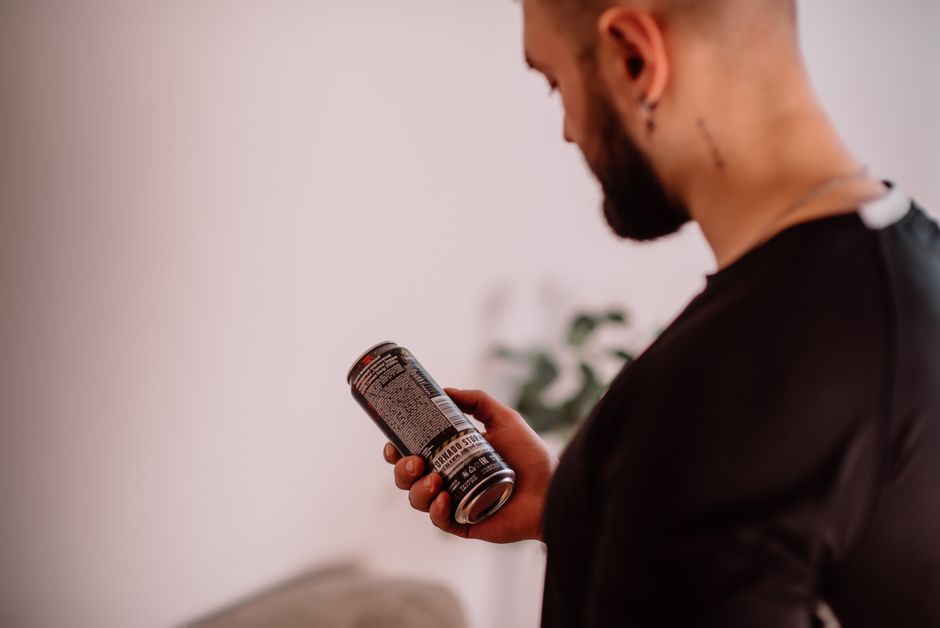
In this article, we’ll explore: Yes Creatine Can Help With StrengthBut Its Wellness Benefits Go Way Beyond The Gym and why it matters today.
Related:
👉 The Silent Struggle: Why Perineal Muscle Strength is the Key to Confidence for Young Mothers in Mangaluru
👉 Why Is It Harder to Conceive with PCOS? New Research Into the Uterine "Welcome Mat"
👉 Yes Creatine Can Help With Strength But Its Wellness Benefits Go Way Beyond The Gym
Learn more: Yes Creatine Can Help With StrengthBut Its Wellness Benefits Go Way Beyond The Gym on Investopedia
If you close your eyes and think of the word “creatine,” what do you see? For most people, the image is pretty specific: a sun-tanned bodybuilder with veins popping out of his arms, scooping white powder into a shaker bottle before hitting a heavy bench press.
For decades, that was the brand. Creatine was the “meathead” supplement. It was for the guys who wanted to get huge, the athletes who wanted to sprint faster, and the gym rats looking for that extra “pump.” And while it’s true that yes creatine can help with strengthbut its wellness benefits go way beyond the gym, we are finally starting to realize that this simple molecule might be one of the most versatile health tools we have—regardless of whether you ever lift a dumbbell.
In this post, we’re going to pull back the curtain on why creatine is becoming the go-to supplement for busy professionals, aging parents, and anyone looking to keep their brain sharp. It’s time to stop thinking of it as just a muscle builder and start seeing it as a total-body wellness essential.
What Exactly Is Creatine, Anyway?
Before we dive into the “why,” let’s talk about the “what.” Creatine isn’t some lab-created chemical or a scary steroid. It’s a naturally occurring compound made of three amino acids: L-arginine, glycine, and L-methionine. Your body actually produces it every day in your liver, kidneys, and pancreas.
You also get it from your diet, specifically from red meat and fish. However, to get the “therapeutic” dose that provides the benefits we’re about to discuss, you’d have to eat several pounds of raw steak a day. That’s why supplementation is so popular.
In the simplest terms, creatine helps your cells create energy. It increases your stores of phosphocreatine, which helps your body produce a high-energy molecule called ATP (Adenosine Triphosphate). Think of ATP as the “currency” of your cells. When you have more currency, your body—and your brain—can “buy” more performance.
The Brain’s Secret Energy Source
This is where things get really interesting. While 95% of your body’s creatine is stored in your muscles, the remaining 5% is found in your brain. And your brain is an absolute energy hog. Even though it only makes up about 2% of your body weight, it consumes about 20% of your daily energy.
Recent research has shown that when we supplement with creatine, we aren’t just fueling our biceps; we are fueling our neurons. Here is how that translates to real life:
1. Improved Mental Clarity and Focus
Have you ever had that 3:00 PM “brain fog” where you’re staring at an email and can’t seem to find the right words? Or perhaps you’re a student trying to cram for an exam and your brain feels like a browser with too many tabs open. Creatine helps maintain ATP levels in the brain, which can improve cognitive processing speed and working memory.
2. Support During Sleep Deprivation
We’ve all been there—a crying newborn, a late-night work deadline, or just a bad case of insomnia. When you’re sleep-deprived, your brain’s energy levels plummet. Studies have shown that creatine supplementation can help people perform better on complex tasks even when they haven’t had enough sleep. It’s not a replacement for a good night’s rest, but it’s a powerful safety net.
3. Neuroprotection and Long-Term Health
There is emerging evidence that creatine may play a role in protecting the brain from neurodegenerative diseases. By keeping energy levels stable and reducing oxidative stress, it may help maintain brain health as we age. Researchers are currently looking into its effects on everything from Parkinson’s to Alzheimer’s.
The Longevity Molecule: Aging Gracefully
As we get older, our bodies change. We start to lose muscle mass (a condition called sarcopenia) and our bone density begins to drop. This isn’t just about aesthetics; it’s about independence. Being able to get out of a chair, carry groceries, or play with grandkids requires strength.
Yes creatine can help with strengthbut its wellness benefits go way beyond the gym when it comes to the aging population. It’s not about getting “jacked”; it’s about staying functional.
- Preserving Muscle: Creatine helps seniors retain the muscle they have, which reduces the risk of falls and fractures.
- Bone Health: Some studies suggest that when combined with light resistance training, creatine can help increase bone mineral density, which is crucial for preventing osteoporosis.
- Metabolic Health: There is some evidence that creatine can help improve glucose tolerance, which may help in managing blood sugar levels—a key factor in long-term metabolic wellness.
A Real-World Example: Sarah’s Story
Let’s look at a “non-athlete” example. Sarah is a 42-year-old marketing executive and a mother of two. She doesn’t have time for two-hour gym sessions. She does 20 minutes of yoga in the morning and walks the dog in the evening. She started taking 5 grams of creatine daily because she heard it might help with her persistent fatigue.
After three weeks, she didn’t suddenly grow huge muscles. Instead, she noticed that she didn’t need a second pot of coffee at noon. She felt “sharper” during her afternoon presentations. When she did her yoga, she felt a little more stable and “present.” For Sarah, creatine wasn’t a sports supplement; it was a “life supplement.”
Mood and Mental Well-being
The connection between physical energy and mental health is profound. When your cells are struggling to produce energy, you feel sluggish, unmotivated, and “low.” While it is not a cure for clinical depression, some studies have shown that creatine can act as an effective “add-on” therapy for people dealing with mood disorders.
By supporting the brain’s energy metabolism, creatine may help improve the effectiveness of certain antidepressants and provide a subtle lift in overall mood and resilience. It’s another example of how this supplement bridges the gap between the physical and the mental.
Addressing the Common Myths
Despite all these benefits, some people are still hesitant to try creatine. Let’s clear the air on a few common misconceptions:
“Will it make me look bloated?”
Creatine does draw water into the cells, but it draws it into the muscle cells, not under the skin. This can actually make your muscles look more hydrated and healthy, not “puffy.” Most people don’t notice a visible difference in their appearance other than looking slightly more “toned.”
“Is it bad for my kidneys?”
This is the most persistent myth. For healthy individuals with no pre-existing kidney conditions, hundreds of studies have shown that long-term creatine use is perfectly safe. It is one of the most researched supplements in the world.
“Is it only for men?”
Absolutely not. In fact, women may benefit from creatine even more than men, especially during different phases of the menstrual cycle or during menopause, when hormonal shifts can affect energy levels and muscle mass.
How to Incorporate Creatine Into Your Wellness Routine
If you’re ready to see how creatine can help you beyond the gym, here is the simplest way to start:
- Choose Creatine Monohydrate: Don’t get distracted by fancy, expensive versions like “HCL” or “Buffered.” Plain old Creatine Monohydrate is the most researched and the most effective.
- The Dosage: You don’t need a “loading phase.” Just take 3 to 5 grams (usually one small scoop) per day.
- Consistency is Key: Creatine works by saturating your cells over time. It doesn’t matter what time of day you take it, as long as you take it every day. Mix it in your morning coffee, your smoothie, or just a glass of water.
- Stay Hydrated: Since creatine pulls water into your cells, make sure you’re drinking enough water throughout the day.
Key Takeaways
- More Than Muscle: Creatine is an energy-booster for your brain, not just your body.
- Cognitive Support: It can help with focus, memory, and mental fatigue, especially when you’re short on sleep.
- Healthy Aging: It’s a vital tool for maintaining muscle and bone health as we get older.
- Safety First: It is one of the safest and most well-studied supplements on the market.
- Universal Appeal: From busy moms to retirees, almost everyone can find a reason to benefit from creatine.
FAQ Section
Does creatine cause hair loss?
There is no strong scientific evidence linking creatine to hair loss. This myth started from one small study on rugby players that showed an increase in a hormone called DHT, but it has never been replicated or directly linked to thinning hair.
Can I take creatine if I’m a vegetarian or vegan?
Yes! In fact, vegetarians and vegans often see the most dramatic benefits from creatine because they don’t get any through their diet (as it’s found in meat). It can be a game-changer for energy levels in plant-based eaters.
How long does it take to feel the benefits?
It usually takes about 2 to 4 weeks of consistent daily use to fully saturate your muscles and brain and start noticing the wellness benefits.
Is it okay to take creatine every day forever?
Many people do. Long-term studies (up to 5 years) have shown no adverse effects in healthy individuals. However, it’s always a good idea to check with your doctor before starting any new supplement routine.
Conclusion
It’s time to change the narrative. Yes creatine can help with strengthbut its wellness benefits go way beyond the gym. Whether you want to be more productive at work, stay active as you age, or just have enough energy to get through a long day, creatine is a simple, safe, and affordable tool that can help you get there.
You don’t have to be a bodybuilder to want a better-functioning brain and a more resilient body. So, the next time you see that tub of white powder, don’t think of the gym—think of your total-body wellness.
Written with love and assistance and refined for quality.
🔗 Related: Women with polycystic ovary syndrome exhibit…
🔗 Related: BcozSheMatters: WHO Health Ministry roll out…
🔗 Related: A perfect storm for bone loss…