In this article, we’ll explore: Yes Creatine Can Help With StrengthBut Its Wellness Benefits Go Way Beyond The Gym and why it matters today.
Related:
👉 Why Her Health is the Heart of Everything: A Deep Dive into the BcozSheMatters Campaign
👉 The Science of Why PCOS Makes Pregnancy Difficult: Understanding ER Stress and Histone Lactylation
👉 Yes Creatine Can Help With Strength But Its Wellness Benefits Go Way Beyond The Gym
Learn more: Yes Creatine Can Help With StrengthBut Its Wellness Benefits Go Way Beyond The Gym on Google Search
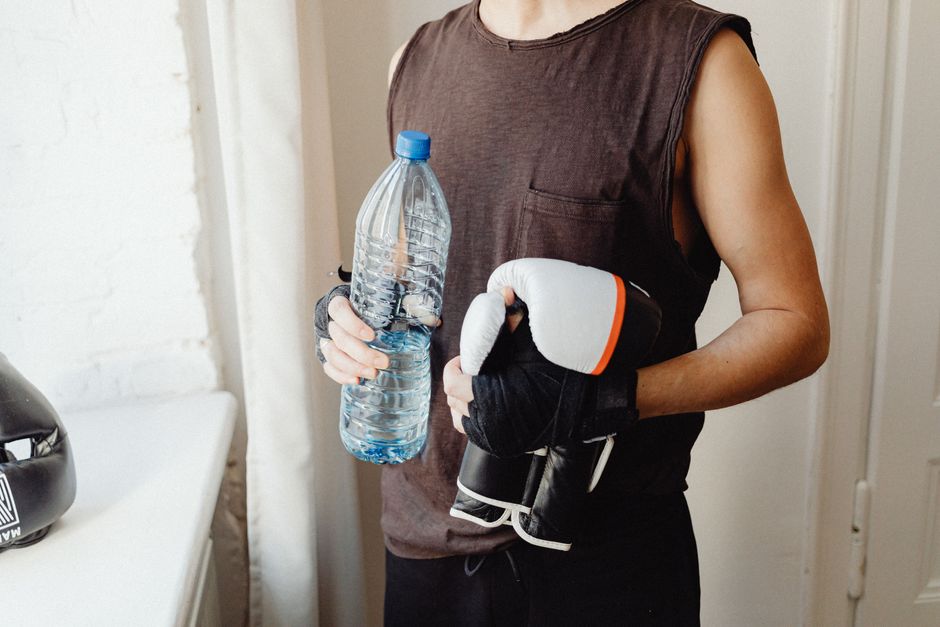
If you close your eyes and think of the word “creatine,” what do you see? For most people, the image is pretty specific: a sweaty, muscular person in a tank top, probably slamming a protein shake in a dark gym. For decades, creatine has been pigeonholed as the “meathead supplement.” It was something you took if you wanted to bench press a small car or get “swole” for beach season.
But here is the truth that scientists have known for years, and the rest of us are finally catching up on: creatine isn’t just for your biceps. It is for your brain. It is for your bones. It is for your mood, your aging parents, and even your midday focus at work.
Yes, creatine can help with strength but its wellness benefits go way beyond the gym. In this post, we are going to peel back the layers of this misunderstood molecule and look at why it might be the most underrated wellness tool in your cabinet—even if you never pick up a dumbbell.
What Exactly Is Creatine, Anyway?
Before we dive into the “why,” let’s talk about the “what.” Creatine is a naturally occurring compound found in your muscle cells. It helps your muscles produce energy during heavy lifting or high-intensity exercise. Your body actually makes it naturally (in the liver and kidneys), and you get it from foods like red meat and fish.
Think of creatine like a backup battery for your cells. When your body needs energy—specifically a type of energy called ATP—it burns through its stores quickly. Creatine steps in to “recharge” that battery, allowing you to keep going for just a little bit longer. While we usually talk about this in the context of sprinting or lifting, every cell in your body needs energy to function. That includes your brain cells.
The Brain Boost: Focus and Mental Clarity
Have you ever had “brain fog”? That feeling where you’re staring at a computer screen and the words just won’t compute? It turns out, your brain is an energy hog. Despite only making up about 2% of your body weight, it consumes about 20% of your daily energy.
Research has shown that supplementing with creatine can help the brain maintain its energy levels during demanding tasks. This isn’t just about being “smart”; it’s about resilience.
Improving Memory and Processing Speed
Studies have indicated that creatine can improve short-term memory and reasoning skills, particularly in people who are stressed or sleep-deprived. If you are a parent of a newborn or a student pulling an all-nighter, creatine might be more effective for your brain than that fourth cup of coffee.
The Vegetarian and Vegan Advantage
Since creatine is primarily found in meat, vegetarians and vegans often have lower baseline levels in their systems. When these groups supplement with creatine, the cognitive jumps are often even more dramatic. It’s like finally giving a thirsty plant some water; the brain just seems to “perk up.”
Creatine for Healthy Aging
As we get older, we face two major “silent” enemies: sarcopenia (muscle loss) and osteopenia (bone density loss). This is where the narrative shifts from “looking good” to “living well.”
Sarcopenia is the natural loss of muscle mass that happens as we age. It’s the reason why a fall at age 80 is much more dangerous than a fall at age 20. By helping maintain muscle fibers, creatine allows older adults to stay mobile, independent, and strong enough to perform daily tasks like carrying groceries or getting out of a chair.
But it doesn’t stop at muscles. Emerging research suggests that creatine, when paired with even light resistance training, can help improve bone mineral density. This is a game-changer for post-menopausal women, who are at a higher risk for osteoporosis.
Mood and Mental Health: A New Frontier
This is perhaps the most exciting area of new research. While we shouldn’t call creatine a “cure” for mental health struggles, there is a growing body of evidence suggesting it plays a role in mood regulation.
Some studies have found that creatine supplementation can enhance the effectiveness of antidepressants. The theory is that by improving the energy metabolism in the brain, creatine helps the brain’s “wiring” function more efficiently, which can be a huge help for those struggling with major depressive disorder or anxiety.
Imagine your brain’s mood-regulating centers are like a factory. If the factory has a power outage (low energy), it doesn’t matter how good the workers (neurotransmitters) are; the job won’t get done. Creatine helps keep the lights on.
Women’s Health and Hormonal Balance
For a long time, women avoided creatine because they were told it would make them “bulky” or “bloated.” This is a myth that needs to die. In fact, women may benefit from creatine even more than men do.
Throughout the menstrual cycle, a woman’s creatine levels fluctuate. During the luteal phase (the time before your period), creatine levels can drop. Supplementing can help mitigate the fatigue and “flat” feeling many women experience during this time.
Furthermore, during pregnancy and menopause—times when the body is under significant physiological stress—creatine can support both the mother’s energy levels and potentially even fetal development (though you should always talk to a doctor first in those cases).
Real-World Examples: It’s Not Just for Bodybuilders
- The Office Professional: Sarah is a 35-year-old manager who doesn’t lift weights but deals with high-stress deadlines. She started taking 3g of creatine daily and noticed she doesn’t hit that 3:00 PM “slump” as hard as she used to.
- The Active Grandma: 70-year-old Margaret takes creatine to help her keep up with her grandkids. It helps her maintain the leg strength needed to play at the park without getting exhausted.
- The Plant-Based Athlete: Mark is a vegan marathon runner. He uses creatine not to get “big,” but to help his muscles recover faster and keep his brain sharp during the “wall” at mile 20.
Common Myths Debunked
If creatine is so great, why does it have a bad reputation? Let’s clear the air.
“It will hurt my kidneys.”
In healthy individuals, there is zero evidence that standard doses of creatine cause kidney damage. This myth comes from a misunderstanding of “creatinine” (a waste product) levels in blood tests. If you have pre-existing kidney disease, talk to a doctor, but for the general population, it is one of the most tested and safest supplements on the planet.
“I’ll gain 10 pounds of fat.”
Creatine does not cause fat gain. It can cause some water retention inside the muscle cells, which might make the scale go up a pound or two, but this is actually a good thing. Hydrated muscles look fuller and perform better. It is not the same as the “bloating” you get from eating too much salt.
“I’ll lose my hair.”
There was one single study years ago that suggested a link between creatine and an increase in DHT (a hormone linked to hair loss). However, that study has never been replicated, and dozens of other studies have found no link between creatine and balding. If you aren’t genetically predisposed to hair loss, creatine isn’t going to change that.
How to Use Creatine for General Wellness
You don’t need a complicated “loading phase” or fancy colored powders. Here is the simple, human-friendly way to do it:
- Choose Creatine Monohydrate: It is the most researched, cheapest, and most effective form. Don’t fall for “HCL” or “Buffered” versions that cost triple the price.
- Take 3-5 Grams Daily: That is about one teaspoon. You don’t need more than that.
- Consistency is Key: Creatine works by saturating your cells over time. It doesn’t matter when you take it (morning or night), just that you take it every day.
- Mix it with anything: Put it in your coffee, your morning smoothie, or just a glass of water. It’s virtually tasteless.
Key Takeaways
- Strength is just the beginning: While it’s great for the gym, creatine is a total-body wellness supplement.
- Brain Power: It supports cognitive function, memory, and mental resilience under stress.
- Healthy Aging: It is a vital tool for maintaining muscle mass and bone density as we get older.
- Safe and Effective: It is one of the most studied supplements in history with a stellar safety profile.
- Universal Benefit: From vegans to seniors to busy professionals, almost everyone can benefit from a small daily dose.
Frequently Asked Questions
Does creatine make you puffy?
For most people, no. Any water retention is intracellular (inside the muscle), which usually makes you look more toned, not “puffy.” If you do feel bloated, try lowering the dose to 3 grams and ensuring you drink plenty of water.
Can I take creatine if I don’t exercise?
Absolutely. While the physical benefits are maximized with exercise, the cognitive and cellular energy benefits work regardless of whether you hit the gym or not.
Is it okay for teenagers or the elderly?
Yes, research shows it is safe for both. In teenagers, it’s often used for sports performance, and in the elderly, it’s used for brain health and fall prevention. As always, consult a pediatrician or GP first.
How long does it take to see benefits?
It usually takes about 2 to 4 weeks of consistent daily use for your levels to reach “saturation.” You won’t feel it instantly like caffeine; it’s a gradual improvement in your overall energy baseline.
In the end, we need to stop thinking of creatine as a “gym supplement” and start thinking of it as an “energy supplement.” Whether you want to set a personal best in a squat or just want to remember where you put your keys and feel a little less tired by Thursday afternoon, creatine has your back. Yes creatine can help with strength but its wellness benefits go way beyond the gym—it’s time we started treating it like the multi-purpose powerhouse it really is.
Written with love and assistance and refined for quality.
🔗 Related: Women with polycystic ovary syndrome exhibit…
🔗 Related: BcozSheMatters: WHO Health Ministry roll out…
🔗 Related: A perfect storm for bone loss…