In this article, we’ll explore: Yes Creatine Can Help With StrengthBut Its Wellness Benefits Go Way Beyond The Gym and why it matters today.
Related:
👉 Why Perineal Muscle Strength is the Secret Predictor of Stress Urinary Incontinence Among Young Parous Women in Mangaluru, India
👉 Why It’s Harder for the Embryo to Stick: Understanding PCOS, ER Stress, and Histone Lactylation
👉 Beyond the Bench Press: Why Creatine is the Secret Wellness Weapon You’re Overlooking
Learn more: Yes Creatine Can Help With StrengthBut Its Wellness Benefits Go Way Beyond The Gym on Google Search
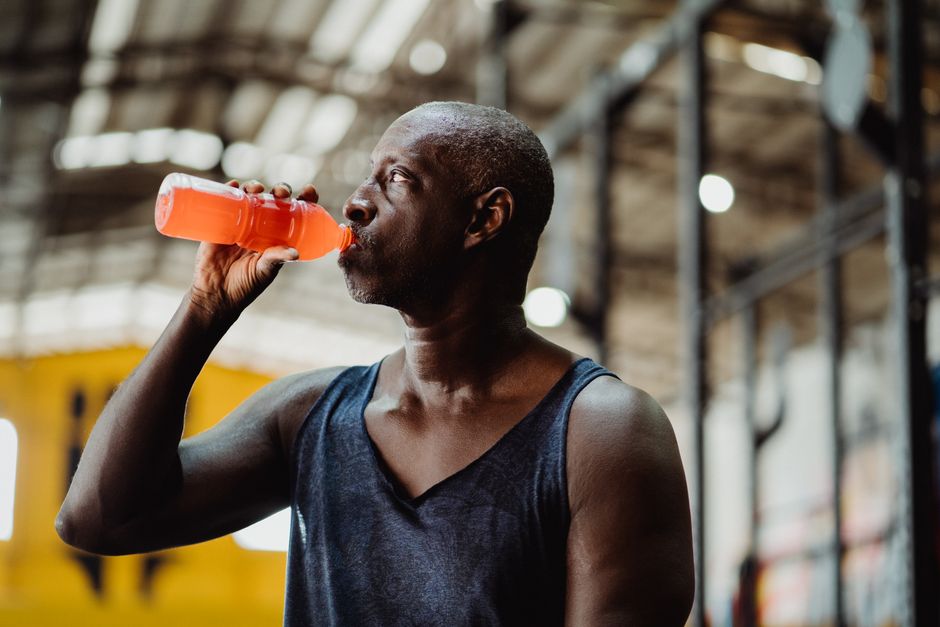
If you close your eyes and think of the word “creatine,” what do you see? For most people, the image is pretty specific: a sweaty, muscular guy in a tank top, shaking a plastic bottle full of white powder before hitting a heavy bench press. For decades, creatine has been pigeonholed as the ultimate “meathead” supplement—something reserved strictly for bodybuilders and elite athletes looking to pack on size.
And look, the reputation isn’t wrong. Yes Creatine Can Help With StrengthBut Its Wellness Benefits Go Way Beyond The Gym. While it is arguably the most researched and effective supplement for building muscle, science is now showing us that creatine is much more than a fitness tool. It’s a cellular energy booster that affects your brain, your bones, and even how you age.
In this post, we’re going to peel back the curtain on why everyone—from busy grandmothers to high-performing CEOs—might want to consider this “gym supplement” as a staple in their daily wellness routine.
What Exactly Is Creatine, Anyway?
Before we dive into the “why,” let’s talk about the “what.” Despite the scary-sounding name, creatine isn’t a steroid or a synthetic chemical made in a lab to trick your muscles. It’s a naturally occurring compound made of three amino acids: L-arginine, glycine, and L-methionine.
Your body actually produces it every single day in your liver and kidneys. You also get it from food, specifically red meat and fish. It’s stored in your muscles and your brain as phosphocreatine. Think of it as a backup battery for your cells. When you need a quick burst of energy—whether that’s lifting a heavy box or trying to remember where you parked your car—your body taps into that creatine store to keep things running smoothly.
The Brain Power Boost: Sharper Thinking and Better Focus
We often forget that the brain is the most energy-demanding organ in the body. Even though it only accounts for about 2% of your body weight, it consumes roughly 20% of your total energy. Just like your biceps need energy to flex, your neurons need energy to fire.
Mental Fatigue and Sleep Deprivation
Have you ever had one of those days where you’ve only slept four hours, and your brain feels like it’s wrapped in cotton wool? This is where creatine shines. Research has shown that creatine supplementation can significantly improve cognitive performance in people who are sleep-deprived. It helps maintain ATP (the body’s energy currency) levels in the brain, allowing you to stay sharper even when you’re running on fumes.
Memory and Processing Speed
In several studies, particularly among older adults and vegetarians (who often have lower natural creatine stores), supplementation has been linked to better short-term memory and quicker reaction times. It’s like giving your brain’s processor an upgrade. Instead of lagging when you’re trying to solve a complex problem, your brain has the “fuel” it needs to stay on task.
Aging Gracefully: More Than Just “Strong”
As we get older, our bodies undergo a process called sarcopenia—the natural loss of muscle mass and strength. While this sounds like a “gym problem,” it’s actually a major wellness concern. Losing muscle leads to frailty, loss of independence, and an increased risk of falls.
Protecting Your Bones
Interestingly, creatine doesn’t just help the muscle; it seems to have a positive effect on bone mineral density. When combined with light resistance training, creatine helps slow down bone loss. For post-menopausal women or aging men, this can be the difference between a minor trip and a life-changing hip fracture.
Real-World Example: The “Active Senior”
Imagine a woman in her 70s named Martha. Martha doesn’t want to look like a bodybuilder. She just wants to be able to garden, carry her own groceries, and play with her grandkids on the floor. By taking a small daily dose of creatine, Martha is supporting her muscle “reserve.” She’s not just getting stronger; she’s maintaining her freedom and quality of life.
Mood and Mental Health: A New Frontier
This is one of the most exciting areas of modern research. Scientists are starting to look at the link between brain energy metabolism and mood disorders like depression and anxiety. Since creatine plays such a vital role in how the brain manages energy, it makes sense that it could impact how we feel.
Some clinical trials have suggested that creatine can work as a “booster” for traditional antidepressant medications. By improving the energy supply to certain parts of the brain, it may help stabilize mood and improve the effectiveness of other treatments. While it’s not a “cure-all” for mental health, it’s a promising piece of the puzzle in holistic wellness.
Metabolic Health and Blood Sugar Support
In a world where Type 2 diabetes and insulin resistance are on the rise, anything that helps manage blood sugar is a win. Some studies suggest that creatine can help lower blood sugar levels by increasing the function of GLUT4, a transporter molecule that brings blood sugar into your muscles.
Instead of that sugar sitting in your bloodstream causing damage, creatine helps “shuttle” it into your muscles to be used as fuel. This doesn’t mean you can eat a box of donuts as long as you take creatine, but it does mean your body becomes more efficient at handling the carbohydrates you do eat.
Common Myths: Let’s Clear the Air
Because creatine has been around the gym scene for so long, it has picked up some “baggage” in the form of myths. Let’s debunk a few of them:
- “It’s bad for your kidneys.” False. For healthy individuals, hundreds of studies have shown that long-term creatine use is perfectly safe. If you have pre-existing kidney disease, always talk to a doctor first, but for the average person, it’s one of the safest supplements on the market.
- “It makes you bloated.” Sort of, but not really. Creatine draws water into your muscle cells, not under your skin. This might cause a slight increase in scale weight, but it actually makes your muscles look more hydrated and healthy, not “puffy.”
- “It causes hair loss.” There is virtually no clinical evidence to support this. One old study showed a slight increase in a hormone called DHT, but it has never been replicated or linked directly to losing hair.
How to Use Creatine for General Wellness
If you’re not trying to win a weightlifting competition, you don’t need to do a “loading phase” or take massive amounts. The goal here is consistency, not intensity.
The “Keep It Simple” Protocol
- Choose Creatine Monohydrate: It’s the most studied, most effective, and cheapest version. Don’t get distracted by fancy “HCL” or “Buffered” versions.
- Take 3-5 Grams Daily: This is about one teaspoon. You can mix it into your morning coffee, a smoothie, or just a glass of water. It’s tasteless and dissolves easily.
- Timing Doesn’t Matter: Unlike caffeine, creatine isn’t a stimulant. You don’t need to take it “before a workout.” Just take it whenever you’re most likely to remember it.
Key Takeaways
- Brain Health: Creatine supports ATP production in the brain, leading to better memory, focus, and resilience against sleep deprivation.
- Anti-Aging: It helps combat muscle loss (sarcopenia) and may support bone density as we age.
- Metabolic Support: It may help with blood sugar regulation and muscle energy efficiency.
- Mood Support: Emerging research suggests a positive link between creatine and mental health stability.
- Safety: It is one of the most widely tested supplements in history with an incredible safety profile.
FAQ Section
Is creatine safe for women?
Absolutely. In fact, many experts argue that women may benefit from creatine even more than men, particularly regarding bone health and hormonal changes during menopause. It will not make you “bulky” unless you are also lifting extremely heavy weights and eating a massive caloric surplus.
Do I need to cycle off creatine?
No. There is no need to stop and start. Your body does not build a tolerance to it, and taking it consistently is the best way to keep your cellular “batteries” charged.
Can I get enough creatine from food?
It’s difficult. To get 5 grams of creatine, you’d need to eat about two pounds of raw beef every day. Supplementation is simply a more practical and cost-effective way to get the benefits.
Does it work if I don’t exercise?
Yes. While exercise enhances the effects (especially for muscle and bone health), the cognitive and cellular benefits still apply even if you aren’t a regular gym-goer. However, movement of any kind is always recommended for general wellness!
Final Thoughts
It’s time we stop looking at creatine as just a “muscle builder.” While Yes Creatine Can Help With StrengthBut Its Wellness Benefits Go Way Beyond The Gym, its true value lies in its ability to support the human body as a whole. Whether you want to stay sharp during a long workday, protect your body as you age, or just have a bit more “get up and go,” creatine is a science-backed, affordable, and safe tool to add to your kit.
Wellness isn’t just about how you look in the mirror; it’s about how your cells function, how your brain processes information, and how you feel when you wake up in the morning. Creatine is one of the few supplements that checks all those boxes.
Written with love and assistance and refined for quality.
🔗 Related: Perineal muscle strength as a predictor…
🔗 Related: Yes Creatine Can Help With StrengthBut…