In this article, we’ll explore: 8 Foods To Avoid With an Upset Stomachand What To Eat Instead and why it matters today.
Related:
👉 The Hidden Story of PCOS: Unraveling Impaired Endometrial Receptivity, Excessive ER, and Histone Lactylation
👉 Tummy Troubles? Discover the 8 Foods To Avoid With an Upset Stomach and What To Eat Instead for Soothing Comfort
👉 Unpacking the Invisible Blueprint: How Hormones Shape Women's Vulnerability to Traumatic Stress
Recommended product: 8 Foods To Avoid With an Upset Stomachand What To Eat Instead on Clickbank
Learn more: 8 Foods To Avoid With an Upset Stomachand What To Eat Instead on Investopedia
We’ve all been there. That familiar gurgle, the uncomfortable cramping, the sudden wave of nausea. An upset stomach isn’t just a minor inconvenience; it can throw your whole day off, leaving you feeling miserable and unproductive. When your tummy is doing its own rendition of a heavy metal concert, the last thing you want to do is make it worse. But often, in our quest for comfort, we might accidentally reach for foods that actually prolong our misery.
It’s like trying to put out a fire with gasoline. You mean well, but the results are disastrous. Understanding what fuels your stomach’s rebellion and what soothes it is key to getting back on track faster. That’s why we’re diving deep into the topic of **8 foods to avoid with an upset stomach and what to eat instead**, offering you a clear roadmap to digestive peace. Forget the robotic, bland advice; we’re talking real-life tips, simple swaps, and a little bit of storytelling to help you navigate those tricky tummy times.
Let’s get your digestive system back to feeling like a peaceful, purring kitten rather than a roaring lion!
The Culprits: 8 Foods to Steer Clear Of When Your Stomach Is Grumbling
When your stomach is already fragile, certain foods can act like an unwelcome guest, causing more inflammation, gas, or irritation. Here are the top offenders:
1. Spicy Foods
Imagine you’ve got a paper cut on your finger. Now, imagine pouring hot sauce on it. That’s essentially what spicy foods do to an already irritated stomach lining. Capsaicin, the compound that gives chilies their kick, can stimulate pain receptors in your digestive tract, leading to heartburn, indigestion, and even diarrhea, especially if you’re not used to it. Your stomach is already working overtime to deal with whatever’s causing the upset; adding more heat just makes its job harder and more painful.
**What to Eat Instead:** Think bland and soothing. Opt for plain, cooked chicken or fish, steamed rice, or baked potatoes. These foods are gentle on the stomach and easy to digest, giving your system a much-needed break.
2. Fatty and Fried Foods
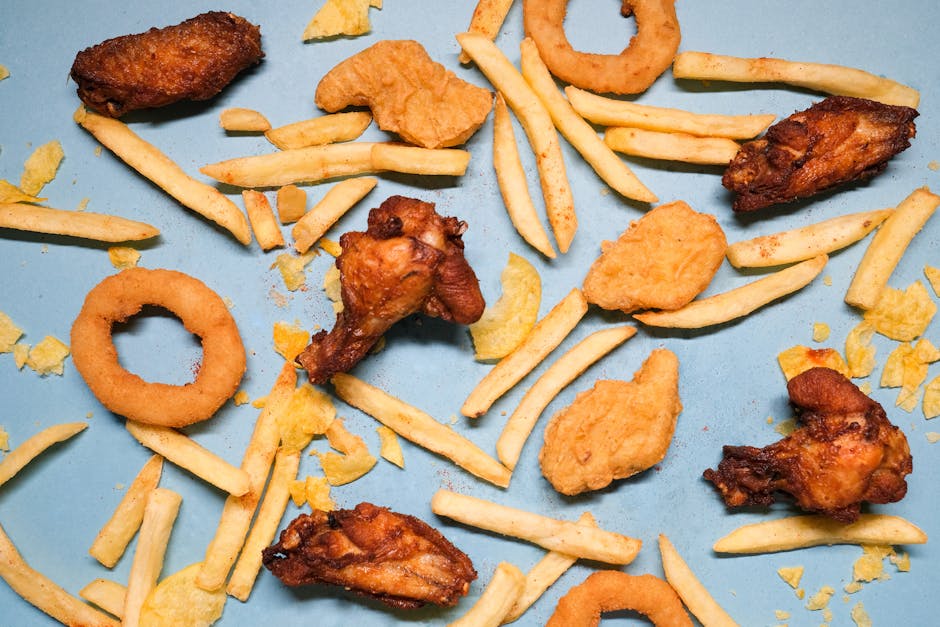
Ah, the allure of crispy fries or a greasy burger. Delicious, yes, but a definite no-go when your stomach is upset. Foods high in fat take a long time to digest. They sit in your stomach longer, forcing your digestive system to work harder, which can exacerbate nausea, bloating, and even lead to reflux. Think of it like trying to run a marathon with a heavy backpack – your body is already struggling, and adding more weight just slows it down and makes it more painful.
**What to Eat Instead:** Focus on lean proteins and complex carbohydrates. Boiled or grilled chicken breast, toast, oatmeal, or plain crackers are excellent choices. They provide energy without overwhelming your digestive system.
3. Dairy Products (Especially for the Lactose Intolerant)
While dairy can be a great source of calcium, it’s often a troublemaker for an upset stomach. Lactose, the sugar found in milk and other dairy products, can be difficult for many people to digest, especially when their gut is already compromised. Even if you don’t typically have full-blown lactose intolerance, an upset stomach can temporarily reduce your body’s ability to produce lactase, the enzyme needed to break down lactose. This can lead to gas, bloating, cramps, and diarrhea.
**What to Eat Instead:** If you suspect dairy is an issue, try lactose-free alternatives like almond milk or oat milk. Small amounts of plain, unsweetened yogurt with live cultures might be tolerated by some, as the probiotics can actually help, but proceed with caution. Otherwise, stick to water, herbal teas, or clear broths.
4. Acidic Foods (Citrus Fruits, Tomatoes, Coffee)
When your stomach lining is inflamed or irritated, introducing highly acidic foods is like pouring salt on a wound. Citrus fruits like oranges and grapefruits, tomatoes (and tomato-based sauces), and even coffee can increase stomach acid production, leading to heartburn, indigestion, and general discomfort. Imagine having a sensitive cut; you wouldn’t want to rub lemon juice on it, right? Same principle applies to your stomach.
**What to Eat Instead:** Go for low-acid fruits like bananas or melons. Instead of coffee, try soothing ginger tea or peppermint tea, both known for their stomach-calming properties. For a gentle vegetable, try cooked carrots or green beans.
5. Caffeine
We just touched on coffee, but it’s worth a dedicated mention. Caffeine is a stimulant, and while it might give you a jolt of energy, it also stimulates your digestive tract. This can lead to increased stomach acid production and can even act as a laxative, potentially worsening diarrhea or stomach cramps. If your stomach is already in turmoil, adding a stimulant to the mix is rarely a good idea.
**What to Eat Instead:** Hydration is key! Sip on water, clear broths, or decaffeinated herbal teas like chamomile or ginger tea. These help to rehydrate your body and can provide a calming effect without the digestive downsides of caffeine.
6. Alcohol
This one might seem obvious, but it’s often overlooked when we’re feeling “off.” Alcohol is a known irritant to the stomach lining. It can increase stomach acid, cause inflammation, and disrupt the normal digestive process. Even a small amount can dehydrate you and exacerbate nausea or diarrhea. Think of your stomach as needing a gentle hug, not a fiery shot.
**What to Eat Instead:** Seriously, stick to water. Electrolyte-rich drinks (like diluted sports drinks or oral rehydration solutions) can also be helpful, especially if you’ve been experiencing vomiting or diarrhea, to replenish lost fluids and minerals.
7. Highly Processed and Sugary Foods
Candy, pastries, sodas, and many packaged snacks are loaded with refined sugars, artificial sweeteners, and unhealthy fats. These ingredients can disrupt the delicate balance of your gut bacteria, leading to gas, bloating, and further inflammation. Sugar, in particular, can feed “bad” bacteria in your gut, exacerbating digestive issues. Your body has to work hard to process these empty calories, diverting energy from healing.
**What to Eat Instead:** When your stomach is upset, simplicity is best. Opt for plain toast, rice cakes, or the classic BRAT diet staples: bananas, rice, applesauce, and toast. These are easy to digest and provide some essential nutrients without causing further irritation.
8. Raw, High-Fiber Vegetables and Legumes
While fiber is generally fantastic for digestive health, when your stomach is upset, raw, high-fiber vegetables (like broccoli, cauliflower, or raw leafy greens) and legumes (beans, lentils) can be too much to handle. Their complex fibers require a lot of digestive effort and can produce a significant amount of gas and bloating, making an already tender stomach feel even worse. It’s like asking your already sprained ankle to run a marathon – it’s just not ready for that kind of work.
**What to Eat Instead:** Choose cooked, low-fiber vegetables such as well-cooked carrots, boiled potatoes (skin removed), or peeled zucchini. These are much easier for your compromised digestive system to process, offering nutrients without the gaseous side effects.
Key Takeaways for a Calmer Tummy
When your stomach is in distress, remember these principles:
- **Bland is Best:** Opt for foods that are mild in flavor and easy to digest.
- **Hydration is Crucial:** Sip on water, clear broths, and herbal teas to prevent dehydration.
- **Listen to Your Body:** Pay attention to how different foods make you feel. What works for one person might not work for another.
- **Small, Frequent Meals:** Instead of large meals, try eating smaller portions more often to avoid overloading your digestive system.
- **Cooked Over Raw:** Cooked foods are generally easier to digest than raw ones during an upset stomach.
Frequently Asked Questions About Upset Stomachs and Food
Q1: How long should I stick to a bland diet after an upset stomach?
It depends on the severity and cause of your upset stomach. Generally, it’s a good idea to stick to a bland diet for 24-48 hours after your symptoms subside. Then, gradually reintroduce your regular foods, one at a time, to see how your body reacts. If symptoms return, you might need to stay on the bland diet a little longer or consult a doctor.
Q2: Can I drink ginger ale for an upset stomach?
While ginger is known for its anti-nausea properties, many commercial ginger ales contain very little actual ginger and are loaded with sugar and artificial ingredients, which can worsen your stomach issues. A better choice is to make your own ginger tea by steeping fresh ginger slices in hot water or opt for a ginger chew with real ginger extract.
Q3: When should I see a doctor for an upset stomach?
If your upset stomach is accompanied by severe pain, high fever, bloody or black stools, persistent vomiting (especially if you can’t keep fluids down), signs of dehydration, or if symptoms last for more than a few days, it’s crucial to seek medical attention immediately. These could be signs of a more serious underlying condition.
Q4: Are probiotics helpful for an upset stomach?
Yes, probiotics (beneficial bacteria) can be very helpful, especially after a bout of diarrhea or if your stomach upset is related to an imbalance in gut flora. They can help restore healthy bacteria in your gut. However, it’s best to introduce them gently, perhaps through plain yogurt or a high-quality supplement, and consult your doctor or pharmacist for advice on the best type and dosage.
Finding Your Path to Digestive Comfort
Navigating an upset stomach can feel like walking through a minefield, especially when it comes to food choices. But by understanding which **8 foods to avoid with an upset stomach and what to eat instead**, you’re empowering yourself to make smart, soothing decisions. Remember, your body is incredibly resilient, and with a little care and the right fuel, it will bounce back. So, next time your tummy starts to rumble, skip the usual suspects and reach for comfort that truly heals. Your gut will thank you!
Written with love and assistance and refined for quality.
{“@context”:”https://schema.org”,”@type”:”Article”,”headline”:”Your Guide to a Happier Tummy: 8 Foods To Avoid With an Upset Stomach and What To Eat Instead”,”description”:”In this article, weu2019ll explore: 8 Foods To Avoid With an Upset Stomachand What To Eat Instead and why it…”,”author”:{“@type”:”Person”,”name”:”Dr. Cuterus”},”datePublished”:”2026-05-17T14:12:15+00:00″,”dateModified”:”2026-05-17T14:12:15+00:00″,”mainEntityOfPage”:”https://healthyworldz.com/your-guide-to-a-happier-tummy-8-foods-to-avoid-with-an-upset-stomach-and-what-to-eat-instead/”,”image”:[“https://healthyworldz.com/wp-content/uploads/2026/05/8-foods-to-avoid-with-an-upset-stomachand-what-to-eat-instead-75.jpg”]}
🔗 Related: Women with polycystic ovary syndrome exhibit…
🔗 Related: Hormonal mechanisms of womens risk in…
🔗 Related: Hormonal mechanisms of womens risk in…