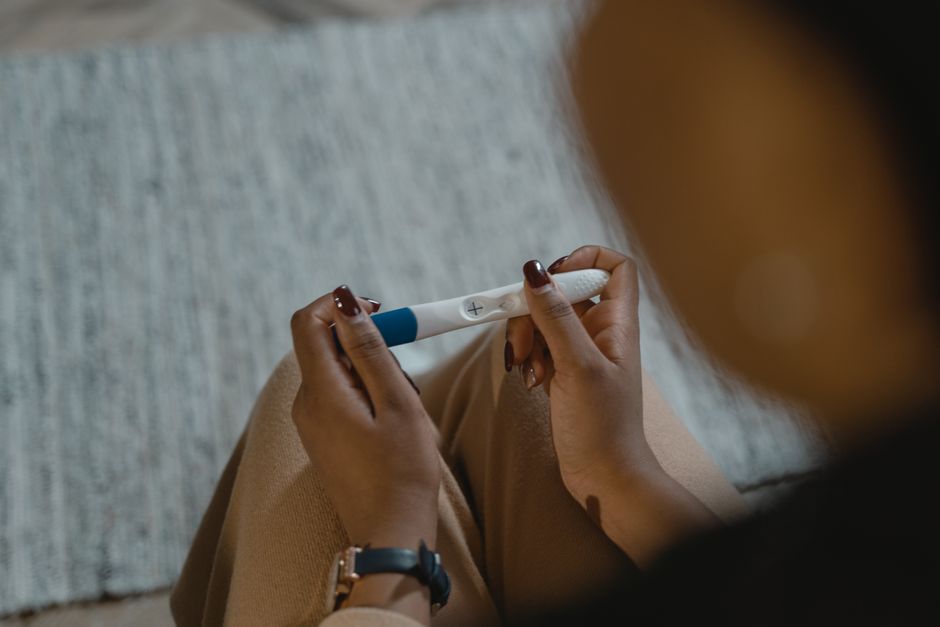
In this article, we’ll explore: Women with polycystic ovary syndrome exhibit impaired endometrial receptivity with excessive ER and histone lactylation and why it matters today.
Related:
👉 Why Getting Pregnant with PCOS is So Hard: The New Science of Endometrial Receptivity
👉 Why Postpartum Leaks Aren’t Just "Part of Being a Mom": Understanding Perineal Muscle Strength in Mangaluru
👉 The Silent Struggle: Understanding Perineal Muscle Strength and Bladder Control Among Young Mothers in Mangaluru
If you have ever been on a journey to conceive while living with Polycystic Ovary Syndrome (PCOS), you know it feels like a constant uphill battle. You track your cycles, you manage your diet, and you navigate the emotional rollercoaster of “maybe this month.” For a long time, the conversation around PCOS and fertility focused almost entirely on the ovaries—the “Polycystic” part of the name. We talked about irregular ovulation and egg quality. But what if the problem wasn’t just the “seed,” but also the “soil”?
Recent scientific breakthroughs have shed light on a deeper layer of the puzzle. We now know that women with polycystic ovary syndrome exhibit impaired endometrial receptivity with excessive ER and histone lactylation. I know that sounds like a mouthful of medical jargon, but it is actually a revolutionary discovery that explains why many women with PCOS struggle to get pregnant even when they are ovulating perfectly.
In this post, we are going to break down this complex science into plain English. We’ll look at why the lining of the womb might not be “listening” to the embryo and how metabolic changes deep inside your cells are playing a role.
The “Soil” Problem: What is Endometrial Receptivity?
Imagine you are a gardener. You have a perfect, high-quality seed. You plant it in the ground, you water it, and you wait. But nothing happens. Why? Because the soil wasn’t ready. It was either too hard, too dry, or lacked the right nutrients to let that seed take root.
In the world of human fertility, the “soil” is your endometrium—the lining of your uterus. Endometrial receptivity is the very short window of time (usually just a few days in your cycle) when the lining is perfectly “sticky” and welcoming for an embryo to implant.
For many women with PCOS, this window doesn’t open correctly. Even if an egg is fertilized, it can’t find a place to land and grow. This is what doctors mean when they say “impaired receptivity.”
The Hidden Culprits: ER Stress and Histone Lactylation
So, why is the soil in PCOS patients often unreceptive? New research points to two main villains: Endoplasmic Reticulum (ER) stress and a process called histone lactylation. Let’s look at these through a simpler lens.
1. The Overworked Factory (ER Stress)
Every cell in your body has a tiny organelle called the Endoplasmic Reticulum (ER). Think of the ER as a factory that folds and packages proteins. When everything is running smoothly, the factory sends out perfectly folded proteins that help your uterine lining prepare for a baby.
However, in women with PCOS, this factory is often under massive stress. High levels of insulin and inflammation (common in PCOS) cause the factory to “overheat.” Instead of producing helpful proteins, the ER starts churning out “misfolded” or broken ones. This state of “excessive ER stress” sends a signal to the rest of the cell that something is wrong. As a result, the uterine lining becomes inflamed and hostile rather than welcoming to an embryo.
2. The Metabolic “Post-it Notes” (Histone Lactylation)
This is where the science gets really interesting. You might have heard of “lactate” or “lactic acid” in relation to working out—it’s what makes your muscles burn. But lactate isn’t just a waste product; it’s a signaling molecule.
Inside your cells, your DNA is wrapped around proteins called histones. Think of histones as the spools that hold the thread of your genetic code. “Lactylation” is a process where lactate attaches itself to these histones, like a little sticky Post-it note. These notes tell the cell which genes to turn “on” and which to turn “off.”
The study found that women with polycystic ovary syndrome exhibit impaired endometrial receptivity with excessive ER and histone lactylation. Essentially, there are too many of these “lactate Post-it notes” in the uterine lining. These notes are turning off the genes required for a successful pregnancy and turning on genes that cause inflammation. It’s a metabolic glitch that changes the very blueprint of how your womb functions.
Real-World Example: Sarah’s Story
To put this into perspective, let’s look at Sarah. Sarah has PCOS and had been trying to conceive for three years. Her doctors put her on medication to help her ovulate. She was ovulating every month, her husband’s tests were perfect, and yet, she wasn’t getting pregnant.
Sarah felt like she was doing everything right, but her body was failing her. What Sarah didn’t realize was that her metabolic health—specifically her high insulin levels—was creating a “lactate storm” in her uterus. Her uterine lining was under ER stress, and those “lactate Post-it notes” were telling her womb to stay in a defensive mode rather than a receptive one.
It wasn’t that Sarah’s eggs were “bad”; it was that her internal environment was chemically imbalanced at a microscopic level. Understanding that women with polycystic ovary syndrome exhibit impaired endometrial receptivity with excessive ER and histone lactylation changed her perspective. It shifted the focus from just “making an egg” to “healing the environment.”
Why Does This Happen in PCOS?
PCOS is more than just a reproductive issue; it is a metabolic one. Most women with PCOS have some level of insulin resistance. When your body doesn’t handle sugar well, it produces more insulin, which in turn leads to higher levels of lactate in your tissues.
- High Insulin: Drives the production of lactate.
- Lactate Accumulation: Leads to excessive histone lactylation in the uterine cells.
- Inflammation: Triggers ER stress, making the “factory” malfunction.
- The Result: A uterine lining that refuses to let an embryo implant.
Can We Fix Impaired Endometrial Receptivity?
The good news is that science is finally catching up. By identifying that women with polycystic ovary syndrome exhibit impaired endometrial receptivity with excessive ER and histone lactylation, researchers can now look for targeted treatments.
In the future, we might see medications that specifically target “lactate Post-it notes” or supplements that soothe ER stress in the uterus. But for now, there are lifestyle and medical interventions that can help:
- Managing Insulin: Diet, exercise, and medications like Metformin can help lower systemic lactate levels.
- Reducing Inflammation: Anti-inflammatory diets and antioxidants (like CoQ10 or N-acetylcysteine) may help reduce the stress on the “cellular factory” (ER).
- Personalized IVF Protocols: For those undergoing IVF, doctors are becoming more aware of the “window of implantation” and may adjust the timing of embryo transfers to better suit a PCOS environment.
Key Takeaways
- It’s Not Just Ovulation: PCOS affects the uterine lining, not just the ovaries.
- The “Soil” Matters: Impaired endometrial receptivity is a major reason for infertility in PCOS.
- Metabolic Stress: High insulin leads to “histone lactylation,” which mismanages your genes.
- Cellular Overload: ER stress makes the uterine lining hostile to embryos.
- Hope for the Future: Understanding these mechanisms allows for better, more targeted fertility treatments.
Frequently Asked Questions
Does every woman with PCOS have this issue?
Not necessarily. PCOS is a spectrum. Some women have mild symptoms and conceive easily, while others have significant metabolic disturbances that lead to impaired receptivity. However, it is a very common factor in “unexplained” infertility within the PCOS community.
Can a standard ultrasound detect impaired receptivity?
Usually, no. A standard ultrasound looks at the thickness of the lining. Receptivity is about the chemical and genetic state of the lining. You can have a thick, “healthy-looking” lining that is still chemically unreceptive due to ER stress.
Is there a test for histone lactylation?
Currently, this is mostly done in research settings. However, tests like the ERA (Endometrial Receptivity Array) can help determine the best timing for an embryo transfer by looking at gene expression, which is indirectly affected by these processes.
What can I do today to improve my uterine receptivity?
Focus on metabolic health. Reducing sugar intake, managing stress, and working with a reproductive endocrinologist to manage insulin resistance are the best ways to lower the “stress” on your uterine cells.
Final Thoughts
The journey with PCOS is often filled with frustration and “why me?” moments. But knowledge is power. Knowing that women with polycystic ovary syndrome exhibit impaired endometrial receptivity with excessive ER and histone lactylation helps us stop blaming ourselves and start looking at the biology.
Your body isn’t “broken”; it’s dealing with a complex metabolic environment. As we learn more about how to soothe ER stress and balance the chemical signals in the womb, the path to parenthood for women with PCOS will only become clearer and more attainable.
Written with love and assistance and refined for quality.
🔗 Related: Genelia DSouza opens up about menopause…
🔗 Related: The Best Late-Night Drink for Gut…