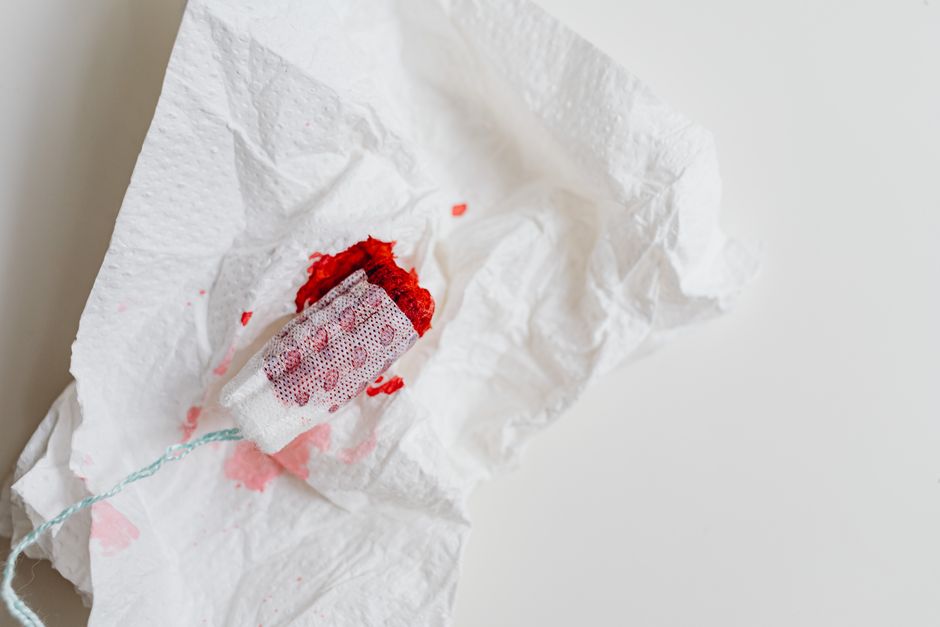
In this article, we’ll explore: Period poverty: A global menstrual health crisis and why it matters today.
Related:
👉 The Double-Duty Supplement: How This One Simple Powder Supports Your Body and Your Mind
👉 BcozSheMatters: Why the WHO and Health Ministry’s New Campaign is the Wake-Up Call We All Needed
👉 Period Poverty: A Global Menstrual Health Crisis We Can No Longer Ignore
Learn more: Period poverty: A global menstrual health crisis on Wikipedia
Imagine for a moment that you are a teenage girl named Maya. Maya lives in a small village, but this story could just as easily take place in a crowded city in the UK or a suburb in the United States. Maya is bright, loves math, and dreams of becoming a doctor. But every month, for five days, Maya’s world shrinks. She stops going to school. She stops playing with her friends. She stays home, sitting on a piece of old, folded cardboard or using scraps of dirty cloth because her family cannot afford basic sanitary pads.
Maya isn’t just “having a bad week.” She is a victim of a silent, systemic issue that affects millions. We call it period poverty. While it sounds like a clinical term, the reality is deeply personal, painful, and far-reaching. Period poverty: a global menstrual health crisis that traps people in a cycle of shame, health risks, and lost opportunities.
In this post, we’re going to pull back the curtain on this crisis. We’ll look at why it’s happening, who it affects, and—most importantly—what we can do to fix it.
What Exactly Is Period Poverty?
When most people hear the term “period poverty,” they think it just means not being able to afford pads or tampons. While that is a huge part of it, the crisis is actually much broader. Period poverty is the lack of access to menstrual products, hygiene facilities, waste management, and education.
To truly understand it, we have to look at it as a three-legged stool. If one leg is missing, the whole thing collapses:
- Access to Products: This is the most obvious one. If you can’t afford pads, tampons, or menstrual cups, you’re forced to use unsafe alternatives like rags, newspaper, leaves, or even sand.
- Access to Facilities: Having a pad doesn’t help much if you don’t have a private toilet with clean water to wash yourself and a safe way to dispose of used products.
- Access to Education: Many people grow up without knowing what a period is until it happens to them. This lack of knowledge leads to fear, stigma, and a lack of understanding about reproductive health.
The Global Scale: It’s Not “Their” Problem, It’s Everyone’s
It is a common misconception that period poverty only happens in developing nations. While the challenges are often more acute in lower-income regions, this is a truly global issue. According to the World Bank, at least 500 million women and girls globally lack adequate facilities for menstrual hygiene management.
The Reality in Low-Income Countries
In many parts of Sub-Saharan Africa and South Asia, the cost of a single pack of pads can represent a significant portion of a family’s daily income. When a parent has to choose between buying a bag of rice to feed the family or a box of tampons for their daughter, the food wins every time. In Kenya, for example, reports have shown that some girls are forced into “transactional sex” just to afford basic sanitary products. This is the devastating extreme of the crisis.
The Hidden Crisis in Wealthy Nations
Don’t be fooled into thinking this doesn’t happen in “first-world” countries. In the United States, a study found that two-thirds of low-income women could not afford menstrual products at some point during the year. In the UK, one in ten girls has been unable to afford period products. Even in wealthy societies, the “Pink Tax”—the extra cost added to products marketed toward women—and the lack of government subsidies make these essential items a luxury for many.
The Ripple Effect: Education, Health, and Economy
Period poverty isn’t just about the period itself; it’s about what happens because of it. The consequences ripple through every aspect of a person’s life.
1. The Education Gap
When a student misses school every time they have their period, they lose about 20% of their school year. Over time, they fall behind, their grades slip, and many eventually drop out altogether. This isn’t just a loss for the individual; it’s a loss for the community. When girls stay in school, they are more likely to earn higher wages, have healthier families, and contribute to the economy.
2. Serious Health Risks
When people are forced to use unhygienic materials like old socks, rags, or even dried leaves, the health risks are massive. These makeshift solutions can lead to severe urinary tract infections (UTIs), bacterial vaginosis, and even reproductive tract infections. In some cases, these infections can lead to long-term fertility issues or life-threatening complications.
3. The Psychological Toll
The shame associated with period poverty is heavy. Imagine the anxiety of constantly checking your clothes for leaks because you’re using a thin piece of cloth that doesn’t work. The stigma surrounding menstruation makes people feel “dirty” or “cursed.” This takes a massive toll on mental health, leading to isolation and a loss of self-esteem.
Breaking the Silence: The Power of Stigma
Why has it taken so long for the world to talk about this? The answer is simple: stigma. For centuries, menstruation has been treated as a “whisper topic.” It’s something to be hidden, tucked away in a sleeve or spoken about in code names like “Aunt Flo” or “that time of the month.”
In some cultures, menstruating people are forbidden from entering the kitchen, touching certain foods, or participating in religious ceremonies. They are treated as “impure.” This culture of silence prevents policymakers from allocating budgets for menstrual health and keeps families from discussing the needs of their daughters. You cannot fix a problem that nobody is allowed to talk about.
Real-World Examples of Change
While the situation is dire, there is hope. We are seeing a global shift in how period poverty is addressed. Here are a few inspiring examples:
Scotland Leads the Way
In 2020, Scotland became the first country in the world to make period products free for everyone. The Period Products Act ensures that local authorities and education providers must provide pads and tampons to anyone who needs them, free of charge. It was a landmark moment that recognized menstrual products as a basic human right, not a luxury.
The “Pad Man” of India
Arunachalam Muruganantham, often called the “Pad Man,” revolutionized menstrual hygiene in rural India. After seeing his wife struggle with unhygienic rags, he invented a low-cost machine to manufacture affordable sanitary pads. His work didn’t just provide products; it provided jobs for women and started a national conversation about menstrual health in a country where the topic was once strictly taboo.
Tax Reform in the US and Beyond
Advocates across the United States have been fighting to end the “tampon tax”—the sales tax applied to menstrual products while “essential” items like Viagra or popcorn are often exempt. Many states have successfully repealed this tax, recognizing that periods are not optional and products shouldn’t be taxed as luxuries.
Key Takeaways: Understanding the Crisis
- It’s Universal: Period poverty affects people in every country, regardless of its wealth.
- It’s More Than Pads: It includes access to clean water, private toilets, and accurate education.
- It’s a Barrier to Equality: Period poverty keeps girls out of school and women out of the workforce, hindering gender equality.
- Stigma is the Enemy: The silence surrounding menstruation prevents the problem from being solved at a policy level.
- Solutions Exist: From free products in schools to removing sales taxes, there are proven ways to end this crisis.
How Can You Help?
You don’t have to be a billionaire or a politician to make a difference. Here are a few ways you can help end period poverty:
- Donate Products: Local food banks and homeless shelters are always in desperate need of pads and tampons. Next time you’re at the store, grab an extra box.
- Support NGOs: Organizations like Period.org, Days for Girls, and ActionAid work on the front lines to provide education and products globally.
- Talk About It: Normalize the conversation. The more we talk about periods openly, the less power the stigma has.
- Advocate: Write to your local representatives. Ask them to support legislation that provides free products in schools and public buildings.
The Path Forward
Period poverty: a global menstrual health crisis that has lived in the shadows for far too long. But the shadows are finally receding. When we ensure that everyone has access to the products and facilities they need, we aren’t just giving them “stuff.” We are giving them back their dignity. We are giving them back their education. We are giving them the chance to participate fully in the world.
It’s time to stop treating menstruation as a secret and start treating it as a standard part of human health. No one should be held back by a natural biological process. The solution is within our reach; we just need the courage to keep talking, keep acting, and keep demanding change.
Frequently Asked Questions
What is the main cause of period poverty?
The main cause is a combination of financial hardship (high cost of products), lack of infrastructure (no clean water or private toilets), and social stigma which prevents education and open discussion.
Does period poverty only affect people in developing countries?
No. Period poverty is a global issue. Even in wealthy countries like the US, UK, and Canada, many low-income individuals, students, and homeless people struggle to afford menstrual products every month.
How does period poverty affect education?
Many students stay home during their periods because they lack products or fear leaking in public. This leads to missing several days of school each month, which causes them to fall behind and often results in dropping out of school entirely.
Are menstrual cups a solution to period poverty?
Menstrual cups can be a great long-term, sustainable solution because they last for years. However, they require access to clean water for boiling and sanitizing, which isn’t always available in areas experiencing period poverty.
What can governments do to help?
Governments can remove sales taxes on menstrual products, provide free products in schools, prisons, and shelters, and invest in better water and sanitation infrastructure in public spaces.
Written with love and assistance and refined for quality.
🔗 Related: Research Shows This Supplement Can Help…
🔗 Related: Women with polycystic ovary syndrome exhibit…
🔗 Related: Period poverty: A global menstrual health…