In this article, we’ll explore: 8 Foods To Avoid With an Upset Stomachand What To Eat Instead and why it matters today.
Related:
👉 The PCOS Puzzle: Unpacking Impaired Endometrial Receptivity, Excessive ER, and Histone Lactylation for a Brighter Fertility Journey
👉 Navigating the Nausea: 8 Foods To Avoid With an Upset Stomach and What To Eat Instead
👉 Unraveling the Silent Story: How Hormonal Mechanisms Shape Women's Risk in the Face of Traumatic Stress
Learn more: 8 Foods To Avoid With an Upset Stomachand What To Eat Instead on Google Search
Ah, the dreaded upset stomach. We’ve all been there, haven’t we? That familiar gurgle, the uncomfortable cramping, the sudden urge to just curl up in a ball and wish the world away. Whether it’s a mild case of indigestion, a touch of traveler’s tummy, or something a bit more persistent, an upset stomach can throw a wrench in your entire day. You feel sluggish, irritable, and all you want is relief. And often, the first thing we reach for is… well, food. But choosing the wrong things can make a bad situation even worse.
When your gut is feeling delicate, it’s like a sensitive friend who needs gentle care, not a wild party. Loading it with foods that are hard to digest or irritating can prolong your discomfort, leading to more pain, nausea, or other unpleasant symptoms. But don’t worry, you’re not alone in this digestive dilemma. I’m here to guide you through the culinary minefield of tummy troubles. In this comprehensive guide, we’ll dive deep into 8 Foods To Avoid With an Upset Stomach and What To Eat Instead, helping you navigate your way back to comfort and calm.
Think of your stomach as a temporarily closed construction site. You wouldn’t throw heavy machinery and concrete at it, right? You’d bring in light, soothing materials to help it rebuild. So, let’s explore what to steer clear of and what gentle, healing foods to welcome with open arms.
Steer Clear: 8 Foods That Worsen an Upset Stomach
When your stomach is protesting, certain foods are like pouring gasoline on a fire. They either irritate your digestive lining, are incredibly difficult to break down, or can exacerbate symptoms like gas, bloating, and nausea. Here are the top culprits:
1. Greasy, Fatty, and Fried Foods
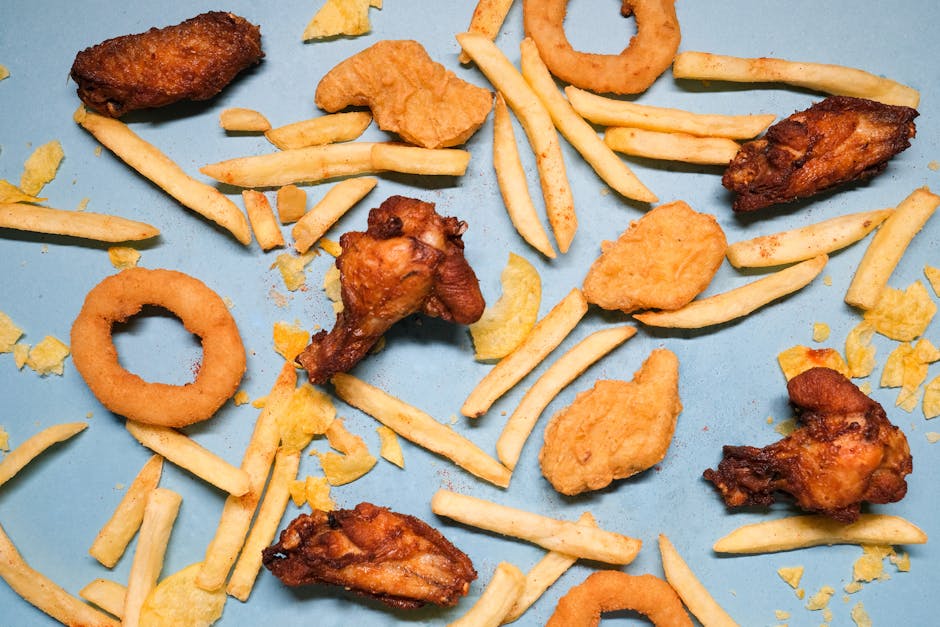
Remember that time you had a greasy burger or a plate of crispy fries when your stomach was already feeling off? Chances are, it didn’t end well. Fatty foods, especially fried ones, are notoriously difficult for your digestive system to break down. They require more effort from your stomach and can slow down gastric emptying, leading to feelings of fullness, bloating, and even nausea. The high fat content can also trigger acid reflux and heartburn, adding another layer of misery.
- Why they’re bad: High fat content, slow digestion, can trigger reflux.
- What to eat instead: Opt for lean proteins like baked chicken breast or steamed fish. These are much easier on your system and provide essential nutrients without the added burden.
2. Spicy Foods
For many, a little spice adds excitement to a meal. But when your stomach is upset, that excitement can quickly turn into agony. Capsaicin, the compound that gives chili peppers their heat, can irritate the lining of your stomach and intestines. This can lead to increased stomach acid production, heartburn, and even diarrhea, especially if you’re already experiencing inflammation or sensitivity.
- Why they’re bad: Irritates stomach lining, increases acid, can cause diarrhea.
- What to eat instead: Stick to bland flavors. Think plain rice, boiled potatoes, or simple steamed vegetables without any fiery additions.
3. Acidic Foods and Drinks
Citrus fruits (like oranges, grapefruits, lemons), tomatoes, and even coffee can be problematic when your stomach is in distress. Their high acidity can further irritate an already sensitive stomach lining, potentially worsening heartburn, acid reflux, and general discomfort. Coffee, in particular, can also act as a laxative, which is the last thing you need if you’re already dealing with diarrhea.
- Why they’re bad: High acidity can irritate stomach lining and worsen reflux.
- What to eat instead: Choose low-acid fruits like bananas or melons. For drinks, warm water, herbal teas (like chamomile or ginger), or diluted apple juice are much gentler choices.
4. Dairy Products (Especially for Lactose Sensitivity)
While dairy can be a source of calcium and protein, it can be a real troublemaker for an upset stomach, particularly if you have lactose intolerance or even a temporary sensitivity. Lactose, the sugar found in milk and other dairy products, requires a specific enzyme (lactase) to be digested. When your gut is compromised, lactase production can be reduced, leading to undigested lactose that ferments in the intestines, causing gas, bloating, cramps, and diarrhea.
- Why they’re bad: Lactose can be difficult to digest, causing gas, bloating, and diarrhea.
- What to eat instead: If you love your milk, try lactose-free alternatives or plant-based milks like almond or oat milk. Small amounts of plain, unsweetened yogurt with live cultures might be tolerated by some, as the cultures help break down lactose.
5. High-Fiber Foods (Raw Vegetables and Legumes)
Now, don’t get me wrong, fiber is usually fantastic for gut health! But when your stomach is upset, especially with gas or bloating, raw, high-fiber foods like broccoli, cauliflower, beans, and lentils can be too much of a good thing. They are harder to break down and can produce more gas during digestion, exacerbating discomfort. This is particularly true for insoluble fiber.
- Why they’re bad: Can increase gas and bloating, hard to digest when sensitive.
- What to eat instead: Opt for low-fiber, cooked vegetables like peeled potatoes, carrots, or squash. Soluble fiber found in bananas or applesauce is also easier to digest.
6. Processed and Sugary Foods
Those tempting cookies, sugary sodas, and processed snacks might offer momentary comfort, but they can wreak havoc on an upset stomach. High sugar content can draw water into the intestines, potentially worsening diarrhea. Artificial sweeteners, often found in diet sodas and processed foods, can also cause digestive distress, including gas and bloating. Furthermore, these foods often lack nutritional value, offering no real help to your recovering gut.
- Why they’re bad: Can worsen diarrhea, cause bloating, and offer no nutritional support.
- What to eat instead: Choose simple, natural snacks like plain crackers, toast, or a small banana.
7. Caffeinated Beverages
Your morning cup of joe might be a daily ritual, but when your stomach is upset, it’s best to hit pause. Caffeine is a stimulant that can increase bowel motility, potentially leading to more frequent bathroom trips if you’re already experiencing diarrhea. As mentioned earlier, coffee is also acidic, which can irritate a sensitive stomach lining and worsen acid reflux.
- Why they’re bad: Stimulates bowel movements, acidic, can worsen dehydration.
- What to eat instead: Switch to decaffeinated herbal teas like ginger or chamomile, or just plain warm water. These can be soothing and help with hydration.
8. Alcohol
This one might seem obvious, but it’s worth reiterating. Alcohol is a known irritant to the stomach lining and can increase stomach acid production. It can also dehydrate you, which is counterproductive when your body is trying to recover from an illness. Even a small amount can worsen nausea, vomiting, and diarrhea, making your recovery process longer and more uncomfortable.
- Why they’re bad: Irritates stomach lining, increases acid, dehydrates.
- What to eat instead: Stick to water, clear broths, or rehydration solutions.
What To Eat Instead: Soothing Foods for a Happy Tummy
Now that we know what to avoid, let’s talk about the good stuff – the foods that can actually help calm your stomach and aid in recovery. The key here is bland, easily digestible, and nutrient-rich options.
The BRAT Diet and Its Friends
The “BRAT” diet is a classic for a reason. It stands for Bananas, Rice, Applesauce, and Toast. These foods are low in fiber, bland, and easy to digest, making them perfect for a sensitive stomach.
- Bananas: Easy to digest, provide potassium (often lost during vomiting/diarrhea), and can help firm up stools.
- Rice: Plain white rice (not brown, which is higher in fiber) is a great source of energy and easy on the digestive system.
- Applesauce: Offers pectin, a soluble fiber that can help soothe the digestive tract, and is easy to digest.
- Toast: Plain white toast (without butter or jam) is simple and easily digestible.
Other Soothing Superstars:
- Ginger: Known for its anti-nausea properties. Sip on ginger tea or chew a small piece of fresh ginger.
- Chamomile Tea: Has anti-inflammatory properties and can help relax stomach muscles, easing cramps.
- Peppermint Tea: Can help relieve gas and bloating, but avoid if you have severe acid reflux, as it can sometimes relax the esophageal sphincter.
- Clear Broths: Chicken or vegetable broth can provide essential nutrients, electrolytes, and hydration without burdening your digestive system.
- Plain Crackers: Saltine crackers or water crackers can help absorb excess stomach acid and are easy to digest.
- Oatmeal: Cooked oatmeal (without added sugar or dairy) is a good source of soluble fiber, which can be gentle on the stomach.
- Baked or Boiled Potatoes: Peeled and plain, they offer carbohydrates and potassium without the harshness of fiber.
- Lean Proteins: Once you’re feeling a bit better, plain baked or boiled chicken breast or fish can be introduced for protein.
Key Takeaways for a Calmer Gut
- Listen to Your Body: Everyone is different. Pay attention to how certain foods make you feel.
- Start Bland: When your stomach is upset, think simple, plain, and unseasoned.
- Hydrate, Hydrate, Hydrate: Sickness can lead to dehydration. Sip on water, clear broths, or electrolyte solutions.
- Small, Frequent Meals: Instead of three large meals, try eating smaller portions more often to avoid overloading your digestive system.
- Avoid Irritants: Steer clear of fatty, spicy, acidic, and highly processed foods.
- Gradual Reintroduction: As you start feeling better, slowly reintroduce foods, one at a time, to see how you tolerate them.
FAQs About Eating with an Upset Stomach
Q1: How long should I stick to bland foods?
A: Generally, you should stick to bland foods until your symptoms have subsided for at least 24-48 hours. If your symptoms persist or worsen, it’s always best to consult a doctor.
Q2: Can probiotics help with an upset stomach?
A: Probiotics can be beneficial for restoring gut balance, especially after an illness or antibiotic use. However, during acute stomach upset, introducing new bacteria might sometimes cause temporary gas or bloating for some individuals. It’s often best to introduce them once acute symptoms have settled, or discuss with your doctor.
Q3: Is it okay to eat nothing at all if my stomach is really bad?
A: For very short periods (a few hours), if you’re experiencing severe nausea or vomiting, it might be necessary to rest your stomach. However, prolonged fasting can lead to dehydration and nutrient deficiencies. Try to sip on clear liquids like water or broth, and introduce bland foods as soon as you can tolerate them.
Bringing It All Together: Your Path to Digestive Comfort
Dealing with an upset stomach is never fun, but making smart food choices can significantly speed up your recovery and reduce discomfort. By understanding the 8 Foods To Avoid With an Upset Stomach and What To Eat Instead, you’re empowering yourself to make better decisions for your gut health.
Remember, this isn’t about deprivation; it’s about giving your body the gentle care it needs to heal. So, next time your tummy starts to grumble, reach for the soothing banana instead of the greasy pizza, and opt for a calming ginger tea over that acidic coffee. Your gut will thank you, and you’ll be back to feeling like yourself in no time. If symptoms persist or are severe, always remember to seek medical advice from a healthcare professional.
Written with love and assistance and refined for quality.
{“@context”:”https://schema.org”,”@type”:”Article”,”headline”:”Tummy Troubles? Here are 8 Foods To Avoid With an Upset Stomach and What To Eat Instead for Quick Relief”,”description”:”In this article, weu2019ll explore: 8 Foods To Avoid With an Upset Stomachand What To Eat Instead and why it…”,”author”:{“@type”:”Person”,”name”:”rahuljait”},”datePublished”:”2026-05-12T12:33:21+00:00″,”dateModified”:”2026-05-12T12:33:21+00:00″,”mainEntityOfPage”:”https://healthyworldz.com/tummy-troubles-here-are-8-foods-to-avoid-with-an-upset-stomach-and-what-to-eat-instead-for-quick-relief-2/”,”image”:[“https://healthyworldz.com/wp-content/uploads/2026/05/8-foods-to-avoid-with-an-upset-stomachand-what-to-eat-instead-32.jpg”]}
🔗 Related: Hormonal mechanisms of womens risk in…
🔗 Related: Hormonal mechanisms of womens risk in…
🔗 Related: Hormonal mechanisms of womens risk in…