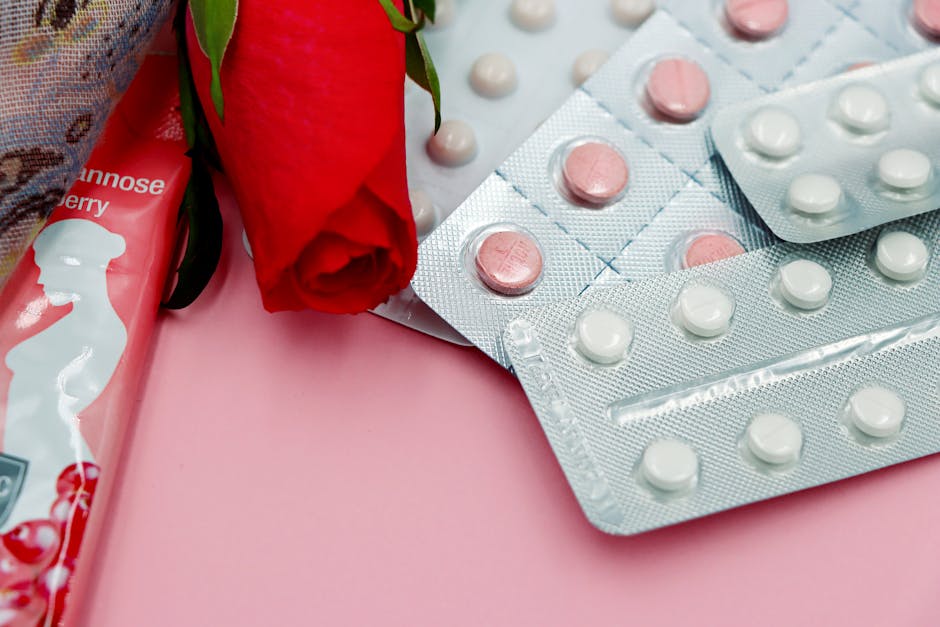
In this article, we’ll explore: Hormonal mechanisms of womens risk in the face of traumatic stress and why it matters today.
Related:
👉 Unlocking the Mystery: How PCOS Impacts Endometrial Receptivity, ER, and Histone Lactylation for Fertility
👉 Unpacking the Hormonal Maze: Understanding Women's Unique Responses to Traumatic Stress
👉 Unlocking the Mystery: How PCOS Impacts Your Uterus and What 'Excessive ER and Histone Lactylation' Means for Fertility
Learn more: Hormonal mechanisms of womens risk in the face of traumatic stress on Google Search
Imagine two people experiencing the same profoundly distressing event – say, a car accident or a natural disaster. One person might recover relatively quickly, while the other finds themselves haunted by flashbacks, nightmares, and an overwhelming sense of dread for months, even years. What accounts for this difference? While many factors play a role, from prior life experiences to social support, there’s a powerful, often overlooked player influencing this equation, especially for women: our hormones.
For too long, conversations about trauma and mental health have focused on universal responses, often overlooking the nuanced biological differences between sexes. But the truth is, women are twice as likely as men to develop Post-Traumatic Stress Disorder (PTSD) after experiencing trauma. This isn’t just a statistical quirk; it points to fundamental biological distinctions that influence how we process, remember, and recover from frightening events. It’s time we talk about the fascinating, complex, and often challenging hormonal mechanisms of women’s risk in the face of traumatic stress.
This isn’t about suggesting one gender is “weaker” or more susceptible to trauma. Instead, it’s about understanding our unique biological wiring so we can better support women, develop more targeted treatments, and foster true resilience. Let’s dive into the intricate world where hormones meet trauma.
The Unseen Battle: Why Women Experience Trauma Differently
More Than Just Statistics: The Gender Gap in PTSD
The numbers speak for themselves. Women are disproportionately affected by PTSD. While societal factors, such as the types of trauma women are more frequently exposed to (like sexual assault or intimate partner violence), certainly contribute, they don’t tell the whole story. Even when controlling for the type and severity of trauma, women still show a higher likelihood of developing and sustaining PTSD symptoms. This suggests that something deeper, something physiological, is at play.
Enter the Hormones: A Biological Blueprint
Our bodies are chemical factories, constantly producing and regulating hormones that influence everything from our mood and energy levels to our sleep patterns and stress responses. For women, a symphony of hormones, particularly those associated with the reproductive cycle, orchestrate a unique internal environment that can profoundly impact how we react to stress and trauma. The main players in this drama include estrogen, progesterone, cortisol, and even oxytocin. Each has a distinct role, and their interactions can create a complex landscape for the brain and body when faced with overwhelming stress.
Estrogen and Progesterone: The Double-Edged Sword
Estrogen’s Complex Dance: Memory, Fear, and the Brain
Estrogen, often celebrated for its role in female development and reproductive health, is a powerful neurosteroid. It influences brain regions critical for fear processing and memory formation, such as the amygdala (our brain’s alarm system) and the hippocampus (our memory center). Here’s where it gets complicated:
- Memory Consolidation: Estrogen can enhance memory consolidation, meaning that under certain conditions, a traumatic event might be more vividly and deeply etched into memory when estrogen levels are high. This isn’t always a bad thing for everyday learning, but for trauma, it can mean stronger, more persistent traumatic memories.
- Fear Extinction: The ability to “extinguish” fear – to learn that a previously feared stimulus is no longer dangerous – is crucial for recovering from trauma. Research suggests that estrogen can sometimes impair this process, making it harder for women to unlearn fear responses.
- Fluctuations Matter: Estrogen levels fluctuate dramatically throughout a woman’s life – during the menstrual cycle, pregnancy, and menopause. These shifts can create windows of vulnerability. For example, a woman experiencing a traumatic event during a high-estrogen phase of her cycle might be more prone to developing lasting fear memories.
Consider Sarah, who experienced a mugging during the ovulatory phase of her menstrual cycle, when her estrogen levels were peaking. Weeks later, she found herself replaying the event with excruciating detail, the fear vivid and unrelenting. Her brain, influenced by higher estrogen, might have consolidated that traumatic memory with greater intensity, making it harder to process and move past.
Progesterone’s Protective (and Sometimes Perilous) Path
Progesterone, another key female hormone, also plays a critical role. Its metabolite, allopregnanolone, is known for its calming, anti-anxiety effects, acting on the same brain receptors as benzodiazepines (like Valium). This suggests progesterone could offer a protective buffer against stress.
- Calming Influence: When progesterone levels are stable and adequate, its calming effects can help regulate the stress response, potentially reducing the impact of trauma.
- Withdrawal Woes: However, it’s the *withdrawal* of progesterone that can become problematic. Think about the pre-menstrual phase, the postpartum period, or perimenopause – times when progesterone levels drop significantly. During these periods, the brain’s natural calming system might be less effective, leaving women more vulnerable to anxiety, heightened stress, and a reduced ability to cope with traumatic reminders.
This might explain why some women report an increase in anxiety or a worsening of PTSD symptoms in the days leading up to their period, or why postpartum depression and anxiety, often linked to sharp hormonal shifts, can be so debilitating.
Cortisol: The Stress Hormone Under a Female Lens
The Fight-or-Flight Response: A Universal Mechanism
When we face a threat, our body’s HPA (hypothalamic-pituitary-adrenal) axis kicks into gear, releasing cortisol – the primary stress hormone. Cortisol helps us mobilize energy, heighten senses, and prepare for “fight or flight.” It’s a vital survival mechanism.
Gendered Cortisol Responses: A Different Tune
While both men and women produce cortisol, there appear to be significant gender differences in how the HPA axis responds to and recovers from stress:
- Exaggerated or Prolonged Response: Some research indicates that women can have a more prolonged or exaggerated cortisol response to stress compared to men. This means their bodies might stay in a “stressed” state for longer, potentially leading to greater wear and tear on the system and making recovery more challenging.
- Paradoxical Blunting: Conversely, other studies suggest that in some situations, particularly with chronic or repeated trauma, women might exhibit a *blunted* cortisol response. While this might sound less stressful, a blunted response can also be problematic, as it indicates a dysregulated HPA axis that struggles to mount an appropriate stress response or, crucially, to turn it off effectively.
- Interactions with Estrogen: Estrogen can also influence cortisol sensitivity, potentially amplifying its effects or altering its feedback loops, further complicating the picture for women.
Consider Maria, who endured years of emotional abuse. Her body’s HPA axis, constantly on alert, might have become dysregulated. Even after escaping the situation, her cortisol levels might remain abnormally high or, paradoxically, become blunted, leaving her feeling exhausted and unable to respond effectively to new stressors, a common symptom in chronic trauma survivors.
Oxytocin: The “Love Hormone” with a Twist
Oxytocin’s Role in Bonding and Stress Mitigation
Often called the “love hormone” or “cuddle hormone,” oxytocin is well-known for its role in social bonding, trust, and reducing anxiety. Women generally have higher levels of oxytocin and greater sensitivity to its effects, especially during childbirth and breastfeeding, where it fosters maternal bonding.
The Dark Side of Connection: When Oxytocin Amplifies Trauma
While oxytocin usually promotes well-being, its role in trauma is surprisingly complex, especially in the context of interpersonal trauma (which women are more likely to experience):
- Strengthening Social Memories: Oxytocin enhances the salience of social cues and strengthens social memories. While this is great for bonding, it can be detrimental when the trauma involves a social betrayal or abuse. It might make memories of interpersonal harm more vivid and emotionally charged.
- Increased Vigilance: In some cases, high oxytocin levels might actually increase vigilance or the perception of social threat, particularly if past social experiences have been negative. This can lead to a state of hyper-arousal and difficulty trusting others after trauma.
For someone like Jessica, who experienced childhood neglect, the very hormone designed to foster connection might, paradoxically, contribute to her hyper-vigilance in relationships, making her constantly scan for signs of rejection or abandonment, even years later.
Real-World Implications and Moving Forward
Understanding the “Why” for Better Support
This deeper understanding of the hormonal mechanisms of women’s risk in the face of traumatic stress isn’t just academic; it has profound real-world implications:
- Personalized Treatment: Knowing how hormones influence trauma responses can lead to more personalized and effective treatments. Therapists might consider a woman’s menstrual cycle phase, hormonal status (e.g., perimenopause), or history of hormonal changes when planning interventions.
- Targeted Research: This knowledge pushes for more gender-specific research into trauma, leading to the development of therapies or even pharmacological interventions that consider female biology.
- Validation and Empowerment: For many women, understanding that their intense or prolonged reactions to trauma might have a biological basis can be incredibly validating. It shifts the narrative from “it’s all in your head” to “there’s a complex interplay in your body,” empowering them to seek appropriate help.
Consider Emily, who struggled with recurring PTSD symptoms that seemed to spike predictably before her period. Her therapist, armed with knowledge about hormonal fluctuations, helped her track these patterns and incorporate specific coping strategies during those vulnerable times, significantly improving her quality of life.
Practical Steps and Self-Care
While we await more targeted medical interventions, there are practical steps women can take:
- Track Your Cycle: Pay attention to how your mood and trauma symptoms fluctuate throughout your menstrual cycle. This awareness can be a powerful tool for self-management.
- Prioritize Hormonal Health: A balanced lifestyle – including nutrition, regular exercise, adequate sleep, and stress management – supports overall hormonal balance, which can indirectly aid in resilience.
- Seek Trauma-Informed Care: Look for therapists who are trauma-informed and, ideally, aware of gender differences in trauma response. Cognitive Behavioral Therapy (CBT), Eye Movement Desensitization and Reprocessing (EMDR), and other evidence-based therapies can be highly effective.
- Open Dialogue with Healthcare Providers: Discuss your trauma history and any patterns you notice with your doctor, gynecologist, or endocrinologist. They can help rule out underlying hormonal imbalances or suggest potential support.
Key Takeaways
- Women are twice as likely to develop PTSD after trauma, partly due to unique biological factors.
- Estrogen can intensify traumatic memory consolidation and hinder fear extinction, especially during high-estrogen phases.
- Progesterone’s calming effects are beneficial, but its withdrawal can leave women vulnerable to heightened anxiety and stress.
- Cortisol responses in women can be prolonged, exaggerated, or paradoxically blunted, indicating HPA axis dysregulation.
- Oxytocin, while generally positive, can strengthen the impact of interpersonal trauma by enhancing social memories.
- Understanding these hormonal mechanisms is crucial for personalized treatment and fostering resilience in women.
Frequently Asked Questions (FAQ)
Does this mean women are “weaker” or more fragile in the face of trauma?
Absolutely not. It means women’s bodies are wired differently, and these differences can influence how trauma is processed. It highlights a biological complexity, not a weakness. Recognizing these differences allows us to provide better, more tailored support, which is a strength, not a deficit.
Can hormone therapy help with trauma recovery?
This is a complex area of ongoing research. While some studies explore the potential of hormonal interventions (like progesterone supplementation) to mitigate trauma symptoms, it’s not a widely accepted or routine treatment for PTSD. Any such approach would need to be carefully considered with a medical professional, weighing individual risks and benefits.
What if I suspect my hormones are affecting my response to stress or trauma?
The best first step is to consult with a healthcare professional, such as your primary care doctor, gynecologist, or an endocrinologist. They can help assess your hormonal health. Additionally, working with a trauma-informed therapist is crucial, as they can help you understand and process your experiences, regardless of hormonal influences.
Is this just about PTSD, or does it apply to other stress responses?
While this post focuses on PTSD due to its strong link with trauma, the hormonal mechanisms discussed here also influence broader stress responses, anxiety disorders, and mood disorders in women. The intricate dance of hormones impacts our overall mental and emotional well-being, especially when facing significant life stressors.
Ultimately, by shining a light on the intricate hormonal mechanisms of women’s risk in the face of traumatic stress, we move closer to a future where trauma care is truly inclusive, informed, and effective for everyone. It’s about recognizing the unique symphony playing within each woman’s body and tuning into its needs with compassion and scientific insight.
Written with love and assistance and refined for quality.
{“@context”:”https://schema.org”,”@type”:”Article”,”headline”:”Unraveling the Invisible Threads: How Hormones Shape Women’s Vulnerability to Traumatic Stress”,”description”:”In this article, weu2019ll explore: Hormonal mechanisms of womens risk in the face of traumatic stress and why it matters…”,”author”:{“@type”:”Person”,”name”:”rahuljait”},”datePublished”:”2026-05-13T10:09:12+00:00″,”dateModified”:”2026-05-13T10:09:12+00:00″,”mainEntityOfPage”:”https://healthyworldz.com/unraveling-the-invisible-threads-how-hormones-shape-womens-vulnerability-to-traumatic-stress-4/”,”image”:[“https://healthyworldz.com/wp-content/uploads/2026/05/hormonal-mechanisms-of-womens-risk-in-the-face-of-traumatic-stress-84.jpg”]}
🔗 Related: Women with polycystic ovary syndrome exhibit…
🔗 Related: Hormonal mechanisms of womens risk in…
🔗 Related: 8 Foods To Avoid With an…