In this article, we’ll explore: 8 Foods To Avoid With an Upset Stomachand What To Eat Instead and why it matters today.
Related:
👉 Unlocking the Mystery: How PCOS Impacts Fertility Through Endometrial Receptivity, ER, and Histone Lactylation
👉 Unlocking the Mystery: How PCOS Impacts Endometrial Receptivity, ER, and Histone Lactylation for Fertility
👉 Tummy Trouble? Here are the 8 Foods To Avoid With an Upset Stomach and What To Eat Instead (And Feel Better Fast!)
Learn more: 8 Foods To Avoid With an Upset Stomachand What To Eat Instead on Google Search
Ah, the dreaded upset stomach. We’ve all been there, haven’t we? One moment you’re feeling fine, the next your belly starts doing a little jig it wasn’t invited to. Maybe it’s a dull ache, a sudden nausea, or a chorus of gurgles and rumbles. Whatever the symptom, an upset stomach can throw a real wrench in your day, making even simple tasks feel like monumental efforts.
When your digestive system decides to stage a protest, the last thing you want to do is fuel the fire. Eating the wrong thing can turn a mild discomfort into a full-blown crisis, prolonging your misery and making recovery feel miles away. But fear not! You’re not alone in this tummy-trouble journey, and understanding what to put (and not put) into your body is half the battle won. This guide will walk you through 8 foods to avoid with an upset stomach and what to eat instead, helping you soothe your gut and get back to feeling like yourself again.
Think of your stomach as a sensitive friend right now. It needs gentle care, not a roughhousing session. Let’s dive into the common culprits that can make things worse and discover the comforting alternatives that will help you heal.
Foods That Make Your Tummy Grumble (and Why)
When your stomach is already feeling tender, certain foods can act like irritants, making inflammation worse, increasing acid production, or simply being too difficult to break down. Here’s a list of the usual suspects:
1. Spicy Foods: The Fire Alarm for Your Gut
You might love a good curry or a dish loaded with chili flakes on a normal day. But when your stomach is upset, spicy foods are like throwing gasoline on a small flame. Compounds like capsaicin, found in chili peppers, can irritate the lining of your stomach and intestines, leading to increased acid production, heartburn, and even more pain or diarrhea. It’s your body’s way of saying, “Too much heat, abort mission!”
- What to eat instead: Opt for bland, non-spicy options. Think plain boiled chicken, steamed fish, or simple pasta with a light, non-acidic sauce. Gentle seasonings like a pinch of salt are usually fine.
2. Fried and Fatty Foods: A Heavy Burden
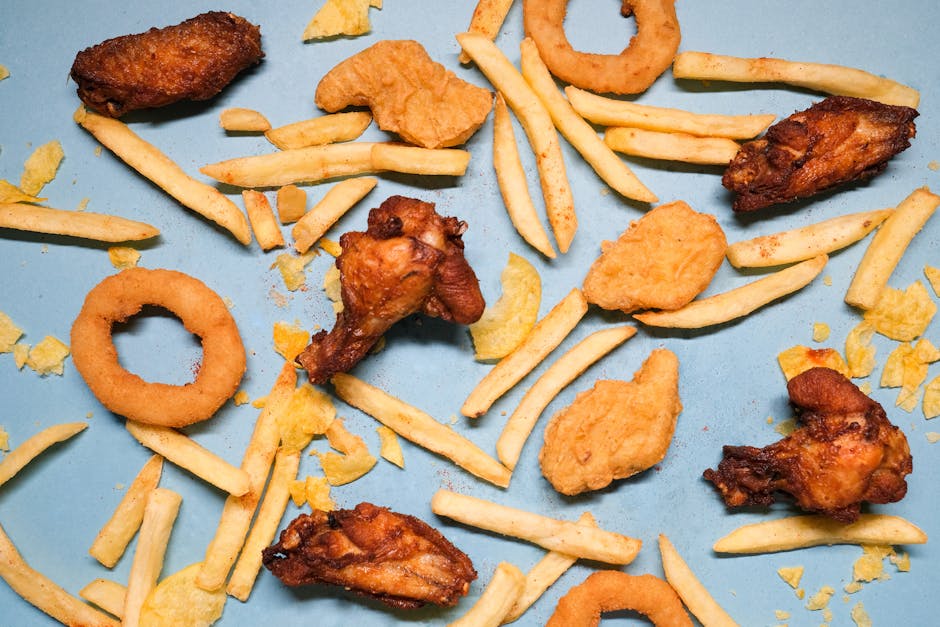
Who doesn’t love a plate of crispy fries or a juicy burger? Delicious, yes, but a nightmare for an upset stomach. Foods high in fat, whether fried or just naturally rich, are much harder for your digestive system to break down. They can sit in your stomach longer, leading to feelings of fullness, nausea, and even acid reflux. Your overworked digestive enzymes just can’t keep up, causing discomfort to linger.
- What to eat instead: Focus on lean proteins and healthy, easily digestible carbs. Baked potatoes, plain toast, rice cakes, or a small portion of baked chicken breast are good choices. Avoid butter, oils, and creamy sauces.
3. Dairy Products: A Lactose Lament
For many people, especially when their stomach is already compromised, dairy products can be a real troublemaker. Lactose, the sugar found in milk, requires a specific enzyme called lactase to break it down. When your gut is inflamed or upset, lactase production can temporarily decrease, leading to lactose intolerance symptoms like gas, bloating, cramps, and diarrhea – even if you don’t normally have an issue with dairy. It’s like trying to run a marathon on a sprained ankle; your gut just isn’t up to the task.
- What to eat instead: Consider lactose-free milk alternatives like almond milk or oat milk, or stick to water and clear broths. If you absolutely need a calcium boost, a small amount of plain, non-fat yogurt with live cultures might be tolerated by some, but proceed with caution.
4. Caffeine: The Jittery Instigator
That morning coffee might be your usual wake-up call, but when your stomach is upset, it can act as a powerful irritant. Caffeine is a stimulant that can increase stomach acid production and also acts as a mild laxative, potentially exacerbating diarrhea or discomfort. It can make your digestive muscles contract more vigorously, which is the last thing you need when they’re already protesting.
- What to eat instead: Stick to decaffeinated herbal teas (ginger or peppermint can be particularly soothing) or plain water. Hydration is key, and water is always the gentlest option.
5. Acidic Foods (Citrus & Tomatoes): The Sour Truth
Oranges, grapefruits, lemons, and tomatoes are packed with vitamins, but their high acidity can be a problem for an already sensitive stomach. This acidity can irritate the esophageal lining and stomach, leading to heartburn, acid reflux, or a general feeling of unease. Imagine pouring lemon juice on a cut – that’s kind of what it feels like internally for your stomach lining.
- What to eat instead: Focus on low-acid fruits and vegetables. Bananas are a fantastic choice, as are apples (peeled and cooked), melons, and cooked carrots.
6. High-Fiber Foods (Raw Vegetables & Whole Grains): The Roughage Rumble
Normally, fiber is your friend, promoting healthy digestion. But when your stomach is upset, especially with diarrhea, a sudden influx of insoluble fiber (found in raw vegetables, whole grains, and nuts) can be too much to handle. It acts like a scrub brush, speeding things up when your gut needs to slow down and heal. Even soluble fiber, if consumed in large amounts, can cause bloating and gas.
- What to eat instead: Opt for low-fiber, easy-to-digest carbohydrates. White rice, white toast, crackers, and well-cooked, peeled vegetables like boiled potatoes or squash are good choices.
7. Artificial Sweeteners and Sugar Alcohols: The Gut Guessing Game
Many “sugar-free” products contain artificial sweeteners (like aspartame, sucralose) or sugar alcohols (like sorbitol, xylitol, mannitol). While these might seem like a good alternative to sugar, they can be difficult for your gut to digest, especially when it’s already sensitive. They can draw water into the intestines, leading to bloating, gas, and even diarrhea. It’s a common culprit in “diet” foods causing digestive distress.
- What to eat instead: If you need a touch of sweetness, a small amount of natural sugar (like honey or maple syrup) in a soothing tea might be okay, but it’s best to avoid added sugars altogether for a short period. Stick to plain, unsweetened foods.
8. Alcohol: The Digestive Disruptor
This might seem obvious, but it bears repeating. Alcohol is a direct irritant to the stomach lining, increasing acid production and potentially leading to inflammation. It can also dehydrate you and disrupt the balance of good bacteria in your gut, making any upset stomach symptoms much worse. Even a small amount can set back your recovery significantly.
- What to eat instead: Water, water, and more water! Clear broths and electrolyte-rich drinks (without too much sugar or artificial ingredients) are also excellent for rehydration.
Key Takeaways for a Happy Tummy
Navigating an upset stomach can feel overwhelming, but remembering a few core principles can make all the difference:
- Listen to Your Body: Everyone is different. What bothers one person might not bother another. Pay attention to how you feel after eating.
- Keep it Bland: When in doubt, go bland. Simple, easy-to-digest foods are your best friends.
- Stay Hydrated: Water, clear broths, and gentle herbal teas are crucial for recovery, especially if you’re experiencing vomiting or diarrhea.
- Small, Frequent Meals: Instead of three large meals, try eating smaller portions more frequently throughout the day to ease the burden on your digestive system.
- Rest: Your digestive system works hard. Give your body the rest it needs to recover.
Frequently Asked Questions About Upset Stomachs and Diet
Q: How long should I stick to bland foods after my stomach feels better?
A: It’s generally a good idea to gradually reintroduce your normal diet over a few days. Start with very small portions of regular foods and see how you feel. If your symptoms return, go back to bland foods for a bit longer. Don’t rush the process!
Q: Can probiotics help with an upset stomach?
A: Sometimes, yes. Probiotics, found in fermented foods like yogurt (if tolerated) or supplements, can help restore the balance of good bacteria in your gut. However, introduce them cautiously, especially if your stomach is very sensitive. Consult your doctor first.
Q: When should I be concerned about an upset stomach and see a doctor?
A: If your upset stomach is accompanied by severe pain, high fever, persistent vomiting or diarrhea, blood in your stool or vomit, or lasts for more than a couple of days, it’s crucial to seek medical attention immediately. These could be signs of a more serious underlying condition.
Q: Are there any specific teas that are good for an upset stomach?
A: Absolutely! Ginger tea is well-known for its anti-nausea properties, and peppermint tea can help relax digestive muscles and ease cramping. Chamomile tea is also a good choice for its calming effects.
Wishing You a Speedy Recovery!
An upset stomach is never fun, but by making smart food choices, you can significantly ease your discomfort and speed up your recovery. Remember, your body is working hard to heal, and providing it with the right fuel (or lack thereof) is a powerful way to support that process. So, listen to your gut, be kind to your tummy, and before you know it, you’ll be back to enjoying all your favorite foods without a grumble in sight. Here’s to feeling better, one gentle bite at a time!
Written with love and assistance and refined for quality.
{“@context”:”https://schema.org”,”@type”:”Article”,”headline”:”Tummy Troubles? Here Are 8 Foods To Avoid With an Upset Stomach and What To Eat Instead”,”description”:”In this article, weu2019ll explore: 8 Foods To Avoid With an Upset Stomachand What To Eat Instead and why it…”,”author”:{“@type”:”Person”,”name”:”rahuljait”},”datePublished”:”2026-05-13T10:39:05+00:00″,”dateModified”:”2026-05-13T10:39:05+00:00″,”mainEntityOfPage”:”https://healthyworldz.com/tummy-troubles-here-are-8-foods-to-avoid-with-an-upset-stomach-and-what-to-eat-instead-2/”,”image”:[“https://healthyworldz.com/wp-content/uploads/2026/05/8-foods-to-avoid-with-an-upset-stomachand-what-to-eat-instead-37.jpg”]}
🔗 Related: Women with polycystic ovary syndrome exhibit…
🔗 Related: Hormonal mechanisms of womens risk in…
🔗 Related: 8 Foods To Avoid With an…