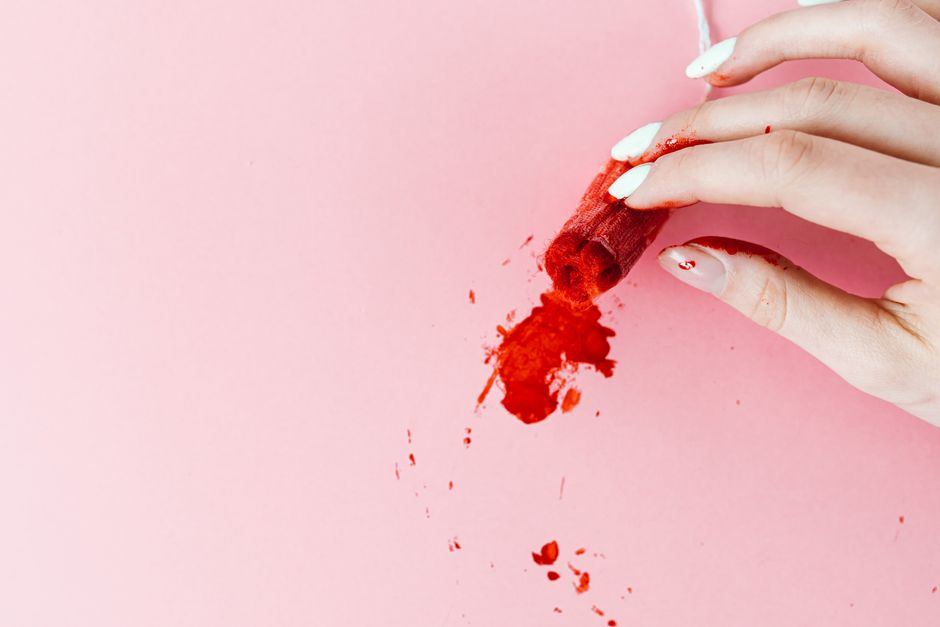
In this article, we’ll explore: Period poverty: causes and related issues and why it matters today.
Related:
👉 Why Her Health Can’t Wait: A Deep Dive into the BcozSheMatters: WHO Health Ministry roll out campaign on women and girls health and well-being
👉 Let’s Talk About the "Oops" Moment: Why Perineal Muscle Strength Matters for Young Moms in Mangaluru
👉 The Hidden Crisis: Understanding Period Poverty, Its Causes, and Why It Matters for Everyone
Learn more: Period poverty: causes and related issues on Investopedia
Imagine being a teenage girl sitting in a classroom, feeling that familiar cramp in your lower abdomen. You know your period has started. But instead of reaching into your bag for a pad or a tampon, you realize you don’t have any. You didn’t have any at home, either. Your family had to choose between buying a gallon of milk or a box of menstrual products this week, and the milk won.
So, you spend the rest of the day sitting stiffly, terrified to move, using bundled-up toilet paper or an old rag that’s barely holding on. Eventually, you decide it’s easier to just stay home for the next four days. You fall behind in math. You miss your track meet. You feel a deep sense of shame for something your body does naturally. This isn’t a scene from a movie; it is the daily reality for millions of people worldwide. This is the heart of period poverty: causes and related issues that often go unspoken in polite conversation.
In this post, we’re going to pull back the curtain on this global crisis. We’ll look at why it happens, who it affects, and why solving it is about much more than just “giving away free pads.”
What Exactly is Period Poverty?
Before we dive into the “why,” let’s define the “what.” Period poverty is the lack of access to sanitary products, menstrual hygiene education, toilets, hand-washing facilities, or waste management. It is a struggle for dignity. While we often think of it as an issue only in developing nations, it is happening in high-income countries like the United States, the UK, and Canada every single day.
It’s a complex intersection of economic hardship, social stigma, and systemic neglect. When we talk about period poverty: causes and related issues, we are talking about a barrier to human rights.
The Root Causes: Why Is This Still Happening?
You might wonder how, in the 21st century, a biological process can cause such a massive divide. The causes are layered and often feed into one another.
1. Financial Hardship and Inflation
The most obvious cause is the cost. Menstrual products are expensive. In many parts of the world, a pack of pads can cost a significant portion of a daily wage. When inflation hits, the price of “luxury” items—which many governments still categorize period products as—skyrockets. For a family living paycheck to paycheck, the $10 to $15 spent on tampons or pads every month is money that could have gone toward electricity or food.
2. The “Tampon Tax”
In many jurisdictions, menstrual products are taxed as non-essential or luxury goods. Meanwhile, items like Viagra or certain snacks are often tax-exempt. This systemic inequality makes an essential health product even less affordable for those who need it most. It sends a clear message: the needs of those who menstruate are an afterthought.
3. Lack of Education
In many cultures, menstruation is shrouded in mystery and silence. When girls aren’t taught what a period is before they get their first one, they often react with fear or shame. Without proper education, people don’t know how to manage their hygiene safely, which leads to health complications. Education isn’t just for those who menstruate; when boys and men aren’t educated on the topic, it perpetuates a cycle of bullying and stigma.
4. Inadequate Infrastructure
You can have all the pads in the world, but if you don’t have a private toilet with clean running water and a way to dispose of used products, you are still experiencing period poverty. In many schools and workplaces globally, there are no private stalls or even basic plumbing. This makes managing a period with dignity nearly impossible.
The Related Issues: The Ripple Effect of Period Poverty
Period poverty doesn’t exist in a vacuum. It triggers a domino effect that impacts education, health, and the economy.
The Education Gap
One of the most heartbreaking related issues is the impact on education. Studies show that one in ten girls in Africa misses school during their period. In the US, a study found that one in five teens has struggled to afford period products or has missed school because of it. When a student misses 4 to 5 days of school every month, they are missing about 20% of the academic year. This leads to lower grades, higher dropout rates, and a diminished future earning potential.
Serious Health Risks
When people can’t afford safe products, they turn to alternatives. This includes using old rags, newspapers, leaves, or even husks of corn. Some people try to stretch the life of a single tampon or pad by wearing it for 24 hours or longer. These practices lead to:
- Urinary Tract Infections (UTIs): Caused by bacteria buildup.
- Bacterial Vaginosis: Resulting from improper hygiene materials.
- Toxic Shock Syndrome (TSS): A rare but life-threatening condition caused by leaving tampons in too long.
- Reproductive Health Issues: Long-term infections can lead to scarring and fertility problems.
The Mental Health Burden
The psychological toll of period poverty is immense. There is a specific kind of anxiety that comes with “checking your seat” every time you stand up or constantly worrying about whether you smell. This leads to social withdrawal, depression, and a loss of self-esteem. The stigma makes people feel “dirty,” which can stick with them long after their period ends.
Real-World Examples: Stories from the Front Lines
To truly understand period poverty: causes and related issues, we have to look at real human experiences.
Example 1: The Student in London
Amara is a 14-year-old living in a low-income area of London. Her mother works two jobs but still struggles to cover rent. Amara often uses “wadded up” socks during her period because she’s too embarrassed to tell her mom they ran out of pads. She avoids gym class because she’s afraid the socks will fall out. Her grades are slipping, not because she isn’t smart, but because she’s distracted by the fear of a visible stain.
Example 2: The Factory Worker in Bangladesh
In many garment factories, workers are mostly women. Without access to affordable products or clean toilets, many women use factory scraps—cloth offcuts—to manage their periods. These scraps are often treated with chemicals or dyes that cause severe skin rashes and infections. When they get sick, they miss work and lose pay, deepening the cycle of poverty.
Breaking the Cycle: How Can We Fix It?
Solving period poverty requires a multi-pronged approach. It isn’t just a “women’s issue”; it’s a societal issue.
- Policy Change: Governments need to scrap the tampon tax and provide free menstrual products in public buildings, schools, and shelters. Scotland became a world leader in this by making period products free for everyone.
- Normalizing the Conversation: We need to stop using code words like “Aunt Flo” or “that time of the month.” Using the words “period” and “menstruation” helps strip away the shame.
- Innovative Solutions: Investing in sustainable, long-term options like menstrual cups or period underwear can be more cost-effective over time, though they require an initial investment and access to clean water.
- Corporate Responsibility: Companies can ensure their offices are stocked with products, just as they provide toilet paper and soap.
Key Takeaways
- Period poverty is a global crisis: It affects people in both wealthy and developing nations.
- It’s caused by more than just money: Lack of education, poor infrastructure, and social stigma play massive roles.
- The consequences are severe: It leads to missed school/work, serious physical health infections, and mental health struggles.
- Systemic change is needed: Removing taxes on products and providing free access in schools are vital steps.
- Education is key: Both boys and girls need to understand menstruation to end the stigma.
Frequently Asked Questions
Is period poverty only a problem in “poor” countries?
No. While it may look different, period poverty is a major issue in wealthy nations. In the US and UK, many people living in shelters or low-income housing struggle to afford products every month.
What is the “Tampon Tax”?
It refers to the sales tax or VAT applied to menstrual products, which are often classified as “non-essential” or “luxury” items by governments, making them more expensive than they should be.
How does period poverty affect mental health?
It causes significant stress, anxiety, and shame. The constant fear of leaking and the inability to stay clean can lead to social isolation and a decrease in self-worth.
Can men help end period poverty?
Absolutely. Men can help by supporting policies for free products, educating themselves and their children, and helping to destigmatize the conversation in workplaces and homes.
Are menstrual cups a solution to period poverty?
They can be a great long-term solution because they last for years. However, they require an upfront cost and access to clean water for boiling and cleaning, which isn’t available to everyone experiencing period poverty.
In conclusion, addressing period poverty: causes and related issues is about more than just hygiene. It is about ensuring that every person, regardless of their biology or their bank account, has the opportunity to go to school, go to work, and live their life with dignity. It’s time we stop whispering about periods and start shouting about the solutions.
Written with love and assistance and refined for quality.
🔗 Related: Perineal muscle strength as a predictor…
🔗 Related: Yes Creatine Can Help With StrengthBut…