In this article, we’ll explore: Period poverty: causes and related issues and why it matters today.
Related:
👉 BcozSheMatters: Why the New WHO Health Ministry Campaign is a Game-Changer for Women and Girls Everywhere
👉 Beyond the Bench Press: Why Creatine is the Wellness Tool You Didn't Know You Needed
👉 Why Perineal Muscle Strength Matters: A Look at Stress Urinary Incontinence Among Young Mothers in Mangaluru
Learn more: Period poverty: causes and related issues on Wikipedia
Imagine for a moment that you are a 14-year-old girl named Maya. Maya is bright, loves math, and dreams of becoming an engineer. But every month, for about five days, Maya disappears from her classroom. She isn’t sick, and she hasn’t lost interest in school. She simply cannot afford a pack of menstrual pads.
Instead of focusing on her equations, Maya spends those days at home, wrapped in an old towel or using scraps of newspaper and rags to manage her flow. She lives in constant fear of leaking, the smell, and the crushing weight of shame. This isn’t a scene from a history book; it is the daily reality for millions of people worldwide. This is the reality of period poverty.
When we talk about period poverty: causes and related issues, we aren’t just talking about a lack of money. We are talking about a systemic failure that strips people of their dignity, their education, and their health. In this post, we’re going to peel back the layers of this silent crisis, look at why it happens, and explore the ripple effects it has on society.
What Exactly Is Period Poverty?
Before we dive into the “why,” let’s define the “what.” Period poverty is the lack of access to sanitary products, menstrual hygiene education, toilets, water management, and waste disposal. It is a global issue that affects people in developing nations and wealthy countries alike.
It’s a common misconception that this only happens “somewhere else.” In the United States, one in four teens has struggled to afford period products. In the UK, one in ten girls has been unable to afford sanitary wear. It is a quiet, invisible struggle happening in our own neighborhoods, schools, and workplaces.
Period Poverty: Causes and Related Issues Explained
Understanding the root of the problem is the first step toward solving it. The causes of period poverty are complex and interconnected. It’s rarely just one thing; it’s usually a perfect storm of several factors.
1. The Financial Burden and the “Pink Tax”
The most obvious cause is the cost. Menstrual products are expensive. For a family living below the poverty line, choosing between a gallon of milk and a box of tampons isn’t a choice at all—food always comes first.
To make matters worse, many regions still classify period products as “luxury items” rather than necessities, subjecting them to additional sales tax. This is often called the “Pink Tax.” While some countries have moved to abolish this, the high cost of production and distribution keeps these essential items out of reach for many.
2. Lack of Clean Water and Private Spaces
You can have all the pads in the world, but if you don’t have a private bathroom with clean, running water, you cannot manage your period safely. In many parts of the world, schools and workplaces lack gender-segregated toilets or even basic plumbing. This lack of infrastructure makes it impossible for people to change products or wash themselves, leading to a total withdrawal from public life during their cycle.
3. The Wall of Silence: Cultural Stigma and Taboos
In many cultures, menstruation is still treated as something “dirty” or “impure.” This stigma is a massive driver of period poverty. When people are too ashamed to talk about their periods, they don’t ask for help. When fathers or male community leaders don’t understand menstruation because it’s a “taboo topic,” they don’t prioritize the budget for sanitary products or proper facilities.
4. Inadequate Education
Many young people start their first period without knowing what is happening to their bodies. Without proper menstrual health education, they may use unsafe materials or feel that their body is “broken.” This lack of knowledge extends to healthcare providers and educators, who may not recognize the signs of period-related struggles in their students or patients.
The Ripple Effect: Related Issues and Consequences
Period poverty doesn’t exist in a vacuum. It triggers a series of events that can alter the course of a person’s life. When we look at period poverty: causes and related issues, we see that the consequences are far-reaching.
The “Missing Week”: Education and Economic Impact
When a student misses school every month because of their period, they fall behind. Over a school year, those five days a month add up to nearly two months of missed education. This often leads to higher dropout rates for girls, which in turn leads to lower earning potential and a continuation of the cycle of poverty. The same applies to adults who miss work, losing much-needed wages because they cannot manage their flow in a professional environment.
Serious Health Risks
When people can’t afford pads or tampons, they get creative—but not in a good way. People have reported using:
- Old rags or clothing
- Newspapers and cardboard
- Dried leaves or husks
- Socks filled with sand
- Used pads that have been “washed” and reused
Using these materials leads to severe health complications, including urogenital infections, yeast infections, and even life-threatening conditions like Toxic Shock Syndrome (TSS). Furthermore, the inability to wash properly increases the risk of skin irritation and long-term reproductive health issues.
Mental Health and Self-Esteem
The psychological toll of period poverty is immense. Imagine the anxiety of sitting in a classroom, wondering if you’ve bled through your clothes, and knowing you have no way to fix it. This constant state of stress leads to lower self-esteem, depression, and social isolation. It makes people feel like their basic biological functions are a burden to society.
Real-World Examples: The Global Struggle
To understand the scale of this, let’s look at two very different parts of the world.
Example 1: The United States
In many U.S. states, period products are not covered by WIC or SNAP (food stamps). This means a mother who is already struggling to feed her children cannot use her government assistance to buy tampons. She is forced to rely on shelters or food banks, which are often chronically undersupplied with menstrual products.
Example 2: Rural Kenya
In some rural areas, the lack of access is so severe that “transactional sex” has been documented, where young girls are forced to trade sexual favors for a pack of sanitary pads. This exposes them to HIV/AIDS, unwanted pregnancies, and further trauma, all because a basic healthcare need was not met.
How Can We Break the Cycle?
The good news is that the world is starting to wake up. We are seeing a global movement to end period poverty through several key avenues:
- Legislation: In 2020, Scotland became the first country in the world to make period products free for everyone. Other countries are following suit by removing the “Tampon Tax.”
- School Programs: Providing free products in school bathrooms ensures that no student has to choose between their education and their dignity.
- Normalizing the Conversation: The more we talk about periods openly—without whispering or using euphemisms—the more we break down the stigma that keeps people in the dark.
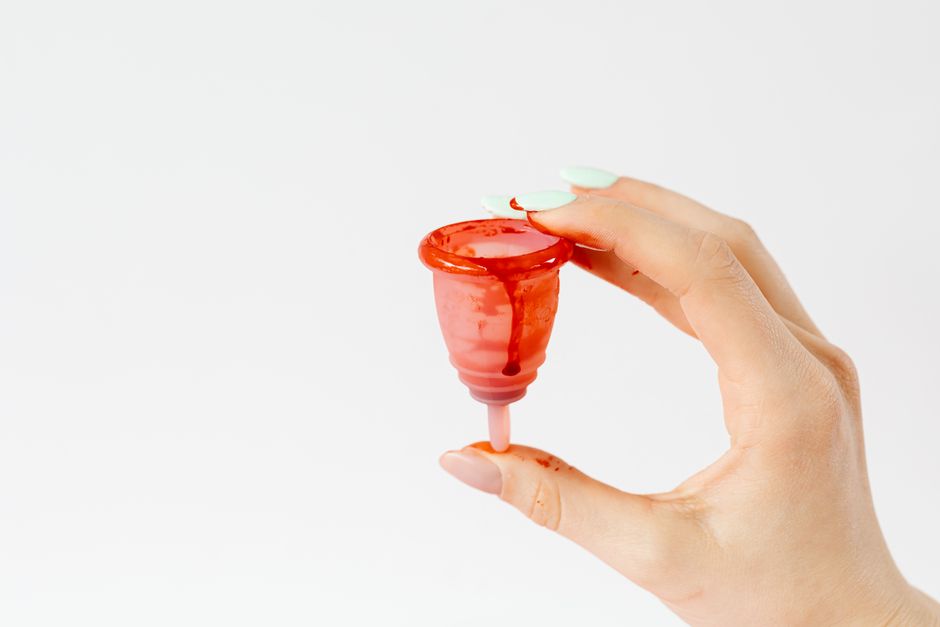
- Innovation: Sustainable options like menstrual cups and period underwear are becoming more popular. While the upfront cost is higher, they last for years, providing a long-term solution for those who can afford the initial investment.
Key Takeaways
- Period poverty is more than just money: It includes lack of education, poor infrastructure, and cultural stigma.
- It’s a global issue: From New York to Nairobi, people are struggling to manage their periods safely.
- Education is the casualty: Period poverty is one of the leading causes of school absenteeism for girls worldwide.
- Health is at risk: Using improvised materials leads to dangerous infections.
- Change is happening: Through policy changes and open conversation, we can end the stigma and the poverty.
Frequently Asked Questions
Is period poverty only a problem in developing countries?
No. Period poverty is a significant issue in developed nations as well. Economic inequality, homelessness, and the high cost of living mean that millions of people in the US, UK, and Europe also struggle to afford menstrual products.
How can I help end period poverty?
You can help by donating period products to local food banks and shelters, supporting organizations like “Period.org” or “The Red Box Project,” and advocating for free products in your local schools or workplaces. Most importantly, talk about it! Normalizing the conversation helps break the stigma.
Does period poverty affect men?
While men do not menstruate, period poverty affects them indirectly. When sisters, daughters, or partners miss school or work, it impacts the family’s economic stability and the community’s overall health. Furthermore, transgender men and non-binary individuals also menstruate and often face even greater barriers to accessing safe products and facilities.
What are the most common health issues related to period poverty?
The most common issues include Urinary Tract Infections (UTIs), bacterial vaginosis, and skin rashes. In extreme cases, using unsterile materials can lead to severe reproductive tract infections and Toxic Shock Syndrome.
Final Thoughts
Period poverty is a quiet crisis, but it doesn’t have to be. By understanding the period poverty: causes and related issues, we can begin to advocate for a world where a natural biological process doesn’t stand in the way of a person’s dreams. No one should have to choose between their dignity and their dinner. It’s time we make period poverty a thing of the past.
Written with love and assistance and refined for quality.
🔗 Related: Perineal muscle strength as a predictor…
🔗 Related: Yes Creatine Can Help With StrengthBut…