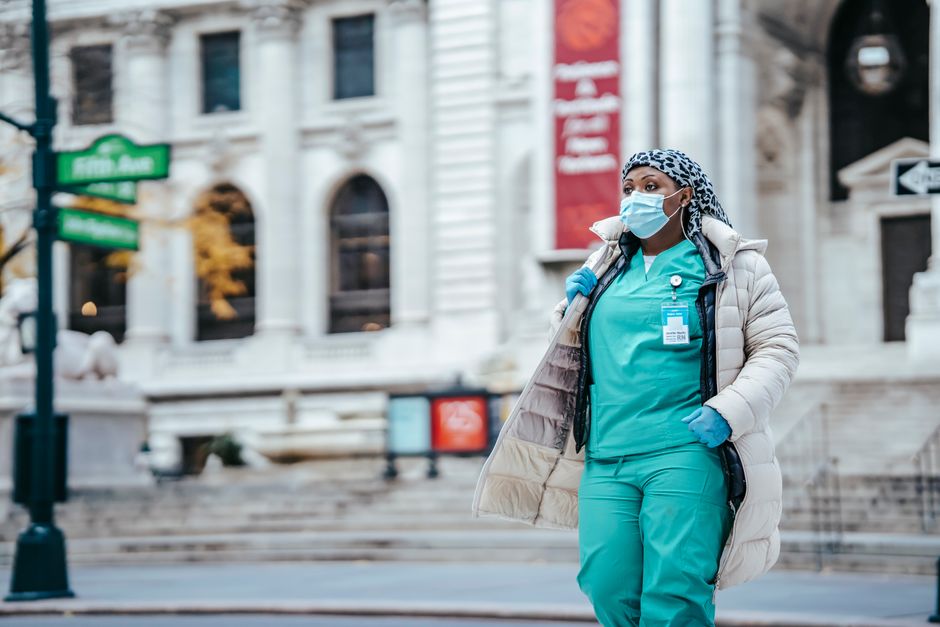
In this article, we’ll explore: BcozSheMatters: WHO Health Ministry roll out campaign on women and girls health and well-being and why it matters today.
Related:
👉 Yes Creatine Can Help With Strength But Its Wellness Benefits Go Way Beyond The Gym
👉 A Perfect Storm for Bone Loss in Women: Menopause and GLP-1 Weight-Loss Drugs
👉 Why Every Woman’s Health Is a Global Priority: Diving Into the #BcozSheMatters Campaign
Learn more: BcozSheMatters: WHO Health Ministry roll out campaign on women and girls health and well-being on Wikipedia
Imagine a small village where a young mother named Elena lives. Elena is the first one up at 5:00 AM, making tea, prepping her children for school, and ensuring her husband has what he needs for the day. She spends her afternoon tending to the fields and her evenings managing the household. Elena is the backbone of her family. But for the last three months, Elena has been feeling a persistent, dull ache in her chest and overwhelming fatigue. She hasn’t told anyone. “It’s probably just stress,” she tells herself. “I don’t have time to be sick.”
Elena’s story isn’t unique. Millions of women across the globe—from bustling metropolises to remote rural outposts—consistently put their own health on the back burner. They are the caregivers, the earners, and the nurturers, yet they are often the last ones to receive medical attention. Recognizing this critical gap, a massive new initiative has been launched to change the narrative. The BcozSheMatters: WHO Health Ministry roll out campaign on women and girls health and well-being is more than just a government program; it is a global wake-up call.
In this post, we’re going to break down what this campaign actually means for the average woman, why the World Health Organization (WHO) and local Health Ministries are joining forces, and how this movement aims to create a world where no girl or woman has to “just deal with it” when it comes to her health.
What is the BcozSheMatters Campaign All About?
At its core, the BcozSheMatters: WHO Health Ministry roll out campaign on women and girls health and well-being is a multi-year roadmap designed to bridge the healthcare inequality gap. For too long, medical research and healthcare systems have been “male-centric.” From the way drugs are tested to the way symptoms are diagnosed, women have often been treated as smaller versions of men, rather than individuals with unique biological and psychological needs.
The campaign focuses on three main pillars:
- Accessibility: Making sure clinics aren’t just available, but affordable and physically reachable for women in every corner of the country.
- Education: Breaking the taboos around menstruation, reproductive health, and menopause.
- Prevention: Shifting the focus from treating illnesses to preventing them through regular screenings and better nutrition.
This isn’t just about handing out brochures. It’s about systemic change. It’s about ensuring that when a girl hits puberty, she understands her body, and when a woman enters her senior years, she has the support to age with dignity and health.
Why Now? The Reality of Women’s Health Today
You might be wondering, “Why do we need a specific campaign for women? Don’t we have general healthcare?” The truth is, the statistics are startling. Despite medical advancements, maternal mortality rates in many regions remain stubbornly high. Conditions like anemia, which are largely preventable, affect nearly one-third of all women of reproductive age.
Furthermore, the mental health of women and girls has taken a significant hit in recent years. Societal pressures, the “double burden” of work and home life, and the lack of safe spaces have led to a rise in anxiety and depression. The BcozSheMatters: WHO Health Ministry roll out campaign on women and girls health and well-being recognizes that you cannot have physical health without mental well-being. They are two sides of the same coin.
Breaking the Silence on Taboo Topics
One of the most refreshing aspects of this campaign is its willingness to talk about things that usually happen behind closed doors. We’re talking about menstrual hygiene, sexual health, and the often-ignored transition of menopause. By bringing these topics into the light, the WHO and the Health Ministry are stripping away the shame that often prevents women from seeking help.
Think about a teenage girl who misses school every month because she doesn’t have access to sanitary products or because she’s told that her pain is “just part of being a woman.” This campaign aims to provide the resources and the education to ensure that her education—and her future—isn’t sidelined by a natural biological process.
Real-World Impact: How the Campaign Works on the Ground
Let’s look at how the BcozSheMatters: WHO Health Ministry roll out campaign on women and girls health and well-being actually looks in practice. It’s not just high-level meetings in Geneva; it’s local action.
1. Mobile Health Vans in Rural Areas
In many regions, the biggest barrier to healthcare is distance. The campaign has funded mobile health units equipped with ultrasound machines, cervical cancer screening tools, and basic diagnostic kits. These vans travel to remote villages, bringing the doctor to the patient. For a woman who can’t afford a day off to travel to the city, these vans are a literal lifesaver.
2. The “Health Buddies” Program
In urban centers, the campaign has launched community-led groups where women can talk openly about their health. These “Health Buddies” are trained volunteers who help women navigate the healthcare system, remind them of their mammogram appointments, and provide a safe space to discuss mental health struggles. It’s about building a community of care.
3. Nutritional Support for Adolescent Girls
The Health Ministry is working with schools to provide iron and folic acid supplements, along with workshops on nutrition. By targeting health at a young age, the campaign is investing in the long-term health of the entire nation. A healthy girl becomes a healthy woman, who is more likely to have a healthy pregnancy and a productive life.
The Connection Between Women’s Health and the Economy
Here’s a perspective we don’t often hear: Women’s health is an economic powerhouse. When women are healthy, they participate more fully in the workforce. They are more likely to invest in their children’s education. In fact, studies show that for every dollar invested in women’s health, there is a significant return in economic productivity.
The BcozSheMatters: WHO Health Ministry roll out campaign on women and girls health and well-being isn’t just a “kind” thing to do; it’s a smart thing to do. By ignoring the specific health needs of half the population, a society essentially operates with one hand tied behind its back. When “She” matters, the whole society thrives.
Addressing the “Invisible” Years
A major focus of the new rollout is the health of aging women. Often, once a woman is past her reproductive years, she disappears from the healthcare priority list. The BcozSheMatters initiative is pushing for better screenings for osteoporosis, cardiovascular diseases (which often present differently in women), and geriatric mental health. It’s a holistic approach that says a woman’s value doesn’t end at 50.
How You Can Get Involved
You don’t have to be a policy maker to be part of the BcozSheMatters: WHO Health Ministry roll out campaign on women and girls health and well-being. Change starts with individual conversations and community awareness.
- Advocate for Yourself: Don’t ignore your symptoms. Whether it’s a persistent cough, a weird mole, or a feeling of deep sadness, your health matters. Schedule that checkup.
- Support the Girls in Your Life: Talk to your daughters, nieces, and sisters about their health. Normalize conversations about periods and mental health.
- Share the Message: Use your social media platforms to spread awareness about the campaign. Use the hashtag #BcozSheMatters to join the global conversation.
- Educate Your Community: If you see a gap in your local community, speak up. Encourage your local workplace or community center to host a women’s health awareness day.
Key Takeaways
The rollout of this campaign is a monumental step toward health equity. Here are the most important things to remember:
- Holistic Focus: The campaign covers everything from puberty to old age, including physical and mental health.
- Collaborative Effort: It’s a partnership between the WHO and national Health Ministries, ensuring that global standards meet local needs.
- Taboo Breaking: A major goal is to end the stigma surrounding menstruation and reproductive health.
- Economic Impact: Investing in women’s health leads to stronger, more resilient economies.
- Community Driven: Real change happens when local communities embrace the message that “She Matters.”
Frequently Asked Questions
1. Who is the primary target of the BcozSheMatters campaign?
The campaign is designed for women and girls of all ages, from early childhood and adolescence through to the elderly years. It also targets healthcare providers and policymakers to ensure the system is better equipped to handle women’s unique needs.
2. How does the Health Ministry plan to reach women in remote areas?
The rollout includes a significant investment in mobile health clinics, community health workers, and digital health platforms (telemedicine) to ensure that geography is not a barrier to receiving quality care.
3. Does the campaign address mental health?
Yes, absolutely. Mental health is a core pillar of the BcozSheMatters: WHO Health Ministry roll out campaign on women and girls health and well-being. It includes initiatives to reduce the stigma of seeking therapy and provides resources for managing stress, anxiety, and postpartum depression.
4. Is this a one-time event?
No, this is a long-term strategic rollout. While the campaign launch is the initial “spark,” the goal is to integrate these changes into the permanent national healthcare infrastructure.
5. Can men support this campaign?
Yes! Men play a crucial role as allies. By supporting the health and well-being of the women in their families and communities, and by advocating for fair healthcare policies, men are essential partners in the success of BcozSheMatters.
Final Thoughts
At the end of the day, the BcozSheMatters: WHO Health Ministry roll out campaign on women and girls health and well-being is a celebration of life. It is a promise to every woman that she is seen, she is heard, and her health is a priority. When we invest in the health of a girl, we are investing in the future of the world. Because, truly, she matters.
Let’s stop waiting for “the right time” to prioritize health. The right time is now. Whether you are a healthcare worker, a parent, or simply someone who cares, let’s carry the spirit of this campaign forward. Because when she thrives, we all thrive.
Written with love and assistance and refined for quality.
🔗 Related: A perfect storm for bone loss…
🔗 Related: Perineal muscle strength as a predictor…